
Spiderhead follows Jeff, a prisoner who joins a drug test program to shorten his sentence. Jeff feels guilty about a drunk-driving crash that killed two people, and he tries to stay calm inside a bright, comfortable prison. Steve Abnesti runs the prison and controls the drugs through a device in each inmate’s back. The drugs can create love, fear, laughter, desire, or deep despair. Jeff becomes uneasy when Steve uses the tests to control people and learns that the friendly rules hide a trap.
Jeff also grows close to Lizzy, another prisoner who carries guilt over the death of her child. Their bond gives the story its main emotional path and leads both people toward honesty, forgiveness, and a fight for free choice. The movie asks whether love and personal judgment can survive when a powerful company can change feelings with a button. The story keeps its message on consent, human dignity, and the danger of treating prisoners as tools.
Community feedback
Was our 4% Woke rating accurate?
Breakdown
These are the editorial factors and ratings behind our score for Spiderhead.
Woke representation / casting
Core cast includes Jurnee Smollett as a key female inmate in a romantic and redemptive arc with white male leads; diversity appears incidental and story-justified in a futuristic prison setting, with no marketing push, quota signaling, or identity emphasis in roles or promotion.
4%
Woke political dialogue
Not present. No activist speeches, lectures on systemic issues, patriarchy, or identity; all dialogue stays on personal guilt, drug effects, consent mechanics, and ethical questions of experimentation.
0%
Identity-driven story themes
Not present. Narrative centers on free will versus chemical control, self-forgiveness as a personal choice, and pharma ethics; no race, gender, sexuality, or identity-politics plotlines or framing.
0%
Western institutional / cultural critique
Not present. Portrays corporate pharma power and coercive prison experiments as dehumanizing, but treats this as a universal sci-fi ethics question about consent and science rather than modern activist critiques of capitalism, whiteness, or Western norms.
0%
Woke character or canon changes
Not relevant. Film expands the short story with added romance and character arcs for feature length; changes serve drama and pacing, with no evidence of identity-driven or DEI-motivated alterations to source material or figures.
0%
Anti-woke backlash and complaints
Not present. No documented right-leaning or anti-woke complaints accusing the film of DEI, identity politics, or activist propaganda; reception stayed focused on entertainment and thriller elements.
0%
Creator track record context
Joseph Kosinski, Paul Wernick, and Rhett Reese mainly make mainstream entertainment. George Saunders has written about democracy and social inequality, but his work is not mainly about identity politics. Chris Hemsworth has made occasional comments about climate policy, while the producers have no clear activist pattern. These small background signals do not drive Spiderhead’s plot or marketing.
10%
Production
Movie · 2024
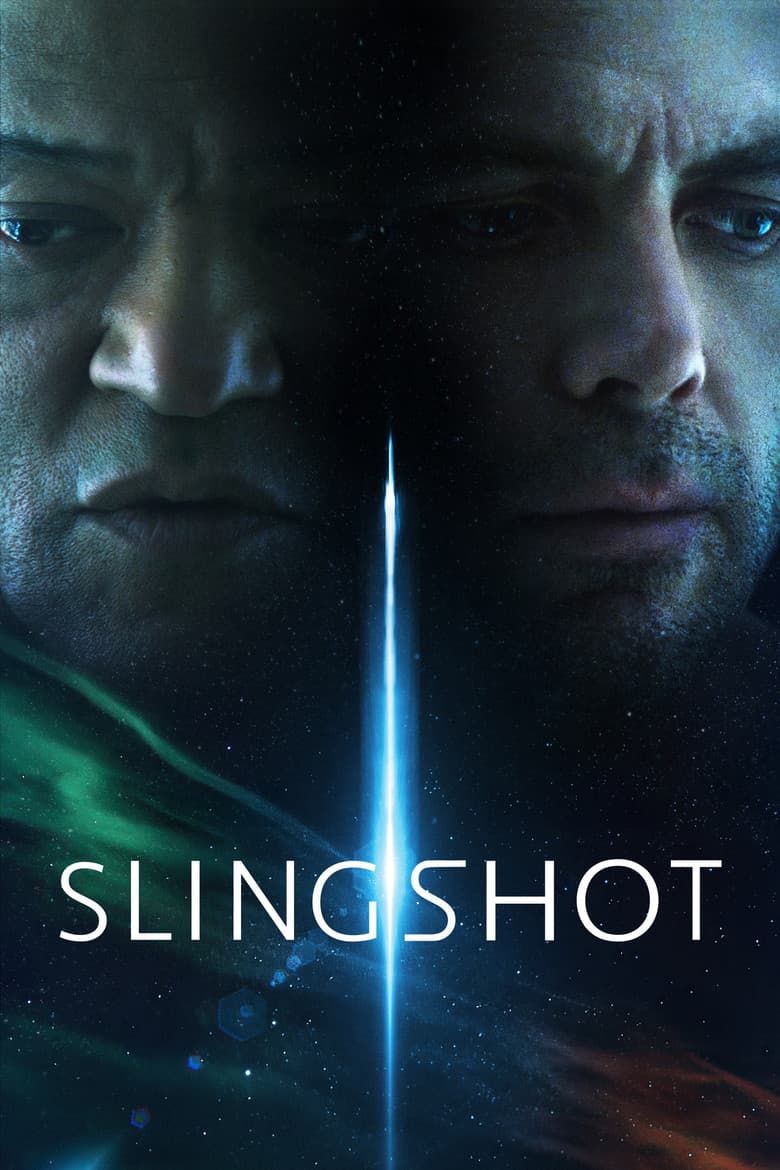
An elite trio of astronauts aboard a years-long, possibly compromised mission to Saturn's moon, Titan, gears up for a highly dangerous slingshot manoeuvre that will either…

Movie · 2020
2038: George Almore is working on a true human-equivalent AI, and his latest prototype is almost ready. This sensitive phase is also the riskiest as he has a goal that must be…

Movie · 2024
With his wife out sick, a struggling father brings home a lifelike AI, only to have his self-aware new help want everything her new family has to offer...

Movie · 2016
A corporate risk-management consultant must determine whether or not to terminate an artificial being's life that was made in a laboratory environment.

Movie · 2018
Set in the small town of Devil's Gate, North Dakota, the film examines the disappearance of a local woman and her young son.

Movie · 2018
On a bleak future Earth, a soldier endures a radical genetic transformation to save humanity. But his wife fears he's becoming more creature than man.

Movie · 2026
Science teacher Ryland Grace wakes up on a spaceship light years from home with no recollection of who he is or how he got there.

Movie · 2020
A group of World War II American soldiers encounter a supernatural enemy as they occupy a French castle previously under Nazi control.
