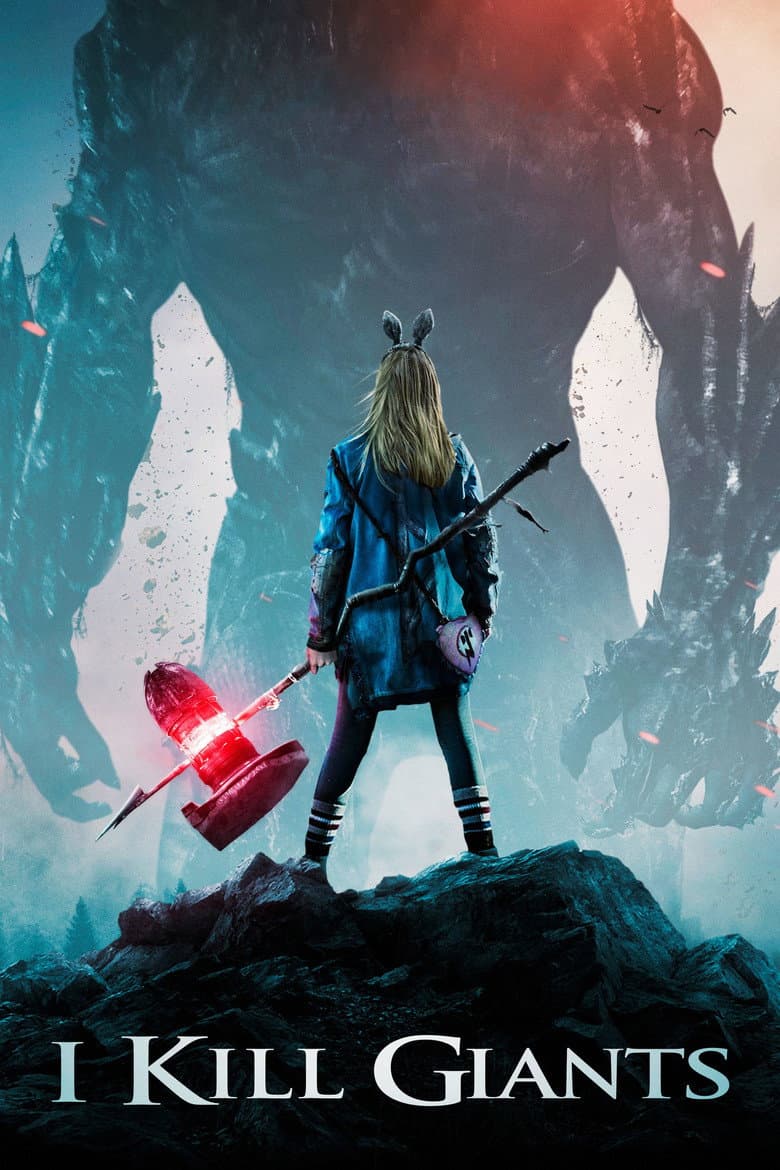
I Kill Giants follows Barbara Thorson, a lonely middle school girl who wears bunny ears and carries a magic hammer. Barbara believes giants will destroy her coastal Long Island town, so she builds traps and hunts them near the woods and sea. Barbara also faces bullying, trouble at home, and her mother’s serious illness while her older sister Karen helps care for the family. A new student named Sophia becomes Barbara’s friend, and school psychologist Mrs. Mollé tries to understand her behavior. The film uses dark fantasy to show how Barbara copes with fear, grief, and loss.
The film gives girls and women most of the important roles. Barbara leads the action, while Karen, Sophia, Taylor, and Mrs. Mollé provide family support, friendship, and guidance. Zoe Saldana plays Mrs. Mollé as a trusted adult and gives the group a visible nonwhite woman. Barbara can be angry, rude, strange, and brave without becoming a simple role model. These choices are noticeable, but the story focuses on grief, fear, and accepting help instead of modern identity politics or activist ideas.
Community feedback
Was our 25% Woke rating accurate?
Breakdown
These are the editorial factors and ratings behind our score for I Kill Giants.
Woke representation / casting
The film gives most of its important speaking roles to girls and women. Barbara leads the fighting, Karen manages the home, and Mrs. Mollé guides Barbara as an adult. Zoe Saldana gives the group a visible nonwhite woman in a trusted adult role. The pattern is noticeable, but the movie does not present it as a wider diversity message.
26%
Woke political dialogue
Not present. The film does not use modern identity, DEI, or activist speech. Barbara talks about giants, bullying, fear, and death.
0%
Identity-driven story themes
The film centers a girl who can be aggressive, strange, and physically brave. Barbara fights bullies and monsters, and the story treats her anger as part of a real inner struggle. Female friendships and the sister relationship carry much of the emotional story. The main message concerns grief, fear, and accepting help instead of patriarchy, DEI, or modern identity politics.
30%
Western institutional / cultural critique
Not present. The film does not attack the school or family adults as sexist, conservative, or oppressive. Those adults are imperfect, but the story shows them trying to help Barbara.
0%
Woke character or canon changes
Not relevant. The movie adapts the existing graphic novel by Joe Kelly and J.M. Ken Niimura. Its changes serve the film format and do not change a character’s identity or the source’s political meaning.
0%
Anti-woke backlash and complaints
Not present. The supplied X research found no anti-woke reaction to this title. Other public comments focus on the sad story, pacing, and surprise that the film is not mainly monster action.
0%
Creator track record context
Anders Walter’s public record centers on children, trauma, grief, and emotional strength rather than activist politics. Joe Kelly said Barbara’s gender was not the reason he created her, although he is aware of diversity issues in comics. Casting director Leen Verhelst has a clear professional focus on inclusion and representation. Most other listed creators have little public activist record.
17%
Production
Movie · 2017
A supernatural love story that centers on two parents whose life together falls apart after their son dies. The man, now a successful lawyer, and the woman, now married and an…
Movie · 2024
A mother and her teenage daughter must confront Death when it arrives in the form of an astonishing talking bird.
Movie · 2022
Known as America’s Poet, Henry Wadsworth Longfellow leads an idyllic life – until the day his world is shattered by tragedy.
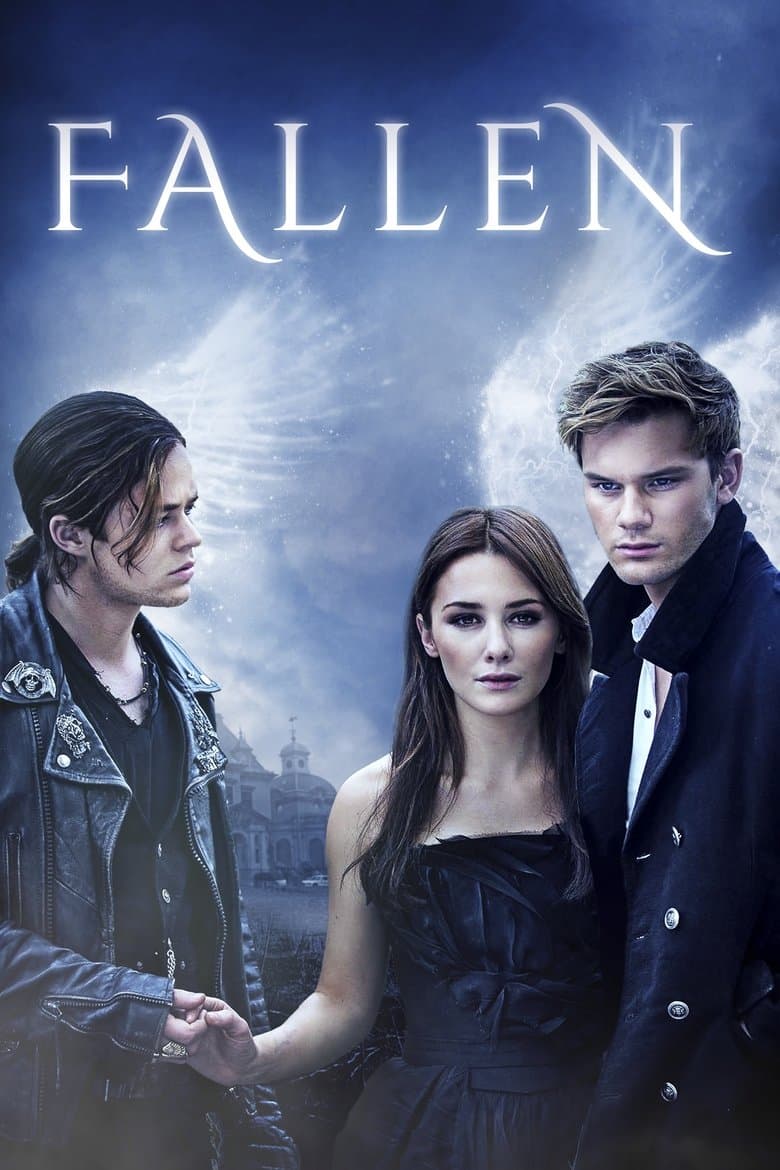
Movie · 2016
Lucinda Price is sent to a reform academy under the assumption that she has killed a boy. There, she meets two mysterious boys, Cam and Daniel, to whom she feels drawn to both.
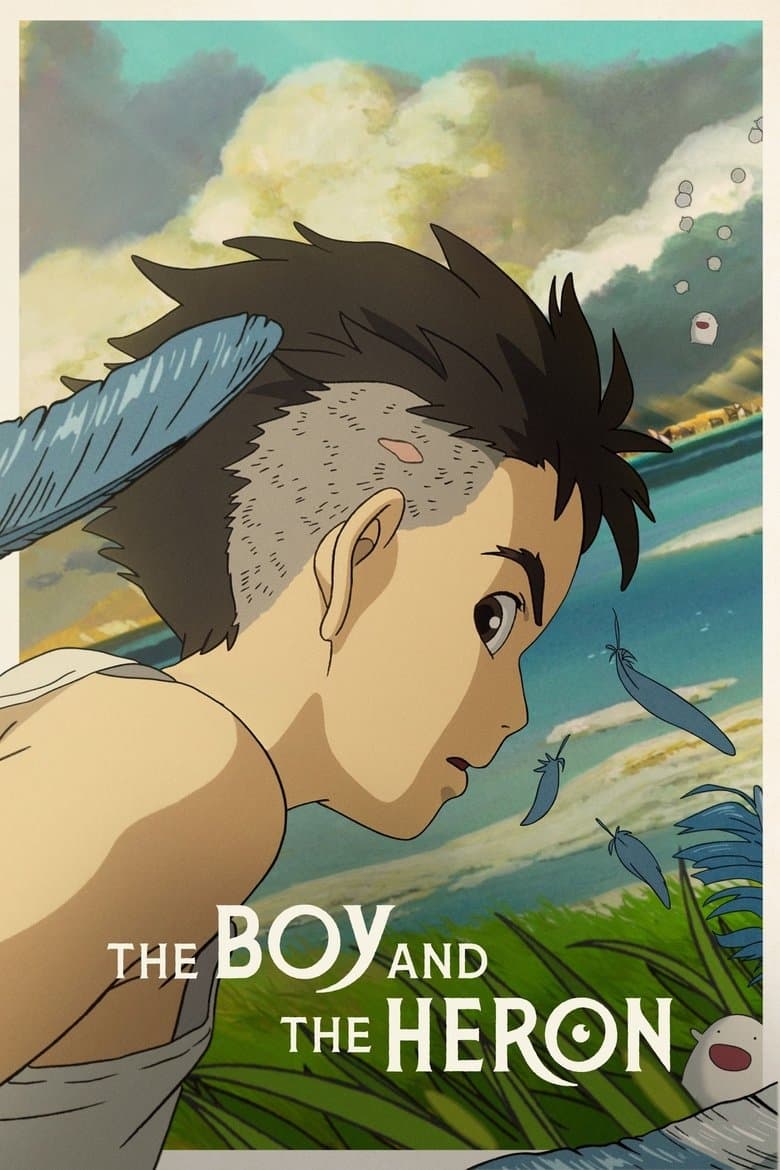
Movie · 2023
While the Second World War rages, the teenage Mahito, haunted by his mother's tragic death, is relocated from Tokyo to the serene rural home of his new stepmother Natsuko, a woman…
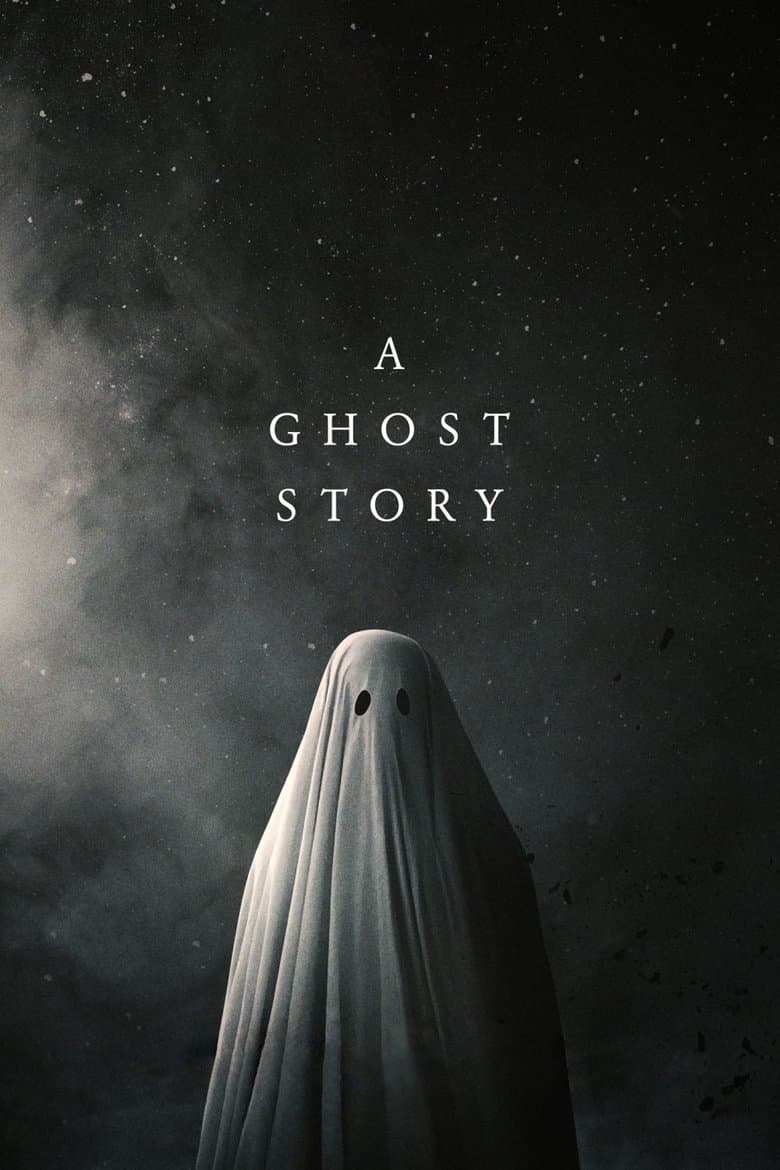
Movie · 2017
Recently deceased, a white-sheeted ghost returns to his suburban home to console his bereft wife, only to find that in his spectral state he has become unstuck in time, forced to…
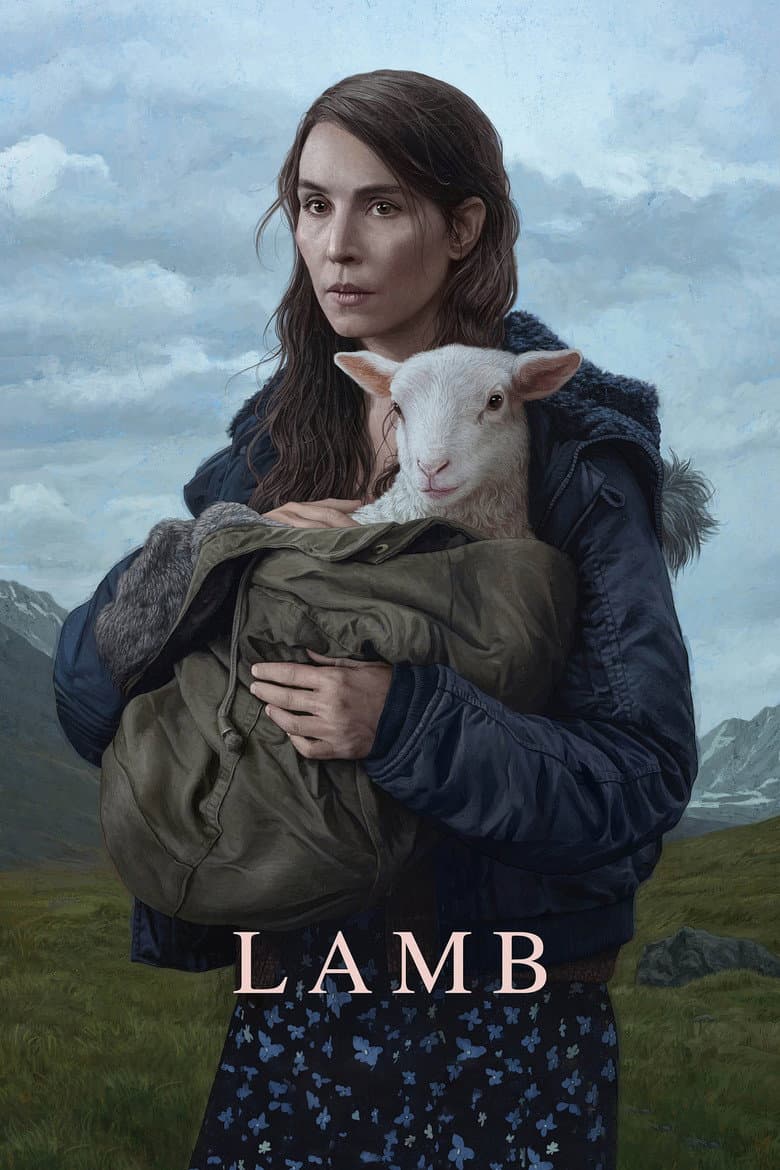
Movie · 2021
An Icelandic couple live with their herd of sheep on a beautiful but remote farm. When they discover a mysterious newborn on their land, they decide to keep it and raise it as…
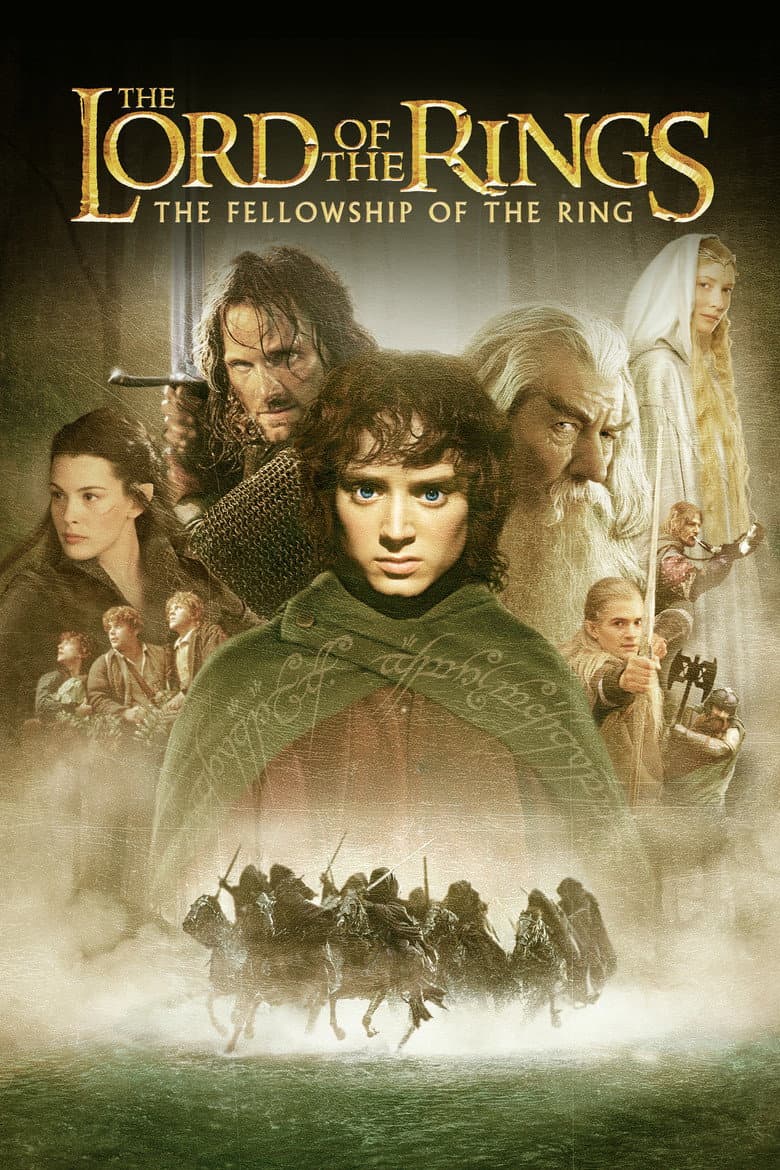
Movie · 2001
Young hobbit Frodo Baggins, after inheriting a mysterious ring from his uncle Bilbo, must leave his home in order to keep it from falling into the hands of its evil creator.
