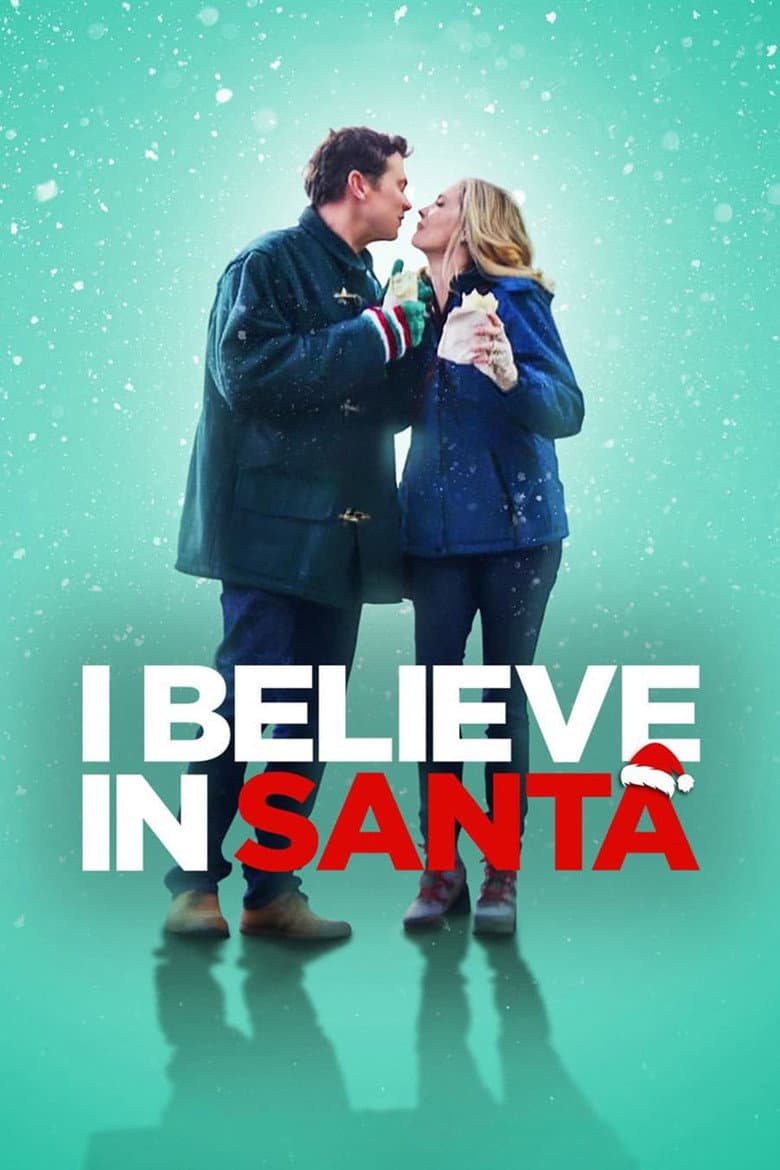
Lisa is a divorced mother and magazine writer in Denver who meets Tom at a Fourth of July fair. She likes him and sees him become close to her daughter, Ella, but she hates Christmas while Tom plans his whole December around it and truly believes Santa is real. Their romance turns into a clash over faith, holiday traditions, spending, and whether love can survive a deep difference. The film is a light but strange Christmas romantic comedy that ends with the couple choosing love, family, and hope.
The main woke element is a diversity-centered side story built around Assan, Tom’s gay Muslim friend, and Sharon, Lisa’s black friend. Assan says people can treat Muslims as dangerous or weird, and he compares accepting Tom’s belief in Santa with accepting religious beliefs that cannot be proved. The film uses this speech to support tolerance across identity and faith, while the two friends have little story outside helping the leads. These ideas are noticeable and repeated, but the romance and Santa debate remain the main story.
Community feedback
Was our 47% Woke rating accurate?
Breakdown
These are the editorial factors and ratings behind our score for I Believe in Santa.
Woke representation / casting
The main couple is white, while Lisa has a black female friend and Tom has a Muslim friend who is also gay. The two friends are visible and help the leads, but they have little life outside the romance. The film also uses Assan’s identities in a key speech about how people judge Muslims. This creates a clear diversity pattern in the support cast without making representation the main design.
34%
Woke political dialogue
The film repeatedly asks viewers to respect beliefs that differ from their own. Assan gives a clear speech about Muslims being seen as dangerous, evil, or weird. The film compares his religious faith with Tom’s belief in Santa and treats both as beliefs that cannot be proved. The ending says faith can hold the whole world together.
42%
Identity-driven story themes
The romance is built around accepting a partner whose beliefs seem strange. The film gives Assan a personal story about being placed in a box because he is Muslim, and it also identifies him as gay. The story uses his acceptance of Tom to support a wider message about respecting different identities and beliefs. This material matters to the relationship, but the Santa romance remains the main plot.
40%
Western institutional / cultural critique
The film presents Christmas as a source of pressure to buy gifts and calls Santa a symbol used by stores to sell more. Lisa also works at a magazine where editors push for clicks and ads. These points give the movie a mild anti-commercial message. The story finally praises family, faith, tradition, and Christmas instead of attacking Western institutions.
14%
Woke character or canon changes
Not relevant. The film is an original holiday romance, not a new version of an established character or story. It does not change Santa’s race, gender, sexuality, or leadership role.
0%
Anti-woke backlash and complaints
One review calls the black best friend and gay Muslim friend token characters who exist to provide diversity. Those comments are the clearest anti-DEI-style complaints found, but they are isolated review remarks rather than a large public fight. The X research pass found no anti-woke posts or specific complaints. Most audience reaction attacked the strange plot, weak acting, or Santa premise instead.
15%
Creator track record context
Alex Ranarivelo has a cached 55/100 score because his past work often covers race, immigrants, and mixed communities. Ali Afshar has a cached 44/100 score and Ava Rettke has 42/100 for repeated representation-focused work. John Ducey has 5/100, while Christina Moore and Daniel Aspromonte have 0 and 6/100. Moore described this film as a story about acceptance and loving someone with different beliefs. The group context is moderate, but it is softened by the mainly commercial holiday-romance style.
30%
Production
Movie · 2018
When a down-to-earth Chicago baker and a soon-to-be princess discover they look like twins, they hatch a Christmastime plan to trade places.
Movie · 2020
In 1800s England, a well-meaning but selfish young woman meddles in the love lives of her friends.

Movie · 2020
Longtime friends and local radio hosts Maggie and Jack fake it as a couple for their families and listeners in hopes of getting their show syndicated.
Movie · 2017
Fourteen years after the events of the original film, a series of encounters between people in Britain reminds us that in these different times Love, actually exists.
Movie · 2026
After Matt's dreams of a picturesque Italian wedding are shattered when his fiancée leaves him at the altar, he embarks on his planned honeymoon across Italy alone, immersing…
Movie · 2022
A fledgling caterer, Molly Frost, is hired by Jean Harrison, the perfectionistic director of the renowned Harrison Foundation, to cater this year’s annual Christmas Gala dinner.
Movie · 2024
Maddie's dream guy is days away from marrying her best friend when a wish for true love made on an ancient stone in Ireland magically alters her fate.

Movie · 2016
Set against the backdrop of a beautiful garden in the heart of London, this contemporary fairy tale revolves around the unlikely friendship between a reclusive young woman and a…
