
Molly Frost is a new caterer trying to keep her small business alive in a New Hampshire town. Jean Harrison hires her to prepare the Harrison Foundation's Christmas gala after a demanding kitchen test. Jean's nephew Carson, a traveling event photographer, is told to oversee the dinner even though he wants to avoid the family foundation. Molly and Carson clash, work together, and grow closer while the warm holiday story moves toward a simple romance.
The film gives its main women clear jobs and control over important work. Molly leads the food business and solves gala problems, while Jean runs the foundation and directs the event. Carson helps Molly, but he is also shown as a skilled photographer who chooses a larger role in the family charity. The story presents work, family duty, community service, and personal choice as positive parts of a gentle Christmas romance.
Community feedback
Was our 10% Woke rating accurate?
Breakdown
These are the editorial factors and ratings behind our score for Catering Christmas.
Woke representation / casting
Not present. The main cast shows an ordinary small-town mix, with no race, gender, or identity message built into the casting. A supporting Asian character appears, but the film does not present her identity as a representation point.
0%
Woke political dialogue
Not present. The dialogue mentions grants, a community center, and helping children. It does not push identity politics, DEI, gender activism, or a left-wing cause.
0%
Identity-driven story themes
Molly runs her own catering business and chooses to keep building it after rejecting a partnership offer. Jean leads the foundation and controls the gala, while Carson helps with food and event work. These women handle much of the visible planning and problem solving. The film also gives Carson a respected photography career and treats the gender roles as personal choices, not a broad political message.
18%
Western institutional / cultural critique
Not present. The foundation is shown as helping schools, children, and local people. The film does not attack family duty, men, Christianity, capitalism, or Western institutions.
0%
Woke character or canon changes
Not relevant. The film uses original characters and an original story. It does not change a known character, source, or real historical figure.
0%
Anti-woke backlash and complaints
Not present. The supplied X pass found no anti-woke posts, and the reviewed web coverage found no title-specific complaints that the film pushes woke or DEI ideas. Audience comments focus on whether the romance is cozy, simple, or predictable.
0%
Creator track record context
The available creator summaries give the director, writer, and producers very low scores. Cara J. Russell has no clear identity-activist public profile. T.W. Peacocke has only an incidental link to the queer-inclusive show Schitt’s Creek. The producers also have no clear activist pattern.
6%
Production
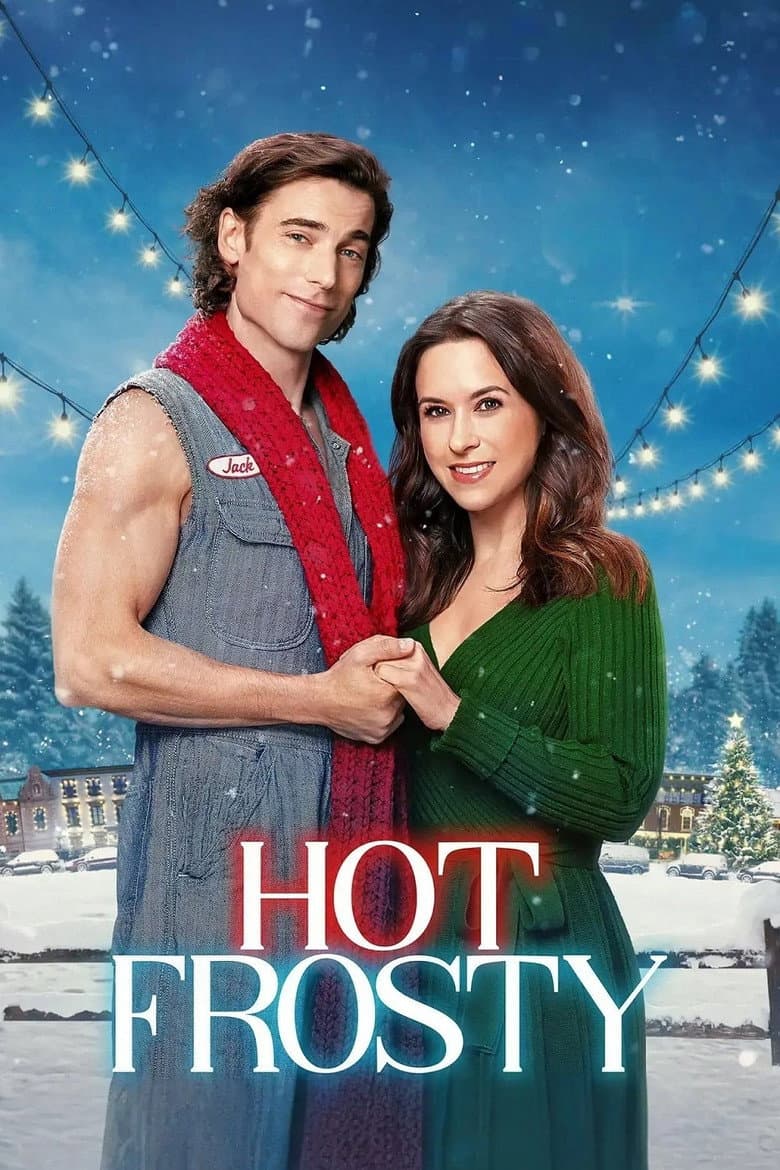
Movie · 2024
When a young widow's magic scarf brings a dashing snowman to life, can he help her rediscover romance, laughter and holiday cheer before he melts away?
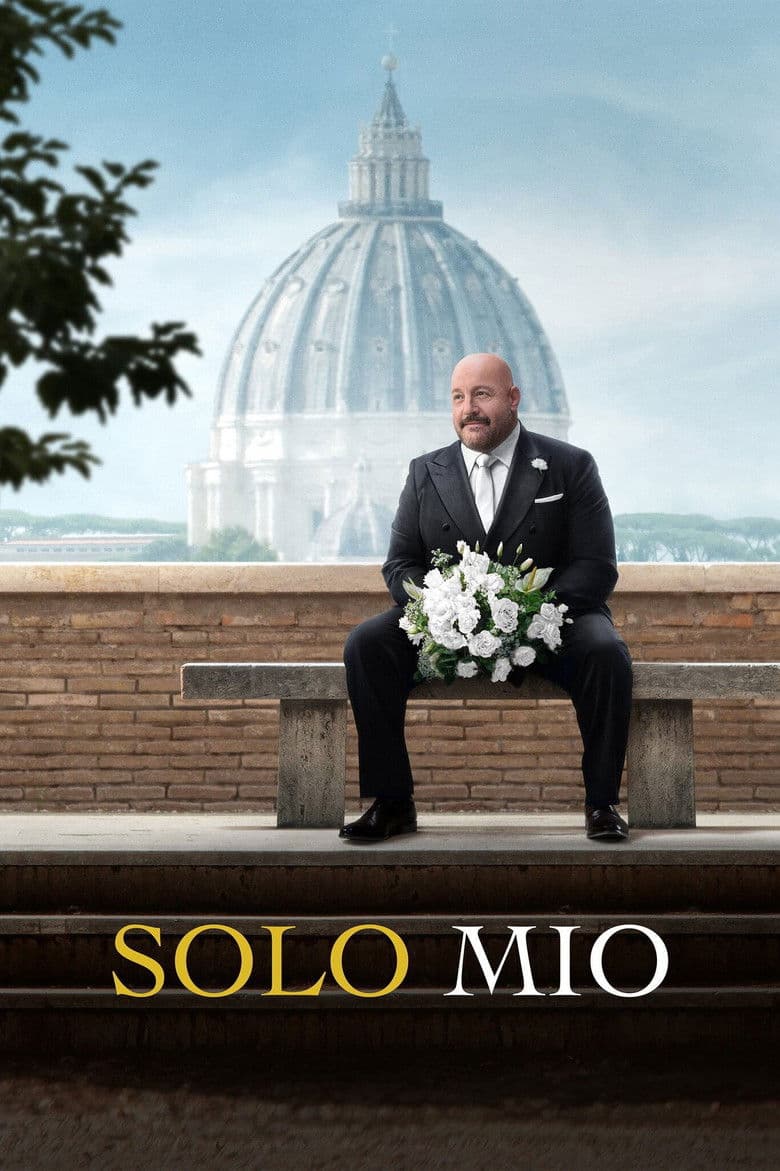
Movie · 2026
After Matt's dreams of a picturesque Italian wedding are shattered when his fiancée leaves him at the altar, he embarks on his planned honeymoon across Italy alone, immersing…

Movie · 2020
Longtime friends and local radio hosts Maggie and Jack fake it as a couple for their families and listeners in hopes of getting their show syndicated.

Movie · 2019
Following a group of friends from university as they progress into middle-age life and go their own separate ways.

Movie · 2017
Fourteen years after the events of the original film, a series of encounters between people in Britain reminds us that in these different times Love, actually exists.
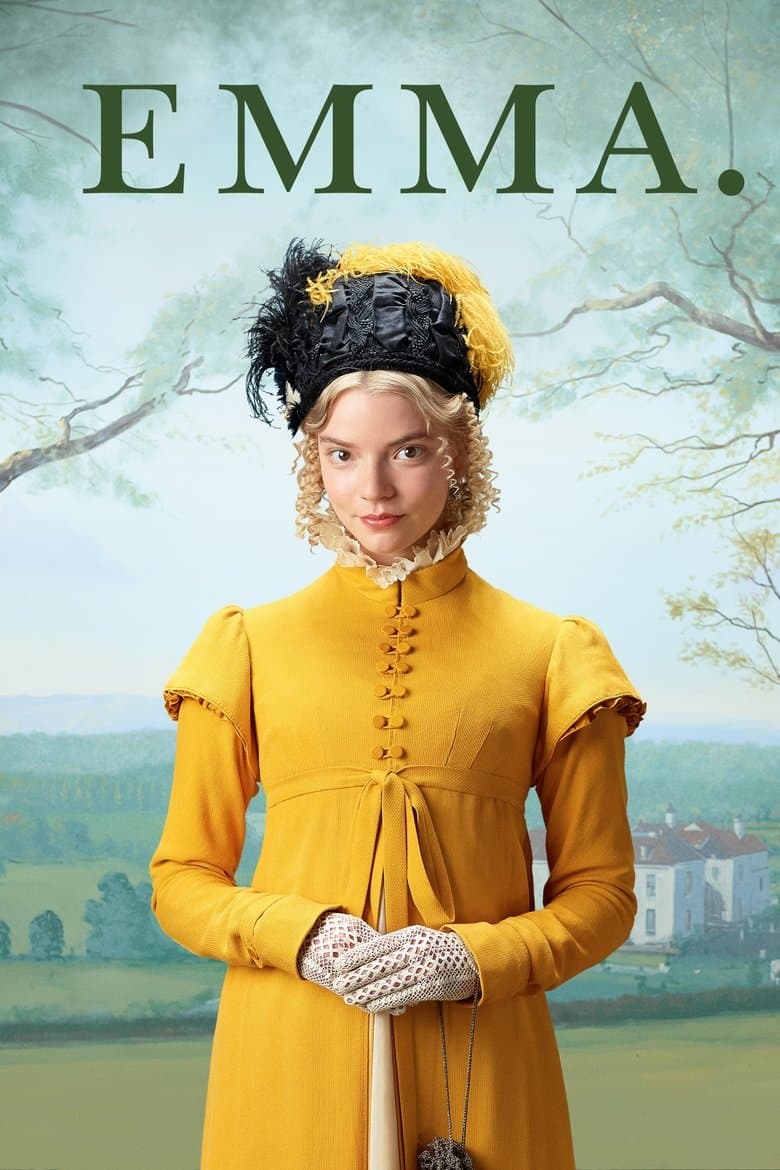
Movie · 2020
In 1800s England, a well-meaning but selfish young woman meddles in the love lives of her friends.

Movie · 2022
After Jodi Kreyman gains popularity, her miscommunications start causing rifts with those around her and now she really needs to "stand tall".

Movie · 2018
When a down-to-earth Chicago baker and a soon-to-be princess discover they look like twins, they hatch a Christmastime plan to trade places.
