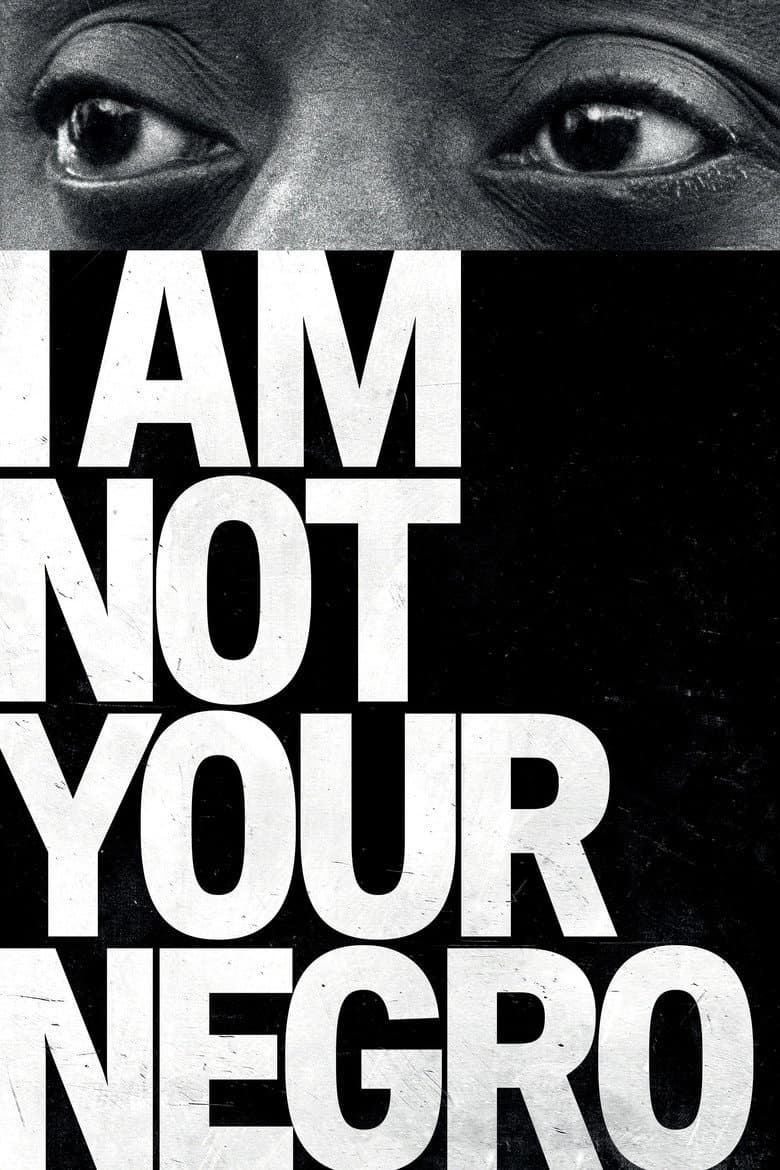
I Am Not Your Negro follows writer James Baldwin as he looks back at the lives and deaths of Medgar Evers, Malcolm X, and Martin Luther King Jr. The main conflict is the gap between America's promise of freedom and the violence faced by Black citizens. The film moves between Baldwin's talks, old news clips, black American history, and modern scenes from Ferguson. Samuel L. Jackson reads Baldwin's words while Baldwin appears in archive footage. The tone is serious, angry, sad, and still hopeful.
The documentary makes black identity and racism its central subject. Baldwin says that white America created the false idea of a Negro problem and must face its own role in violence, fear, and unfair power. The film attacks racist movie images, police abuse, the American Dream, and the use of black people as cheap labor. Peck connects the civil rights era to Black Lives Matter and present-day protests, so the activist message shapes almost every part of the film. A brief FBI note refers to Baldwin as homosexual, but the film gives much more attention to race than to his private life.
Community feedback
Was our 90% Woke rating accurate?
Breakdown
These are the editorial factors and ratings behind our score for I Am Not Your Negro.
Woke representation / casting
Not present. The film centers black people because it is about James Baldwin and black American history. The archive and narration do not show a diversity-first casting pattern outside that subject.
0%
Woke political dialogue
The film uses Baldwin's words for most of its spoken material. Baldwin links black identity to racism, police violence, white power, and the duty to change America. The archival interviews repeat arguments about protest, integration, the American Dream, and the treatment of black people. Peck then connects those ideas to Ferguson and modern race debates, so the political message stays central.
88%
Identity-driven story themes
Baldwin makes the meaning of being black in America the film's main subject. The film follows his thoughts on racial identity, white supremacy, fear, anger, and the burden placed on black people. Peck ties the deaths of Evers, Malcolm X, and King to current images of police violence and protest. The film also shows a brief FBI reference to Baldwin's sexuality, but it does not make queer life a main story.
94%
Western institutional / cultural critique
The film attacks the way American institutions and popular culture have treated black people. Baldwin blames white-centered Hollywood stories, police power, economic systems, and the idea of white innocence for lasting harm. The film uses Ferguson footage and current protest images to say that these problems did not end with the 1960s. Baldwin also questions the moral record of the West and the Christian nation claim.
86%
Woke character or canon changes
Not relevant. The film expands an unfinished Baldwin project into a documentary, but it does not change the identity of an established character or real person.
0%
Anti-woke backlash and complaints
One low-profile online review called the film race-baiting propaganda and anti-white brainwashing. The X research pass found no anti-woke reaction, boycott, or review-bombing. Mainstream reviews and audience ratings were mostly positive, so the hostile reaction looks fringe and limited.
8%
Creator track record context
Raoul Peck has a stored woke score of 88 and a long record of films about racism, colonial power, and political history. James Baldwin has a stored woke score of 91 and wrote about race, sexuality, identity, and civil rights. Audrey Rosenberg has a stored score of 73 and often backs queer and social justice projects. Rémi Grellety and Hébert Peck have stored scores of 54 and 46, but their work still includes many social issue films. This context strongly matches the film's subject and message.
80%
Production
Movie · 2016
Supersonic charts the meteoric rise of Oasis from the council estates of Manchester to some of the biggest concerts of all time in just three short years.
Movie · 2019
An Iraqi journalist joins an army of uneasy allies and unforgettable characters in the epic battle to liberate the city of Mosul from the Islamic State.
Movie · 2018
A documentary about World War I with never-before-seen footage to commemorate the centennial of Armistice Day, and the end of the war.
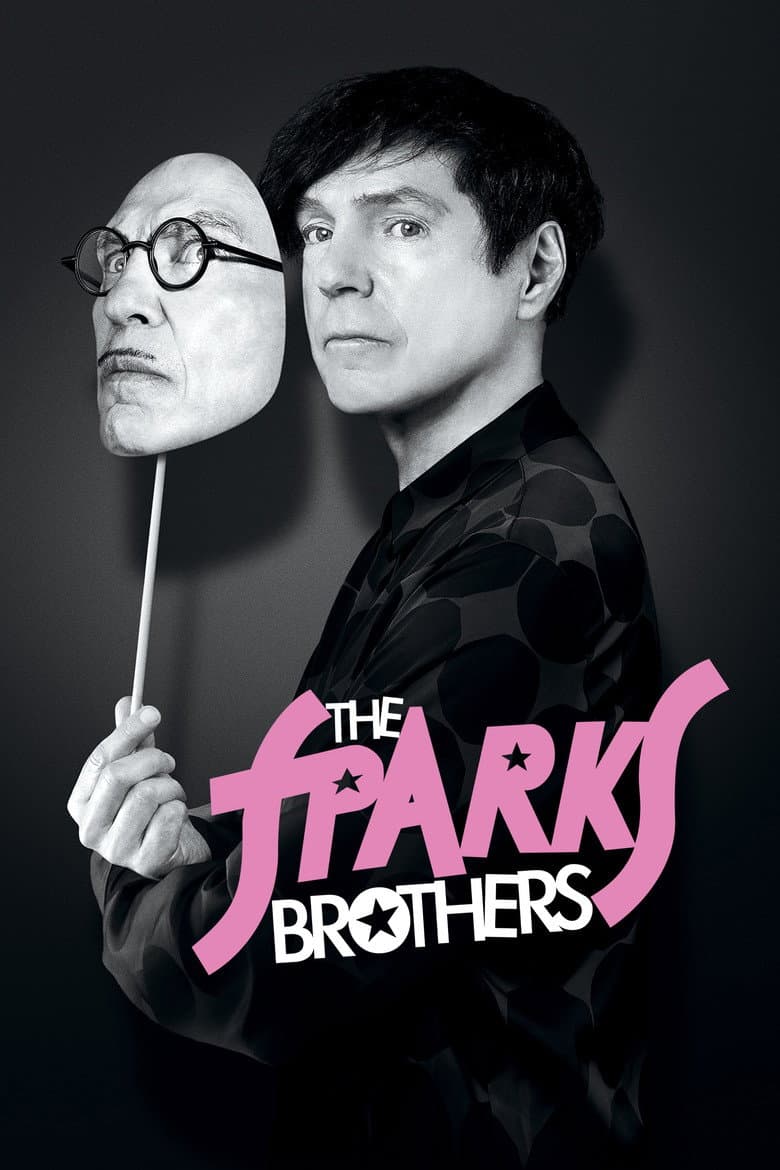
Movie · 2021
Take a musical odyssey through five weird and wonderful decades with brothers Ron & Russell Mael, celebrating the inspiring legacy of Sparks: your favorite band’s favorite band.
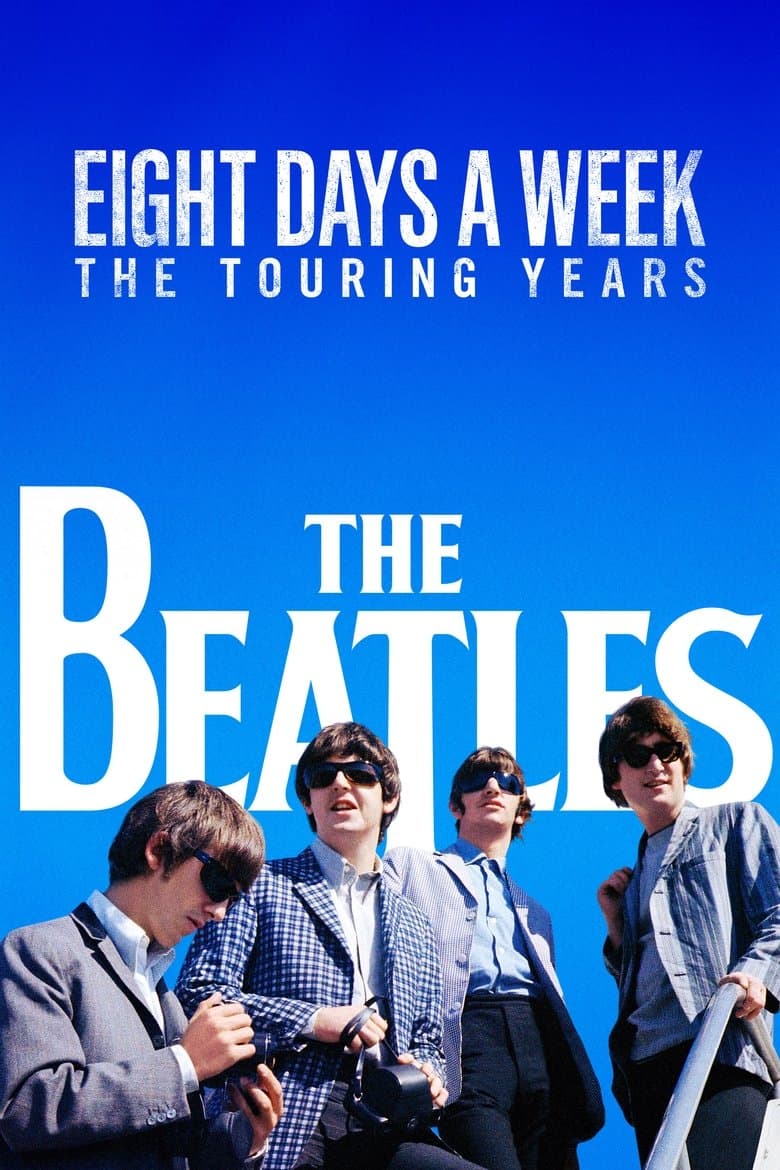
Movie · 2016
The Beatles stormed through Europe's music scene in 1963, and, in 1964, they conquered America. Their groundbreaking world tours changed global youth culture forever and…
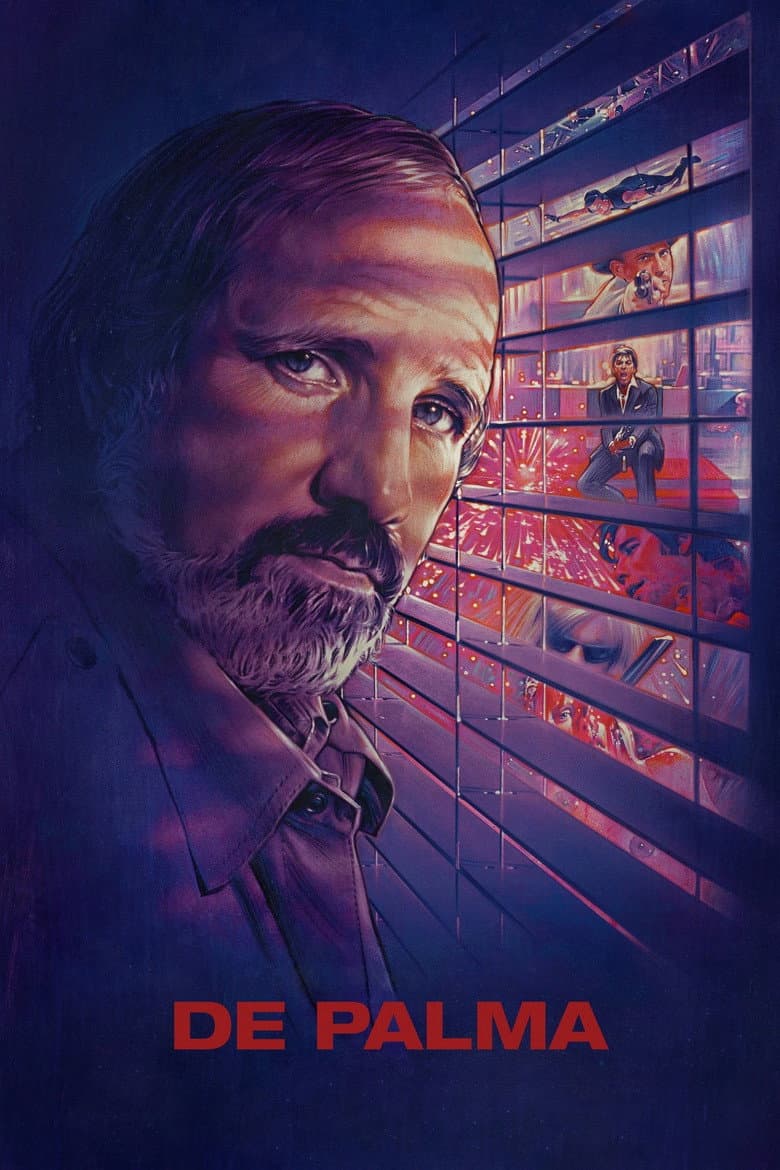
Movie · 2016
An intimate conversation between filmmakers, chronicling De Palma’s 55-year career, his life, and his filmmaking process, with revealing anecdotes and, of course, a wealth of film…
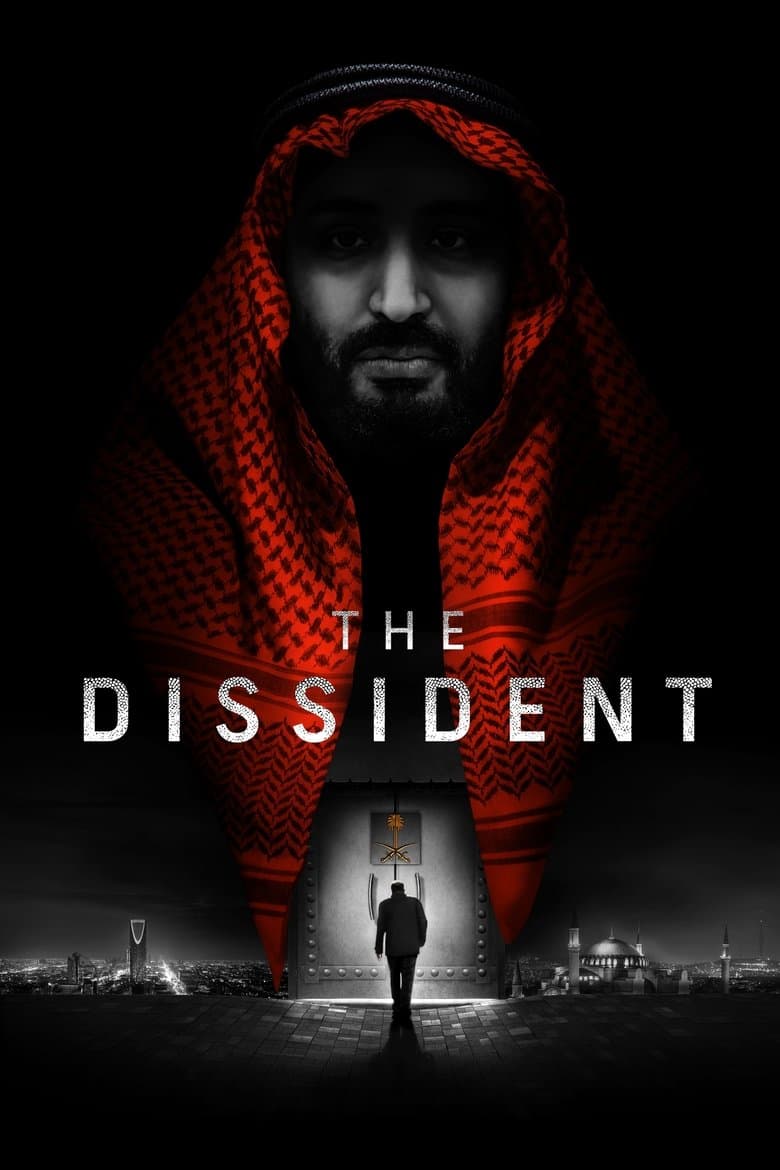
Movie · 2020
When Washington Post journalist Jamal Khashoggi disappears after entering Saudi Arabia’s consulate in Istanbul, his fiancée and dissidents around the world are left to piece…

Movie · 2023
As the Russian invasion begins, a team of Ukrainian journalists trapped in the besieged city of Mariupol struggle to continue their work documenting the war's atrocities.
