Movie review
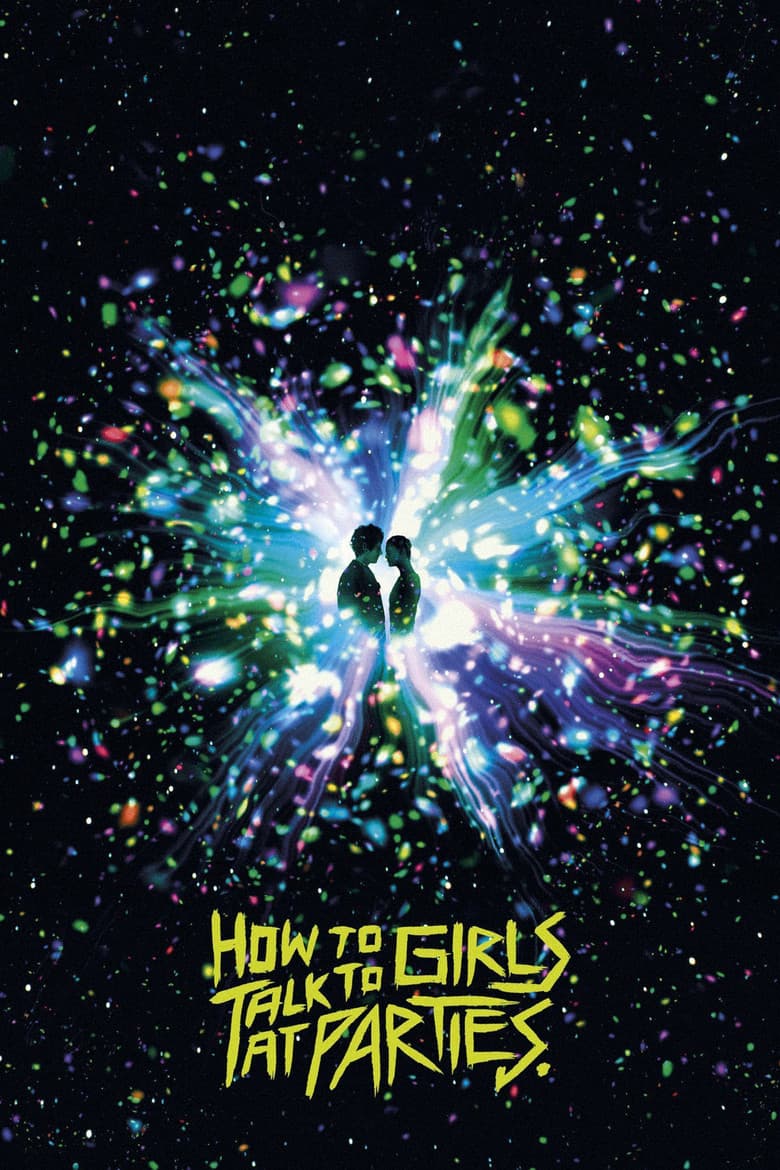
Enn is a shy teenage punk in 1977 Croydon, London. He and his friends search for an after-party and enter a house filled with strange visitors from space. Enn falls for Zan, a curious alien who leaves her group to learn about punk, sex, music, and human life. Their romance brings the punks into a fight with Zan’s colony, which plans a cruel ritual involving its children, and the film mixes bright comedy with messy science fiction, loud music, and body horror.
The film makes gender and sexual change part of the alien culture, not just a side joke. Some aliens can change between male and female forms, and Vic must face his fear when a sexual encounter breaks his simple view of gender. The punk world also puts women in charge and praises queer, matriarchal, and nonconforming lives. Repeated lines about smashing oppressors, fighting fascism and conformity, stopping overuse of resources, and changing old rules give the love story a clear activist edge, even though the film often treats these ideas as wild comedy.
Community feedback
Was our 82% Woke rating accurate?
Breakdown
These are the editorial factors and ratings behind our score for How to Talk to Girls at Parties.
Woke representation / casting
The film gives prominent roles to Zan, Queen Boadicea, and other women who lead the alien and punk groups. The punk world is openly built as matriarchal and queer, rather than as a usual male rock scene. The cast does not show a broad race-based or quota-style design, but the strong female and queer pattern is clear on screen.
38%
Woke political dialogue
The film repeats punk lines about smashing oppressors, telling the truth, and being original. The characters also talk about fighting fascism and conformity, stopping blind consumption, and fixing what older parents damaged. The climax repeats the call to evolve and change old rules. The message is spoken often, but it sits inside jokes, songs, and wild science fiction scenes.
45%
Identity-driven story themes
The film makes gender change part of its alien society. The alien Stella can appear in both female and male forms, and Vic reacts with fear before accepting both sides. The story praises individuality, queer punk culture, and breaking fixed roles. The central romance is between a human boy and an alien girl, but the queer material shapes the world, conflict, and ending.
75%
Western institutional / cultural critique
The film treats strict rules, old leaders, and social conformity as harmful. The alien elders defend a system that consumes its children, and the young characters fight to end it. The movie shows Vic’s fear of sexual difference as a flaw and presents a queer, matriarchal punk community as freer. These ideas go beyond ordinary punk rebellion, but the film mixes them with broad comedy and fantasy.
44%
Woke character or canon changes
The film expands Neil Gaiman’s short story into a much larger feature. The movie adds a punk world led by Boadicea, gender-changing aliens, queer sexual scenes, and a revolt over the colony’s rules. Those added identity elements drive much of the middle and final acts. Enn and Zan’s basic meeting and romance still come from the source.
50%
Anti-woke backlash and complaints
Not present. The separate X research pass found no anti-woke complaints, boycotts, defenses, or review-bombing. Other reviews focused on the messy plot, weak punk detail, and mixed tone rather than DEI or identity politics.
0%
Creator track record context
Neil Gaiman has a strong history of queer and diverse characters. John Cameron Mitchell has a strong history of queer and gender-focused work. Philippa Goslett often writes outsider stories and has a more moderate identity-focused record. Producer Howard Gertler has made several LGBTQ-focused films and documentaries.
70%
Production
Movie · 2022
A wildly inventive deconstruction of the romantic comedy built around the question: What would you do if you could travel to your loved ones’ past, heal their traumas, fix their…

Movie · 2020
When carefree Nyles and reluctant maid of honor Sarah have a chance encounter at a Palm Springs wedding, things get complicated when they find themselves unable to escape the…
Movie · 2018
Stillman, a heartbroken physics student, builds a time machine when his girlfriend breaks up with him. Going back in time, he attempts to save their relationship by fixing every…
Movie · 2022
Two strangers believe in love but never seem to be able to find its true meaning. In a wild twist of events, fate puts each in the other's path on one stormy New Year's Eve.
Movie · 2019
Two young people arrive in New York to spend a weekend, but once they arrive they're met with bad weather and a series of adventures.
Movie · 2023
Two twenty-somethings, both reeling from bad break-ups, connect over the course of an eventful day in South London – helping each other deal with their nightmare exes, and…

Movie · 2026
A 'Man from the Future' arrives at an LA diner where he must recruit the precise combination of disgruntled patrons to join him on a one-night quest to save the world from the…

Movie · 2023
After a disastrous first date, wild-child Nicole and socially-anxious Max vow to lose each other’s numbers until they learn that their dogs found a love match, and now puppies are…
