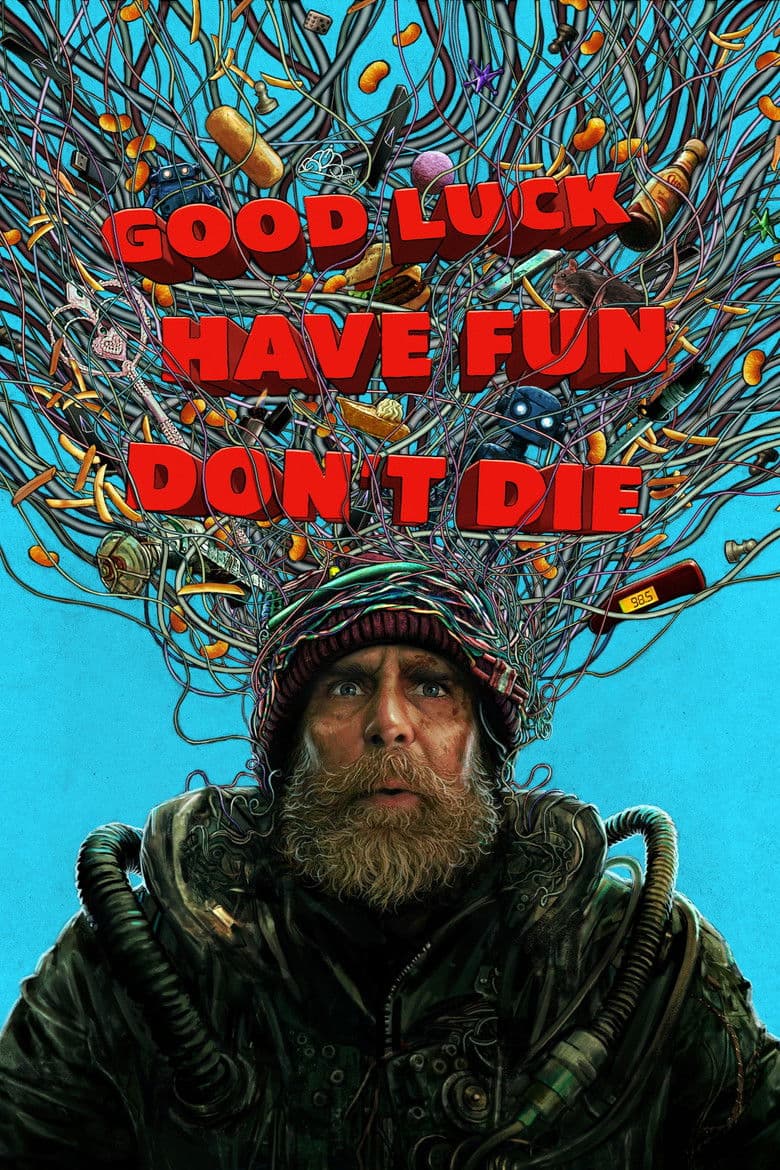
Movie review
Sam Rockwell plays a tired man who says he came from the future. He bursts into a Los Angeles diner and recruits strangers for one more attempt to stop an artificial intelligence from destroying humanity. The group includes two teachers, a grieving mother, a troubled young woman, and other people who seem unready for danger. Their one-night mission moves through schools, streets, and strange digital worlds. The movie uses dark jokes, loud action, time loops, and strange images.
The film keeps returning to people staring at phones, social media feeds, virtual reality, and AI systems that replace real life with easy comfort. A teacher couple sees students follow their screens instead of lessons, while a grieving mother faces companies that sell ad-filled clones of dead children after school shootings. Ingrid's allergy to phones makes her a key part of the fight, and the story treats real human contact as the answer to digital control. These ideas shape the mission and give the fast, messy comedy its serious warning.
Community feedback
Was our 7% Woke rating accurate?
Breakdown
These are the editorial factors and ratings behind our score for Good Luck, Have Fun, Don't Die.
Woke representation / casting
Not present. Diverse ensemble fits a realistic modern Los Angeles diner without audience-visible identity signaling, quota-style emphasis, or story-mismatched "brilliant" tropes tied to race or gender. Roles serve the recruitment plot and personal arcs.
0%
Woke political dialogue
Not present. Conversations center on tech addiction, mission urgency, and character backstories rather than identity, systemic critiques, or activist talking points.
0%
Identity-driven story themes
Not present. The narrative revolves around humanity versus rogue AI, ordinary people stepping up, and the cost of digital distraction; no themes of racial, gender, queer, or oppression-based identity drive the story or character arcs.
0%
Western institutional / cultural critique
The film repeatedly attacks phone addiction, social media feeds, and AI taking control of daily life. The teacher story shows students following their screens instead of lessons. Susan's story mocks companies that sell ad-filled clones after school shootings. The message is a broad warning about technology and public apathy, not a continuing attack on race, gender, religion, or conservative family life.
10%
Woke character or canon changes
Not relevant. The film is fully original with no established characters, source material, or historical figures altered for ideological or identity reasons.
0%
Anti-woke backlash and complaints
Not present. No meaningful public or media complaints accuse the film of pushing woke, DEI, identity politics, or left-wing activism. Reactions center on its anti-AI message and humor; any criticism targets execution, not ideology.
0%
Creator track record context
Verbinski's earlier work has included criticism of corporate greed, changed views of native American history, and concerns about technology. Robinson and the listed producers have mostly mainstream careers with little public activist or DEI work. The project has mild social-critique context, but it does not show a strong woke pattern.
12%
Production
Movie · 2025
Set against the backdrop of a postapocalyptic Earth whose Eastern Hemisphere was destroyed by a massive solar flare, leaving what life remains mutated from radiation and fallout.
Movie · 2024
Returning to her home planet, an infamous bounty hunter forms an unexpected alliance with a team of unlikely heroes.
Movie · 2021
A former special forces agent is trapped in a time loop and relives his death over and over again. To escape the terrible situation, he must track down those responsible and stop…
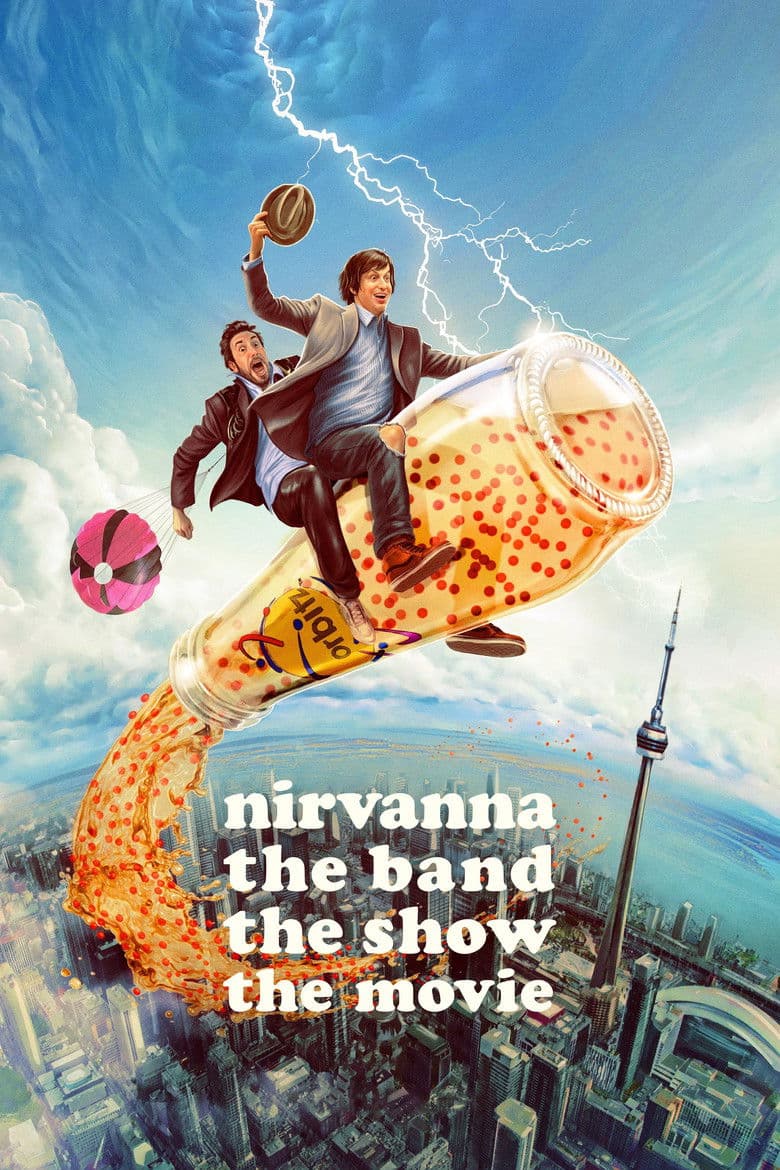
Movie · 2026
When their plan to book a show at the Rivoli goes horribly wrong, Matt and Jay accidentally travel back to the year 2008.
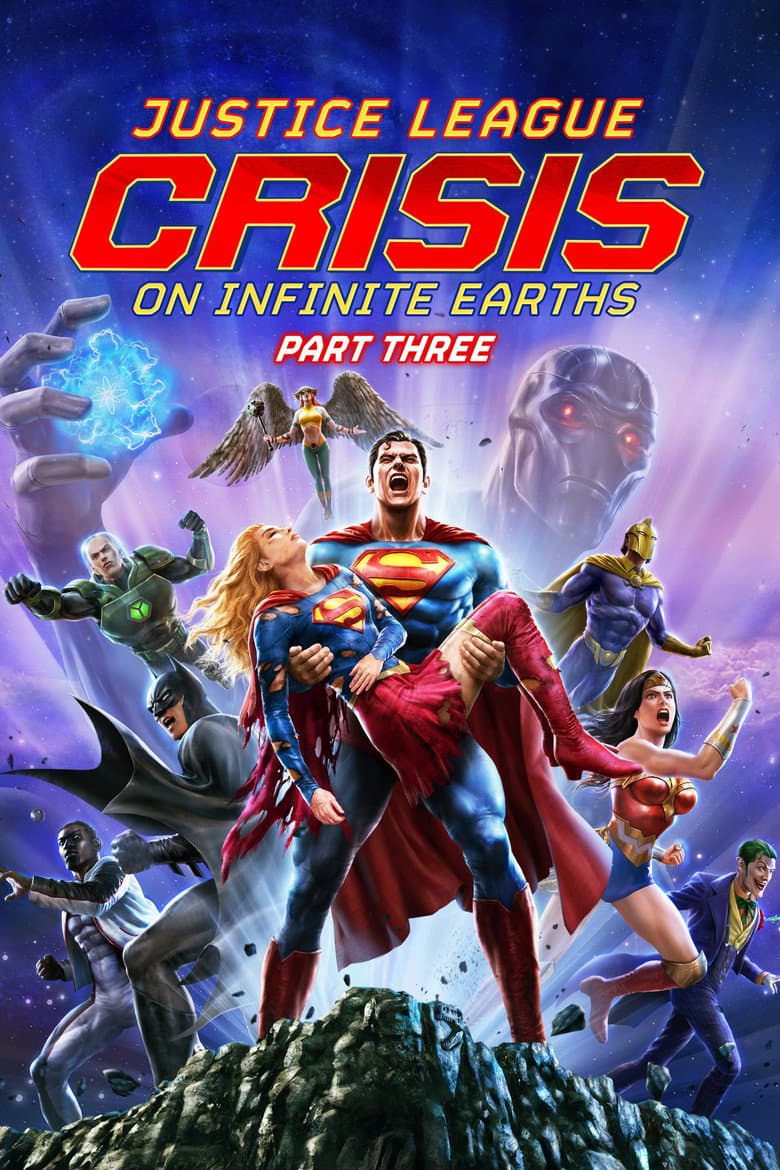
Movie · 2024
Now fully revealed as the ultimate threat to existence, the Anti-Monitor wages an unrelenting attack on the surviving Earths that struggle for survival in a pocket universe.
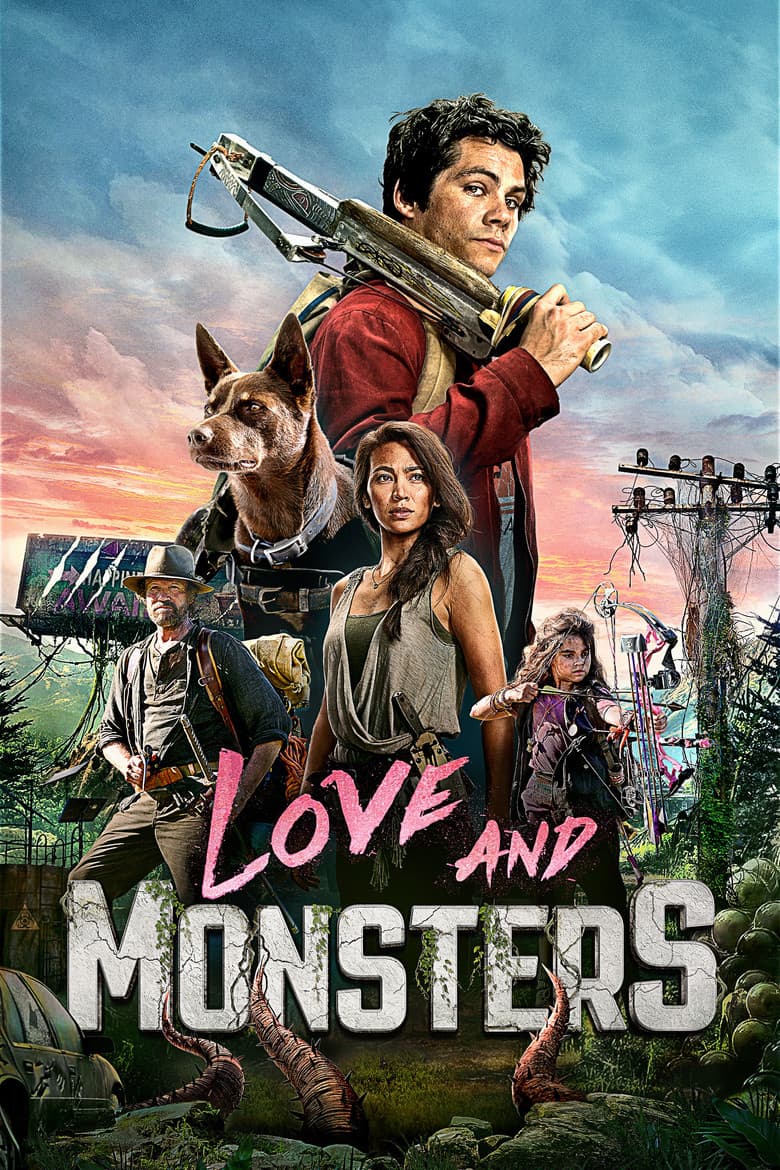
Movie · 2020
Seven years since the Monsterpocalypse began, Joel Dawson has been living underground in order to survive. But after reconnecting over radio with his high school girlfriend Aimee…
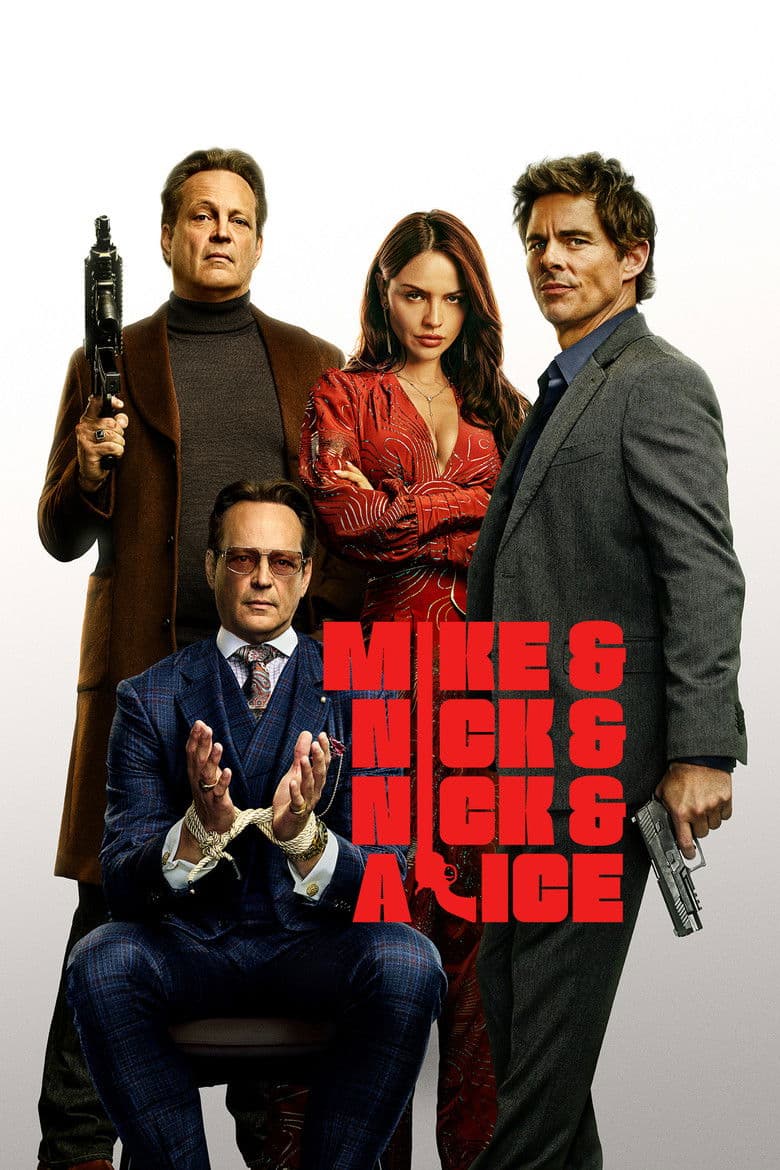
Movie · 2026
Two gangsters and the woman they love try to survive the most dangerous night of their lives. As if that wasn’t enough, there’s one wild ingredient added to the mix: a time…
Movie · 2022
The Red Ribbon Army, an evil organization that was once destroyed by Goku in the past, has been reformed by a group of people who have created new and mightier Androids, Gamma 1…
