
M is a broke university dropout in Bangkok who wants an easy way to make money. When his grandmother Amah is diagnosed with terminal cancer, M moves in and offers to care for her because he hopes to inherit her house. Other relatives soon compete for the same prize, so the home becomes a funny but tense place filled with old grudges, debt, and hidden motives. As M helps Amah sell congee, attend treatment, and face her final months, the scheme slowly turns into a real bond between a grandson and his grandmother.
The film has one clear identity-related thread about family gender roles. Amah and her daughter discuss the unfair pattern in which sons receive property while daughters do the care work and suffer the cost. The line is sharp and the issue matters to the family conflict, but it appears within a Thai-Chinese inheritance story rather than a modern activist campaign. The main message still asks viewers to value time, duty, forgiveness, and care more than money, status, or a house.
Community feedback
Was our 26% Woke rating accurate?
Breakdown
These are the editorial factors and ratings behind our score for How to Make Millions Before Grandma Dies.
Woke representation / casting
Not present. The main cast shows a Thai-Chinese family in Bangkok, and the casting fits the story’s local setting. The film does not present the cast as a diversity statement.
0%
Woke political dialogue
Amah’s daughter says that sons get property while daughters get cancer. The line points to a family rule that favors male heirs. The film uses the line in the inheritance conflict, but it does not build a wider political speech around it.
26%
Identity-driven story themes
The inheritance plot shows sons gaining property while a daughter does much of the caring. Amah’s history and the family’s fights make this gender pattern part of the emotional conflict. M learns that care and love matter more than the house, while the film stays focused on one family rather than a broad identity campaign.
30%
Western institutional / cultural critique
The film briefly criticizes a traditional family rule that favors sons over daughters. It shows the rule through Amah’s past and her daughter’s unpaid care. The story does not attack Western institutions, Christianity, capitalism, or conservatives.
12%
Woke character or canon changes
Not relevant. The film is an original Thai family story inspired by the creators’ lives. It does not alter a known character, book, franchise, or historical figure.
0%
Anti-woke backlash and complaints
Not present. The supplied X pass found no anti-woke complaints. Other coverage centered on praise, family memories, and crying reaction videos, with no sustained woke or DEI backlash.
0%
Creator track record context
Director Pat Boonnitipat has made stories about mental health, money, family duty, and social pressure, but his work is usually mainstream drama. Writer Thodsapon Thiptinnakorn has no clear activist or DEI pattern in the supplied record. Producer Jira Maligool has a notable past LGBTQ-centered film, yet that subject is not part of this movie. The wider producing team has little public record of identity politics.
15%
Production
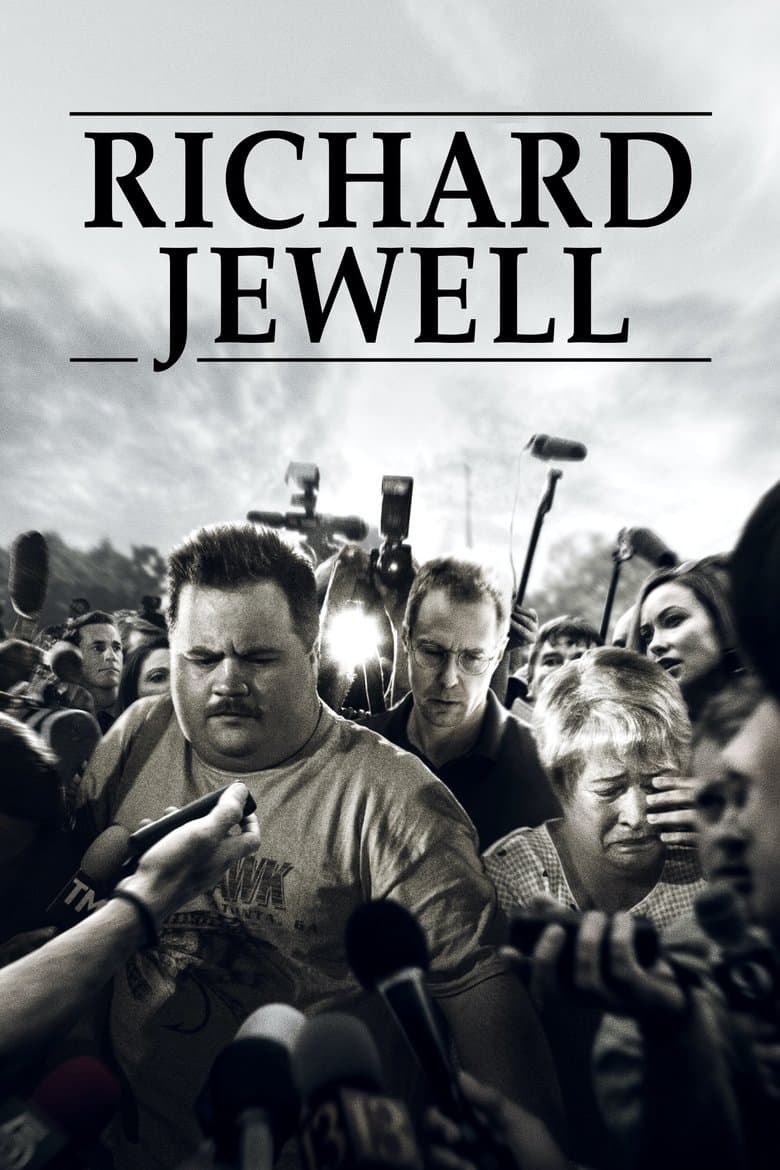
Movie · 2019
Richard Jewell thinks quick, works fast, and saves hundreds, perhaps thousands, of lives after a domestic terrorist plants several pipe bombs and they explode during a concert…
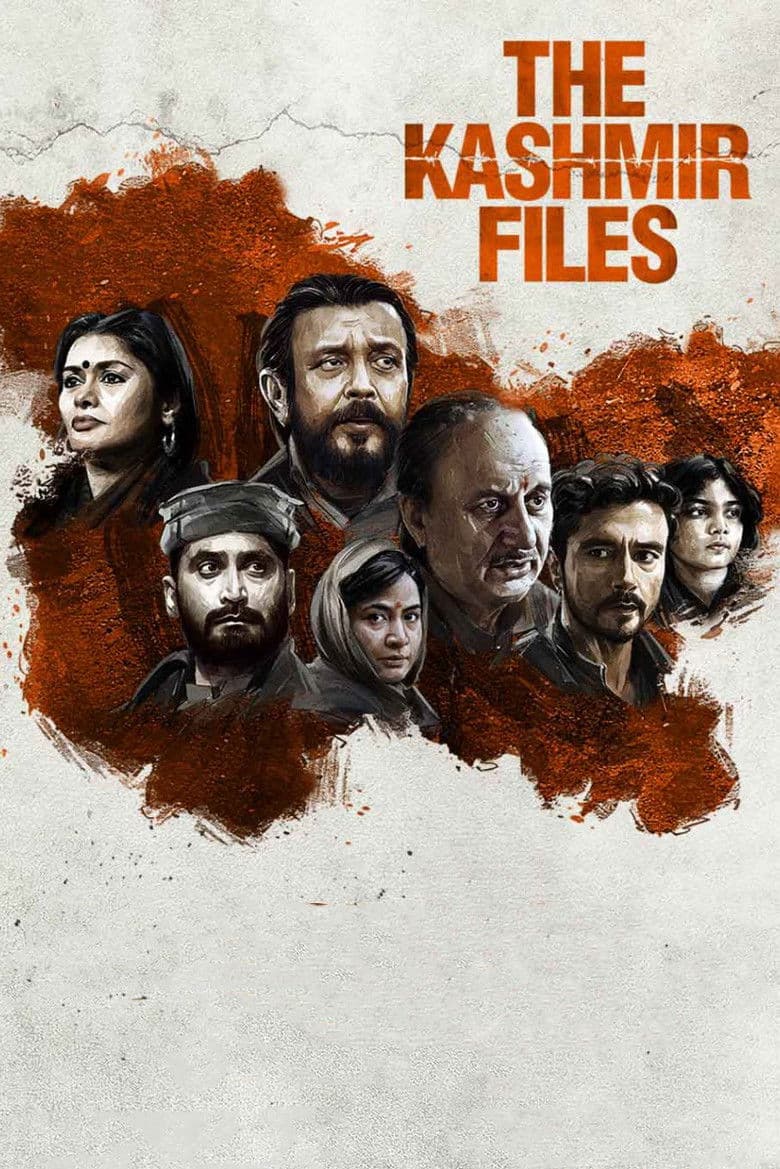
Movie · 2022
Based on a true tragedy, the emotionally triggering film sheds light on the plight of Kashmiri Pandits (Hindus), a religious minority in the 1990s Kashmir valley, who were…

Movie · 2016
WWII American Army Medic Desmond T. Doss, who served during the Battle of Okinawa, refuses to kill people and becomes the first Conscientious Objector in American history to…

Movie · 2016
After his older brother passes away, Lee Chandler is forced to return home to care for his 16-year-old nephew.

Movie · 2023
American ballet dancer Joy Womack is accepted into Moscow's infamously tough Bolshoi Ballet Academy, with the dream of becoming a great ballerina.
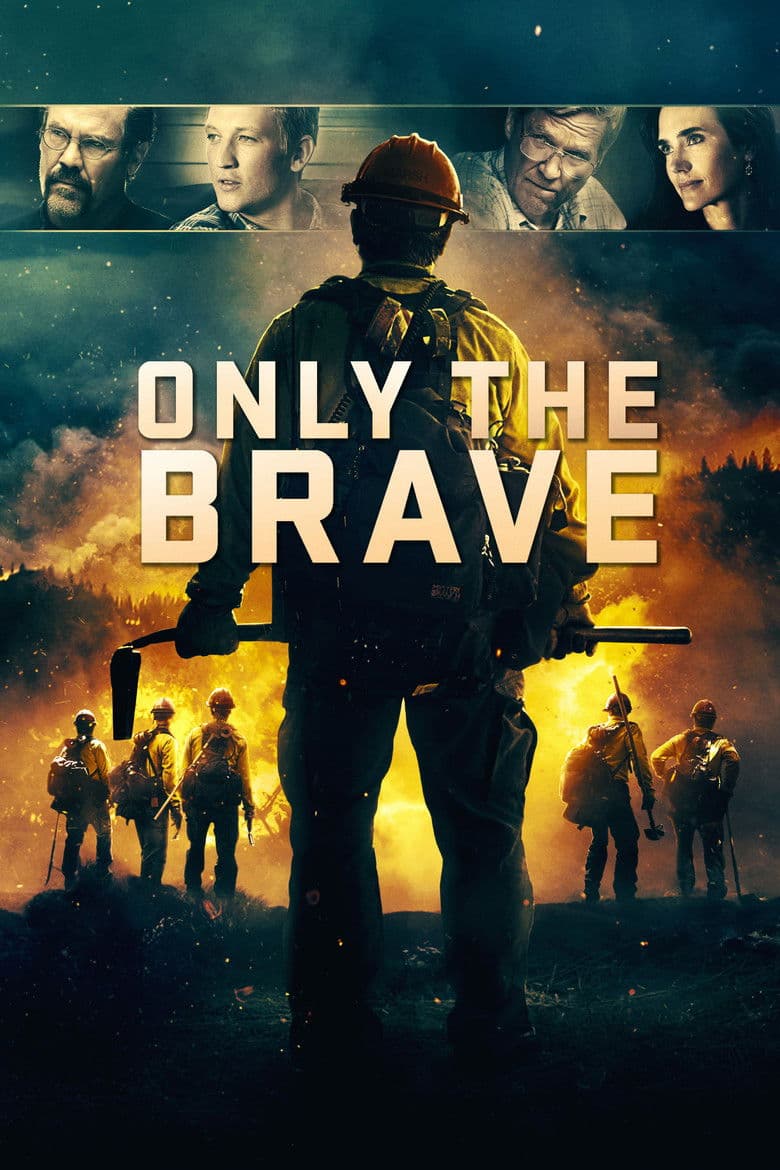
Movie · 2017
Members of the Granite Mountain Hotshots battle deadly wildfires to save an Arizona town.

Movie · 2023
The story of J. Robert Oppenheimer's role in the development of the atomic bomb during World War II.
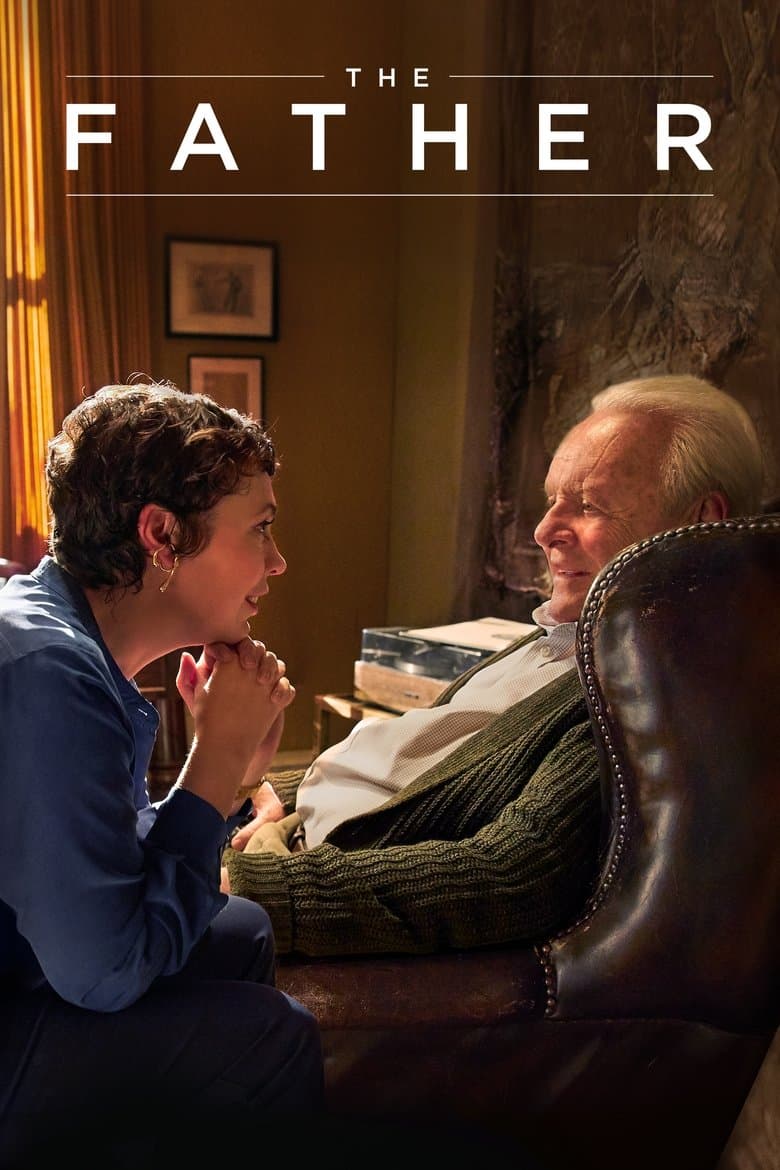
Movie · 2020
A man refuses all assistance from his daughter as he ages and, as he tries to make sense of his changing circumstances, he begins to doubt his loved ones, his own mind and even…
