Movie review
May 11, 2020 · 85 min · R · Documentary · Comedy
This Netflix comedy documentary is hosted in a light, silly way and is built from real celebrity interviews. Famous actors, comics, and musicians tell stories about taking mind-altering drugs like LSD, mushrooms, and peyote. Their tales are brought to life with bright cartoons and goofy reenactments. The tone is funny and chatty, with a mix of wild highs, scary bad trips, and softer talk about healing and feeling connected.
The film’s main push is to make psychedelic drugs less taboo and more open to talk about as both party experiences and possible medical tools for sadness, trauma, and addiction. Viewers will notice pro-drug-reform leanings, jokes that mock old scare-style anti-drug ads, and soft “we are all connected / love each other” trip talk. Race, gender, queer identity politics, and hard social-justice lectures are not the point of the story. A normal viewer would notice the drug-policy and therapy angle more than any identity agenda.
Community feedback
Was our 18% Woke rating accurate?
Breakdown
These are the editorial factors and ratings behind our score for Have a Good Trip: Adventures in Psychedelics.
Woke representation / casting
The roster includes many races and genders (for example Rosie Perez, A$AP Rocky, Reggie Watts, Ron Funches, Maya Erskine), but these are real celebs telling their own drug stories. The film does not sell itself as a diversity project or put people in roles as identity symbols. Casting looks like comedy-and-music world access, not quota-style role design.
5%
Woke political dialogue
Dialogue and framing favor open talk about psychedelics, careful use, and medical research after years of bans. That is progressive drug-policy talk more than race, gender, or identity lectures. A viewer may hear soft “love and connection” lines from trip stories, not activist slogans about modern identity groups.
15%
Identity-driven story themes
The spine of the movie is trip stories, cartoons of hallucinations, safety tips, and light science. Identity politics about race, gender, or sexuality do not drive the plot or message. Empathy and “we are connected” feel like classic psychedelic talk, not social-justice identity themes.
10%
Western institutional / cultural critique
The film teases old anti-drug scare ads and notes that past criminal rules shut down useful research. That is mild pushback on drug-war style bans and fear campaigns. It does not center attacks on patriarchy, whiteness, Christianity, or core family norms as the main idea.
10%
Woke character or canon changes
Not present in this title.
0%
Anti-woke backlash and complaints
No meaningful anti-woke or anti-DEI backlash campaign turned up in news or social search. Common complaints were that the film is shallow, celebrity-heavy, or too friendly to drugs—not that it pushes race/gender/queer agenda content.
0%
Creator track record context
Writer-director Donick Cary’s cached score is moderate (53), including a personal reckoning film on Native mascots. Ben Stiller and the casting director sit lower; most other producers are near zero. Overall creative context is mild-to-moderate, not a hard identity-activist crew for this title.
30%
Production
Movie · 2024
Matt Walsh goes deep undercover in the world of diversity, equity, and inclusion. Prepare to be shocked by how far race hustlers will go and how much further Matt Walsh will go to…
Movie · 2022
Follows the man who survived an assassination attempt by poisoning with a lethal nerve agent in August 2020. During his months-long recovery, he makes shocking discoveries about…
Movie · 2017
Jerry Seinfeld returns to the club that gave him his start in the 1970s, mixing iconic jokes with stories from his childhood and early days in comedy.
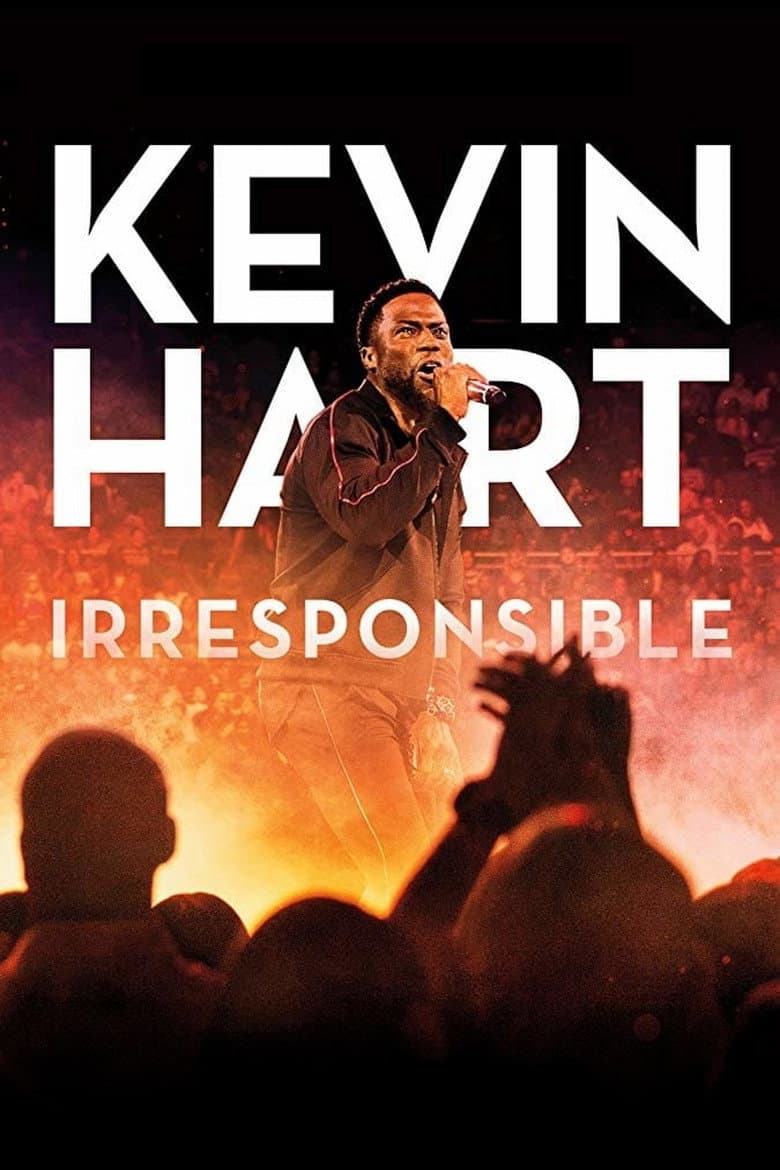
Movie · 2019
Stand-up comedian Kevin Hart talks about his family, travel and a year full of reckless behavior in front of a live sold-out crowd in London.
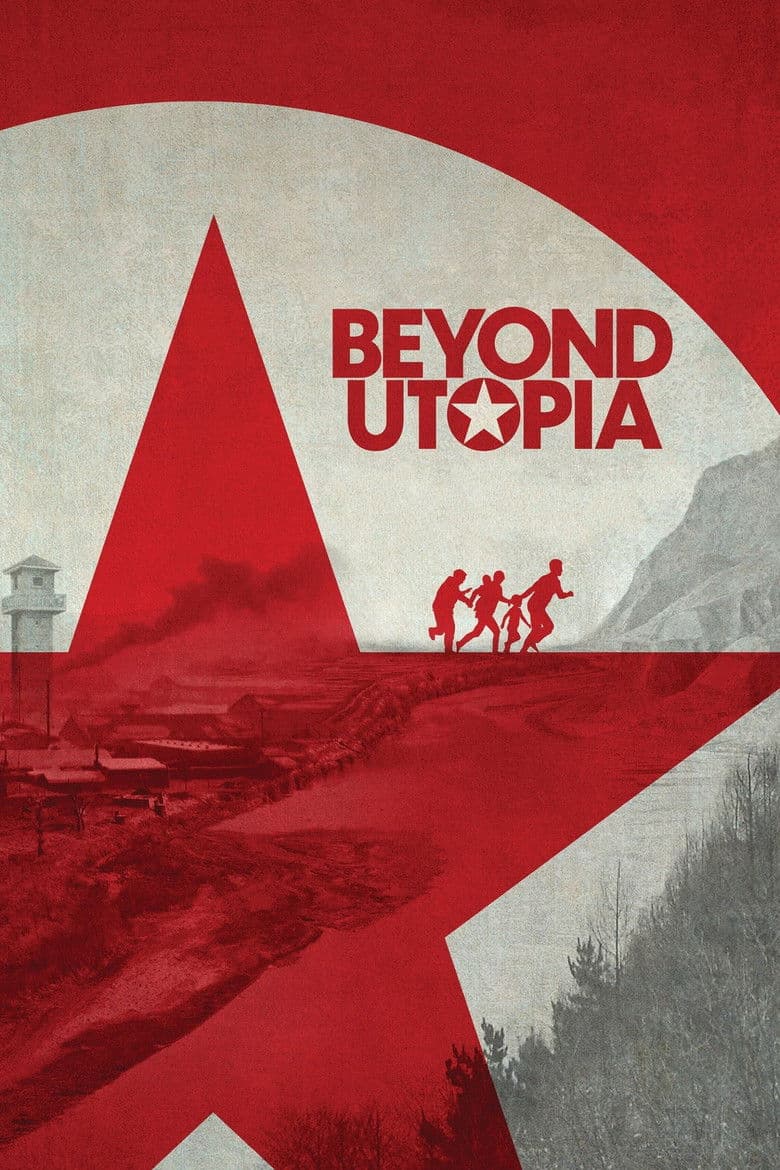
Movie · 2023
A courageous pastor uses his underground network to rescue and aid North Korean families as they risk their lives to embrace freedom.
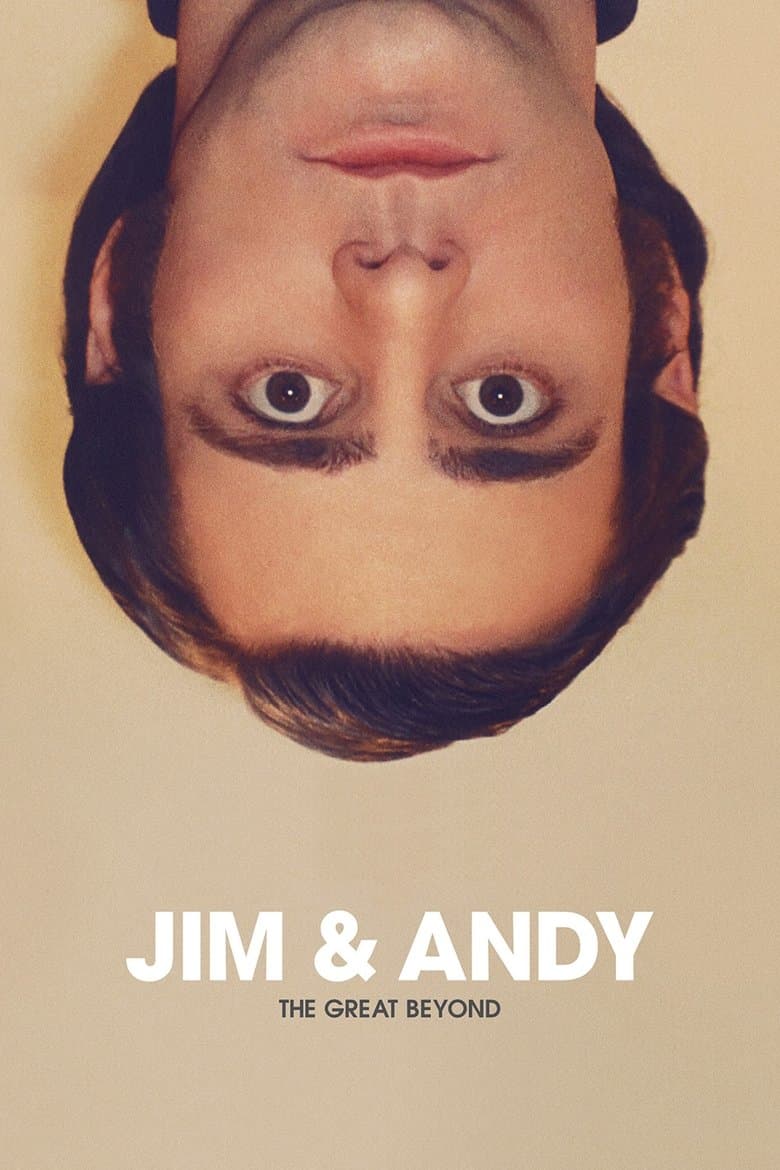
Movie · 2017
Offbeat documentarian Chris Smith provides a behind-the-scenes look at how Jim Carrey adopted the persona of idiosyncratic comedian Andy Kaufman on the set of Man on the Moon.
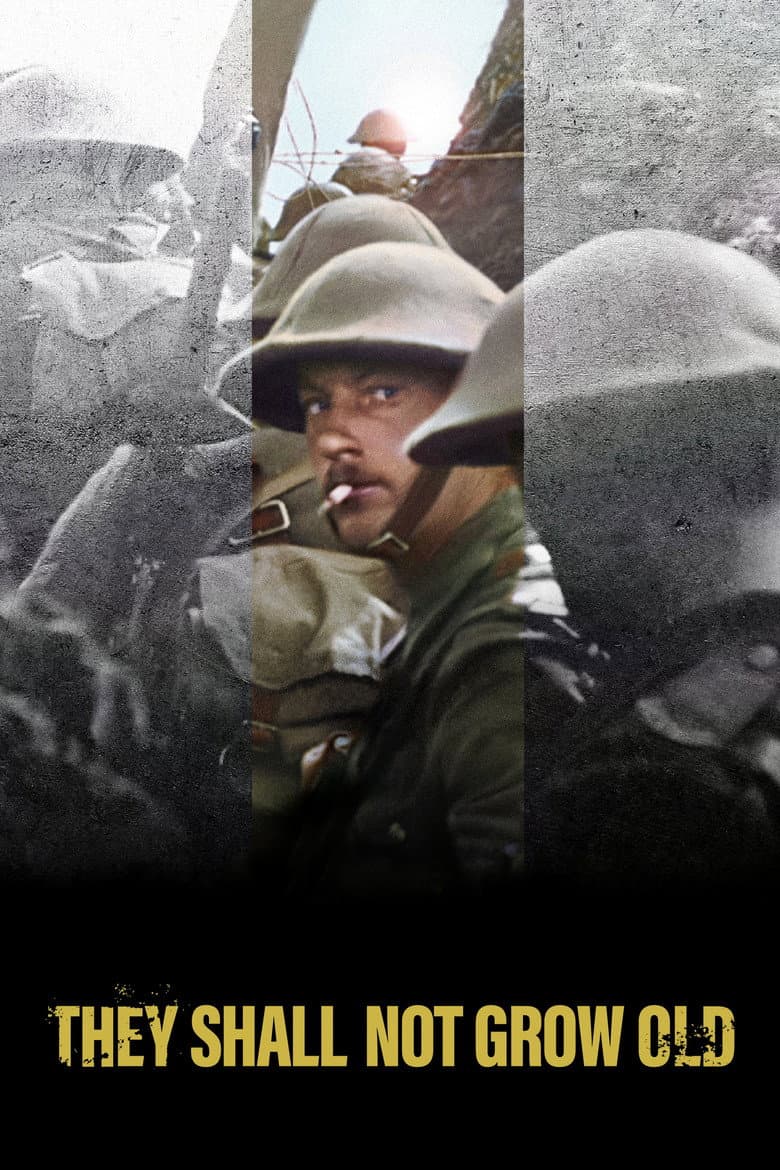
Movie · 2018
A documentary about World War I with never-before-seen footage to commemorate the centennial of Armistice Day, and the end of the war.
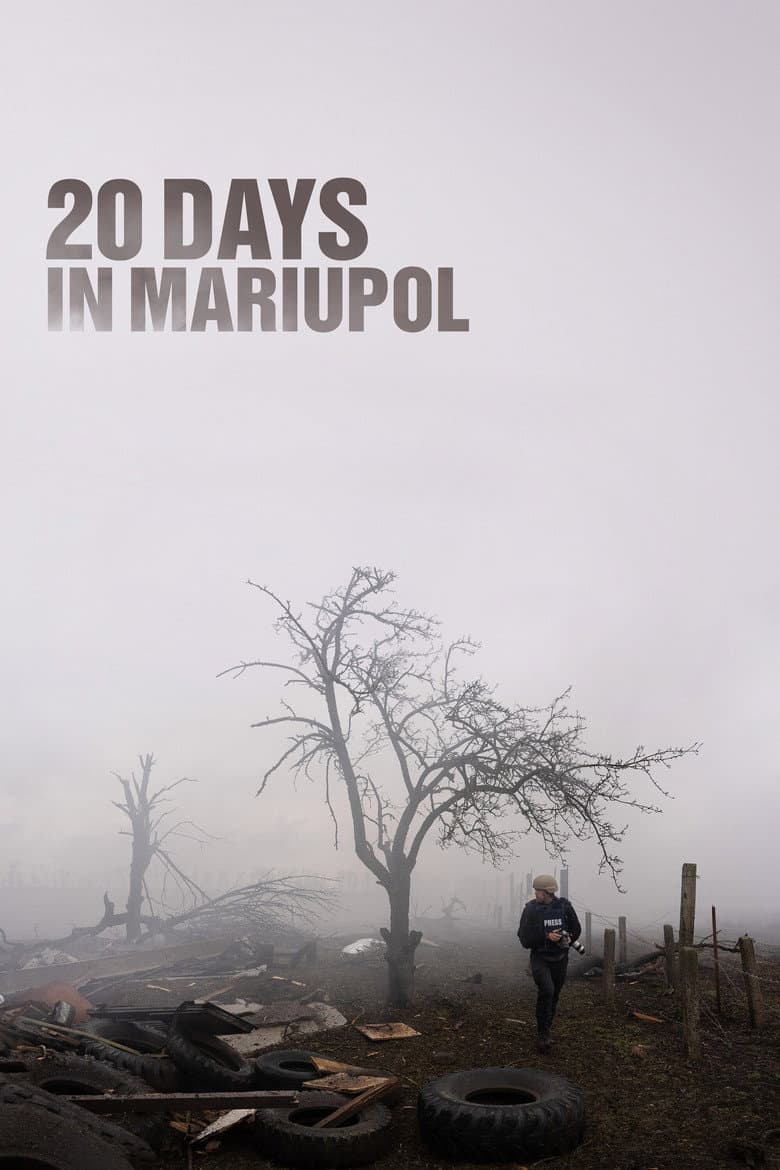
Movie · 2023
As the Russian invasion begins, a team of Ukrainian journalists trapped in the besieged city of Mariupol struggle to continue their work documenting the war's atrocities.
