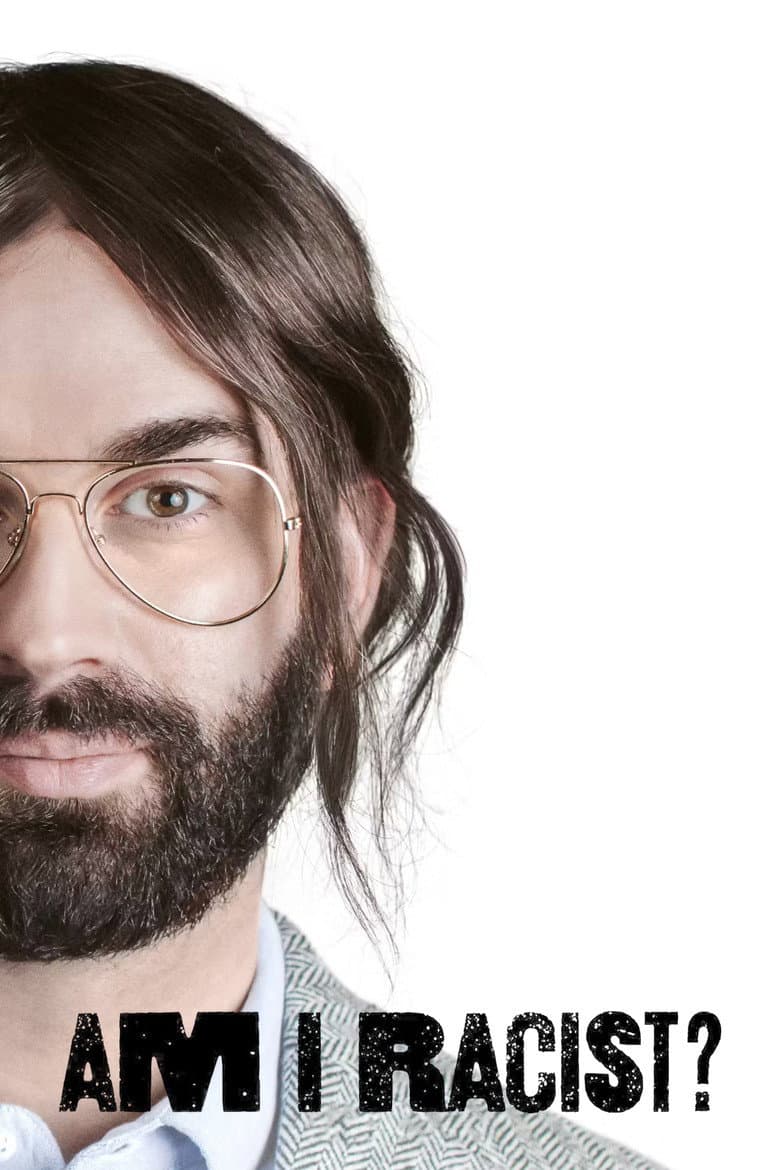
Matt Walsh is the main figure in this satirical documentary comedy. He says he wants to learn whether he is racist, then goes undercover as a clumsy DEI trainee. He takes online courses, joins workshops, and pays for meetings with anti-racism teachers and consultants. The film moves through training rooms, paid dinners, and interviews, using hidden cameras, awkward jokes, and fake confusion to expose the people he meets.
Race and racial identity drive almost every part of the story. The film repeatedly shows ideas about white guilt, white fragility, systemic racism, cultural appropriation, reparations, and decentering whiteness. Walsh presents these ideas as confusing rules that can shame ordinary people and create paid work for experts. The movie treats DEI training as a business built on fear and shame, so its main message is anti-DEI rather than a call for more representation. Viewers will notice identity politics throughout, but the film rejects the claims made by the people it records.
Community feedback
Was our 0% Woke rating accurate?
Breakdown
These are the editorial factors and ratings behind our score for Am I Racist?.
Woke representation / casting
Not present. The film centers on Matt Walsh and real people appearing as themselves in DEI and anti-racism settings. The group is chosen because of the subject being examined, not to build a diversity-first cast. No identity-based casting message shapes the story.
0%
Woke political dialogue
DEI speakers repeatedly use terms such as white fragility, systemic racism, cultural appropriation, reparations, and decentering whiteness. Walsh also repeats this language while pretending to accept it in workshops and interviews. The film uses these talks as its main material, but its jokes and final message reject the speakers’ claims. The language is a major visible subject, even though the movie presents it as harmful or absurd.
0%
Identity-driven story themes
Race and racial identity are the movie’s central subject. Walsh joins anti-racism classes, seeks a DEI certificate, studies white guilt, and enters the Race2Dinner event. The film keeps asking whether white people must confess guilt, give money, or change how they see themselves. It presents those identity rules as a paid system and argues against them, but the focus remains central from start to finish.
0%
Western institutional / cultural critique
Not present. The film criticizes DEI programs in workplaces and social groups. It presents that criticism as a defense of ordinary American norms, not as an activist attack on Western institutions, family life, religion, or traditional roles.
0%
Woke character or canon changes
Not relevant. The film does not adapt a fictional work or change an established character. Real people appear in a current documentary.
0%
Anti-woke backlash and complaints
Not present. The supplied X pass found no anti-woke complaints claiming that the film itself was woke, DEI-driven, or identity-focused. Reported criticism mainly called the film conservative propaganda or objected to its treatment of anti-racism.
0%
Creator track record context
Not present. The key writers and producers are described as conservative and anti-woke. No woke or identity-affirming creator pattern is identified in the supplied context.
0%
Production
Movie · 2017
Jerry Seinfeld returns to the club that gave him his start in the 1970s, mixing iconic jokes with stories from his childhood and early days in comedy.
Movie · 2019
Stand-up comedian Kevin Hart talks about his family, travel and a year full of reckless behavior in front of a live sold-out crowd in London.
Movie · 2022
Follows the man who survived an assassination attempt by poisoning with a lethal nerve agent in August 2020. During his months-long recovery, he makes shocking discoveries about…
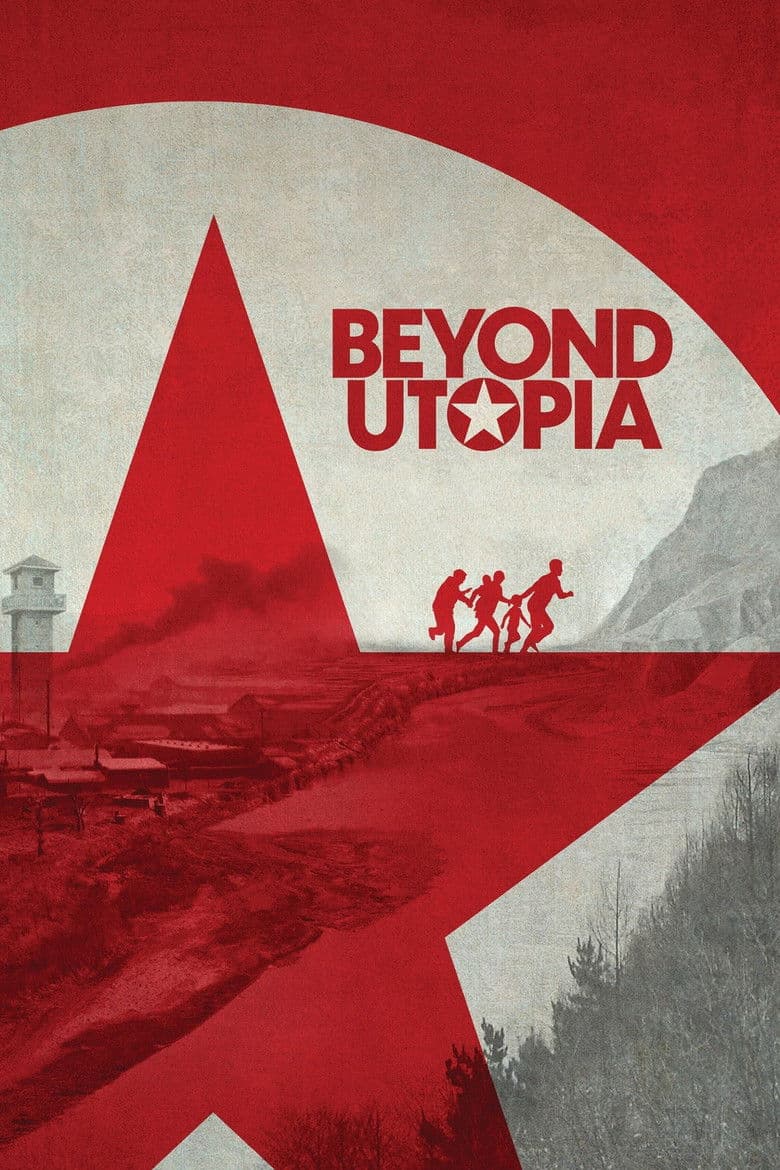
Movie · 2023
A courageous pastor uses his underground network to rescue and aid North Korean families as they risk their lives to embrace freedom.

Movie · 2023
As the Russian invasion begins, a team of Ukrainian journalists trapped in the besieged city of Mariupol struggle to continue their work documenting the war's atrocities.

Movie · 2018
A documentary about World War I with never-before-seen footage to commemorate the centennial of Armistice Day, and the end of the war.
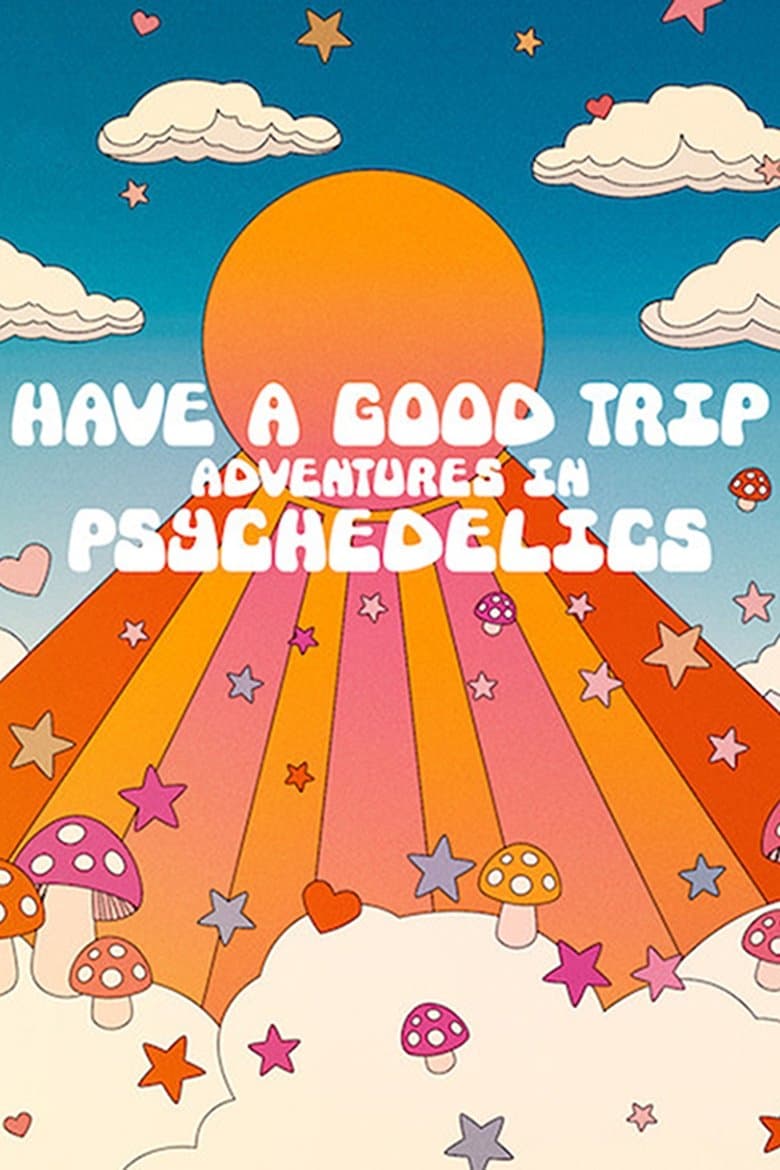
Movie · 2020
Celebrities recall their most mind-bending trips via animations, reenactments and more in this comedic documentary exploring the story of psychedelics.
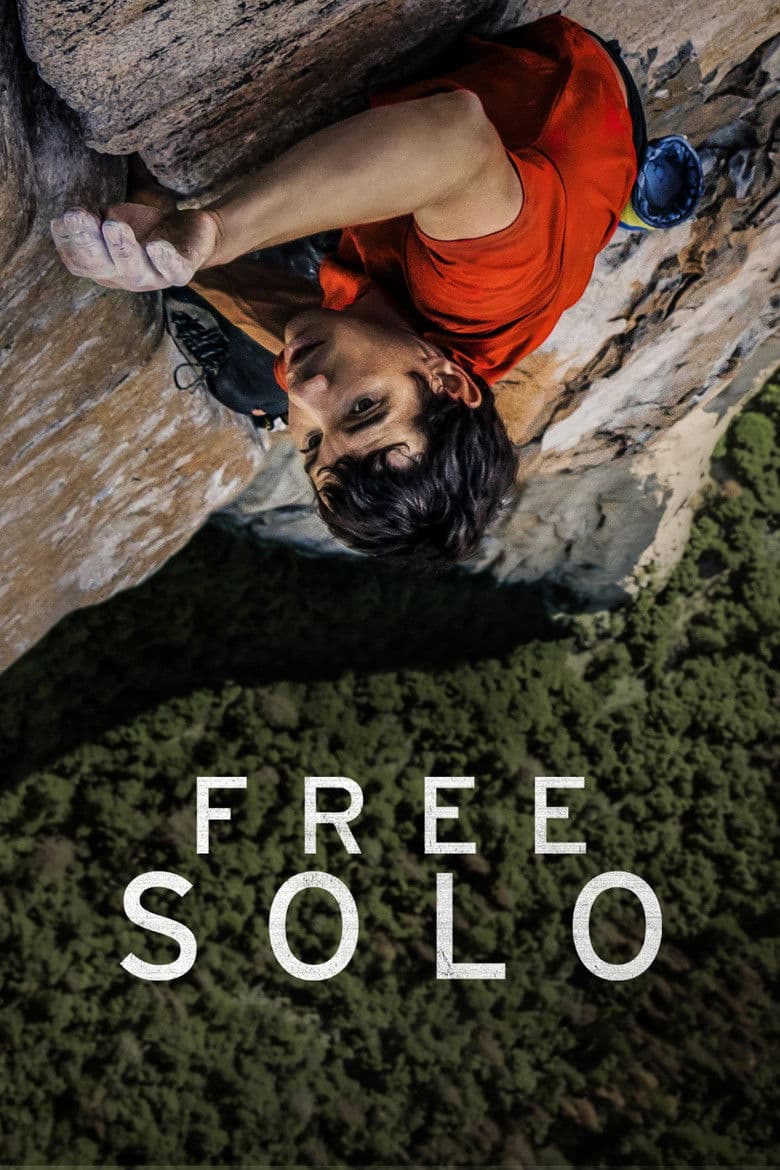
Movie · 2018
Follow Alex Honnold as he attempts to become the first person to ever free solo climb Yosemite's 3,000 foot high El Capitan wall.
