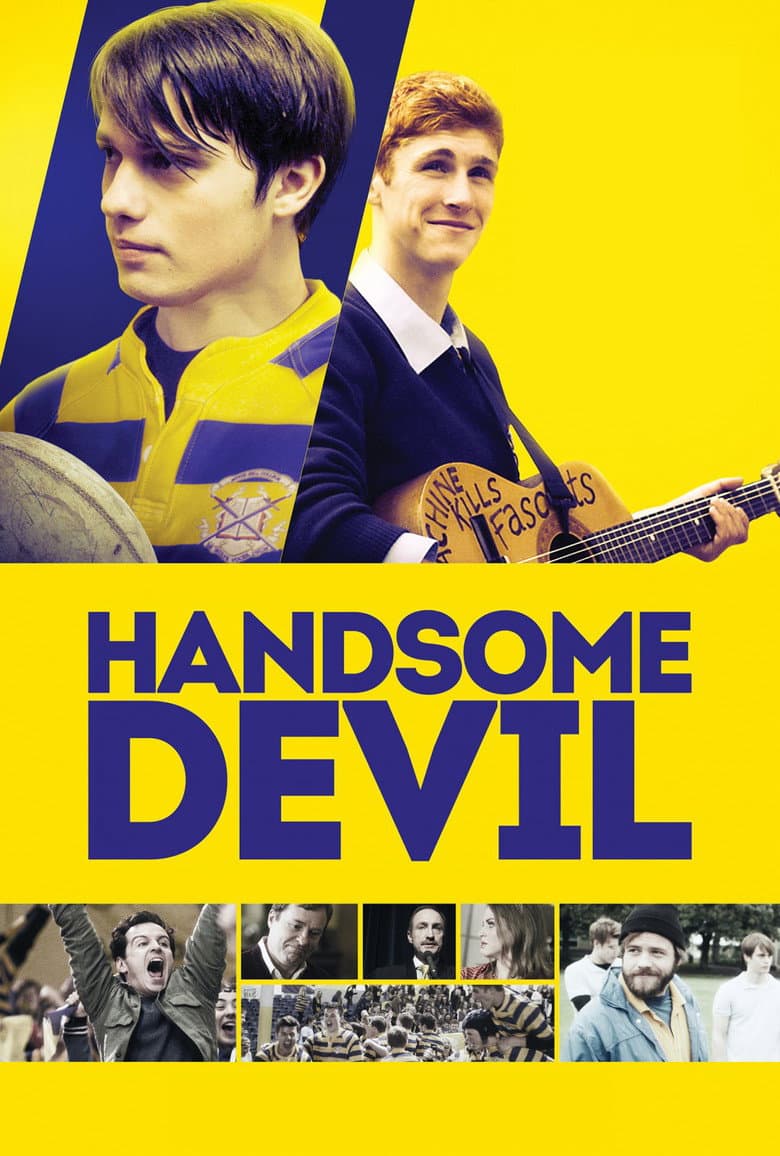
Handsome Devil follows Ned, a music-loving sixteen-year-old who feels trapped at a wealthy Irish boarding school where rugby controls almost every part of daily life. Ned is mocked because he does not act like the school’s tough sportsmen, and his new roommate Conor is a star rugby player who hides a painful secret. The boys slowly become friends through music, even as the rugby coach and other students try to pull Conor back into the team’s narrow world. The film mixes jokes, school drama, bullying, and warm moments as the boys learn what courage and loyalty mean.
The film makes queer identity a main part of its story, not a side detail. Conor is a closeted gay athlete, while Ned is targeted with gay insults and a trusted English teacher is also hiding his relationship with a man. The school treats rugby, hard masculinity, and fitting in as signs of worth, so the story attacks homophobia and the pressure to hide. The ending supports open self-acceptance and friendship, while showing that adults who protect the school’s image can hurt vulnerable students.
Community feedback
Was our 84% Woke rating accurate?
Breakdown
These are the editorial factors and ratings behind our score for Handsome Devil.
Woke representation / casting
The film centers on Conor, a gay rugby player, and Dan Sherry, a gay teacher. Ned is repeatedly treated as gay by classmates, even though the film leaves his sexuality open. These identity choices shape the friendship, school conflict, and ending. The main cast is otherwise mostly White Irish, so the pattern is mainly queer representation rather than broad racial diversity.
72%
Woke political dialogue
Mr. Sherry repeatedly tells the boys to find their own voice and stop copying other people. The film also has adults and students discuss hiding a gay identity and the harm caused by fitting into one narrow role. The final school scenes question why boys who do not fit the rugby culture are pushed aside. These messages recur, but the film does not give a long political speech.
44%
Identity-driven story themes
The film centers on Conor, a closeted gay rugby star, and his bond with Ned, who is bullied because others call him gay. The school treats rugby and hard masculinity as the only safe way to belong. The story praises openness, male friendship, and living without hiding one’s identity. The gay teacher’s fear and honesty make queer acceptance part of the main ending.
90%
Western institutional / cultural critique
The school is shown as a system that prizes rugby over learning and ignores bullying. Coach Pascal uses homophobic insults and pressures Conor to choose the team over his private life. The headmaster first protects the school’s image and rugby hopes, though he later acts more fairly. The story criticizes macho school culture and adult failure, not Western culture as a whole.
50%
Woke character or canon changes
Not relevant. The film is an original story, so it does not change established characters, source material, or historical figures.
0%
Anti-woke backlash and complaints
Not present. The available reaction was mostly positive or neutral. No anti-woke complaints, boycott, or review-bombing were found.
0%
Creator track record context
John Butler has a strong LGBT-focused track record and has said he feels responsible for including LGBT characters. Robert Walpole and Rebecca O’Flanagan have some queer-focused work and representation links. Louise Kiely has no known activist record. This context matches the film’s focus on gay characters and homophobia.
55%
Production
Movie · 2018
In 1990s Los Angeles, a 13-year-old spends his summer navigating between a troubled home life and a crew of new friends he meets at a skate shop.

Movie · 2016
Two high school girls are best friends until one dates the other's older brother, who is totally his sister's nemesis.

Movie · 2023
A curmudgeonly instructor at a New England prep school is forced to remain on campus during Christmas break to babysit the handful of students with nowhere to go.

Movie · 2017
An aspiring actor in Hollywood meets an enigmatic stranger by the name of Tommy Wiseau, the meeting leads the actor down a path nobody could have predicted; creating the worst…

Movie · 2024
When a construction worker unexpectedly joins a local theater's production of Romeo and Juliet alongside his estranged teenage daughter, the drama onstage starts to mirror his own…
Movie · 2017
When dictator Joseph Stalin dies, his parasitic cronies square off in a frantic power struggle to become the next Soviet leader.
Movie · 2018
Vignettes weaving together the stories of six individuals in the old West at the end of the Civil War. Following the tales of a sharp-shooting songster, a wannabe bank robber, two…
Movie · 2022
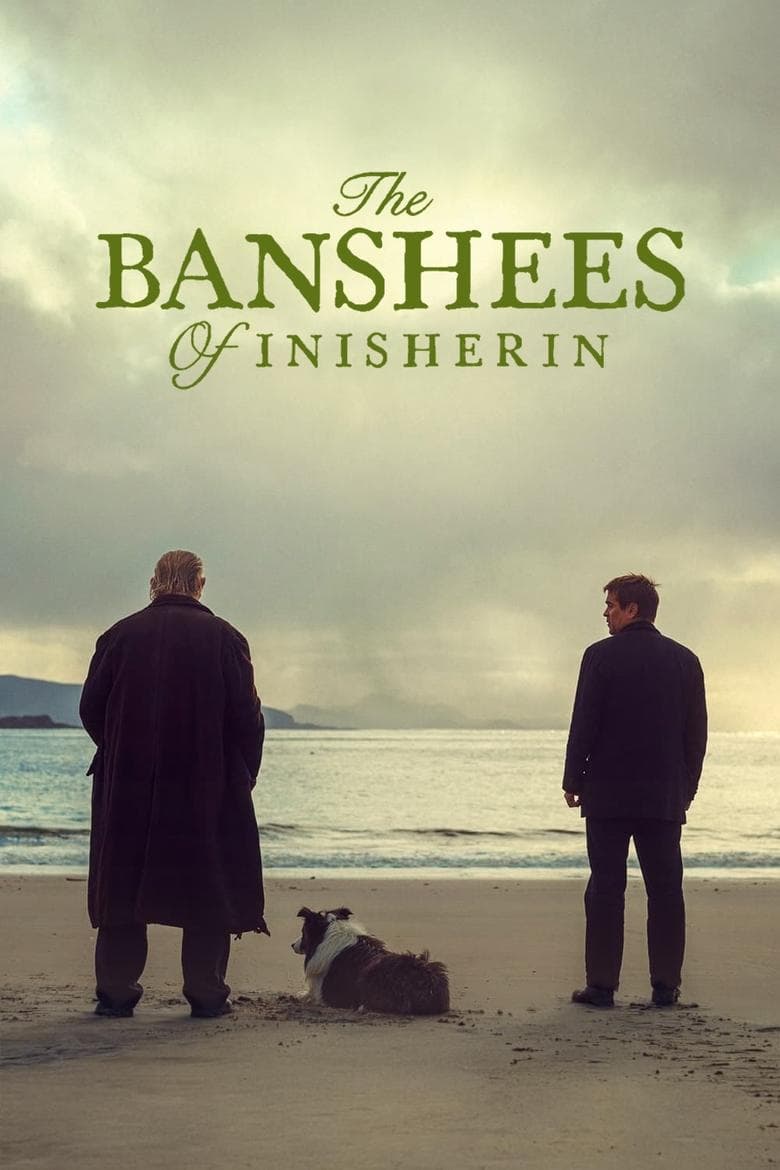
Two lifelong friends find themselves at an impasse when one abruptly ends their relationship, with alarming consequences for both of them.
