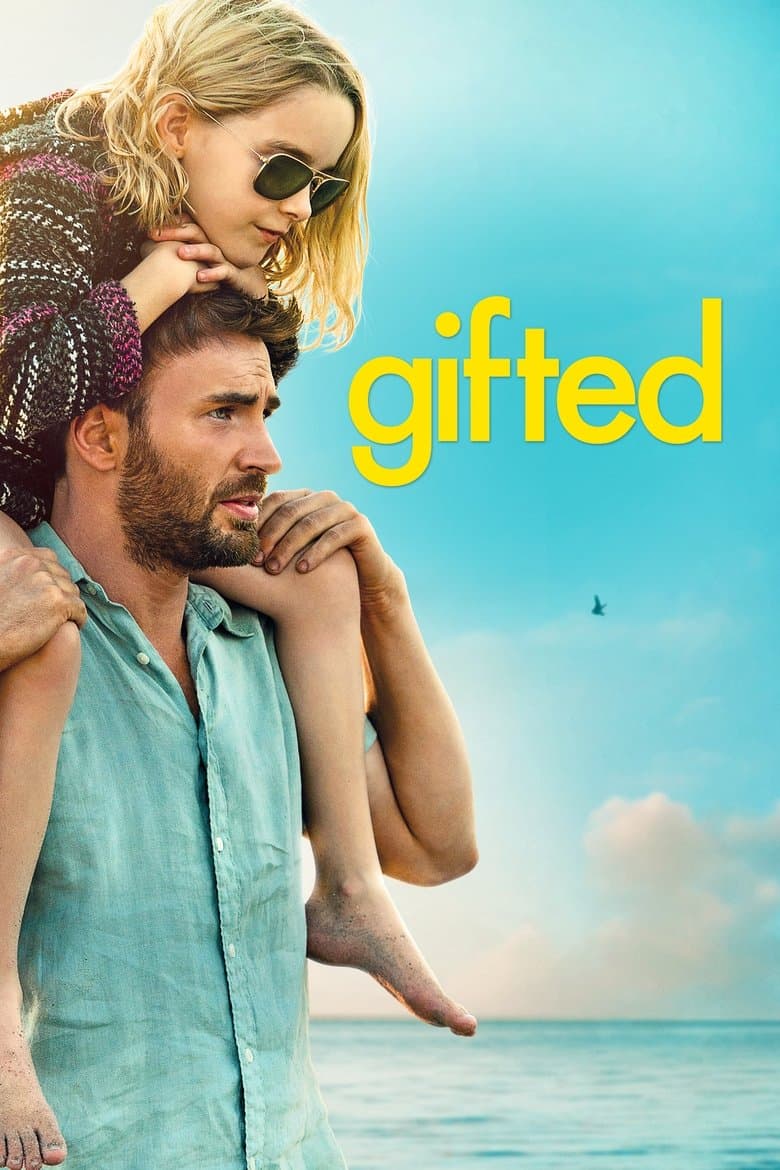
Frank Adler raises his seven-year-old niece Mary in a small Florida town. Mary can solve very hard math problems, but Frank wants her to attend a normal school and enjoy an ordinary childhood. Frank's mother, Evelyn, wants custody so she can send Mary to a special school and train her talent. The custody fight is warm and funny in some scenes, but it also deals with grief, family pain, and suicide.
Mary is a girl math prodigy, and her late mother was also a math genius. The story treats Frank, Mary, their teacher Bonnie, and their neighbor Roberta as a real family built around care rather than a standard two-parent home. The film supports a child's need for friends and joy, while it warns against turning a gifted child into a project. The ending joins talent, love, and school in a way that lets Mary keep her childhood and her future.
Community feedback
Was our 30% Woke rating accurate?
Breakdown
These are the editorial factors and ratings behind our score for Gifted.
Woke representation / casting
Mary is a girl math prodigy, and her late mother is also a math genius. Marc Webb said he wanted to show female mathematicians so girls could see that they can do math. Octavia Spencer adds a visible black supporting character, but the film does not make her race a story issue. These choices create a clear but limited representation signal.
30%
Woke political dialogue
Not present. No activist speeches, identity-based arguments, or political lectures appear in any scenes. All conversations stay on family matters, schooling, and personal history.
0%
Identity-driven story themes
Frank raises Mary outside a standard two-parent home after her mother dies. The film treats Frank, Mary, Bonnie, and Roberta as a real family built around care. Marc Webb called the idea of making a nontraditional family an important progressive message. The plot keeps this idea tied to custody, school, grief, and love instead of a wider identity campaign.
29%
Western institutional / cultural critique
The film questions whether a wealthy private school and a court plan will serve Mary better than Frank's home and public school. Evelyn's money and elite education give her power, while Frank's poorer life is treated as loving but limited. The court and school mainly serve as settings for a family fight, not as broad attacks on Western institutions. Webb still linked the film to a progressive view of families outside the traditional model.
22%
Woke character or canon changes
Not relevant. This is an original story with no changes to established characters, canon, or historical figures for identity reasons.
0%
Anti-woke backlash and complaints
Not present. No meaningful public complaints or coverage treat the film as pushing woke, DEI, or left-wing identity content. Reception stayed focused on its emotional family drama.
0%
Creator track record context
Marc Webb has a low public activist profile, but his Gifted interview openly frames female mathematicians and a nontraditional family as progressive ideas. Tom Flynn and most producers have little public activist history. Ben Browning has a stronger link through Promising Young Woman, and David Rubin has backed wider diversity in casting. The group gives the film a mild creator track record signal.
18%
Production

Movie · 2022
Maurice Flitcroft, a dreamer and unrelenting optimist, managed to gain entry to The British Open Golf Championship qualifying in 1976 and subsequently shot the worst round in Open…
Movie · 2016
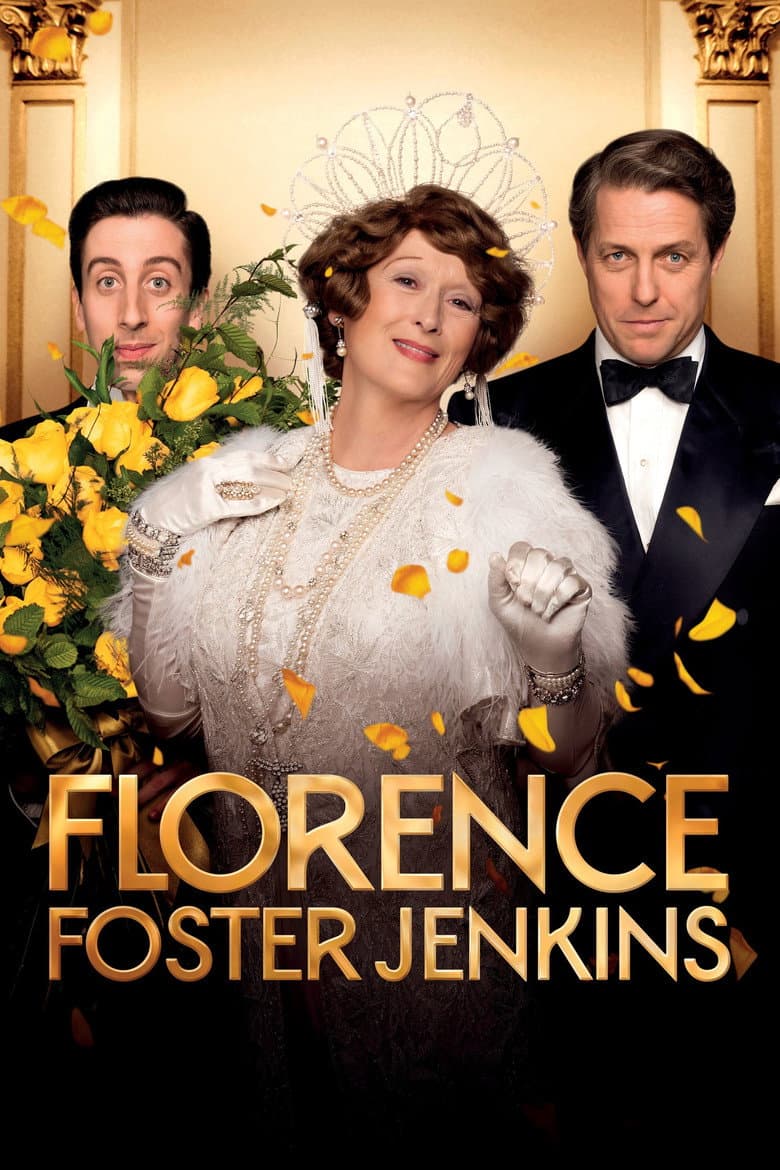
The story of Florence Foster Jenkins, a New York heiress, who dreamed of becoming an opera singer, despite having a terrible singing voice.

Movie · 2022
The remarkable true story of how retiree Jerry Selbee discovers a mathematical loophole in the Massachusetts lottery and, with the help of his wife, Marge, wins $27 million…

Movie · 2019
Ten fishermen from Cornwall are signed by Universal Records and achieve a top ten hit with their debut album of Sea Shanties.

Movie · 2018
The true story of Forrest Tucker, from his audacious escape from San Quentin at the age of 70 to an unprecedented string of heists that confounded authorities and enchanted the…

Movie · 2016
Two high school girls are best friends until one dates the other's older brother, who is totally his sister's nemesis.

Movie · 2025
An eccentric lottery winner who lives alone on a remote island tries to make his fantasies come true by getting his favourite musicians to perform at his home.

Movie · 2018
Vignettes weaving together the stories of six individuals in the old West at the end of the Civil War. Following the tales of a sharp-shooting songster, a wannabe bank robber, two…
