
Gaga: Five Foot Two follows Lady Gaga during a busy year in her life as she records and releases Joanne and prepares for the Super Bowl halftime show. The documentary moves between recording studios, homes, cars, medical visits, rehearsals, and packed fan events. Gaga tries to keep working while chronic pain, a breakup, loneliness, and fear about her changing career weigh on her. The tone is raw, personal, tense, and sometimes funny.
The film shows Gaga talking about womanhood, power, sex, and control over her public image. She says powerful women face opposition and that women are still treated as if they are owned. Gaga also makes a sexual joke about wanting Madonna to kiss her. She describes male producers as having special power over women and presents her bold performances as a way to take control. These ideas appear in a noticeable part of the film, but the main story remains about music, family, illness, fame, and personal pain.
Community feedback
Was our 47% Woke rating accurate?
Breakdown
These are the editorial factors and ratings behind our score for Gaga: Five Foot Two.
Woke representation / casting
Not present. The documentary follows real people rather than a cast chosen for identity variety. It does not show a repeated representation-first casting pattern.
0%
Woke political dialogue
Lady Gaga says women can face opposition when they gain power in relationships or business. She says women are still treated as if they are owned. She also describes male producers as having special power over women and says she is not a place for men to put their pain. The film includes a short Democratic National Convention performance, but it does not build a larger political speech around it.
39%
Identity-driven story themes
Lady Gaga builds part of her story around becoming a woman in the music business. She links her bold costumes and stage acts to keeping control when others want her to be sexy or pop. She says women face pressure and opposition when they become powerful. The film returns to these ideas, but it spends more time on her album, pain, family, breakup, and fame.
42%
Western institutional / cultural critique
Lady Gaga criticizes the power male producers can hold over women in the music business. She says powerful women are opposed and that women can be treated as property. The film presents her unusual performances as a way to resist that pressure. This critique is clear in several connected scenes, but it does not become a broad attack on Western institutions.
37%
Woke character or canon changes
Not relevant. The documentary follows the real Lady Gaga and does not change an established character, source, or historical figure.
0%
Anti-woke backlash and complaints
Not present. The reviewed news, audience, Reddit, and YouTube coverage contains no clear anti-woke complaint about the film. The supplied X research also found no anti-woke backlash, boycott, or review bombing.
0%
Creator track record context
Lady Gaga has a strong public record of LGBTQ+ advocacy and identity-focused messaging, and she is the film’s main subject and a producer. Chris Moukarbel has a moderate record of work about media, identity, and representation. Ben Cotner has made or backed several documentaries about civil rights and identity issues. The other listed producers have weaker or mainly business-focused records. This gives the project a clear creator track record context, even though the film itself is mainly a personal music documentary.
55%
Production
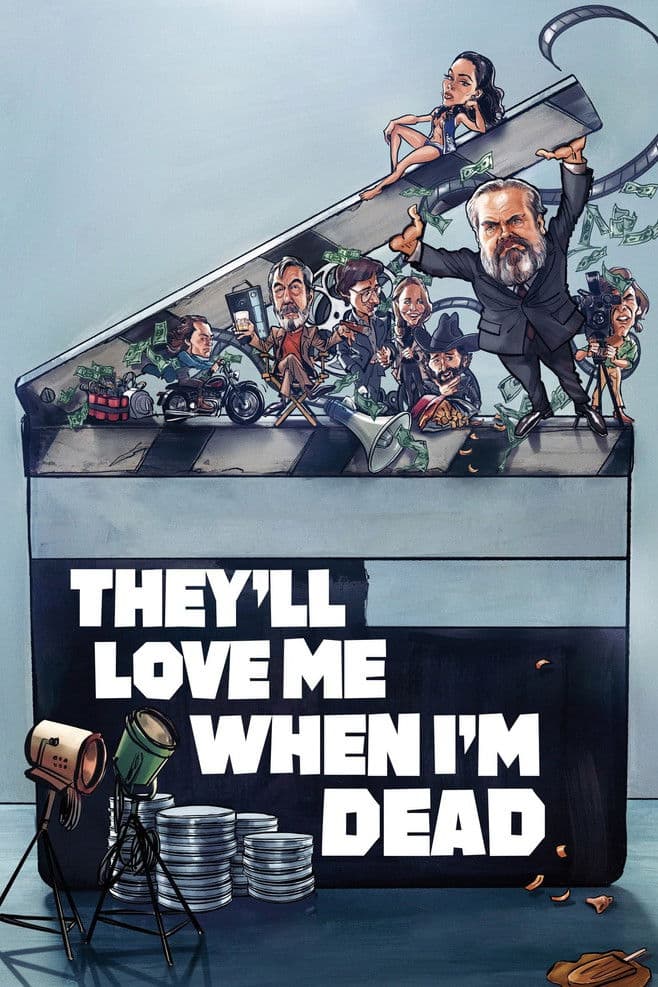
Movie · 2018
As his life comes to its end, famous Hollywood director Orson Welles puts it all on the line at the chance for renewed success with the film The Other Side of the Wind.
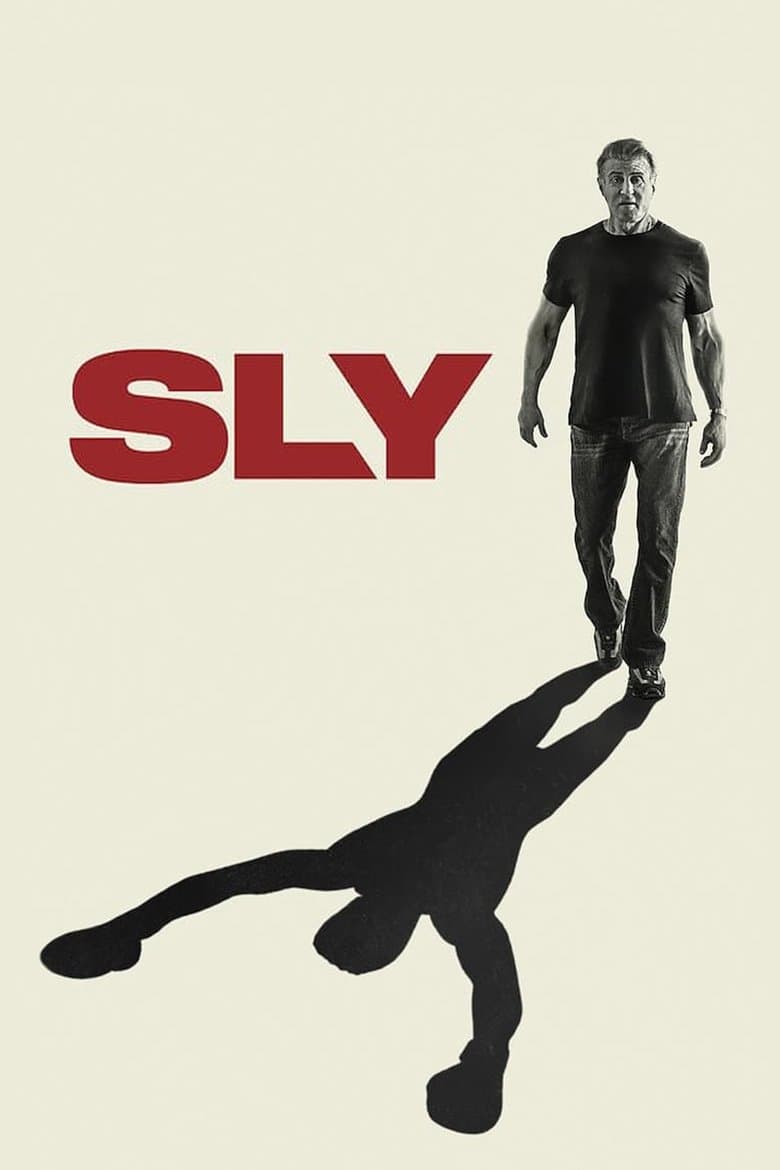
Movie · 2023
His love of film began as an escape from a rocky childhood. From underdog to Hollywood legend, Sylvester Stallone tells his story in this documentary.
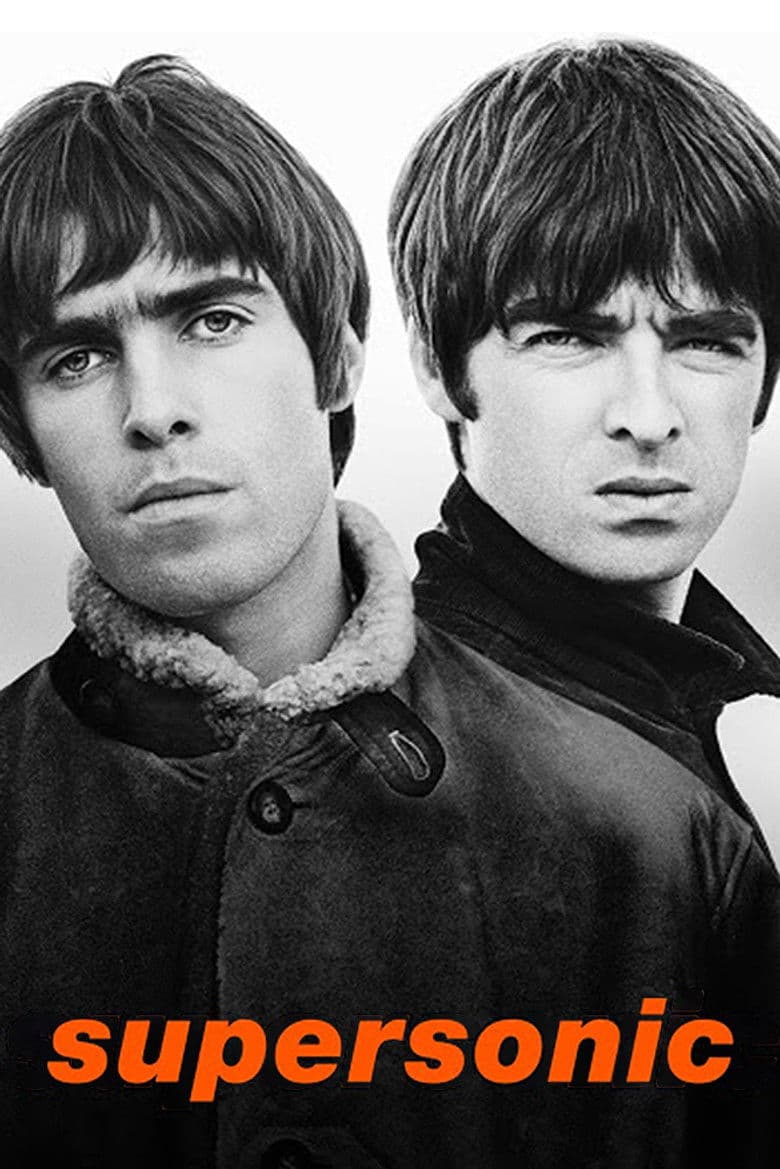
Movie · 2016
Supersonic charts the meteoric rise of Oasis from the council estates of Manchester to some of the biggest concerts of all time in just three short years.
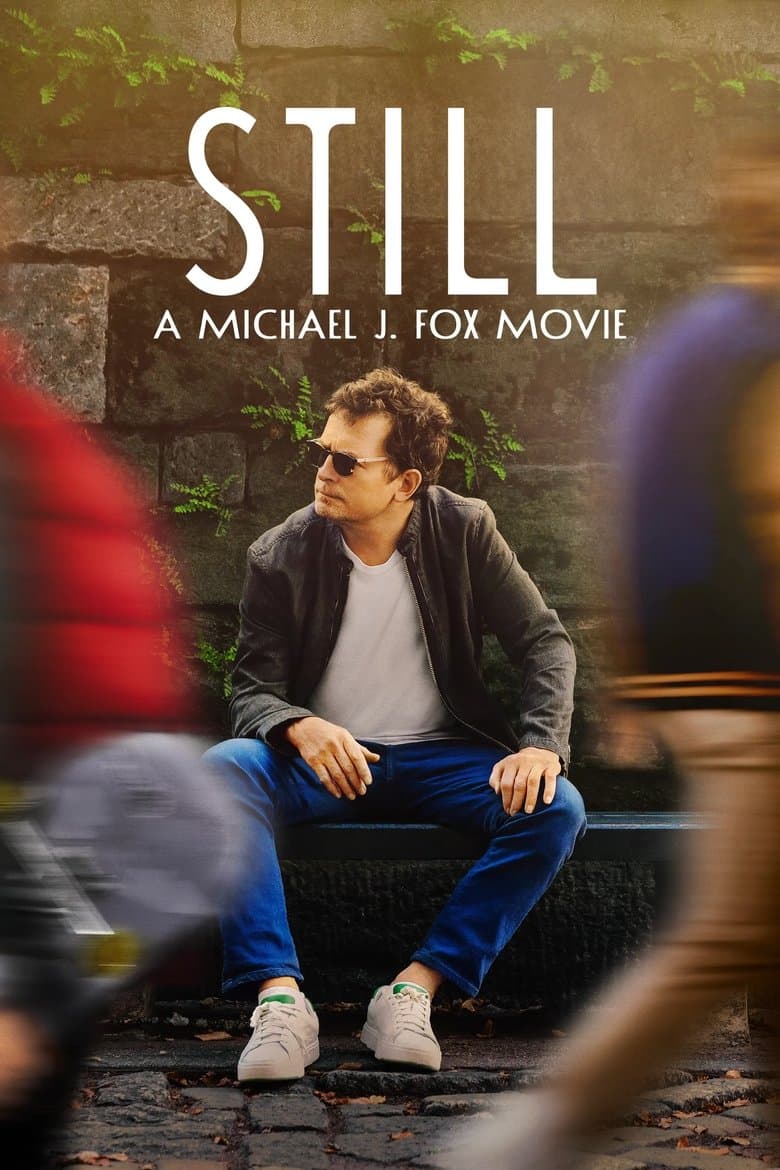
Movie · 2023
A short kid from a Canadian army base becomes the international pop culture darling of the 1980s—only to find the course of his life altered by a stunning diagnosis.
Movie · 2016
After being denied access to the Church of Scientology's headquarters, documentarian Louis Theroux teams up with ex-Scientology official Marty Rathbun to stage re-enactments of…
Movie · 2016
An intimate conversation between filmmakers, chronicling De Palma’s 55-year career, his life, and his filmmaking process, with revealing anecdotes and, of course, a wealth of film…
Movie · 2025
Vulgar, taunting texts blow up the phones of a teen and her boyfriend. Who's sending them — and why? This twisty documentary reveals the shocking answer.
Movie · 2016
The Beatles stormed through Europe's music scene in 1963, and, in 1964, they conquered America. Their groundbreaking world tours changed global youth culture forever and…
