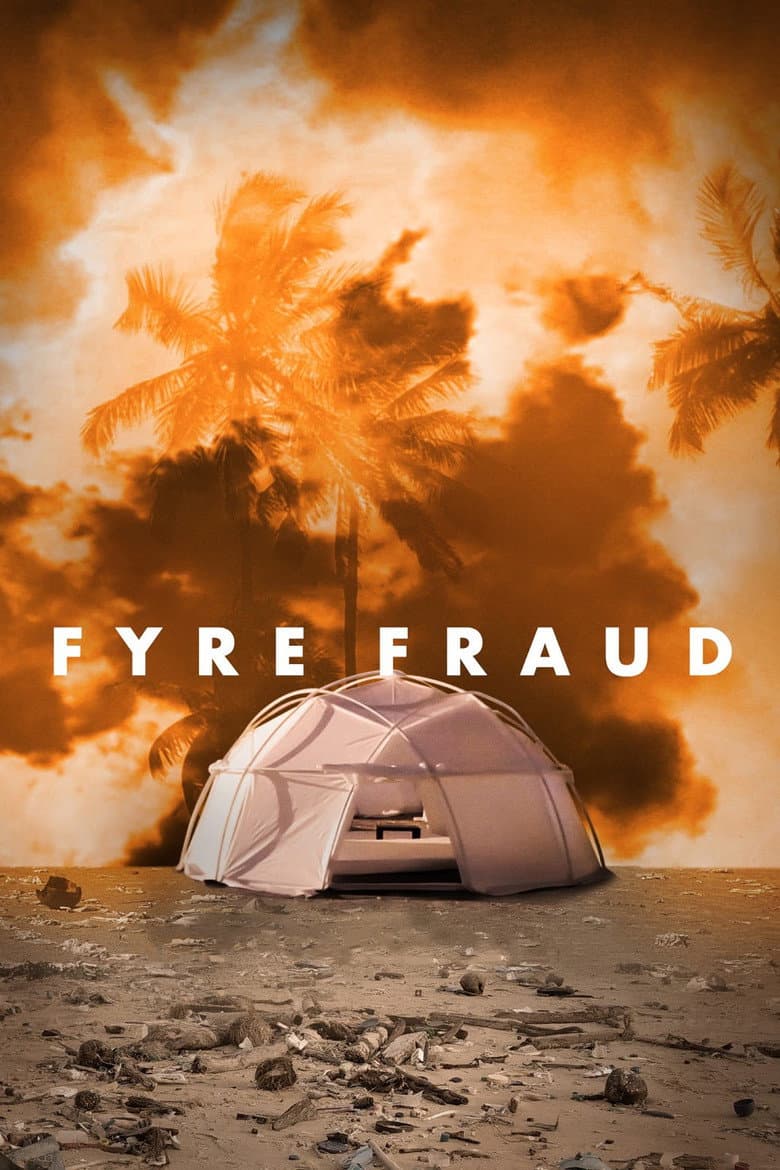
Fyre Fraud follows Billy McFarland, a young New York businessman who sells a luxury music festival in the Bahamas before he has built it. He and rapper Ja Rule use models, influencers, glossy videos, and big promises to attract wealthy guests. The festival opens with empty tents, poor food, missing performers, and confused travel plans, while workers and local vendors face unpaid bills. The film uses jokes, social media posts, news clips, and interviews to tell a fast and uneasy story about a famous scam.
The film treats the fraud as more than one man's bad choices. It links the event to millennial fear of missing out, online status, job pressure, debt, and the wish to look successful. Several speakers say modern business can reward people who sell a dream before they build a real product, and the ending compares this pattern with the Trump-era White House. These ideas return through the film, but the main story remains McFarland's lies and the damage they caused.
Community feedback
Was our 58% Woke rating accurate?
Breakdown
These are the editorial factors and ratings behind our score for Fyre Fraud.
Woke representation / casting
Not present. The film uses real participants from the festival, news, business, and social-media worlds. It does not frame their race, sex, or identity as a diversity message.
0%
Woke political dialogue
The speakers repeatedly connect the scam to the political climate after the 2016 election. The closing section compares the White House to another Fyre Festival and says America rewards people who treat others as marks. The film also presents debt, weak job prospects, and falling chances to move up as part of the story. These comments recur around the main fraud, but they do not replace it.
42%
Identity-driven story themes
The film treats online identity as something that can be built, sold, and used to create status. The speakers repeatedly describe fear of missing out, social pressure, debt, and the need to look successful online. The story says this culture helped Billy turn a fantasy into a product that people wanted to buy. The theme is important, but it centers on media habits and class rather than race, gender, or sexuality.
32%
Western institutional / cultural critique
The film presents startup finance, luxury culture, influencer marketing, and social media as systems that reward image before truth. The speakers link the scam to job pressure, debt, fewer chances to move up, and a business culture that sells dreams before building them. The film says the West Wing has its own Fyre Festival and says America rewards people who exploit others. The main target is still Billy's fraud, so the critique is strong but not the whole story.
56%
Woke character or canon changes
Not relevant. This documentary follows real people and a real festival. It does not change a known character, source story, or real event to make an identity point.
0%
Anti-woke backlash and complaints
Some reviewers and viewers objected to the film's comparison between Billy McFarland and Donald Trump. They called the comparison a forced political link or political activism that distracted from the fraud story. The complaint appeared in a few reviews and audience comments, while most reaction focused on the scam and the paid interview. The backlash was visible but limited.
30%
Creator track record context
Jenner Furst has a cached woke score of 60 and often makes documentaries about racial injustice, policing, prison failure, and institutional power. Julia Willoughby Nason has a cached score of 14 from similar but milder justice-focused work. Furst said this film should connect the festival to the political system and the current president. The writers and producers have little recorded identity activism, so the context is mainly Furst's track record.
46%
Production
Movie · 2019
An Iraqi journalist joins an army of uneasy allies and unforgettable characters in the epic battle to liberate the city of Mosul from the Islamic State.
Movie · 2021
This documentary offers a deeply intimate look at extraordinary teenager Billie Eilish. Award-winning filmmaker R.J.
Movie · 2016
An intimate conversation between filmmakers, chronicling De Palma’s 55-year career, his life, and his filmmaking process, with revealing anecdotes and, of course, a wealth of film…
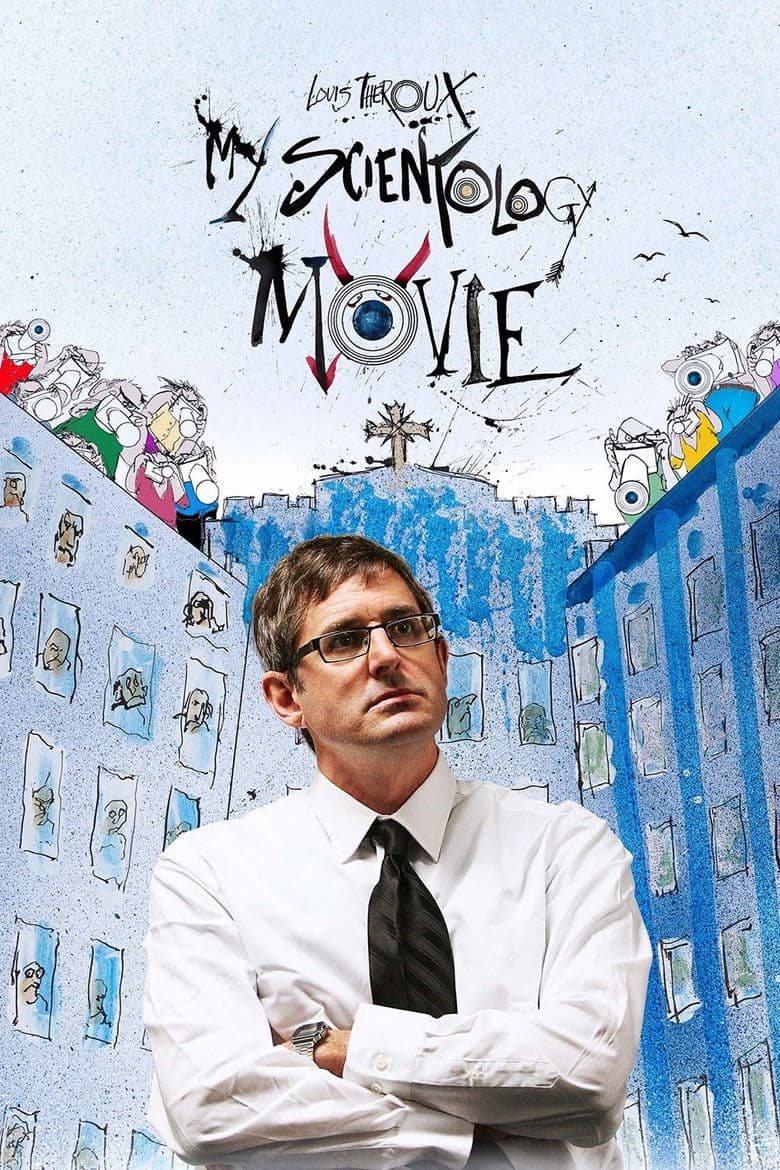
Movie · 2016
After being denied access to the Church of Scientology's headquarters, documentarian Louis Theroux teams up with ex-Scientology official Marty Rathbun to stage re-enactments of…
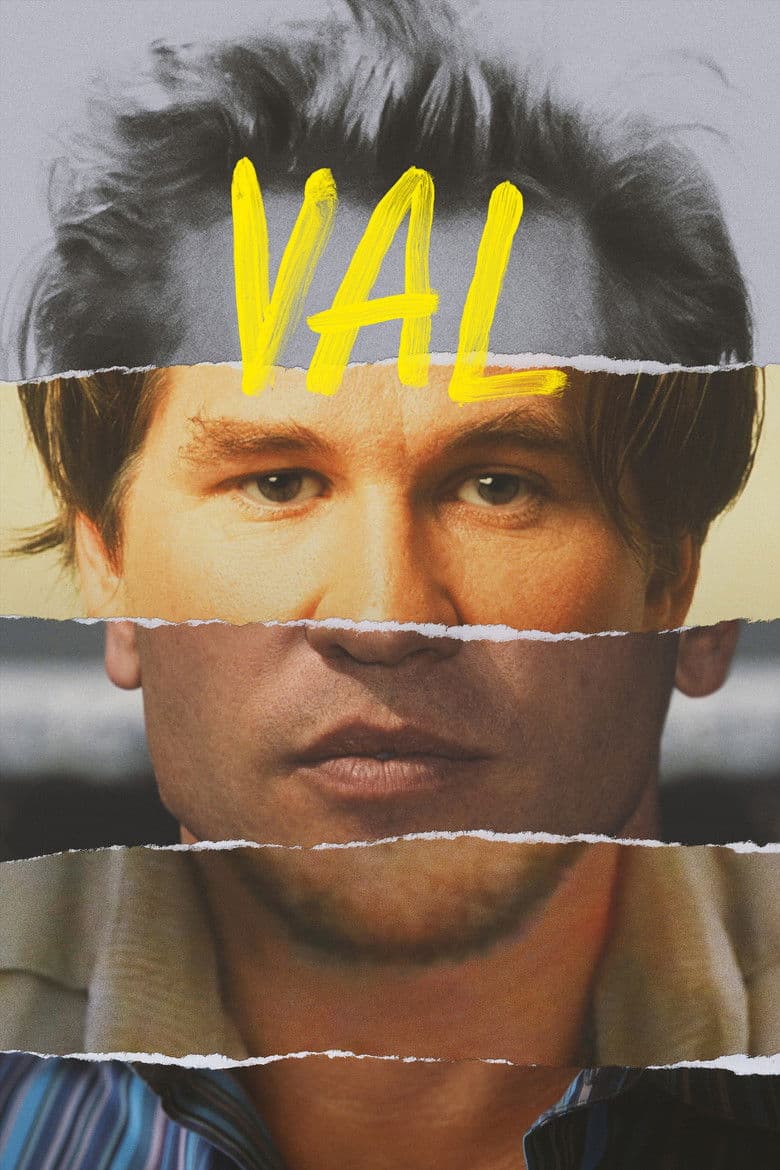
Movie · 2021
For over 40 years Val Kilmer, one of Hollywood’s most mercurial and/or misunderstood actors has been documenting his own life and craft through film and video.
Movie · 2017
While investigating the furtive world of illegal doping in sports, director Bryan Fogel connects with renegade Russian scientist Dr.
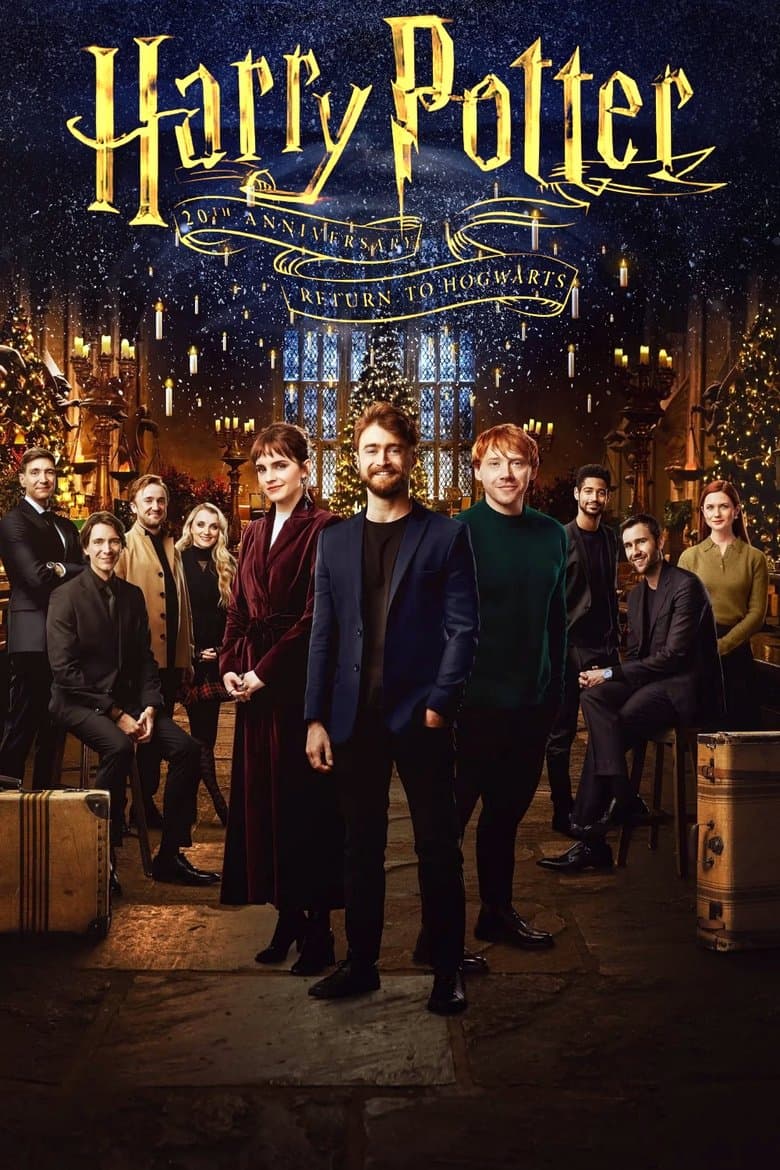
Movie · 2022
An enchanting making-of story told through all-new in-depth interviews and cast conversations, inviting fans on a magical first-person journey through one of the most beloved film…
Movie · 2024
Christopher Reeve portrayed the Man of Steel in four Superman films and played dozens of other roles that displayed his talent and range as an actor, before being injured in a…
