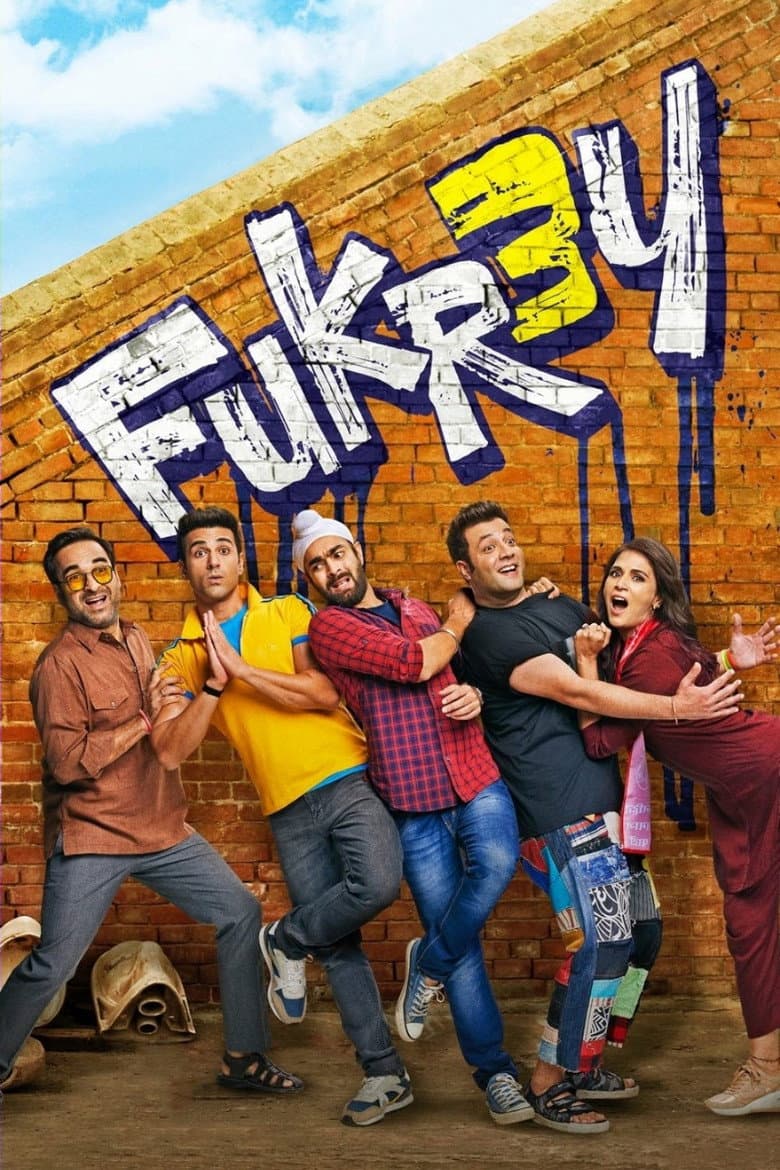
Fukrey 3 follows Choocha and his three friends as they try to make money from a strange new gift. The group leaves Delhi for South Africa, where their sweat and urine appear to make petrol. Back in Delhi, Choocha enters an election against Bholi Punjaban, a feared local crime boss who wants political power. The film mixes crude toilet jokes, crime trouble, foolish plans, and fast slapstick.
The main social message concerns Delhi’s water shortage and the damage caused when a water mafia controls a basic need. Bholi’s campaign and Choocha’s rival campaign keep politics in the center of the story, while the gang fights a businessman who wants to drain the city for profit. Bholi is a powerful woman who controls and threatens the men, but she remains a comic criminal rather than a guide for a larger identity message. One threat scene adds a brief “trans-sister” joke as part of the film’s rough comedy. Choocha wins people over through luck and popularity, and the ending turns the water problem into a simple lesson about public need and greedy power.
Community feedback
Was our 33% Woke rating accurate?
Breakdown
These are the editorial factors and ratings behind our score for Fukrey 3.
Woke representation / casting
Not present. The main cast fits a Hindi comedy set in Delhi, and the South African roles fit the South Africa part of the story. The film does not frame the casting as a diversity or identity statement.
0%
Woke political dialogue
Bholi and Choocha use campaign speeches about Delhi's water shortage and promises to the public. The film links political power with a tanker mafia that controls water. These lines return during the election plot and the final fight. The message warns about greed and public needs, not about identity.
32%
Identity-driven story themes
Bholi is a prominent female crime boss who enters local politics and repeatedly controls or outsmarts the male gang. Choocha and his friends remain foolish helpers for much of the story, but Choocha becomes the popular candidate who challenges her. The film also uses one brief “trans-sister” joke during a threat scene, without making queer identity part of the plot. The gender-power pattern is clear in the main story, but the film presents Bholi as a comic criminal rather than an activist role model.
40%
Western institutional / cultural critique
Not present. The film targets a local water mafia and corrupt election tactics in Delhi. It does not criticize Western institutions or Christianity. Its marriage jokes do not present family life or traditional gender roles as a problem.
0%
Woke character or canon changes
Not relevant. The movie continues the established fictional roles of Bholi, Choocha, Hunny, Lali, and Panditji. The new election plot changes their situation, but it does not swap their race, gender, or sexuality.
0%
Anti-woke backlash and complaints
Not present. The reported boycott targeted Richa Chadha's old Galwan remark, not the film's content. A few posts called the social message forced, but they did not form a broad campaign. No sustained anti-woke complaint about DEI, identity, or LGBT content was found.
0%
Creator track record context
Farhan Akhtar has a public record of gender-equality work. Ritesh Sidhwani has produced projects with LGBTQ characters and stories about social stigma. Mrighdeep Singh Lamba and Vipul Vig are mainly linked to commercial comedy and have no clear activist record. Rajat Kanti Sarkar and Taran Bajaj are mainly production and casting professionals without a clear activist profile. This gives the title a mild creator track record context signal.
25%
Production
Movie · 2023
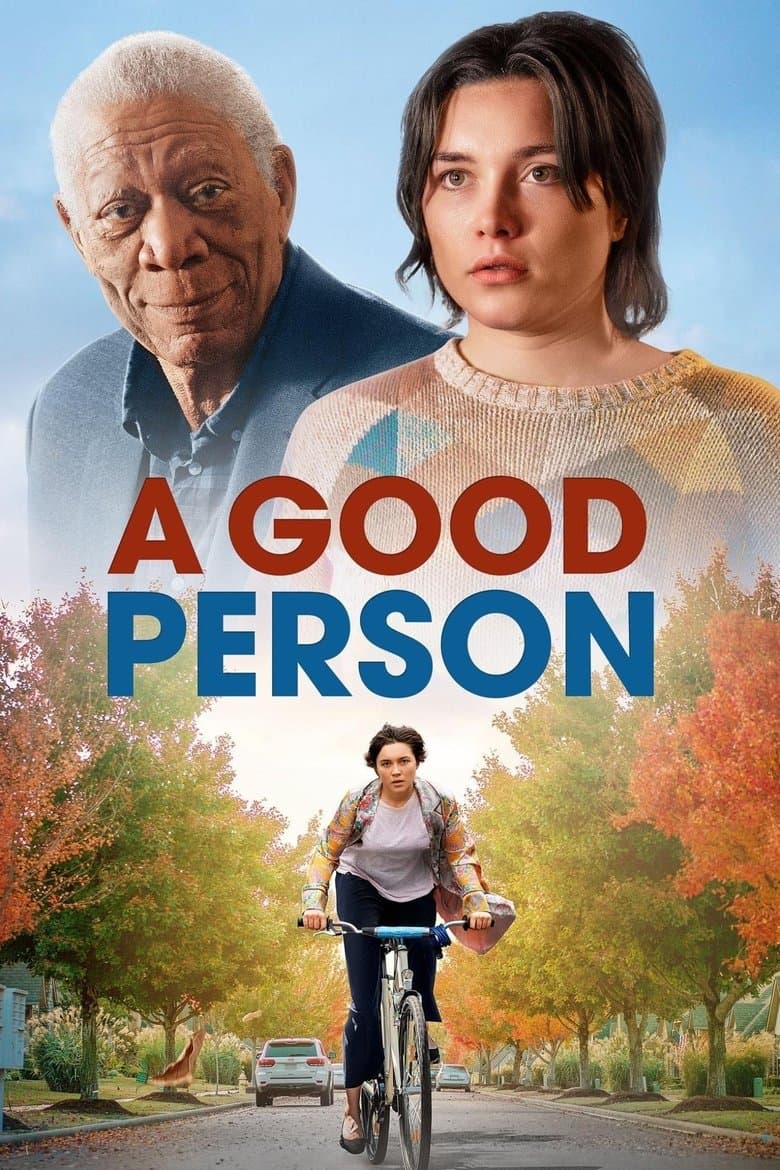
Allison's life falls apart following her involvement in a fatal accident. The unlikely relationship she forms with her would-be father-in-law helps her live a life worth living.

Movie · 2022
Two lifelong friends find themselves at an impasse when one abruptly ends their relationship, with alarming consequences for both of them.
Movie · 2022
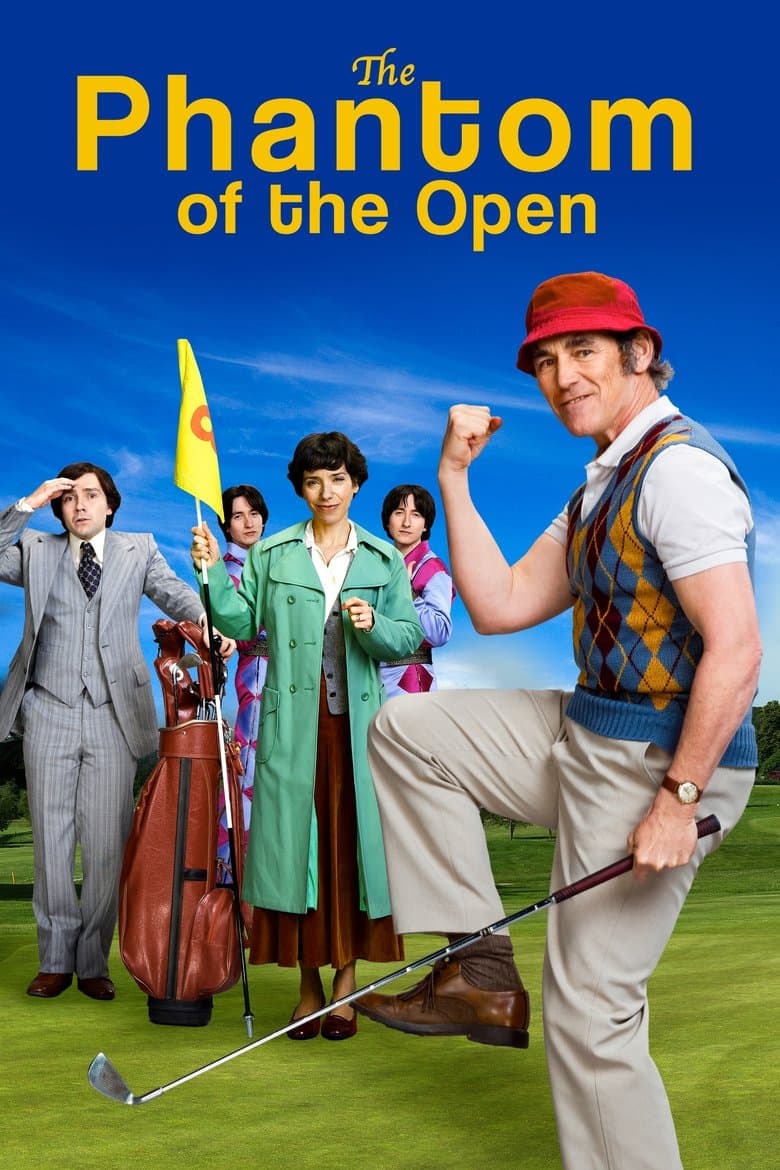
Maurice Flitcroft, a dreamer and unrelenting optimist, managed to gain entry to The British Open Golf Championship qualifying in 1976 and subsequently shot the worst round in Open…
Movie · 2019
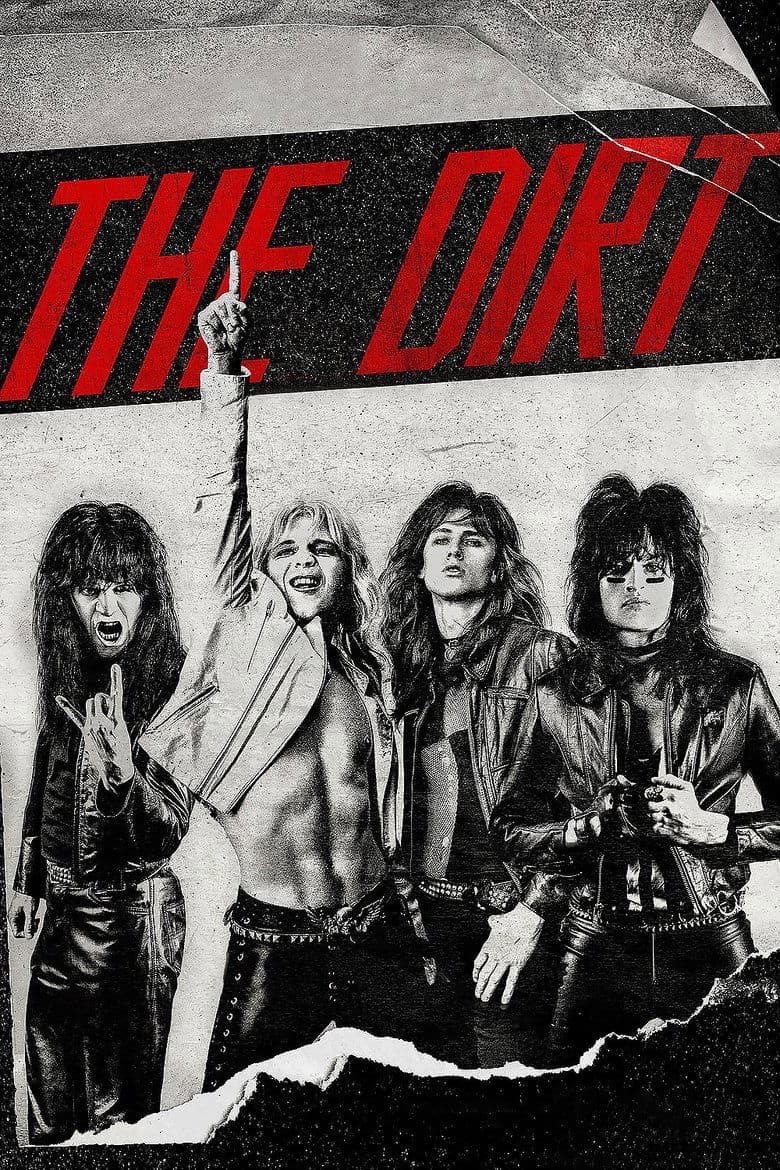
The story of Mötley Crüe and their rise from the Sunset Strip club scene of the early 1980s to superstardom.
Movie · 2018
Tony Lip, a bouncer in 1962, is hired to drive pianist Don Shirley on a tour through the Deep South in the days when African Americans, forced to find alternate accommodations and…

Movie · 2020
Four stagnant high school teachers decide to test out a theory that maintaining a constant level of intoxication will improve their overall lives.
Movie · 2018
Vignettes weaving together the stories of six individuals in the old West at the end of the Civil War. Following the tales of a sharp-shooting songster, a wannabe bank robber, two…

Movie · 2025
An eccentric lottery winner who lives alone on a remote island tries to make his fantasies come true by getting his favourite musicians to perform at his home.
