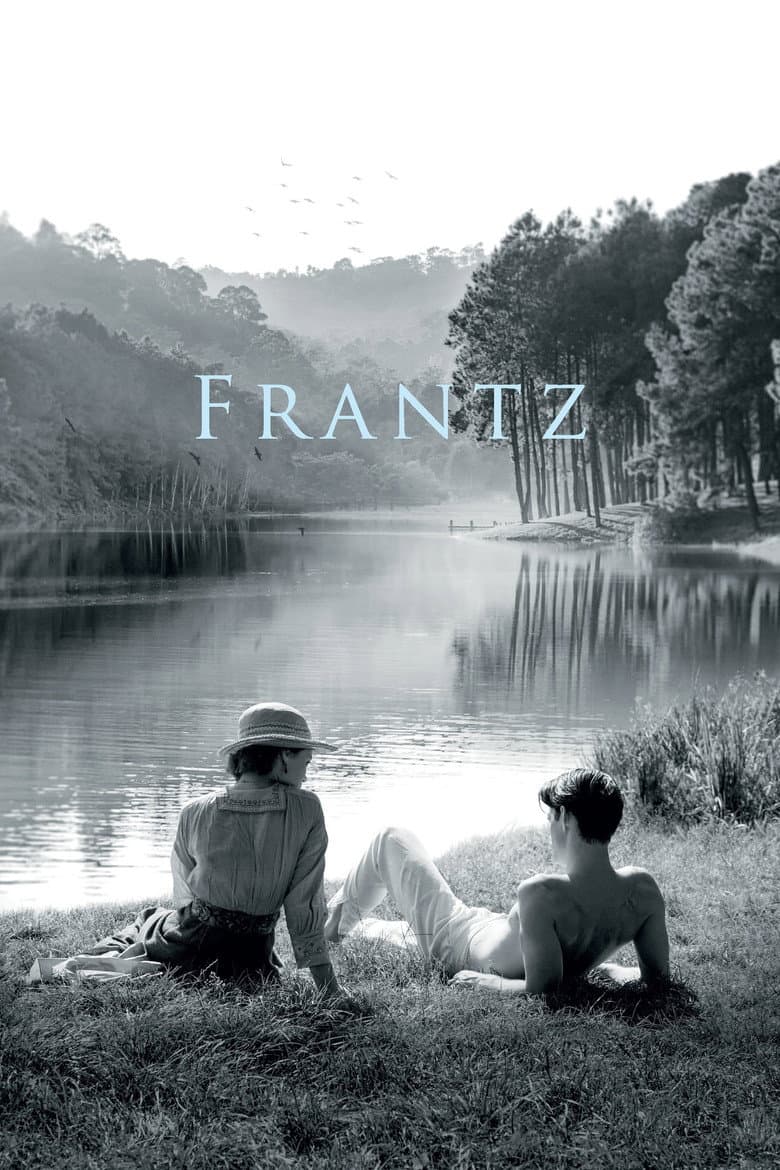
Frantz follows Anna, a young German woman who still mourns her fiancé after he dies in the First World War. In a small town in 1919, Anna meets Adrien, a Frenchman who leaves flowers on Frantz’s grave and says that he knew him in Paris. His visit brings comfort to Frantz’s parents, but it also brings anger from neighbors who still hate the French. The film is a quiet, sad mystery about grief, guilt, lies, forgiveness, and the hard work of living after war.
The main woke elements are the film’s repeated hints that Adrien’s bond with Frantz may have carried romantic or sexual feelings, even though no gay relationship is confirmed. The story also gives Anna the strongest journey, as she leaves Germany, searches for Adrien, and builds a life beyond the men she has lost. The story treats angry nationalism and blind patriotism as causes of cruelty. These ideas matter to the film, but they stay inside a period drama about war and loss instead of becoming a direct modern political speech.
Community feedback
Was our 60% Woke rating accurate?
Breakdown
These are the editorial factors and ratings behind our score for Frantz.
Woke representation / casting
Not present. The cast is made up mainly of German and French characters in a 1919 European setting. The casting fits the story world and does not present a diversity message.
0%
Woke political dialogue
The film includes short lines against blind patriotism and revenge after the war. The story also questions why nations send young men who do not want war to die. Those ideas stay tied to the 1919 setting, so the film does not use repeated modern identity or DEI speeches.
12%
Identity-driven story themes
The film builds its central mystery around Adrien’s deep bond with Frantz. Adrien tells stories of private time with Frantz, and the film gives their closeness a possible romantic or sexual meaning. The film keeps returning to that bond after the truth about Frantz’s death is revealed. The story does not name Adrien as gay, so the queer element stays suggestive rather than fully stated.
48%
Western institutional / cultural critique
The movie shows German neighbors treating Adrien as an enemy because he is French. It shows angry men using patriotic songs and revenge talk to keep the hatred alive. The story warns that humiliation and blind nationalism can help cruelty grow. This critique matters across the film, but it stays tied to the First World War and does not attack family life or Christianity.
38%
Woke character or canon changes
Frantz is a loose remake of the 1932 film Broken Lullaby. The earlier story centers on Adrien, but this film moves the main viewpoint to Anna and gives her a full journey to France. The adaptation also adds an unclear possible romantic reading of Adrien and Frantz’s bond. These changes strongly reshape the source story while still serving the film’s grief and mystery plot.
50%
Anti-woke backlash and complaints
Not present. Major reviews and audience posts discuss grief, war, nationalism, and possible queer subtext without a sustained anti-woke complaint. The provided X research found no anti-woke attacks, boycott, or right-leaning praise.
0%
Creator track record context
François Ozon has a strong record of films about queer desire, gender, sexual identity, and women’s autonomy. Frantz connects with that record through its deliberate queer ambiguity and its focus on Anna’s desires and growth. Philippe Piazzo has a more moderate record, while the other listed producers and casting staff show more mixed or low political profiles. The creator context is strong even though this film uses quieter hints than Ozon’s most openly queer work.
74%
Production

Movie · 2020
It was a chance meeting started by one of Sol’s friends trying to chat up Jennifer. However, in the end, it was those two who hit it off.
Movie · 2016
Canadian folk artist Maud Lewis falls in love with a fishmonger while working for him as a live-in housekeeper.
Movie · 2016
Lou Clark, a directionless 26-year-old from the English countryside, takes a job at the local castle as a caregiver and companion to a wealthy young banker, Will Traynor.

Movie · 2020
When illness strikes two people who are polar opposites, life and death bring them together in surprising ways.
Movie · 2018
German artist Kurt Barnert has escaped East Germany and now lives in West Germany, but is tormented by his childhood under the Nazis and the GDR regime.
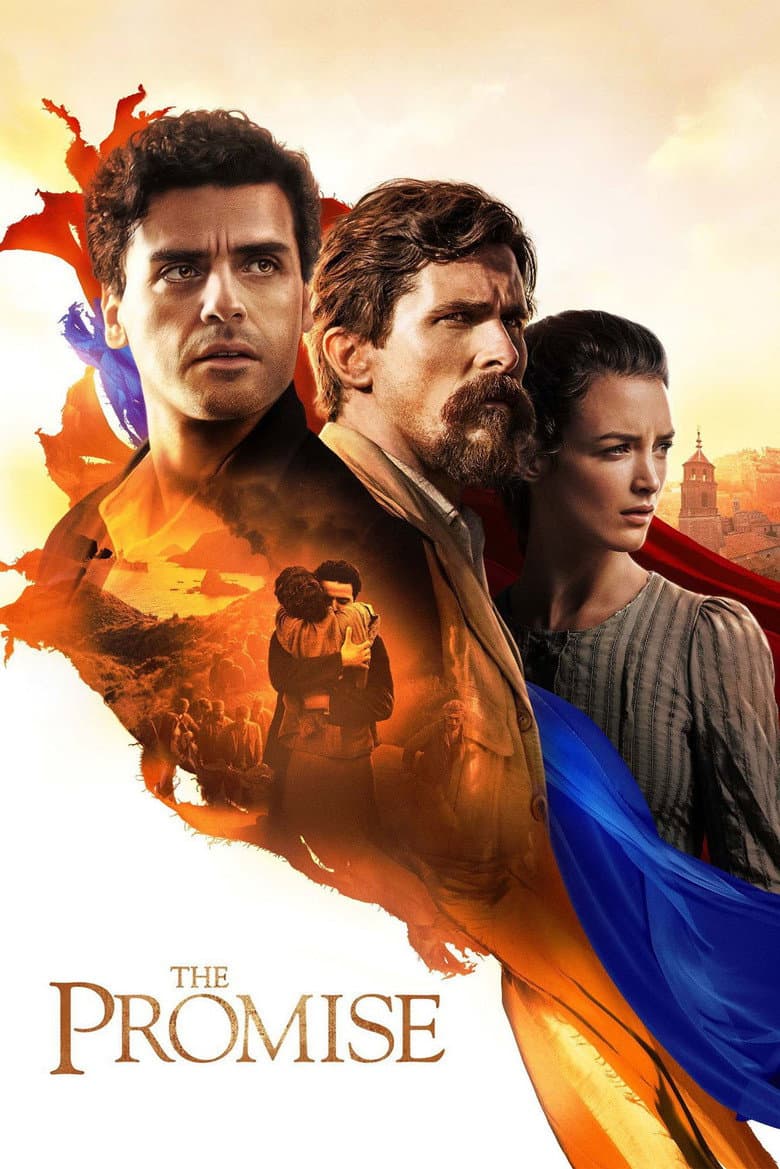
Movie · 2016
Set during the last days of the Ottoman Empire, a love triangle develops between Mikael, a brilliant medical student, the beautiful and sophisticated artist Ana, and Chris, a…
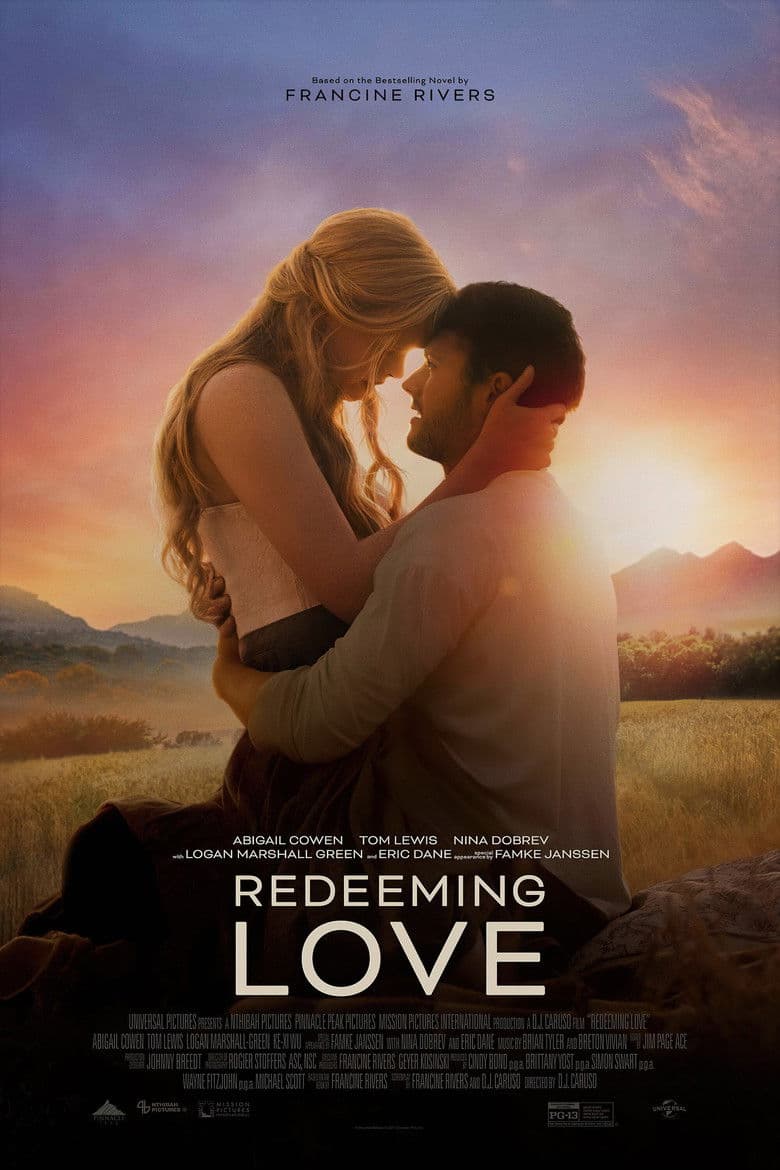
Movie · 2022
A young couple's relationship clashes with the harsh realities of the California Gold Rush of 1850. Angel, experiencing love for the first time and facing demons unsurmountable…

Movie · 2020
Young musician Zach Sobiech discovers his cancer has spread, leaving him just a few months to live. With limited time, he follows his dream and makes an album, unaware that it…
