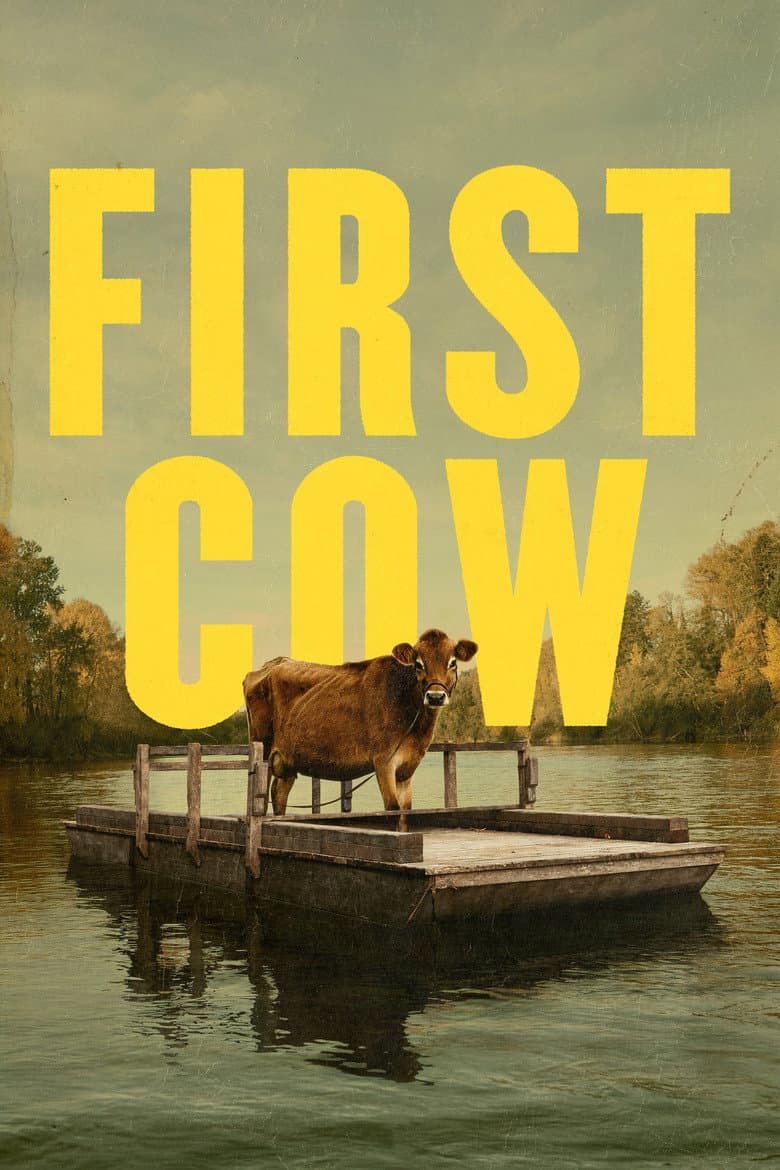
First Cow follows Cookie Figowitz, a quiet cook who works for rough fur trappers in the Oregon Territory in the 1820s. He meets King-Lu, a Chinese immigrant hiding from men who want to kill him. The two men become friends and start selling small cakes made with milk stolen from the wealthy trader’s cow. Their plan gives them hope, but the trader’s power and their own crime put them in danger. The film has a slow, gentle tone that turns tense and sad as the friends try to escape.
First Cow gives its central place to a friendship between a traveling cook and a Chinese immigrant. King-Lu faces suspicion because of his background, while Cookie is mocked and mistreated because he is gentle and does not fit the hard frontier idea of manhood. The story repeatedly questions property, profit, and the promise that anyone can succeed through hard work. It presents kindness, shared work, and friendship as better than force, greed, and rough male pride.
Community feedback
Was our 34% Woke rating accurate?
Breakdown
These are the editorial factors and ratings behind our score for First Cow.
Woke representation / casting
Not present. King-Lu’s Chinese identity is an explicit character backstory and drives the plot. The film does not present the casting as a broader diversity goal or use a repeated identity pattern in its main roles.
0%
Woke political dialogue
Not present. The characters do not give modern activist speeches about race, gender, or politics. The film’s talk about money and survival stays within the frontier story.
0%
Identity-driven story themes
King-Lu is a Chinese immigrant, and the settlement’s suspicion of him affects how he moves through the story. Cookie and King-Lu build a central friendship across ethnic lines. The film also shows rough men mocking and mistreating the gentle Cookie. These identity and manhood themes recur, but the film does not turn them into a modern identity-politics message.
28%
Western institutional / cultural critique
The film repeatedly questions property, profit, and the American dream. The wealthy Chief Factor controls the only cow and uses his power to protect his business. The trading post shows a social order built around class, labor, and early capitalism. The film also contrasts the friends’ care with the violent pride of the trappers. It is a period-based critique rather than a modern activist campaign.
40%
Woke character or canon changes
Not relevant. The film adapts Jonathan Raymond’s novel. It does not change a known legacy character or real historical figure to make an identity point.
0%
Anti-woke backlash and complaints
One fringe Reddit thread mocked the film’s white and Chinese lead pairing while discussing whether A24 was woke. Replies pushed back and said the pairing was realistic. No major outlet or organized audience group made a similar complaint. The supplied X pass found no anti-woke reaction.
3%
Creator track record context
Kelly Reichardt’s cached record includes feminist work but also her statement that her films do not carry an activist agenda. Jonathan Raymond’s writing often questions capitalism, fossil-fuel power, colonial myths, and American expansion. Those themes line up with First Cow’s criticism of early business and the American dream. The cached context gives the casting director and producers much lower scores and no strong activist pattern.
31%
Production

Movie · 2017
Members of the Granite Mountain Hotshots battle deadly wildfires to save an Arizona town.
Movie · 2020
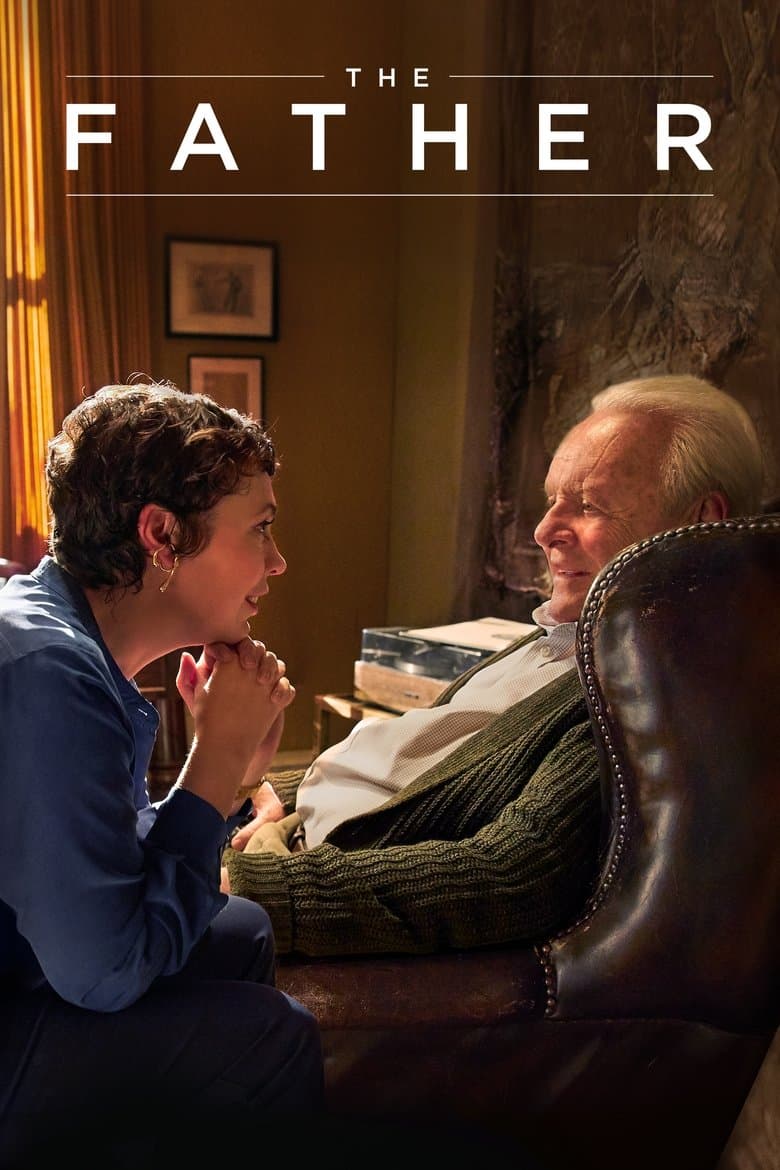
A man refuses all assistance from his daughter as he ages and, as he tries to make sense of his changing circumstances, he begins to doubt his loved ones, his own mind and even…

Movie · 2017
In 1950, amidst the ravages of the Korean War, Sergeant Süleyman stumbles upon a a half-frozen little girl, with no parents and no help in sight and he risks his own life to save…

Movie · 2016
In a desolate war zone where screams of the innocent echo, on the very line between disaster and valor, 7 Maroon Berets will dance with death.
Movie · 2025
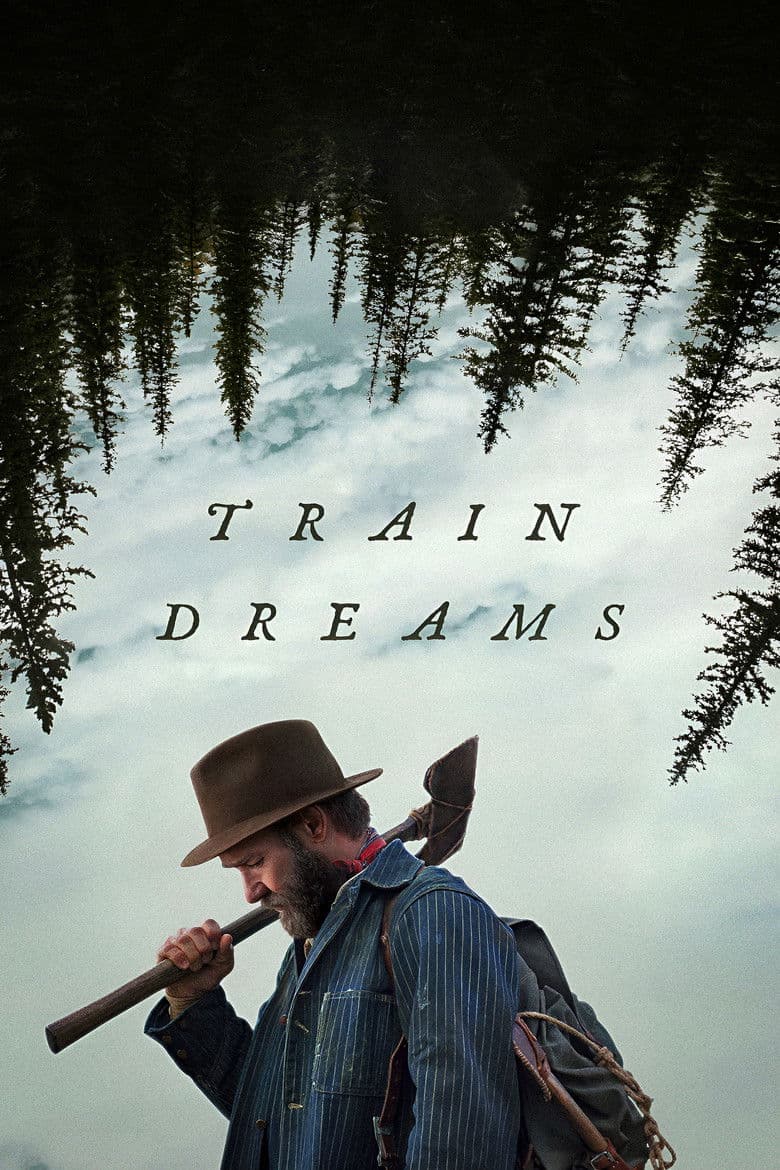
A logger leads a life of quiet grace as he experiences love and loss during an era of monumental change in early 20th-century America.
Movie · 2023
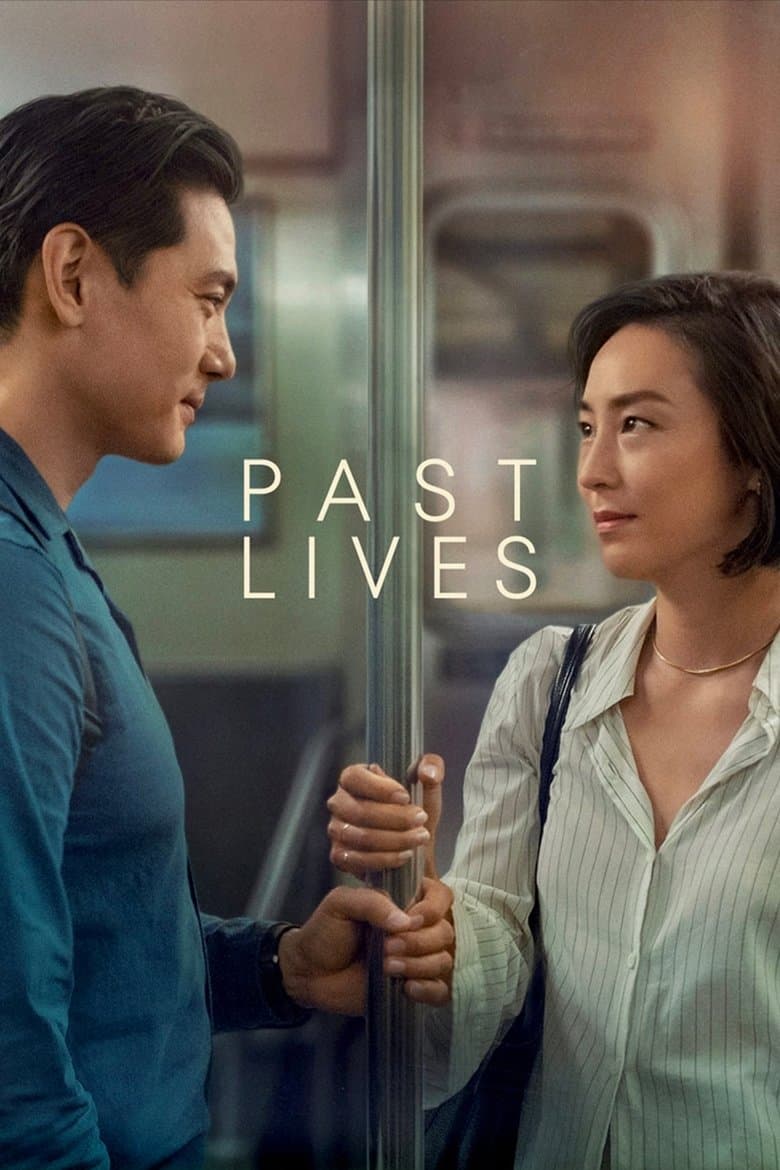
After decades apart, childhood friends Nora and Hae Sung are reunited in New York for one fateful weekend as they confront notions of destiny, love, and the choices that make a…

Movie · 2024
On the brink of the Second World War, a young Norwegian man's drive to resist the Nazis sets a new course for his future – and the future of his country.
Movie · 2025
Diagnosed with Tourette Syndrome at 15, John Davidson navigates his way against the odds through troubled teenage years and into adulthood, finding inspiration in the kindness of…
