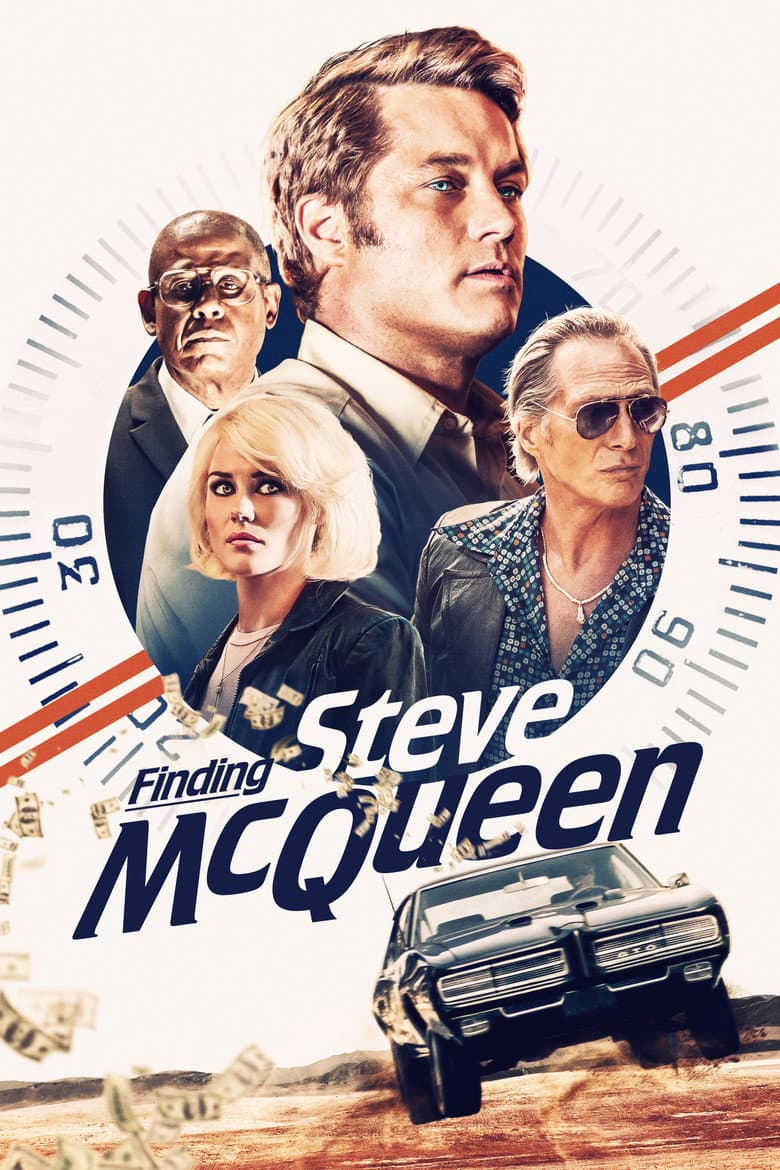
Finding Steve McQueen follows Harry Barber, a young thief from Youngstown, Ohio, who tries to copy the cool style of actor Steve McQueen. In 1972, Harry joins his uncle Enzo and other crooks in a plan to steal money that they believe came from President Richard Nixon’s illegal campaign fund. Eight years later, Harry tells his girlfriend Molly that he has been living under a false name, and the story moves between their romance, the bank job, and the FBI hunt. The movie is a light crime comedy with a love story, period music, car scenes, and a loose, playful tone.
The main audience-visible woke element is the FBI story, where Howard Lambert is played by a black actor and Sharon Price says she is one of the first women through the FBI academy. Howard says he was a first too, and the pair must handle pressure while chasing the thieves. Their investigation returns throughout the movie, but it stays behind Harry’s crime and romance plot. Most of the film follows male thieves, a hidden identity, family ties, regret, and the wish to become a different kind of person.
Community feedback
Was our 27% Woke rating accurate?
Breakdown
These are the editorial factors and ratings behind our score for Finding Steve McQueen.
Woke representation / casting
The movie places Forest Whitaker, a black actor, in the important role of FBI agent Howard Lambert. The movie also places Lily Rabe’s Sharon Price beside him as a key investigator. The transcript says Sharon was one of the first women through the FBI academy, which makes gender part of the character’s public image. The film still centers a mostly white male gang, so this is a small identity-focused pattern rather than a diversity-first cast.
29%
Woke political dialogue
The movie has a short office exchange about Sharon being one of the first women through the FBI academy. Howard answers that he was a first too, and the talk mentions pressure and the cost of the work. The exchange is brief and tied to the 1970s FBI story, so it does not become a repeated modern activist message.
23%
Identity-driven story themes
The FBI subplot makes race and gender part of how Howard and Sharon are presented at work. Sharon’s place as one of the first women through the academy is stated in dialogue, and Howard is shown as a black lead agent who has also broken new ground. The pair keep working the case while the film follows Harry’s lies and romance. This identity material matters to their subplot, but it does not control the movie’s main crime story.
27%
Western institutional / cultural critique
Not present. The movie shows Nixon’s dirty money, pressure from powerful people, and a large FBI investigation. It treats these as parts of a true 1970s corruption story, not as a modern attack on family, religion, capitalism, or traditional social rules.
0%
Woke character or canon changes
Not relevant. The film changes some names and details from the real heist, but it makes no race, gender, sexuality, or hero-role swap. No established fictional character or real figure is recast around an identity message.
0%
Anti-woke backlash and complaints
Not present. The supplied X pass found no anti-woke posts or specific complaints. Wider reviews and audience comments focused on the heist, romance, acting, and weak thrills rather than woke or DEI themes.
0%
Creator track record context
Mark Steven Johnson has no documented political activism or identity-driven pattern, and his interviews describe the movie as a heist, romance, comedy, and a story about personal identity. Ken Hixon and Keith Sharon have no notable DEI or activist public record. Most producers have low creator-context scores, while Monika Bacardi has a mild record of support for environmental and women’s causes. This context gives the title only a weak signal.
9%
Production
Movie · 2021
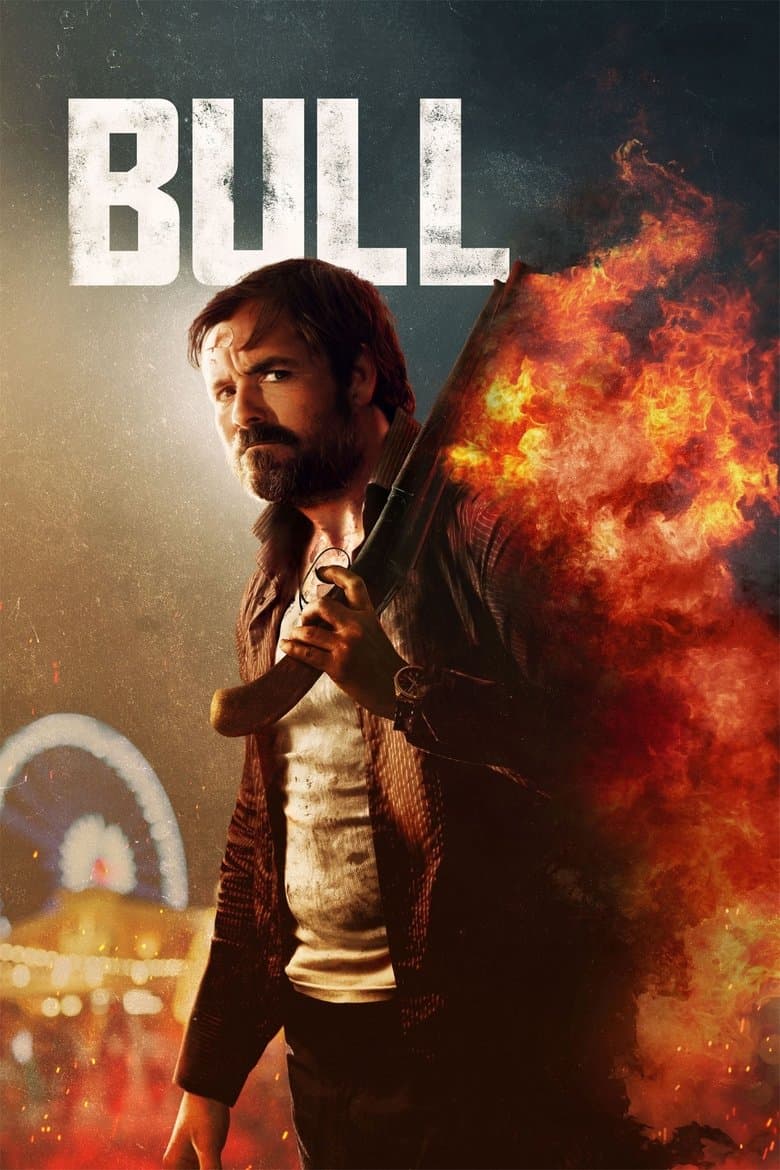
Ten years after he was last seen, a vicious mob enforcer returns home to find his son and methodically track down the gang that double-crossed him.
Movie · 2017
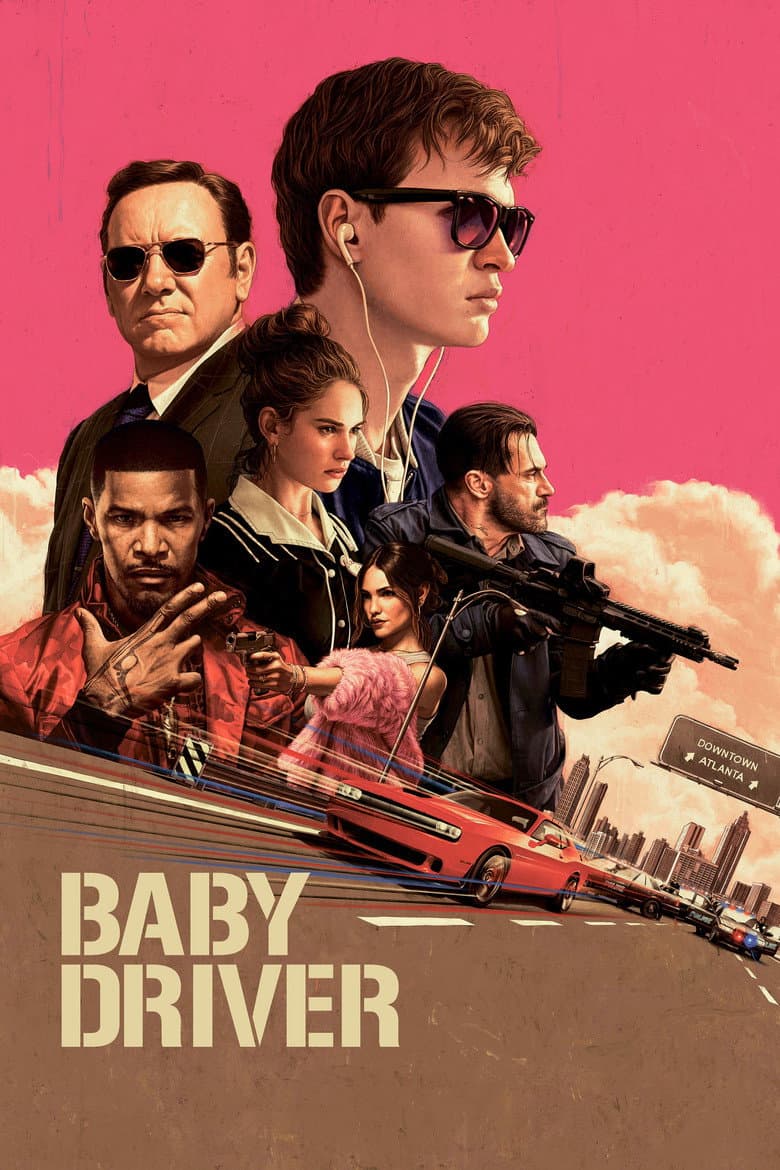
After being coerced into working for a crime boss, a young getaway driver finds himself taking part in a heist doomed to fail.
Movie · 2019
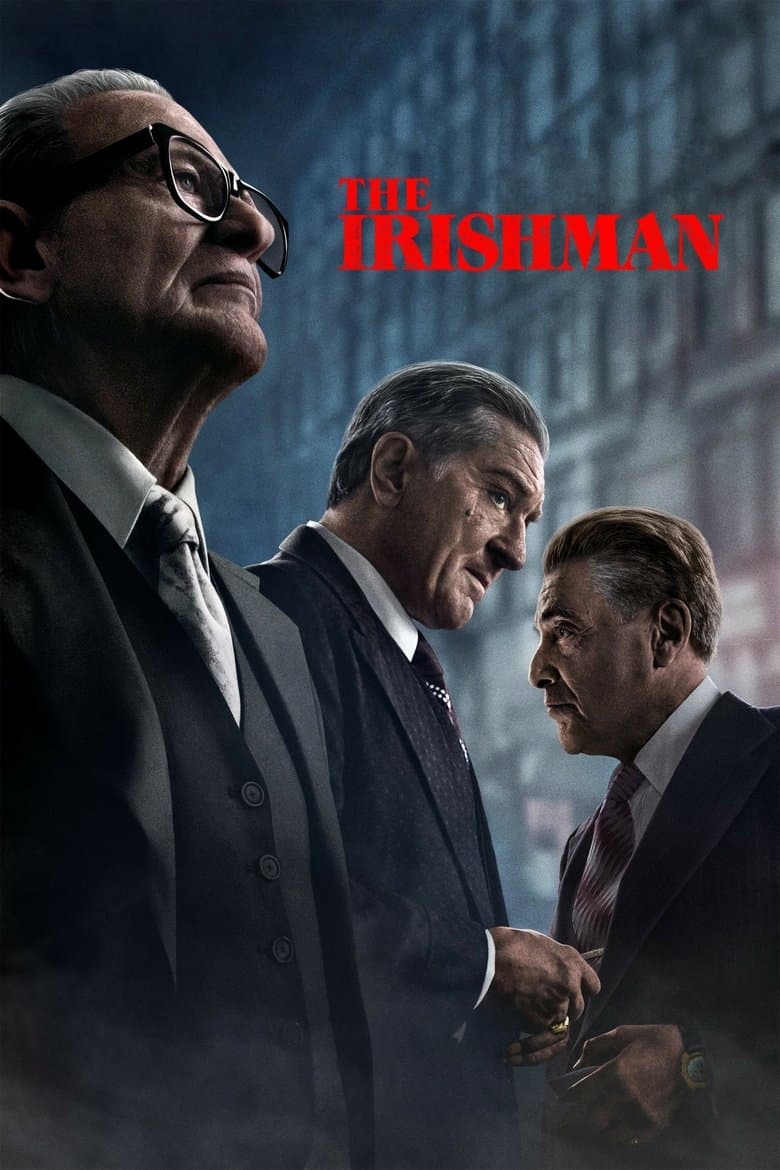
Pennsylvania, 1956. Frank Sheeran, a war veteran of Irish origin who works as a truck driver, accidentally meets mobster Russell Bufalino.
Movie · 2024
Hired to cover up a high-profile crime, a fixer soon finds his night spiralling out of control when he's forced to work with an unexpected counterpart.

Movie · 2019
Istanbul Police Department homicide detectives encounter a murder nothing like they’ve seen before.Commissioners Emin, Salih, Asuman and deputy Alaattin begin investigating.But…
Movie · 1994
Imprisoned in the 1940s for the double murder of his wife and her lover, upstanding banker Andy Dufresne begins a new life at the Shawshank prison, where he puts his accounting…
Movie · 2024
In this twisting documentary, a mechanic tries online dating for the first time and meets a woman who takes romantic obsession to a deadly extreme.
Movie · 2026
After his estranged son gets embroiled in a Nazi plot, self-exiled gangster Tommy Shelby must return to Birmingham to save his family — and his nation.
