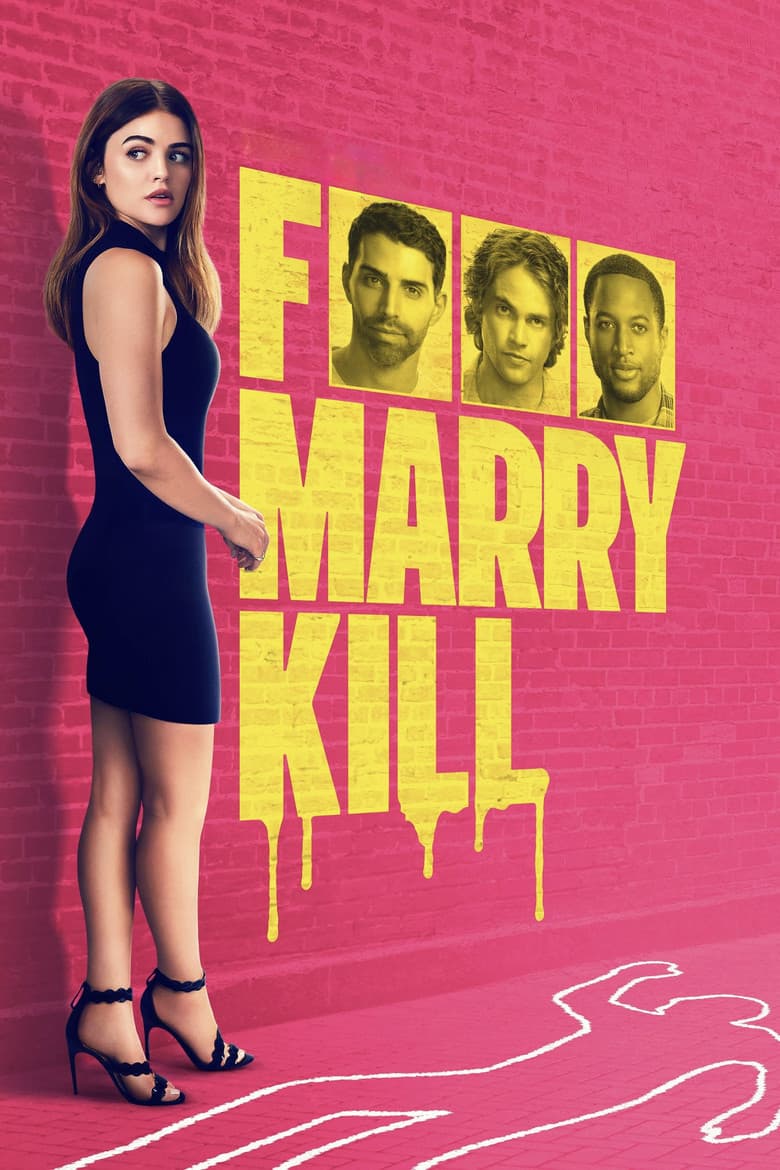
Eva Vaugh is a true-crime fan who turns 30 after her longtime boyfriend leaves her. Her friends push her onto a dating app in Boulder, Colorado, just as a killer starts murdering women he meets online. Eva dates Mitch, Kyle, and Norman while she tries to decide which man is a bad date, a possible husband, or the Swipe Right Killer. The movie mixes dating jokes, sex, podcast chatter, and a murder mystery with a light, silly thriller tone.
Most of the story is built around a female lead taking control of her dating life and choosing sex without waiting for a relationship. Her friends warn that online dating can be dangerous, and the film repeatedly jokes about male cheating, male entitlement, and the idea that women should watch all men. The friend group includes black and Filipino characters, and Anthony is a nonbinary person with a boyfriend, while Robin talks about ethical polyamory. These points are clear in the dialogue and character introductions, but they support the dating comedy rather than turning the movie into a wider political story.
Community feedback
Was our 50% Woke rating accurate?
Breakdown
These are the editorial factors and ratings behind our score for F Marry Kill.
Woke representation / casting
The cast puts a woman at the center and gives Eva a mostly female friend group. The film visibly labels Robin as a black woman and Anthony as a Filipino nonbinary person with a boyfriend. It also includes a wheelchair user and positively shown interracial relationships. This creates a clear identity mix in the main circle, although the film does not make representation its main subject.
48%
Woke political dialogue
Eva jokes that an all-female ant group means no one needs men. A date says “Not all men,” and the podcast tells women to see all men differently. Eva asks for credit for catching a predator and gets a joking “Feminism?” reply. These lines support the dating comedy but never become a political speech.
35%
Identity-driven story themes
The story repeatedly treats online dating as a danger faced by women. Eva takes charge of her sex life and has casual sex without waiting for marriage or a serious bond. Men are often shown as cheaters, users, or possible predators, while Eva’s women friends support her choices and help investigate. Anthony’s nonbinary identity and Robin’s ethical polyamory add smaller identity themes, but neither drives the murder plot.
45%
Western institutional / cultural critique
The film treats male cheating, lying, and sexual pressure as dating dangers. Kyle gets angry when Eva refuses sex, Jake cheats before quickly getting engaged, and the podcast tells women to watch men more carefully. Eva also mocks the idea that she must settle down after a breakup. The story does not attack religion, capitalism, the police, or Western institutions, so this remains a limited dating-culture critique.
32%
Woke character or canon changes
Not relevant. This is an original story with no established characters, franchise, or real historical event to change.
0%
Anti-woke backlash and complaints
A German review singled out the movie’s “wokeness” and “Not all men” moments as out of place. The supplied X research found no anti-woke posts or specific complaints. A Reddit commenter called the movie propaganda but gave no identity or political reason, so that comment is not counted. The evidence shows a small, fringe complaint rather than broad backlash.
10%
Creator track record context
Laura Murphy’s public work shows little activist or DEI focus. Ivan Diaz’s public profile shows no clear identity-driven record. Meghan Brown often writes about dangerous women, power, and female agency. The creator context adds a limited gender-focused signal, not a broad activist track record.
20%
Production
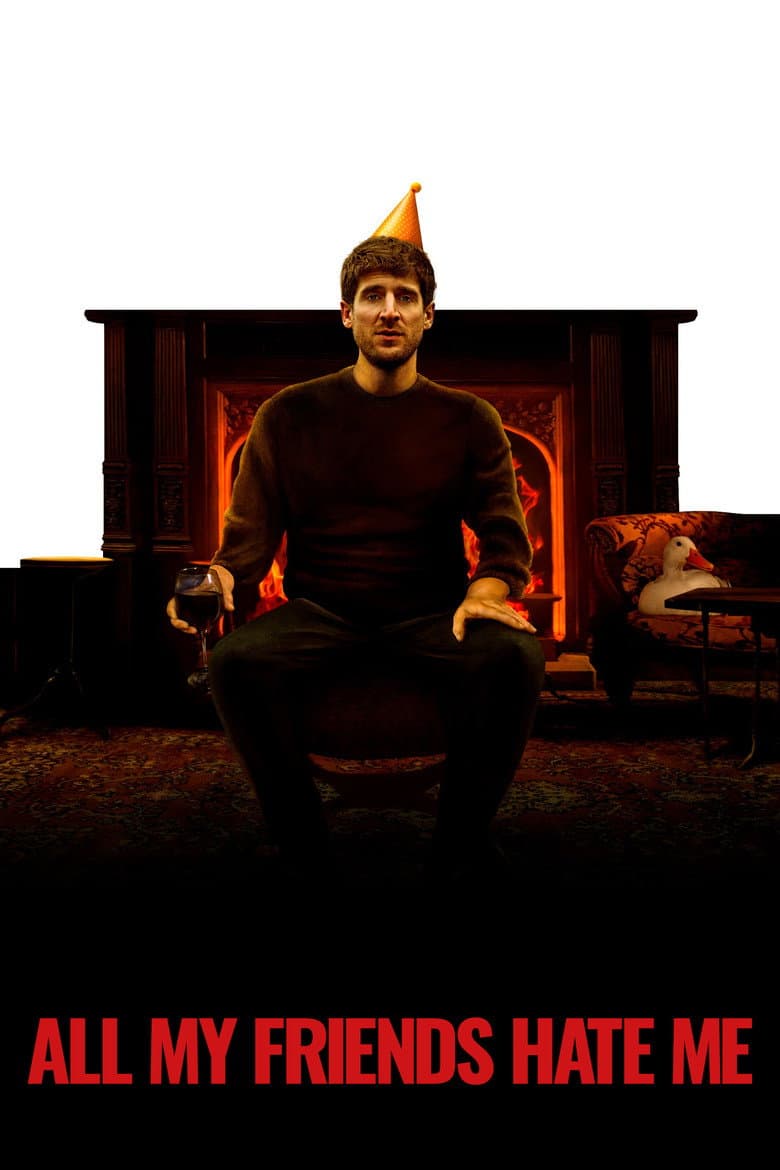
Movie · 2022
A college reunion goes awry when Pete suspects his friends may be out to get him... As their weekend getaway grows more and more uncomfortable, should Pete be worried about his…

Movie · 2016
Horror junkie Joe Foster gets to live out his ultimate scary movie fantasy courtesy of Fear Inc., a company that specializes in giving you the fright of your life.
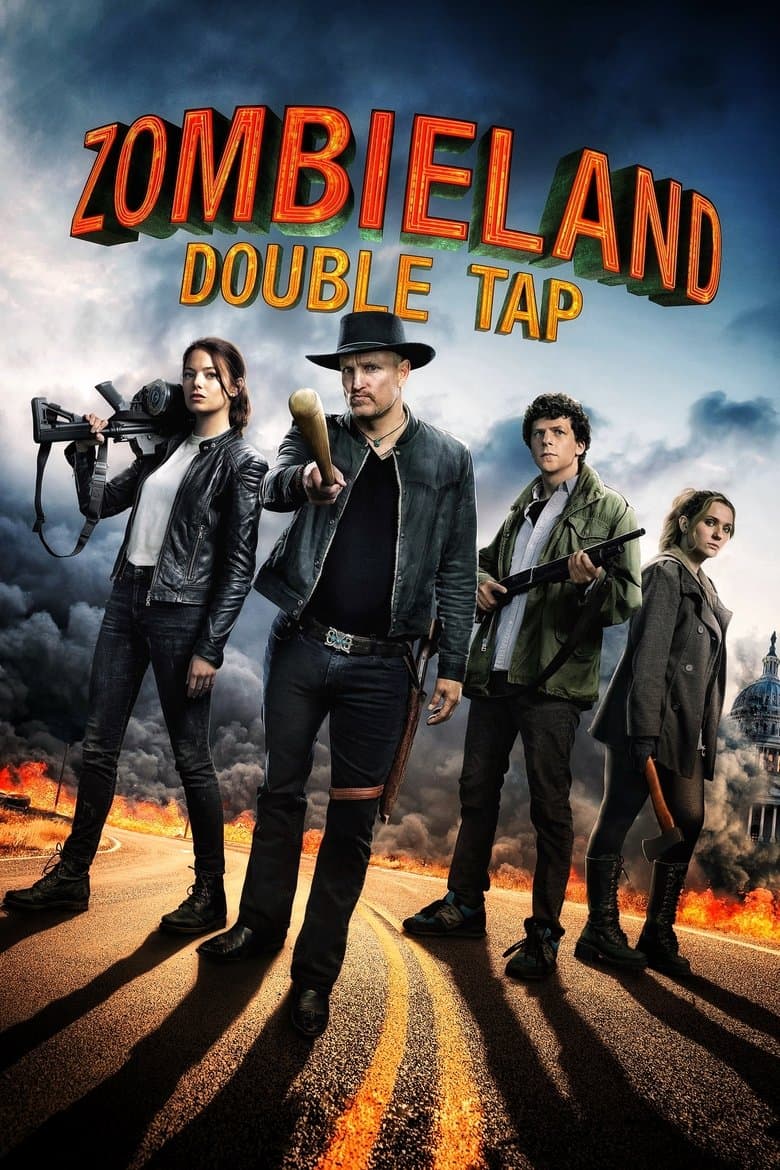
Movie · 2019
Columbus, Tallahassee, Wichita, and Little Rock move to the American heartland as they face off against evolved zombies, fellow survivors, and the growing pains of the snarky…
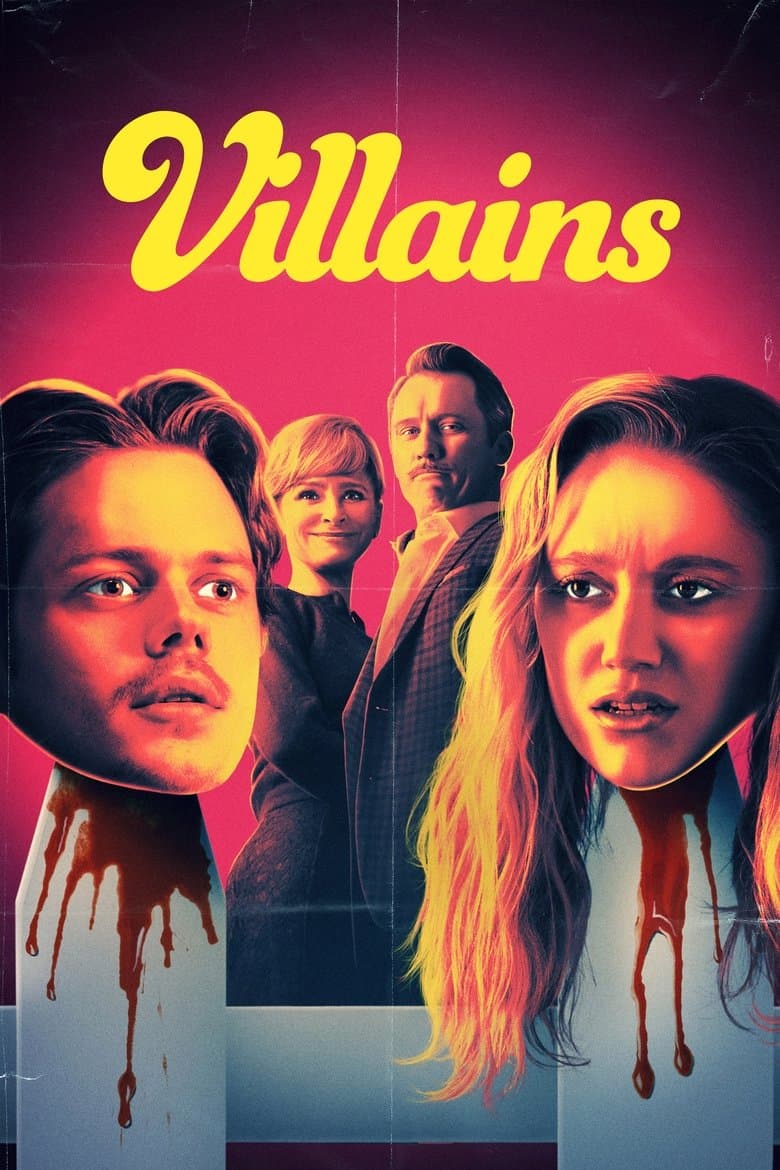
Movie · 2019
When their car breaks down, a couple on the run headed southbound for a fresh start in the Sunshine State break into a nearby house looking for a new set of wheels.
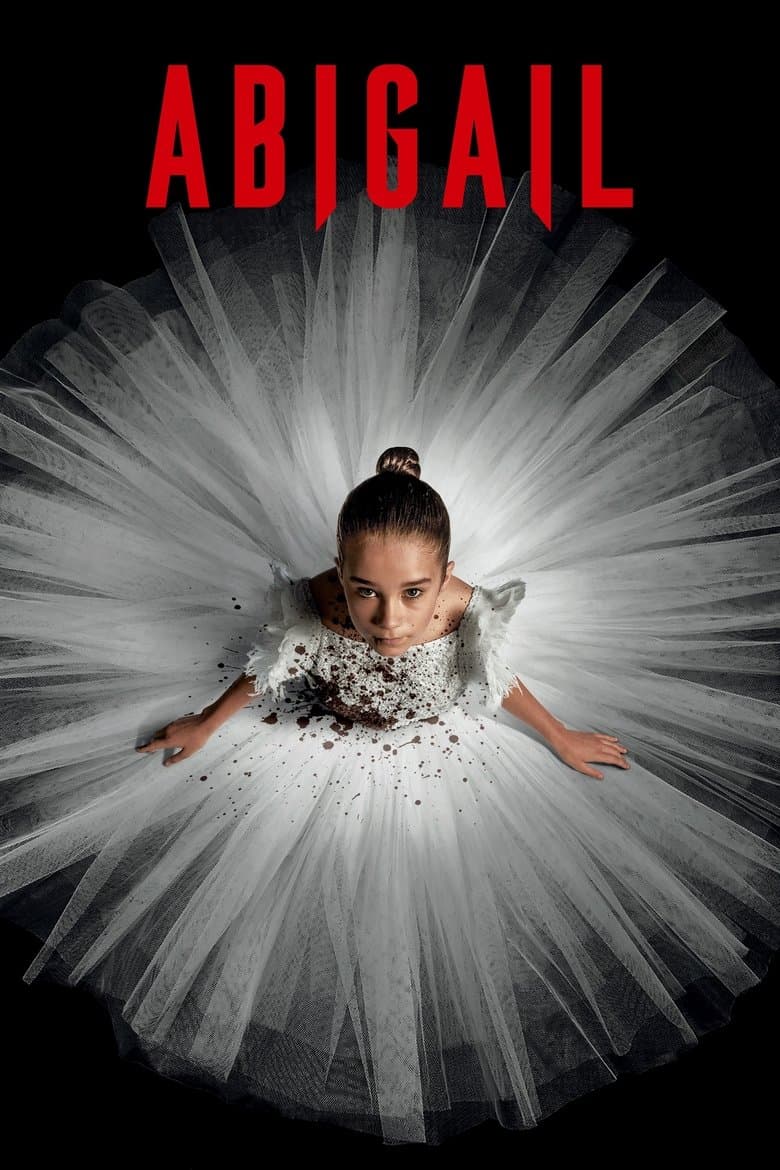
Movie · 2024
A group of criminals kidnap a teenage ballet dancer, the daughter of a notorious gang leader, in order to obtain a ransom of $50 million, but over time, they discover that she is…
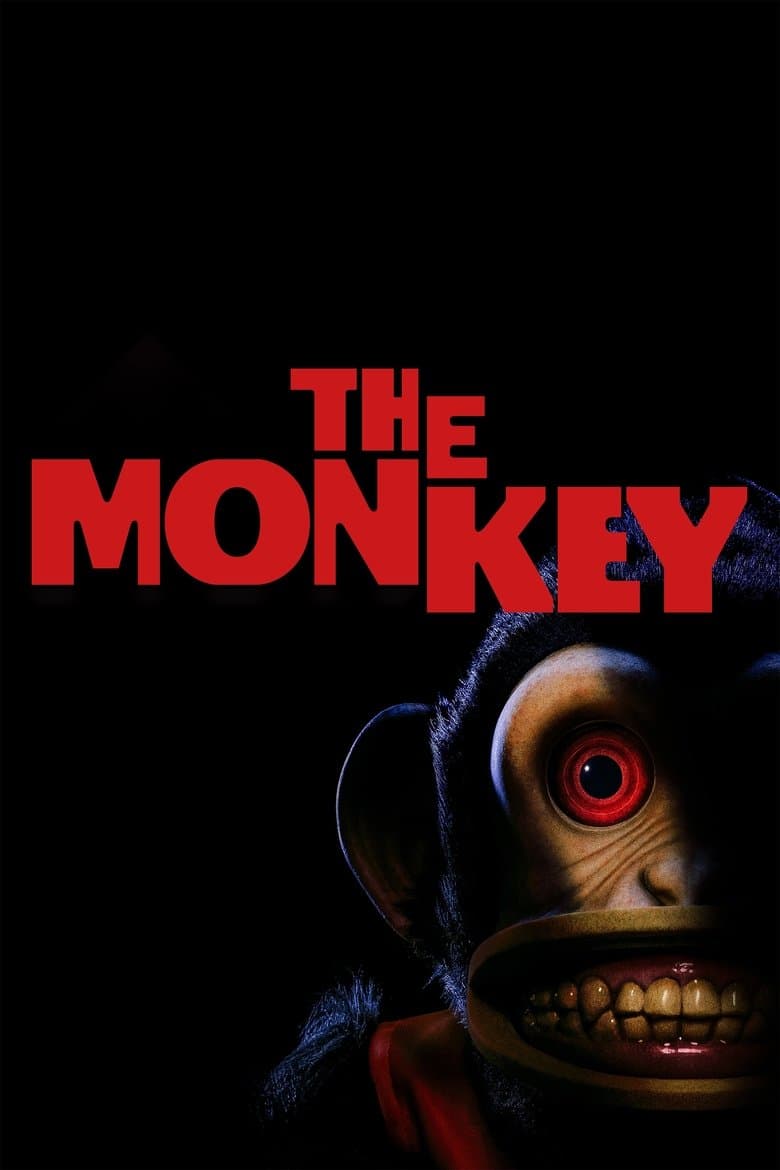
Movie · 2025
When twin brothers find a mysterious wind-up monkey, a series of outrageous deaths tear their family apart. Twenty-five years later, the monkey begins a new killing spree forcing…
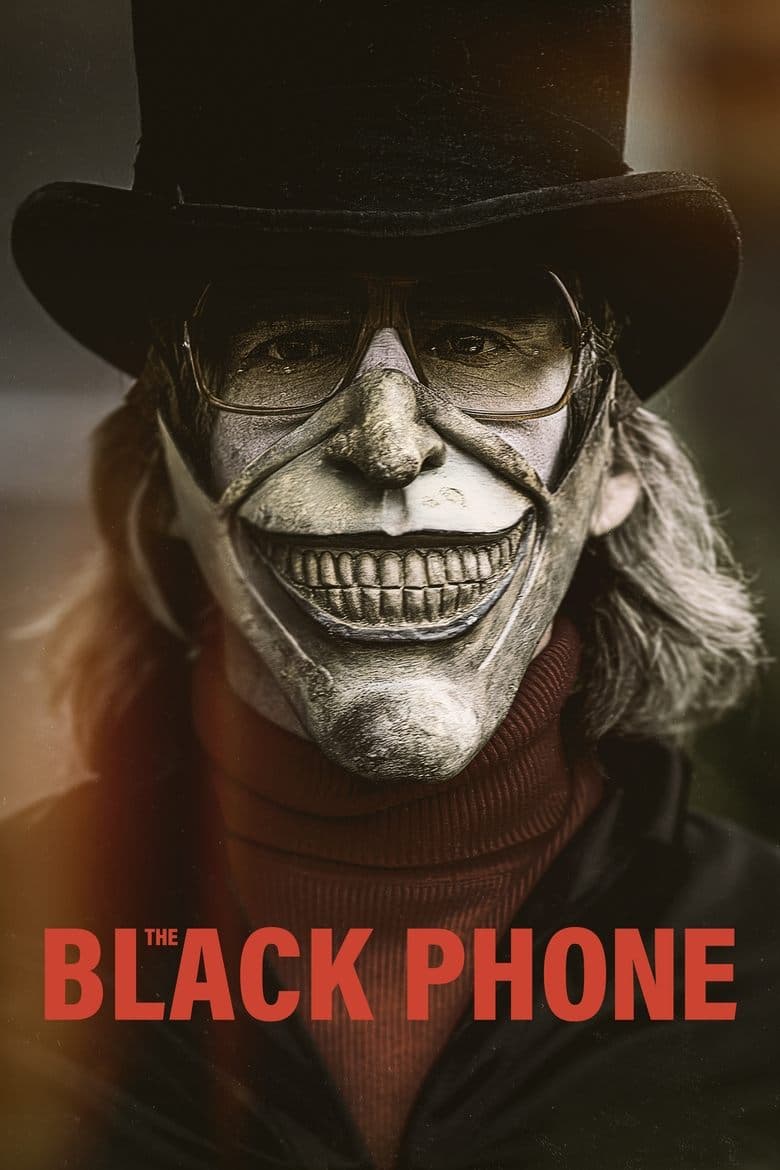
Movie · 2022
Finney Blake, a shy but clever 13-year-old boy, is abducted by a sadistic killer and trapped in a soundproof basement where screaming is of little use.
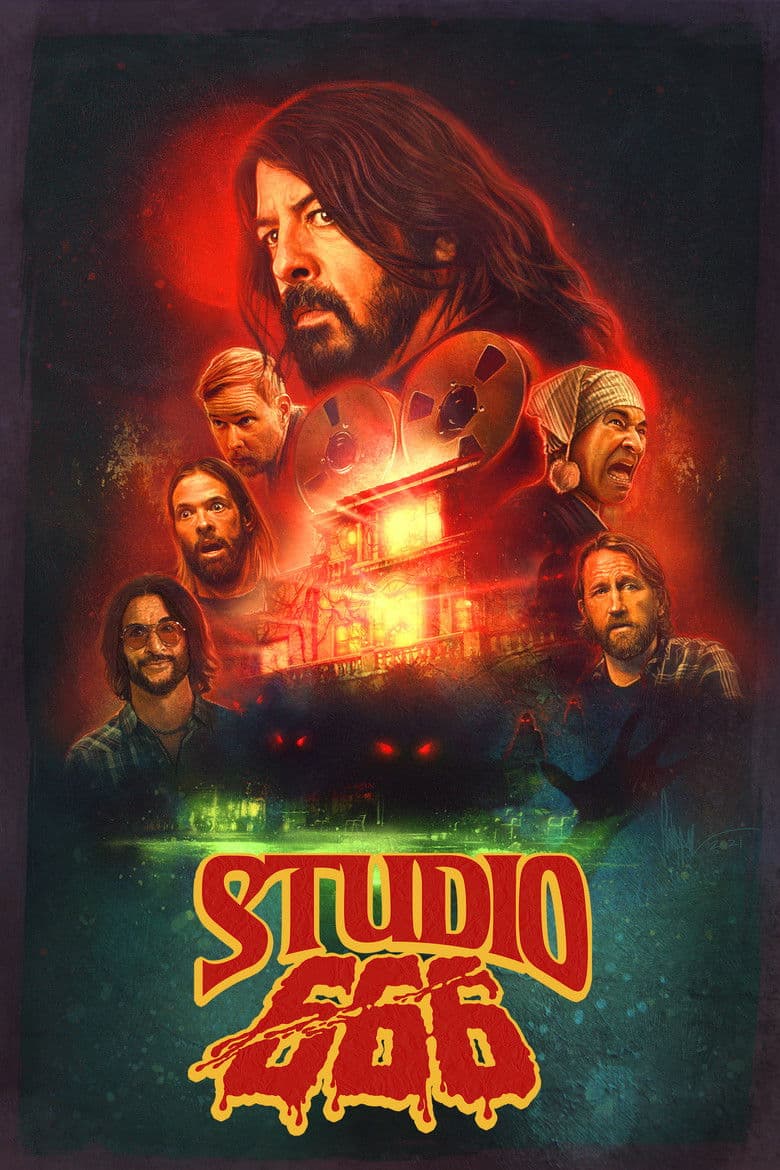
Movie · 2022
Legendary rock band Foo Fighters move into an Encino mansion steeped in grisly rock and roll history to record their much anticipated 10th album.
