
Joe Foster is a jobless horror fan who thinks he has seen every scare. He lives with his patient girlfriend, Lindsey, and invites their friends Ben and Ashleigh to spend Halloween with them in Los Angeles. Joe hires Fear, Inc., a company that stages custom scares, even after his friends warn him that the company can be dangerous. The night starts as a funny horror game, but it turns into a violent fight to learn what is real.
The movie briefly links Joe's being white and rich with his belief that the police will help him quickly. The Fear, Inc. leader later calls its rich customers privileged. Those lines add a small modern class and identity note, but they do not guide the main story. The larger themes are horror fandom, reckless choices, guilt, fear, and the danger of treating real violence like entertainment.
Community feedback
Was our 17% Woke rating accurate?
Breakdown
These are the editorial factors and ratings behind our score for Fear, Inc..
Woke representation / casting
Not present. The main group is presented as ordinary friends, and the story does not make their identities part of the conflict. No identity-first casting message is shown in the film.
0%
Woke political dialogue
Joe says that he and his friends are white and rich while guessing that the police will arrive quickly. The company leader later calls its customers privileged. These lines briefly connect race and wealth with police treatment and social status. The movie does not build a longer political debate around them.
24%
Identity-driven story themes
The film gives a brief identity angle when Joe links being white and rich to expected police help. The ending also labels the customers privileged. The main story remains about horror fandom, bad choices, guilt, fear, and blurred reality. Identity politics does not become a major character arc.
8%
Western institutional / cultural critique
Not present. Fear, Inc. punishes reckless horror fans and a violent business, but it does not make a sustained critique of modern Western institutions, family life, religion, or gender roles.
0%
Woke character or canon changes
Not relevant. The movie expands the filmmakers' 2014 short into a feature, but it does not change a known character, canon, or historical event for identity reasons.
0%
Anti-woke backlash and complaints
Not present. The supplied X research found no anti-woke posts or specific complaints, and other discussion centers on horror, comedy, pacing, and the twist. No report treats the film as a woke or DEI project.
0%
Creator track record context
Director Vincent Masciale has a cached score of 0/100, and writer Luke Barnett has 8/100. Producer Natalie Masciale has 0/100, while producer Heather Kasprzak has 55/100 for women-centered and mental-health work. That one higher score gives some context, but the film itself is not framed around those issues.
16%
Production
Movie · 2016
Ronnie runs a Disco walking tour with his son, Brayden. When a sexy woman takes the tour, it begins a competition between father and son for her love.
Movie · 2022
Legendary rock band Foo Fighters move into an Encino mansion steeped in grisly rock and roll history to record their much anticipated 10th album.
Movie · 2025
When twin brothers find a mysterious wind-up monkey, a series of outrageous deaths tear their family apart. Twenty-five years later, the monkey begins a new killing spree forcing…
Movie · 2021
The Blind Man has been hiding out for several years in an isolated cabin and has taken in and raised a young girl orphaned from a devastating house fire.
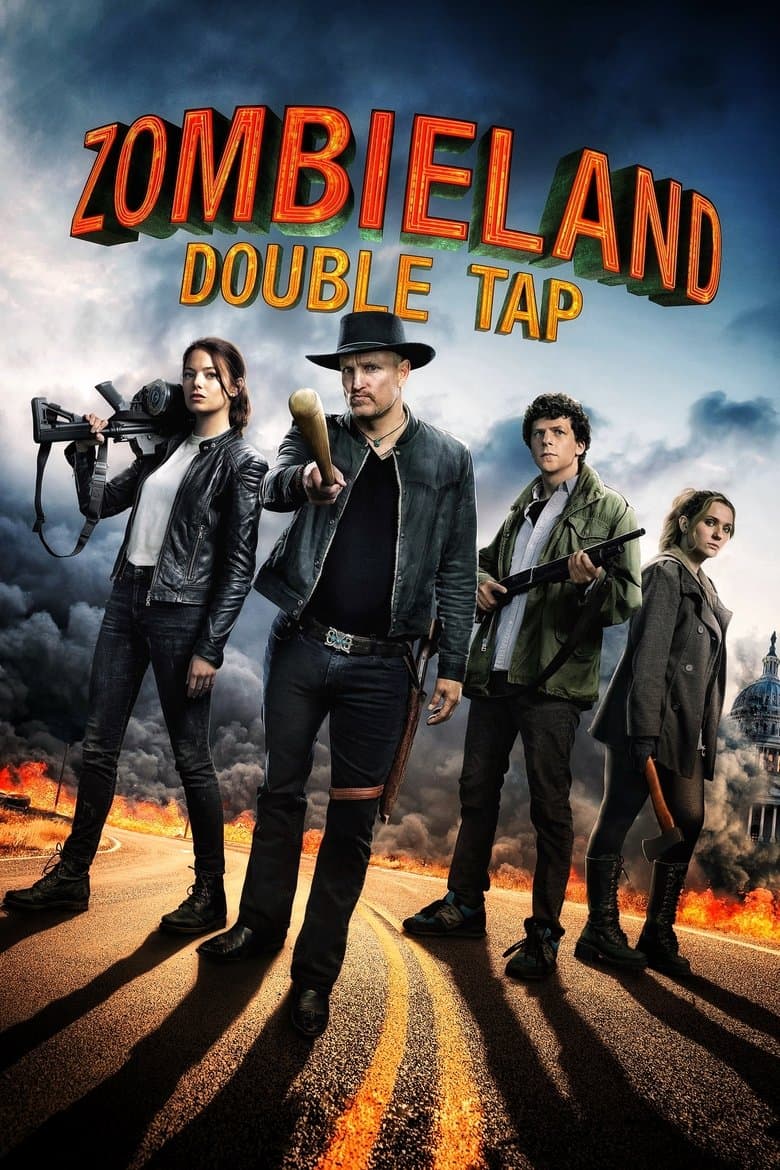
Movie · 2019
Columbus, Tallahassee, Wichita, and Little Rock move to the American heartland as they face off against evolved zombies, fellow survivors, and the growing pains of the snarky…
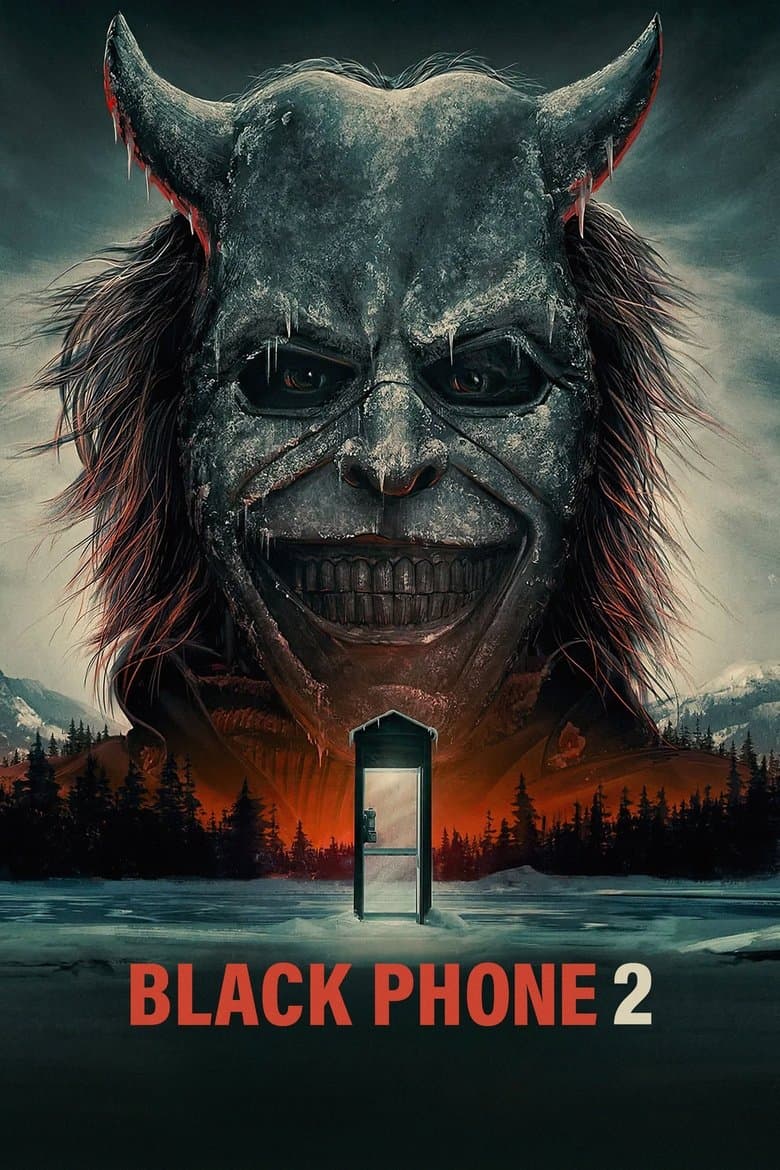
Movie · 2025
Four years after defeating The Grabber, Finney Blake is struggling with life after captivity. When his younger sister Gwen begins receiving calls in her dreams from the Black…

Movie · 2025
A collection of Halloween-themed videotapes unleashes a series of twisted, blood-soaked tales, turning trick-or-treat into a struggle for survival.
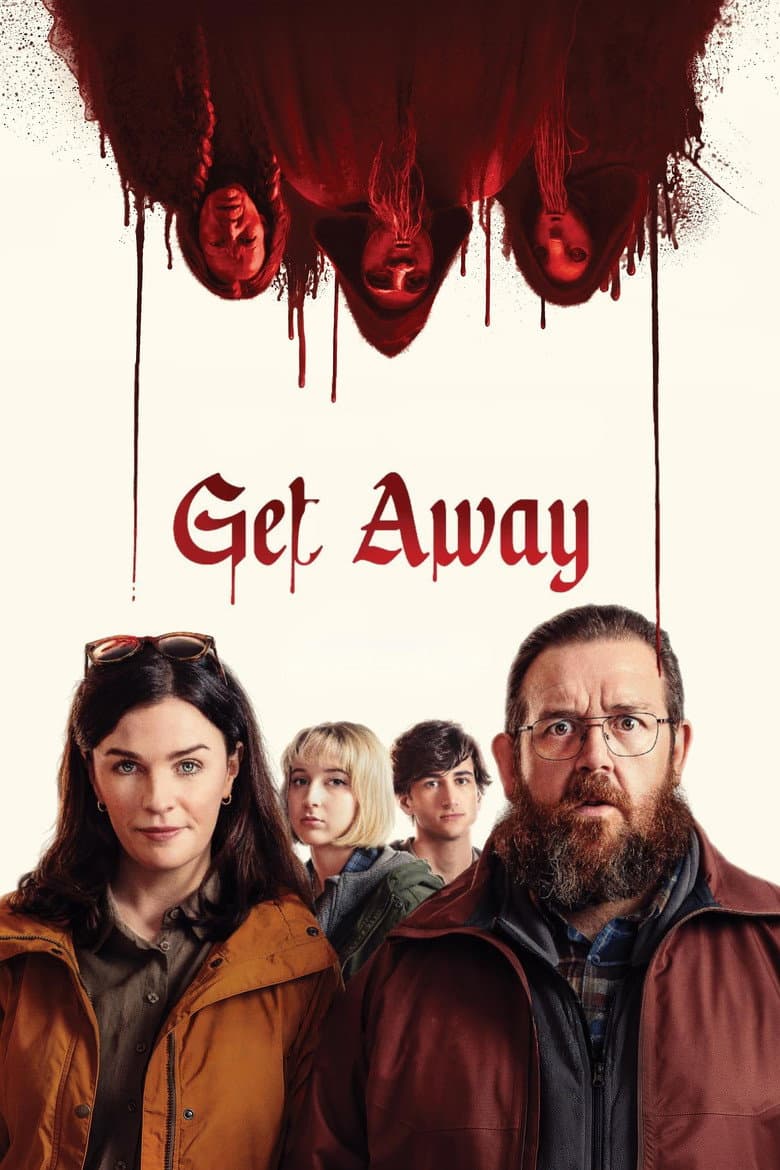
Movie · 2024
A family's vacation to a remote getaway takes an unexpected turn when they discover the present-day implications of the island's cannibalistic past.
