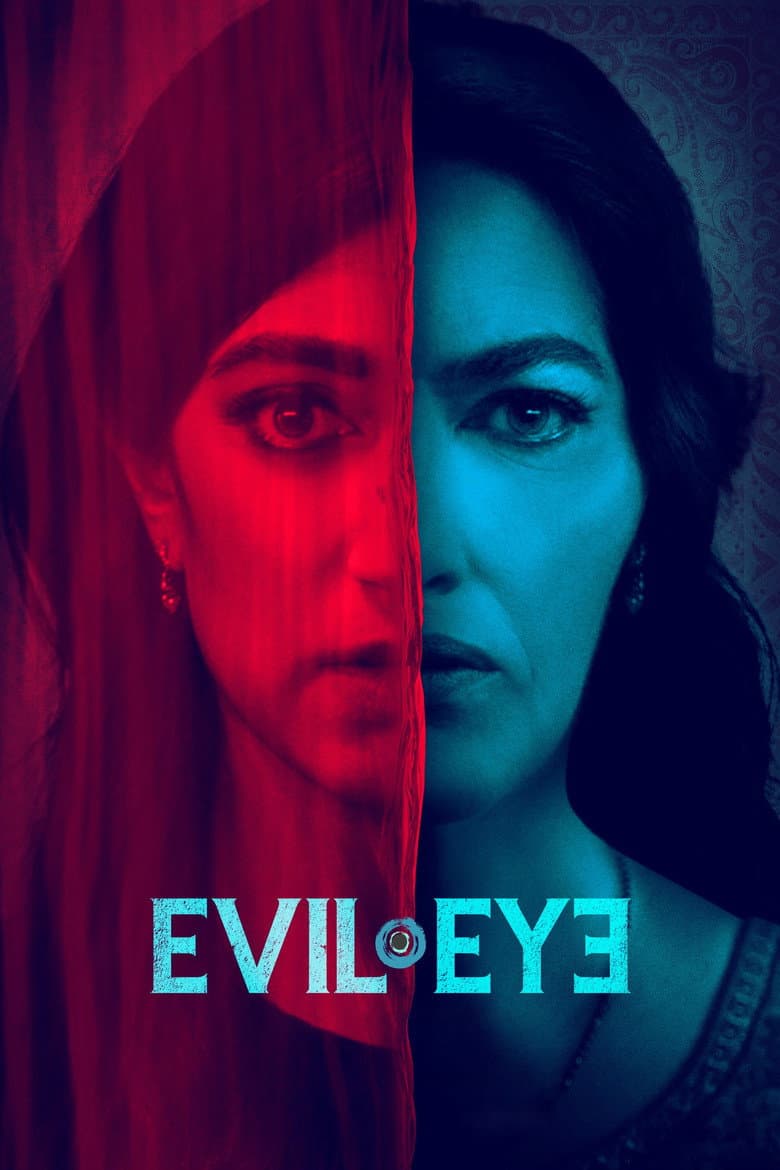
Evil Eye follows Pallavi, a 29-year-old writer who lives in New Orleans and tries to build a life on her own. Her mother, Usha, lives in Delhi and keeps pushing her toward marriage while warning her about the evil eye. Pallavi starts dating Sandeep, a rich and charming man who soon controls her with gifts, money, and pressure to leave her job. Usha then sees a link between Sandeep and the violent boyfriend who nearly killed her years earlier, which turns the romance into a tense supernatural thriller.
The movie makes the mother and daughter bond the center of its message. It presents marriage pressure, male control, and fear of abuse as dangers that can pass from one generation of women to the next. Pallavi is an independent adult, and the story supports her right to choose her own partner and work. The ending asks mothers and daughters to face abusive men together and to stop blaming women for the harm done to them.
Community feedback
Was our 56% Woke rating accurate?
Breakdown
These are the editorial factors and ratings behind our score for Evil Eye.
Woke representation / casting
The movie gives the mother, daughter, boyfriend, father, and most main roles South Asian identities. The Delhi and New Orleans family story makes those choices fit the characters and places. The creators also presented the cast and team as a rare chance for South Asian representation. This creates a clear identity focus, but the casting does not look like a random mix or a mismatch with the story.
38%
Woke political dialogue
Pallavi says her mother made her feel like a failure because she was single even though she paid her bills. Pallavi calls herself a woman in the 21st century while checking Sandeep’s past. The ending says abusive men will keep appearing and tells future daughters not to blame themselves. These lines return during the main conflict, but the film does not stop for a long political speech.
39%
Identity-driven story themes
The movie centers on two women who face the lasting harm of an abusive man. Usha’s fear shapes the mystery, and Pallavi must learn to spot control in her own romance. The ending turns their bond into a lesson passed from mothers to daughters about facing abusive men together. The story treats women’s safety, trust, and freedom from blame as its main answer to the danger.
58%
Western institutional / cultural critique
The movie shows marriage pressure as harmful when Usha treats Pallavi’s single life as a failure. It shows Sandeep using money, gifts, and an apartment to control Pallavi and push her to quit work. The story presents old family and gender roles as dangers that women must resist. The criticism stays close to this family and does not attack Christianity, capitalism, or a wider Western institution.
28%
Woke character or canon changes
Not relevant. The film adapts an original Audible play instead of an established franchise. No race, gender, sexuality, or hero-role change to an older character or real person appears.
0%
Anti-woke backlash and complaints
Not present. The checked reaction focuses on weak scares, acting, accents, and South Asian themes. No clear complaint says the film pushes woke, DEI, or identity politics.
0%
Creator track record context
The writer and directors show moderate representation-related context, and their interviews connect the film to Indian culture and underrepresented stories. Priyanka Chopra Jonas and Anjula Acharia add stronger South Asian and women-focused context around the production. Most of the other producers have little public activist or identity-focused history. The film matches a representation-minded context, but the team is not known as strongly partisan.
44%
Production
Movie · 2017
A young man and his three younger siblings are plagued by a sinister presence in the sprawling manor in which they live.

Movie · 2025
A troubled man starts working at a retirement home and realizes its residents and caretakers harbor sinister secrets.

Movie · 2024
After reluctantly moving to the German Alps with her father and his new family, Gretchen discovers that their new town hides sinister secrets, as she's plagued by strange noises…
Movie · 2017
1920, rural Ireland. Anglo-Irish twins Rachel and Edward share a strange existence in their crumbling family estate.

Movie · 2019
High school loner Bird Fitcher has no idea what dark secrets are tied to the mysterious Polaroid vintage camera she stumbles upon, but it doesn't take long to discover that those…

Movie · 2019
Newcomer Evan joins a group of teens on a getaway in Joshua Tree. While exchanging ghost stories around the campfire, Evan reads aloud a mysterious chant from an internet site.
Movie · 2021
A female serial killer who killed four young girls is sent away to prison, but a fifth victim escaped with her life.
Movie · 2020
When a father is forced to abruptly depart for work, he leaves his children, Aidan and Mia, at their holiday home in the care of his new girlfriend, Grace.
