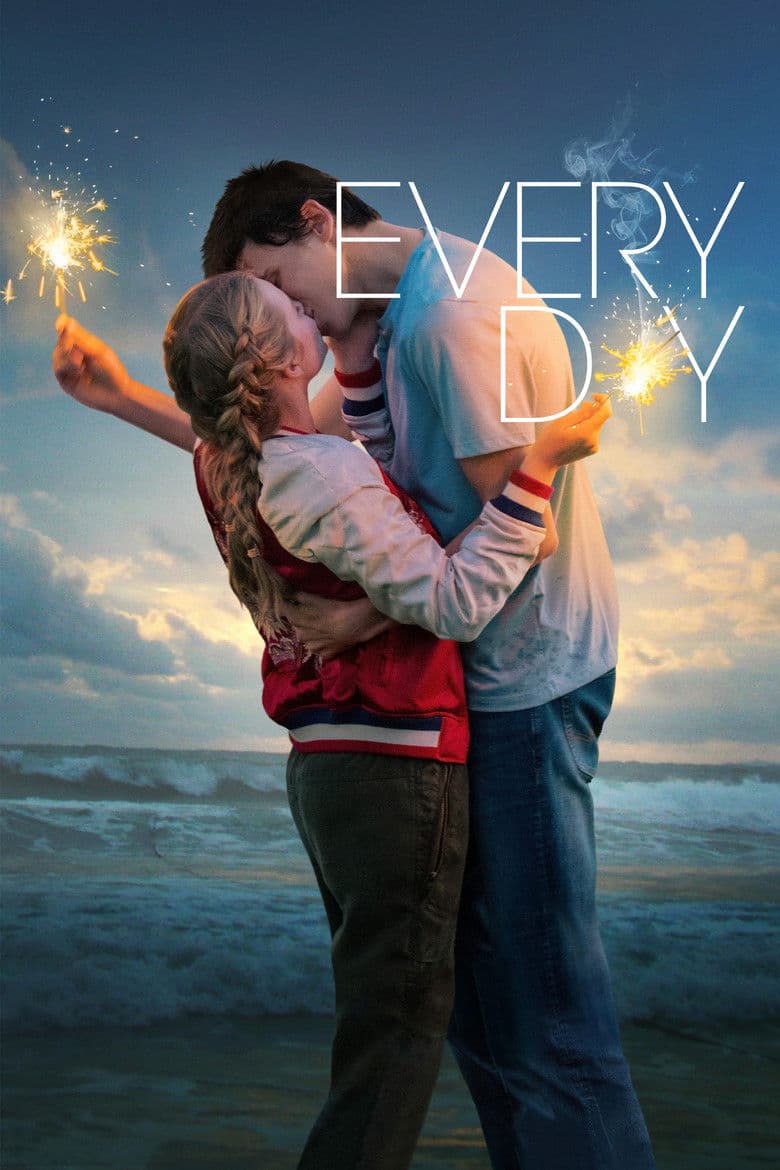
Rhiannon is a quiet 16-year-old who feels stuck with her selfish boyfriend, Justin, and a tense family life. One day, a wandering spirit named A wakes inside Justin and gives her the warm day she has wanted from him. A enters a different teenager every morning, so Rhiannon must keep finding the same soul behind a new face and body. The movie uses a soft and sad teen romance to ask whether their love can survive a life with no stable body or future.
The main woke element is the romance with A, who lives in male and female bodies and does not claim one fixed sex. Rhiannon kisses A in both male and female bodies, and the story asks her to value the inner person over sex, race, looks, size, or disability. A appears through a wide mix of races, body types, and identities, including a transgender teen and a blind teen. These ideas drive the whole love story, though most of the longer romantic scenes use male bodies and the ending points Rhiannon toward a boy.
Community feedback
Was our 76% Woke rating accurate?
Breakdown
These are the editorial factors and ratings behind our score for Every Day.
Woke representation / casting
A appears through an openly planned mix of male, female, transgender, blind, white, Black, Asian, and Pacific Islander teenagers. These actors all play forms of the central romantic character. The film also shows a wide range of body sizes and physical ability. This visible range supports the message that identity and appearance should not limit love.
45%
Woke political dialogue
A tells Rhiannon that a person's body does not always match the mind. A answers “yes” when asked whether A is a boy or a girl. A also says that people can feel attraction to more people than they expect. These lines appear at key points, but most of the dialogue stays focused on romance and the rules of body changing.
35%
Identity-driven story themes
The full romance depends on A having no fixed sex, race, body, or outward identity. Rhiannon learns to love A in both male and female bodies. The story treats the inner self as more important than sex, looks, race, size, or disability. Most longer romantic scenes still use male bodies, but queer and gender-fluid ideas remain central to the plot.
84%
Western institutional / cultural critique
The story challenges the usual idea that romance depends on fixed sex and physical attraction. Rhiannon accepts a relationship that can look straight or gay from one day to the next. A also questions simple male and female labels. The film does not attack religion, marriage, government, or capitalism.
38%
Woke character or canon changes
Not relevant. The film moves the viewpoint from A to Rhiannon and adds a family story for her. These are normal adaptation choices without an identity-driven change to an established character.
0%
Anti-woke backlash and complaints
Several conservative Christian outlets said the film promotes gender confusion and makes same-sex attraction seem normal. One review called it an LGBTQ message film aimed at young viewers. Another objected to separating inner identity from physical sex. These complaints were clear but did not grow into a broad mainstream controversy.
34%
Creator track record context
David Levithan has a strong record of queer books and youth work. Michael Sucsy has a smaller record of public LGBTQ support. Daniel Bekerman has backed DEI and filmmakers from minority groups. Jesse Andrews and most other listed crew members have low or no activist records.
36%
Production
Movie · 2016
Lucinda Price is sent to a reform academy under the assumption that she has killed a boy. There, she meets two mysterious boys, Cam and Daniel, to whom she feels drawn to both.
Movie · 2021
Two teenagers trapped in an endless time loop set out to find all the tiny things that make that one day perfect.
Movie · 2019
A struggling musician realizes he's the only person on Earth who can remember The Beatles after waking up in an alternate reality where the group was forgotten.
Movie · 2017
Recently deceased, a white-sheeted ghost returns to his suburban home to console his bereft wife, only to find that in his spectral state he has become unstuck in time, forced to…
Movie · 2024
A gothic tale of obsession between a haunted young woman and the terrifying vampire infatuated with her, causing untold horror in its wake.
Movie · 2024
Harriet finds art imitating life when she discovers certain songs can transport her back in time – literally.
Movie · 2019
A boy is given the ability to become an adult superhero in times of need with a single magic word.
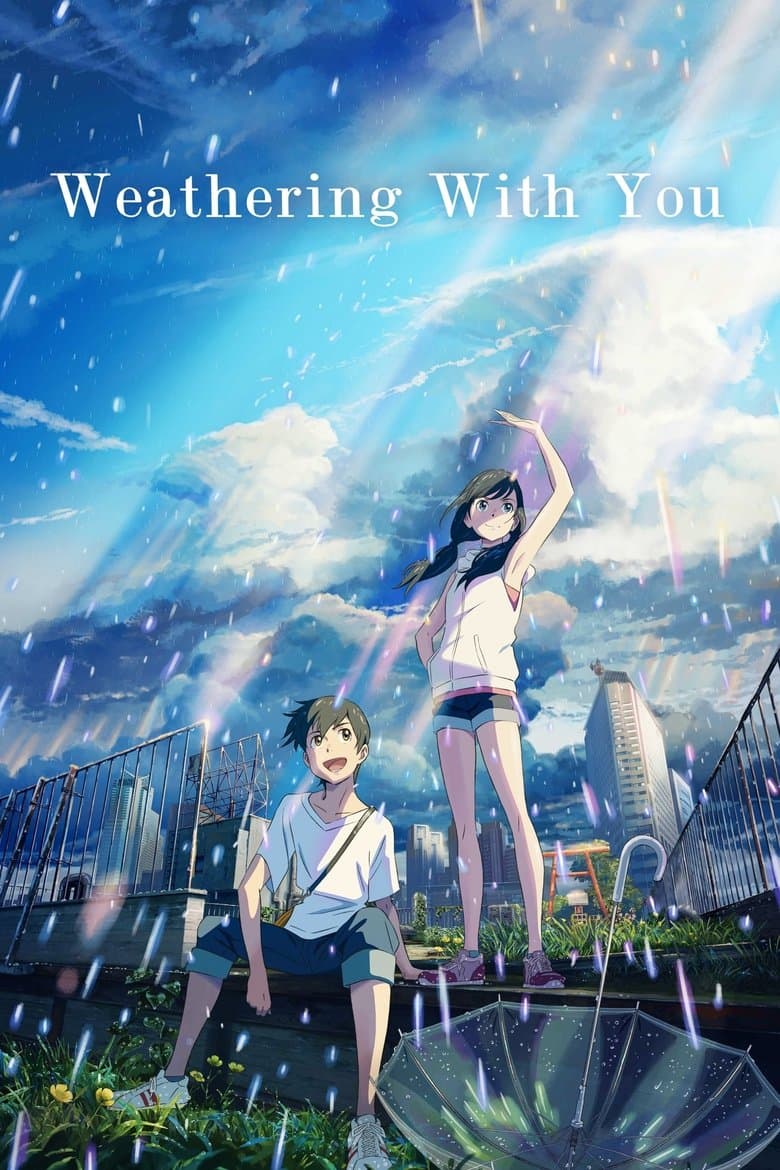
Movie · 2019
The summer of his high school freshman year, Hodaka runs away from his remote island home to Tokyo, and quickly finds himself pushed to his financial and personal limits.
