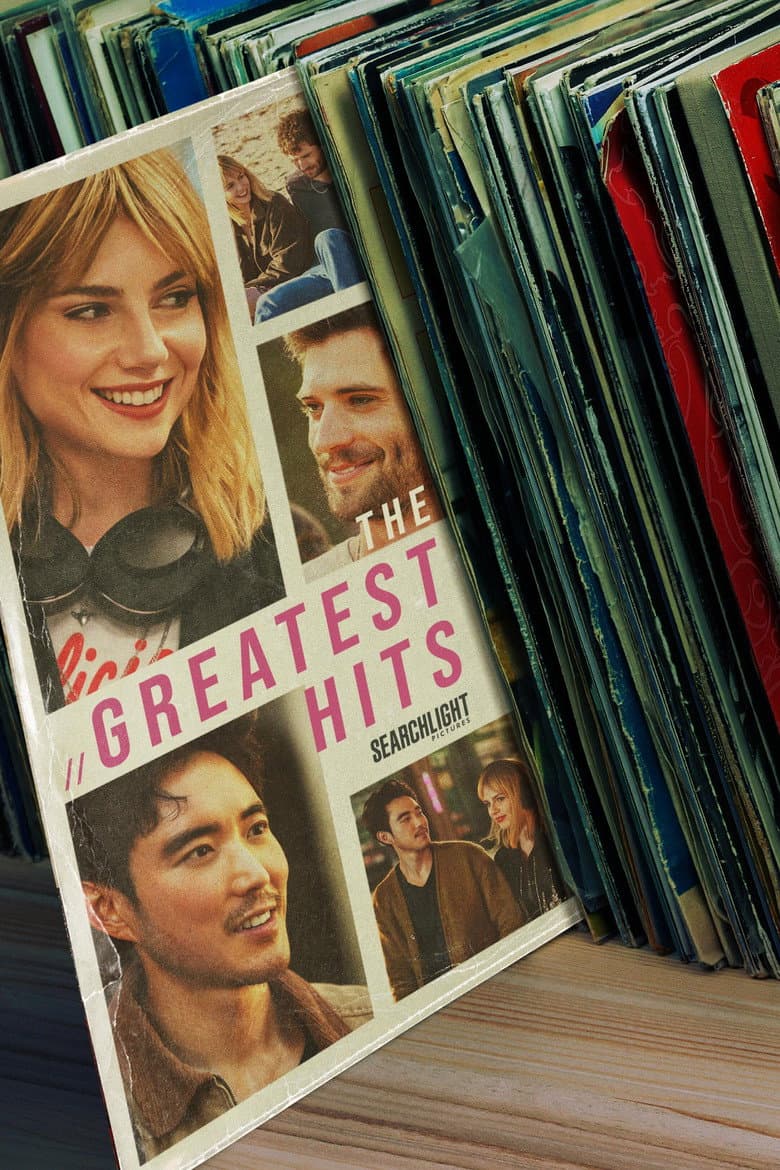
Harriet is a young music producer in Los Angeles who cannot get past Max’s death in a car crash. Songs linked to their time together pull her back to the exact moment when she first heard them. She tries to change what happened to Max while she meets David, a man who is grieving his parents. The movie is a soft romantic fantasy about memory, loss, and choosing a future.
Harriet’s close friend Morris is a gay Black DJ, and he brings her into his nightlife circle. A party at a drag disco shows drag performers and queer guests in a warm, fun way. David is Asian American and becomes Harriet’s new straight love interest. These people and scenes add visible representation, but the main plot stays on grief and a straight love triangle.
Community feedback
Was our 16% Woke rating accurate?
Breakdown
These are the editorial factors and ratings behind our score for The Greatest Hits.
Woke representation / casting
Morris is Harriet’s gay black best friend and a club DJ. The film shows a drag disco with drag performers and queer guests as a friendly social setting. David is an Asian American leading man in a romance with Harriet. The story does not make race or sexuality the main conflict.
25%
Woke political dialogue
Not present. The dialogue centers on grief, music, romance, and whether Harriet should alter the past.
0%
Identity-driven story themes
Not present. The main story follows Harriet’s loss of Max and her choice between the past and a new relationship.
0%
Western institutional / cultural critique
Not present. The movie does not build its story around attacks on family, religion, men, or Western institutions.
0%
Woke character or canon changes
Not present in this title.
0%
Anti-woke backlash and complaints
Not present. Research did not show clear anti-woke or anti-left complaints about the movie.
0%
Creator track record context
Writer Ned Benson has a cached score of 0 and no known activist public record. Producer Hilton Smith has a cached score of 49 due to earlier work with social themes. The other listed producers and crew have low cached scores. The title’s interviews focus on music and grief instead of identity messaging.
15%
Production
Movie · 2025
Morgan Grant and her daughter Clara explore what's left behind after a devastating accident reveals a shocking betrayal and forces them to confront family secrets, redefine love…
Movie · 2022
Known as America’s Poet, Henry Wadsworth Longfellow leads an idyllic life – until the day his world is shattered by tragedy.

Movie · 2025
Two artistic souls find harmony through music despite their contrasting worlds. As feelings deepen, age and circumstances challenge their undeniable bond.
Movie · 2020
When illness strikes two people who are polar opposites, life and death bring them together in surprising ways.
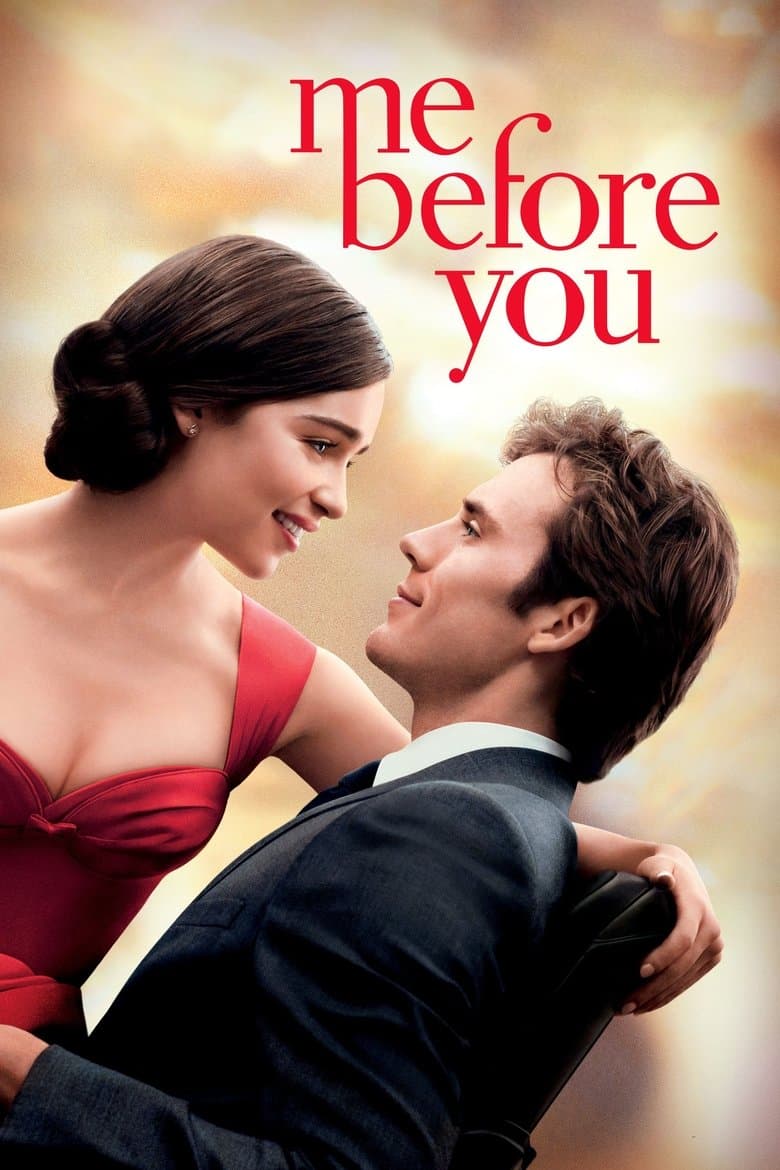
Movie · 2016
Lou Clark, a directionless 26-year-old from the English countryside, takes a job at the local castle as a caregiver and companion to a wealthy young banker, Will Traynor.
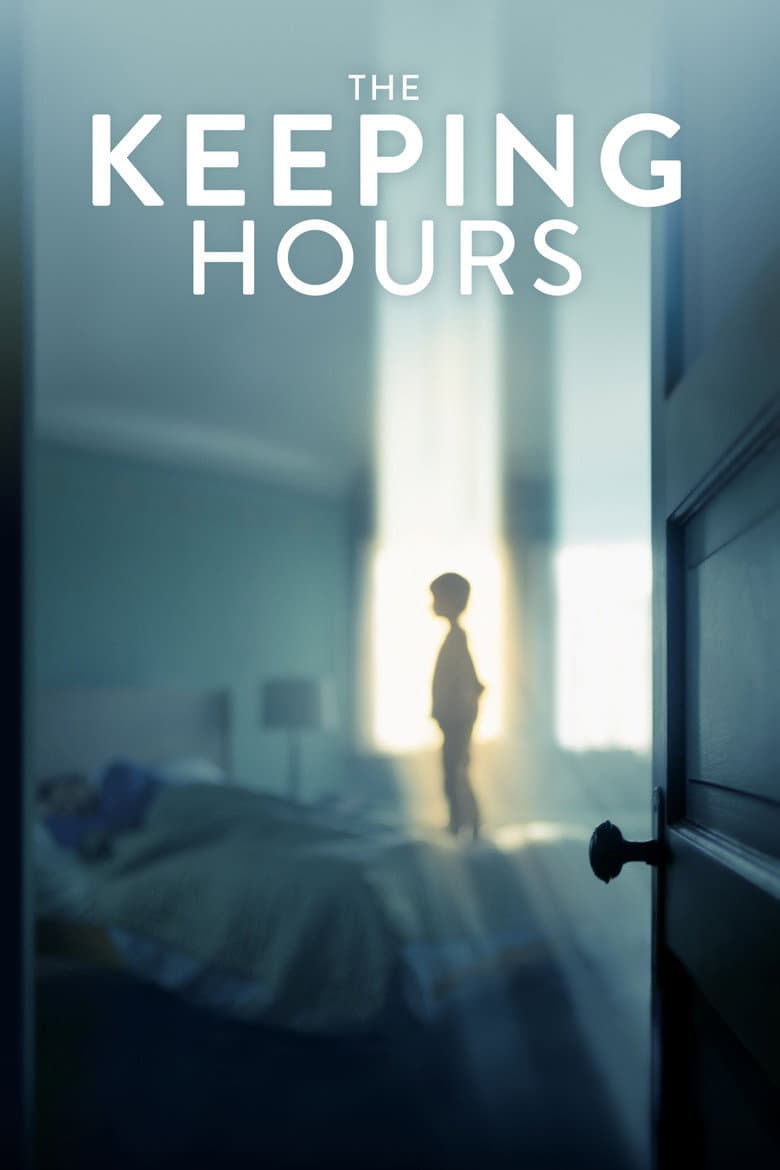
Movie · 2017
A supernatural love story that centers on two parents whose life together falls apart after their son dies. The man, now a successful lawyer, and the woman, now married and an…
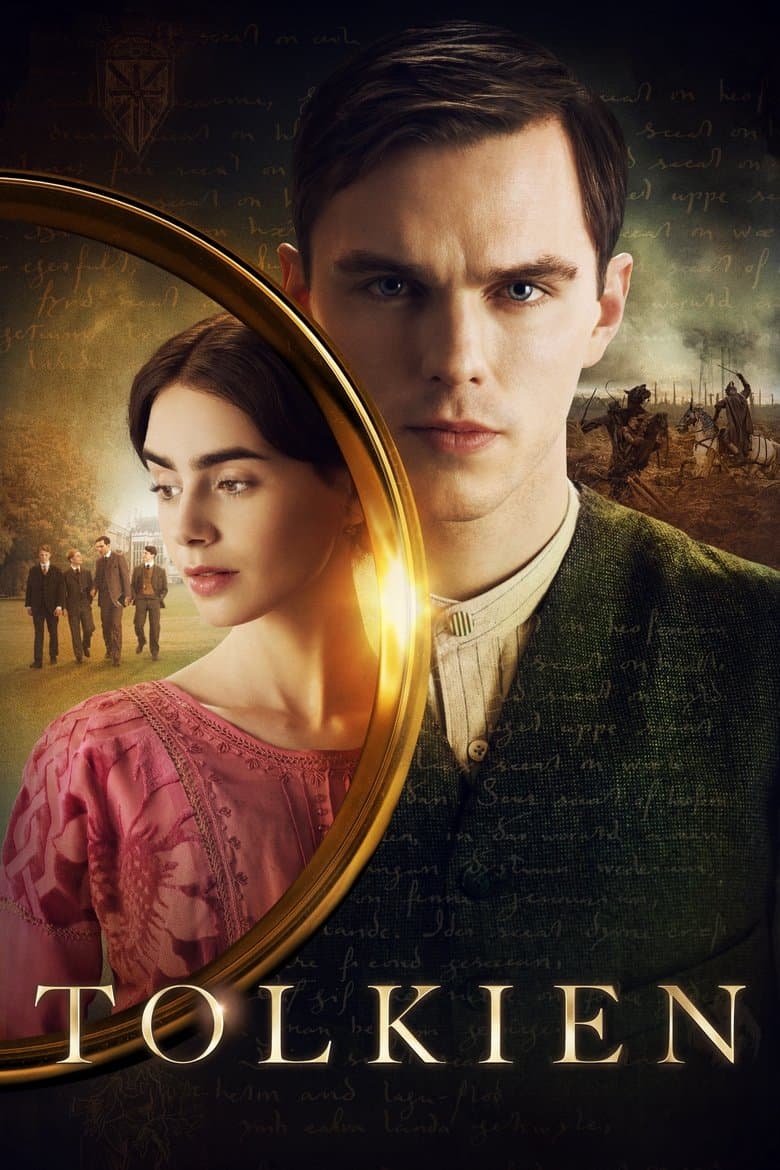
Movie · 2019
England, early 20th century. The future writer and philologist John Ronald Reuel Tolkien (1892-1973) and three of his schoolmates create a strong bond between them as they share…
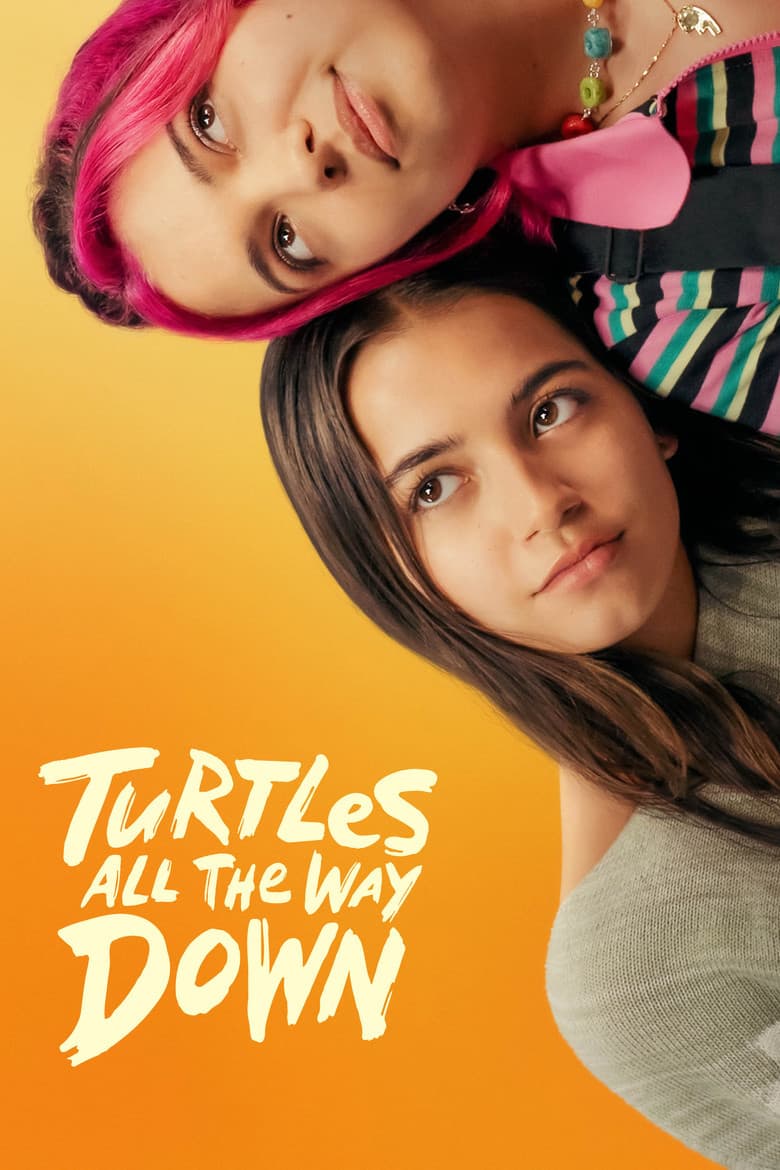
Movie · 2024
Aza confronts her potential for love, happiness, friendship, and hope while navigating an endless barrage of invasive, obsessive thoughts.
