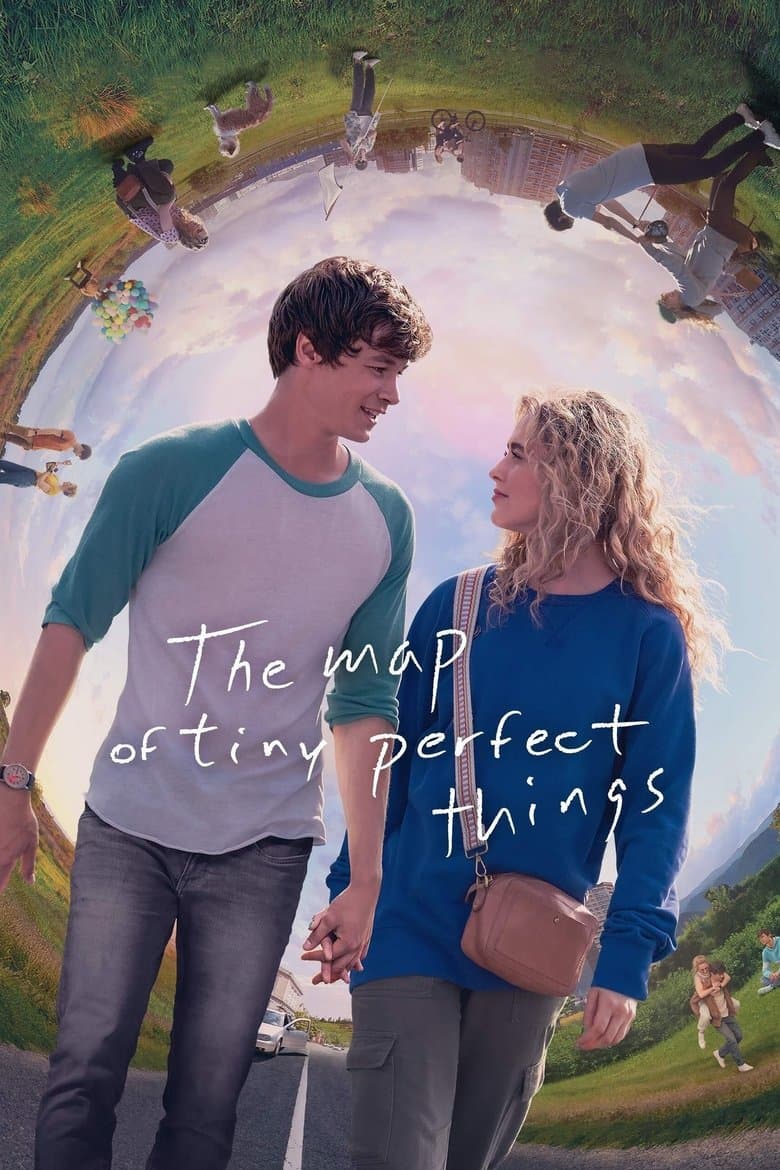
Mark is a teen stuck living the same summer day again and again. He has learned every beat of the day and fills it with small tricks and good deeds. Then he meets Margaret, a girl who is trapped in the same loop. Together they hunt for tiny perfect moments in their town, while a secret keeps Margaret from wanting the day to end. The mood is sweet, sad, and young-adult romance with a light fantasy twist.
The movie is mainly about first love, grief, and learning to face tomorrow. Margaret’s mother is dying of cancer, and the loop is tied to her fear of losing her. Mark learns the day is really Margaret’s story, not only a boy-meets-girl adventure. Viewers will notice Margaret as a smart science-minded girl who wants to work for NASA, and the teens share light talk about hard future fears. Those bits sit in the background. The heart of the film is saying goodbye, finding small joys, and moving on, not a big identity or activist message.
Community feedback
Was our 16% Woke rating accurate?
Breakdown
These are the editorial factors and ratings behind our score for The Map of Tiny Perfect Things.
Woke representation / casting
Leads are a white teen couple. Supporting roles include a black best friend (Henry) and an Asian friend (Phoebe) without heavy identity focus. Margaret is shown as very good at math and science and dreams of NASA, which some will read as a capable-girl type. Casting feels modern and light, not quota-led or the main point of the film.
18%
Woke political dialogue
Dialogue stays on the loop, romance, family stress, and grief. There is brief teen worry about big future problems such as climate change. No long activist speeches, no race or gender lectures, and no party politics.
12%
Identity-driven story themes
Story is driven by love, loss, and growing up. The big turn is that the loop belongs to Margaret’s grief over her mother’s cancer, not Mark’s hero arc. That is personal and emotional. It is not a race, gender-identity, or queer identity story.
0%
Western institutional / cultural critique
Mark fights with his dad about art school after learning dad was fired, not that he quit. That is family money stress. The film does not attack churches, capitalism, traditional family, or Western culture as systems.
0%
Woke character or canon changes
Not relevant. Grossman adapted his own short story. Changes (expanded plot, different cameos) read as normal movie work, not identity swaps of known characters or history.
0%
Anti-woke backlash and complaints
No real anti-woke campaign or news fight. Some viewers online call the movie non-woke and pleasant. Complaints, when they appear, are about pace or tropes, not DEI or agenda push.
0%
Creator track record context
Writer Lev Grossman has a moderate identity-forward record in other books. Directors score near zero for activism. Most producers are low; one has a stronger feminist-linked credit elsewhere. For this crew overall, the activist track record is mild.
18%
Production
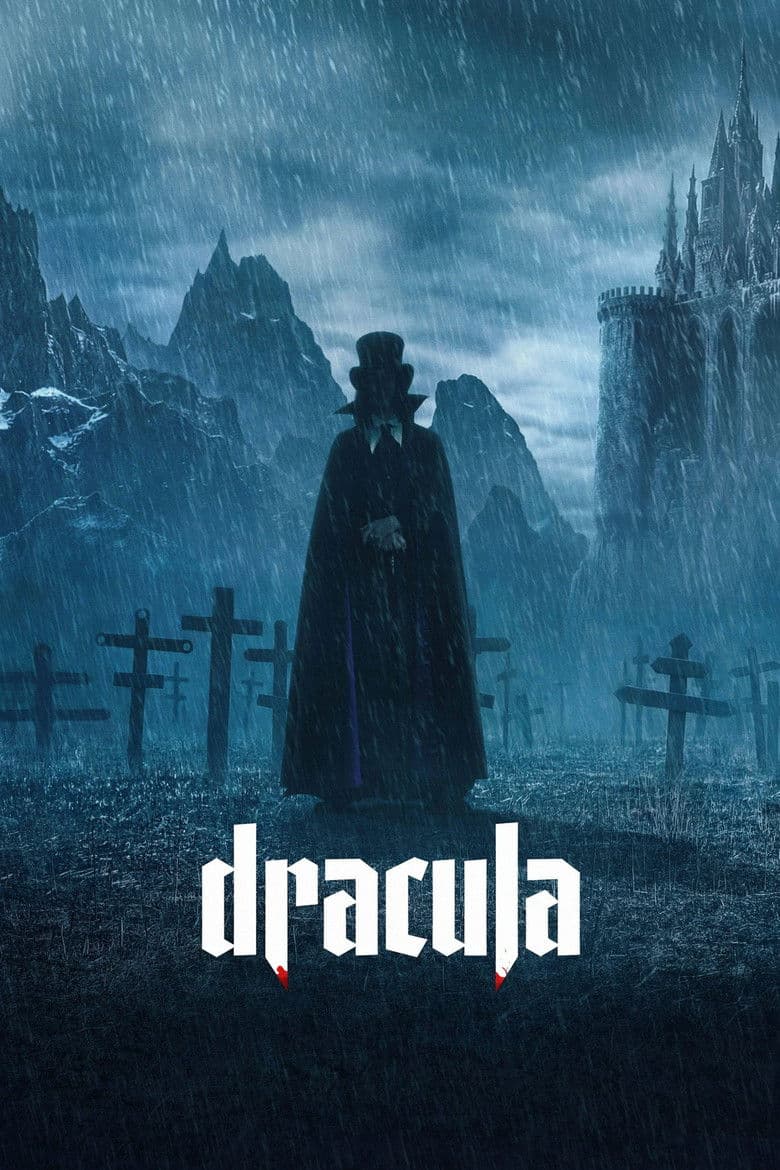
Movie · 2025
In late 15th-century Eastern Europe, Prince Vlad II’s bride is brutally murdered. As a result, he renounces God and damns Heaven itself.
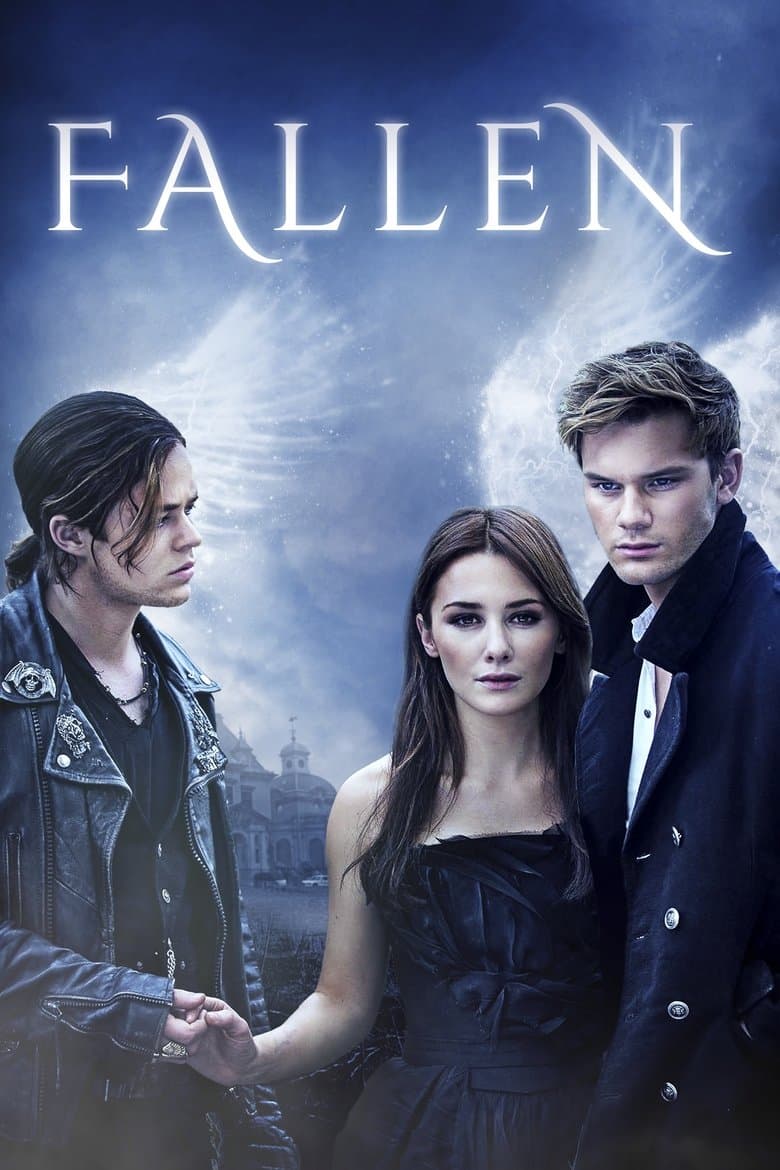
Movie · 2016
Lucinda Price is sent to a reform academy under the assumption that she has killed a boy. There, she meets two mysterious boys, Cam and Daniel, to whom she feels drawn to both.
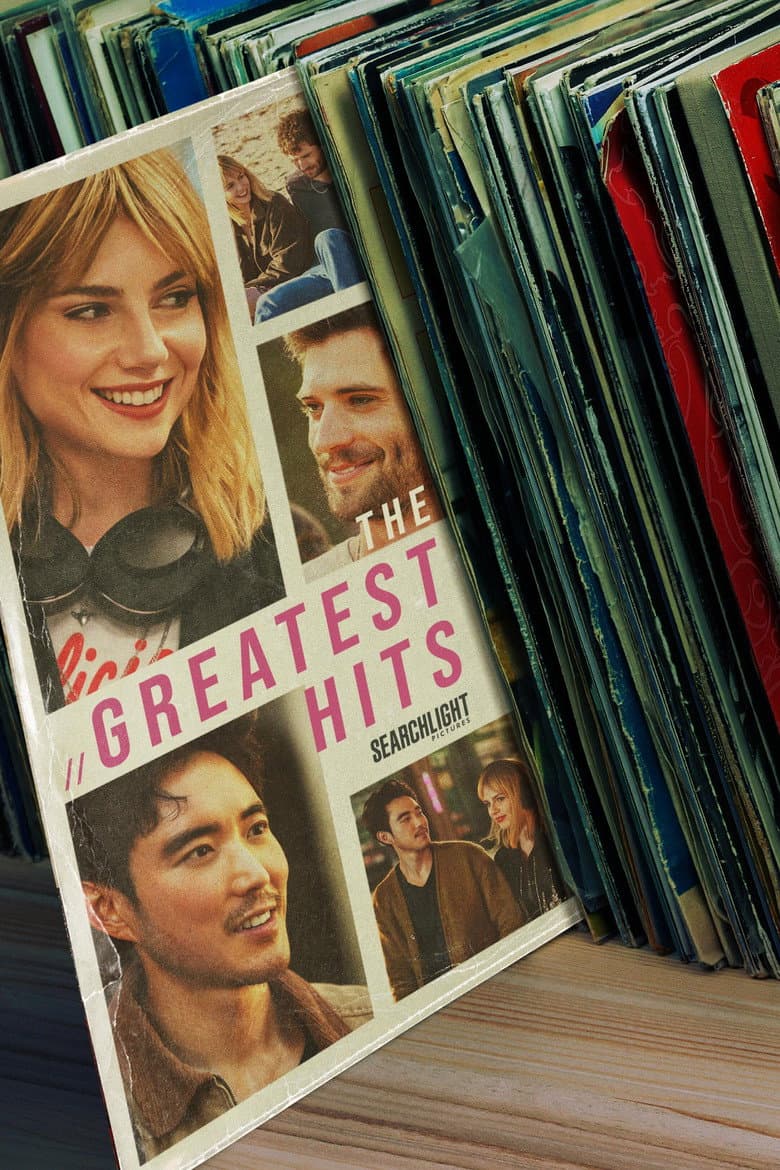
Movie · 2024
Harriet finds art imitating life when she discovers certain songs can transport her back in time – literally.
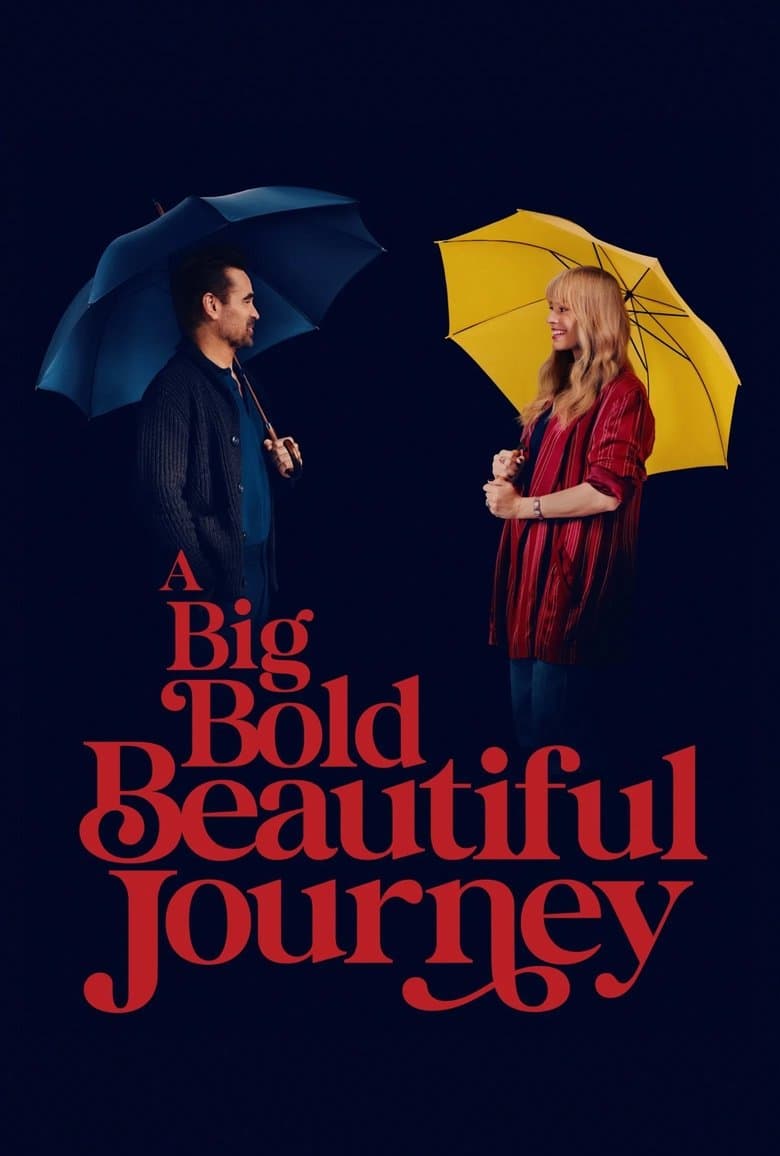
Movie · 2025
Sarah and David are single strangers who meet at a mutual friend’s wedding and soon, through a surprising twist of fate, find themselves on a funny, fantastical, sweeping…
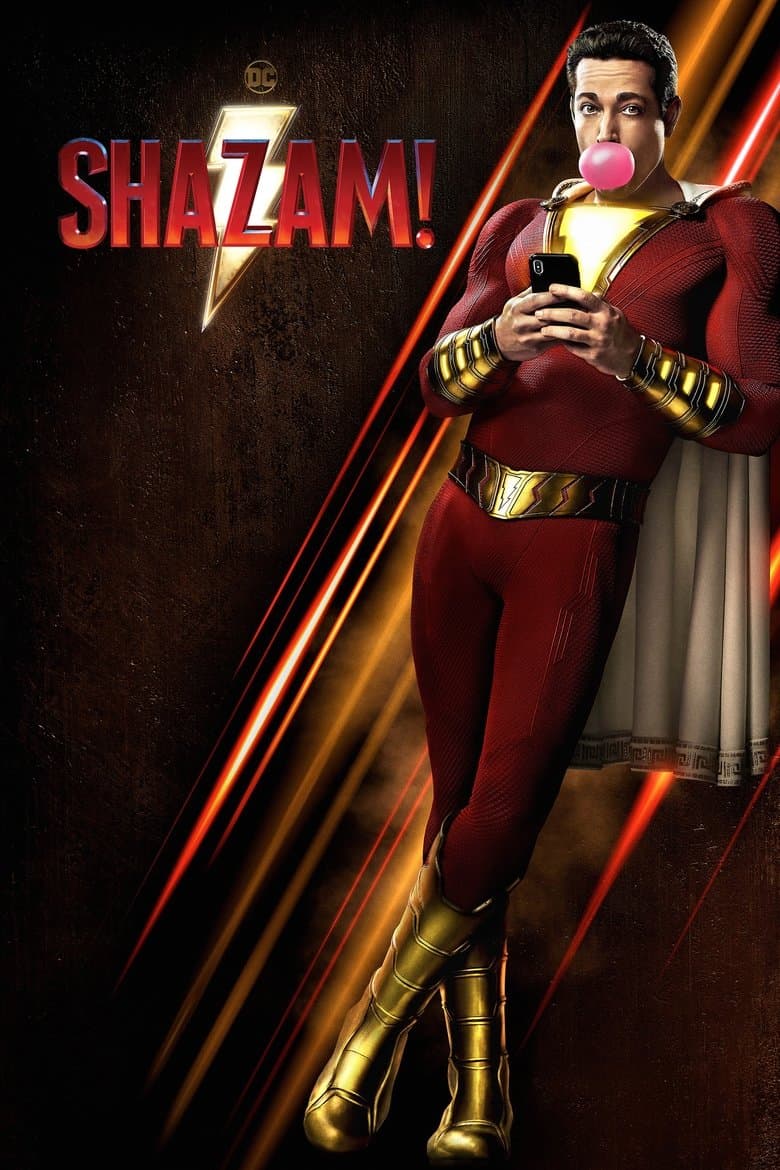
Movie · 2019
A boy is given the ability to become an adult superhero in times of need with a single magic word.
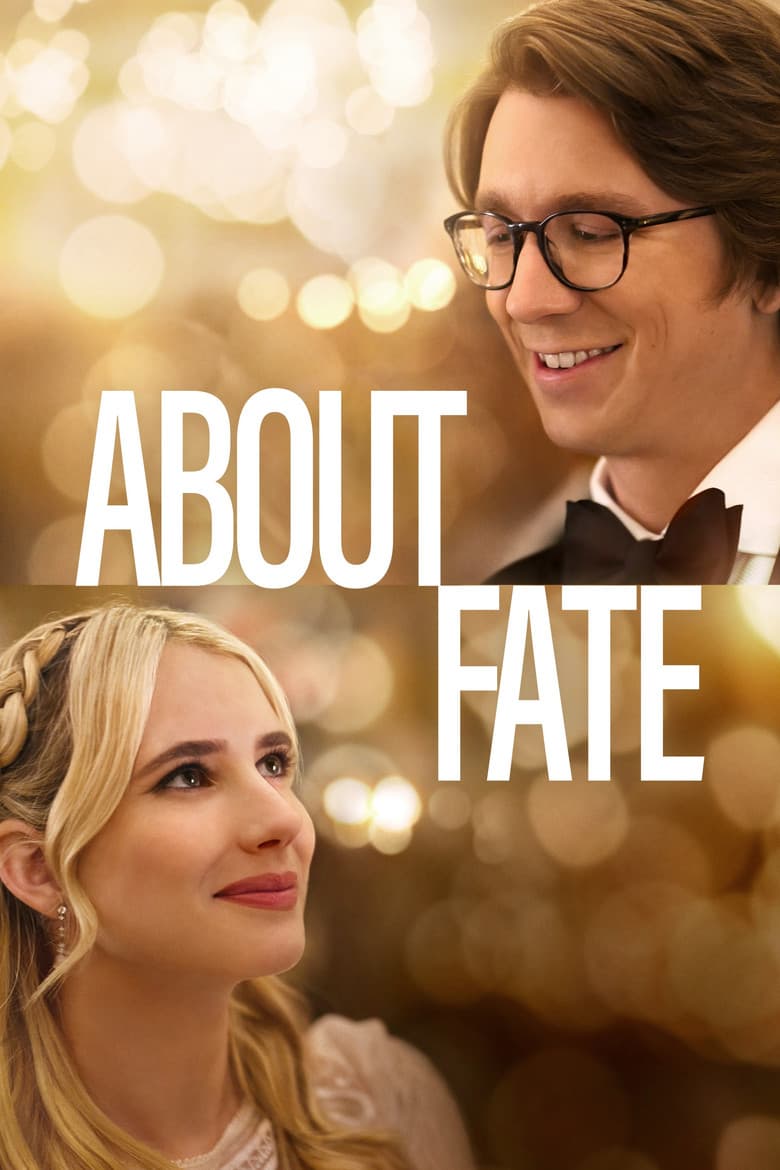
Movie · 2022
Two strangers believe in love but never seem to be able to find its true meaning. In a wild twist of events, fate puts each in the other's path on one stormy New Year's Eve.

Movie · 2022
A new adventure begins for Luffy and his crew when mysterious pop superstar Uta unveils her identity — and launches a misguided plan for world peace.
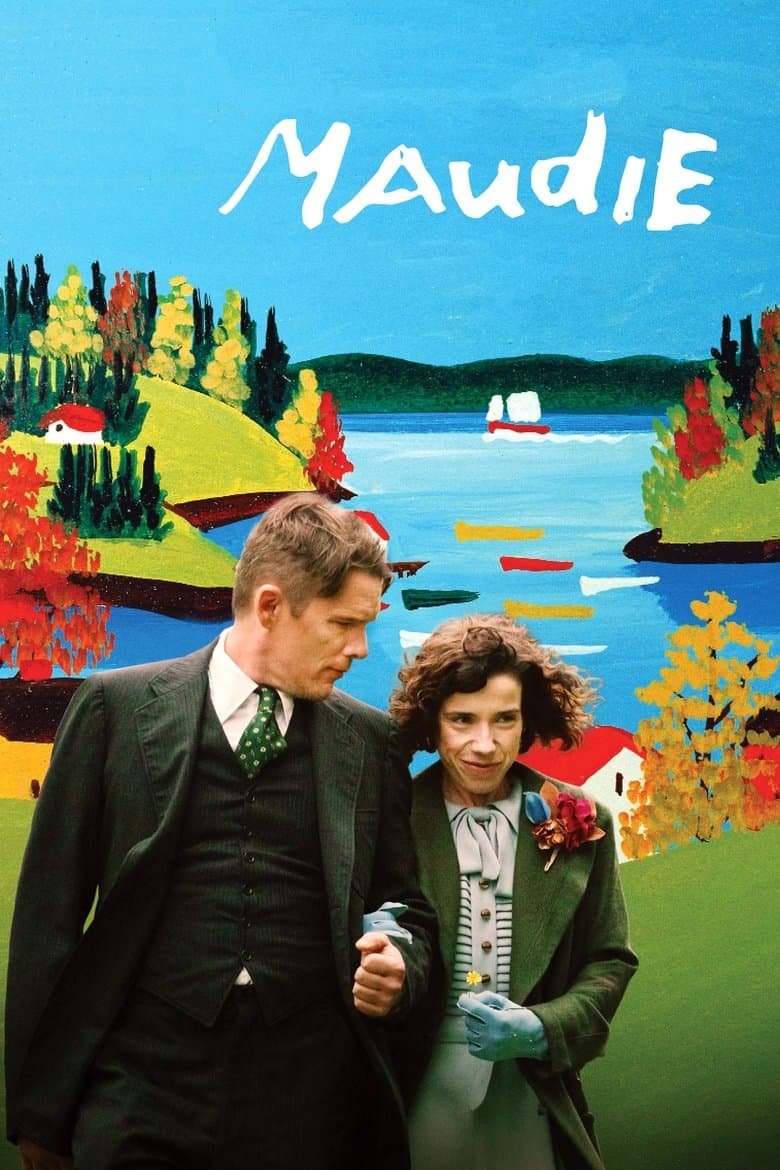
Movie · 2016
Canadian folk artist Maud Lewis falls in love with a fishmonger while working for him as a live-in housekeeper.
