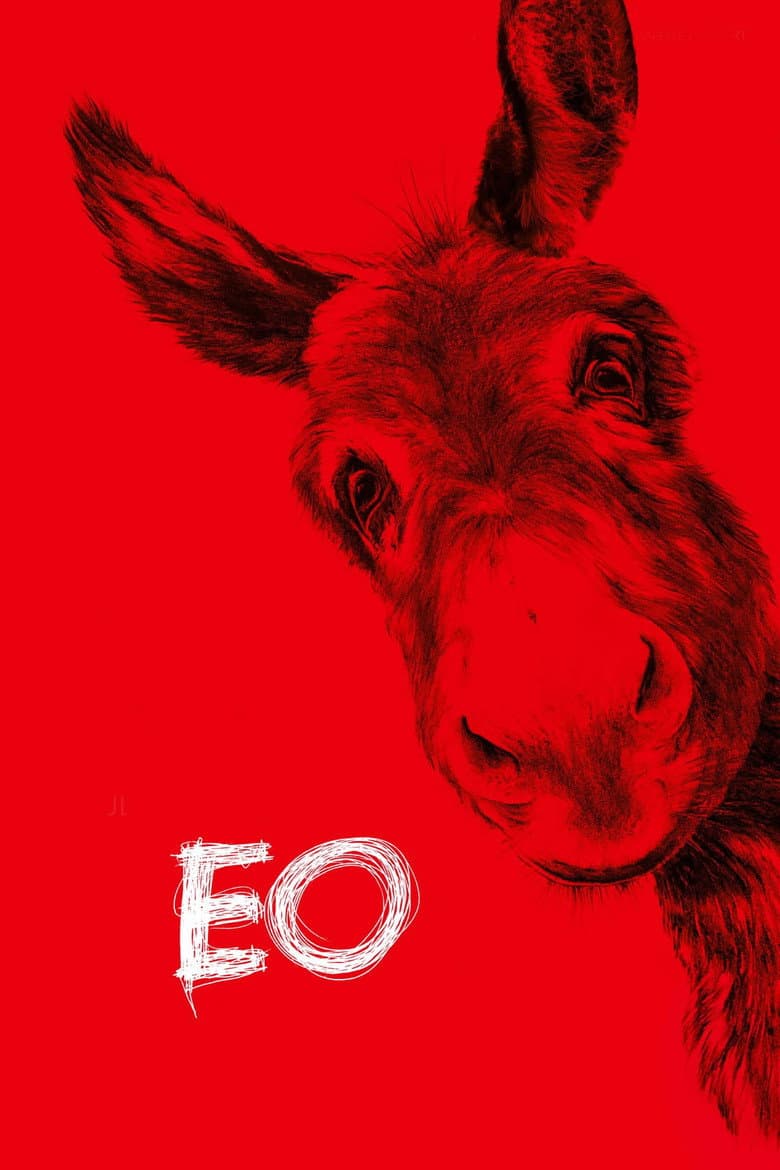
EO is a gentle gray donkey who performs with Kasandra in a Polish circus. Animal rights protesters and money trouble close the circus, so EO is taken away from the woman who loves him. He moves through farms, woods, towns, trucks, and an Italian estate as people help him, use him, or hurt him. The film is dreamlike, sad, and often tense because EO cannot control where humans send him.
The strongest activist element is the film’s clear stand against animal cruelty. EO sees hunted wildlife, trapped foxes, violent sports fans, animal traders, and cattle entering a slaughterhouse. These scenes make human use of animals the main moral concern, while smoke, machines, roads, and logging also show damage to nature. The story does not turn that message into a race, gender, or LGBT plot, and its few human subplots stay brief.
Community feedback
Was our 39% Woke rating accurate?
Breakdown
These are the editorial factors and ratings behind our score for EO.
Woke representation / casting
Not present. The small human cast fits the film’s modern Polish and Italian journey. A Black migrant woman appears briefly, but the film does not build a broad or forced diversity pattern around her.
0%
Woke political dialogue
Animal rights protesters confront the circus near the start. They publicly accuse it of cruelty, and the protest helps set EO’s journey in motion. The film has very little dialogue after this scene. The wider animal rights message comes through images and events instead of speeches.
18%
Identity-driven story themes
Not present. No race, gender, or LGBT identity theme drives the story. A brief scene involving a vulnerable migrant woman does not grow into an identity-based plot.
0%
Western institutional / cultural critique
The film repeatedly shows modern Europe as a system that uses animals. Circuses, hunters, logging, a fur farm, animal traders, roads, and the final slaughterhouse place human wants above animal life. EO’s innocence and final fate make this critique central to the story. The film attacks greed and large animal industries, but it does not name capitalism or a political party.
65%
Woke character or canon changes
Not relevant. EO takes basic inspiration from Au Hasard Balthazar but tells a new story. Its changes are not tied to race, gender, sexuality, or DEI goals.
0%
Anti-woke backlash and complaints
Not present. Broad news, review, and social searches found no meaningful right-leaning complaints about woke or identity-based messaging.
0%
Creator track record context
Director and writer Jerzy Skolimowski has a cached score of 9 based mainly on opposition to Stalin’s rule, not identity activism. Co-writer Ewa Piaskowska scores 6, while the listed producers range from 0 to 16. Casting director Paulina Krajnik is the main higher signal at 28, but the other listed casting director and script supervisor score 0.
11%
Production
Movie · 2024
Over the course of ten days and 435 miles, an unbreakable bond is forged between pro adventure racer Michael Light and a scrappy street dog companion dubbed Arthur.
Movie · 2018
In 1968, Donald Crowhurst, an amateur sailor, endangers the fate of his family and business, and his own life, blinded by his ambition to compete in the Sunday Times Golden Globe…
Movie · 2021
On a post-apocalyptic Earth, a robot, built to protect the life of his dying creator's beloved dog, learns about life, love, friendship, and what it means to be human.
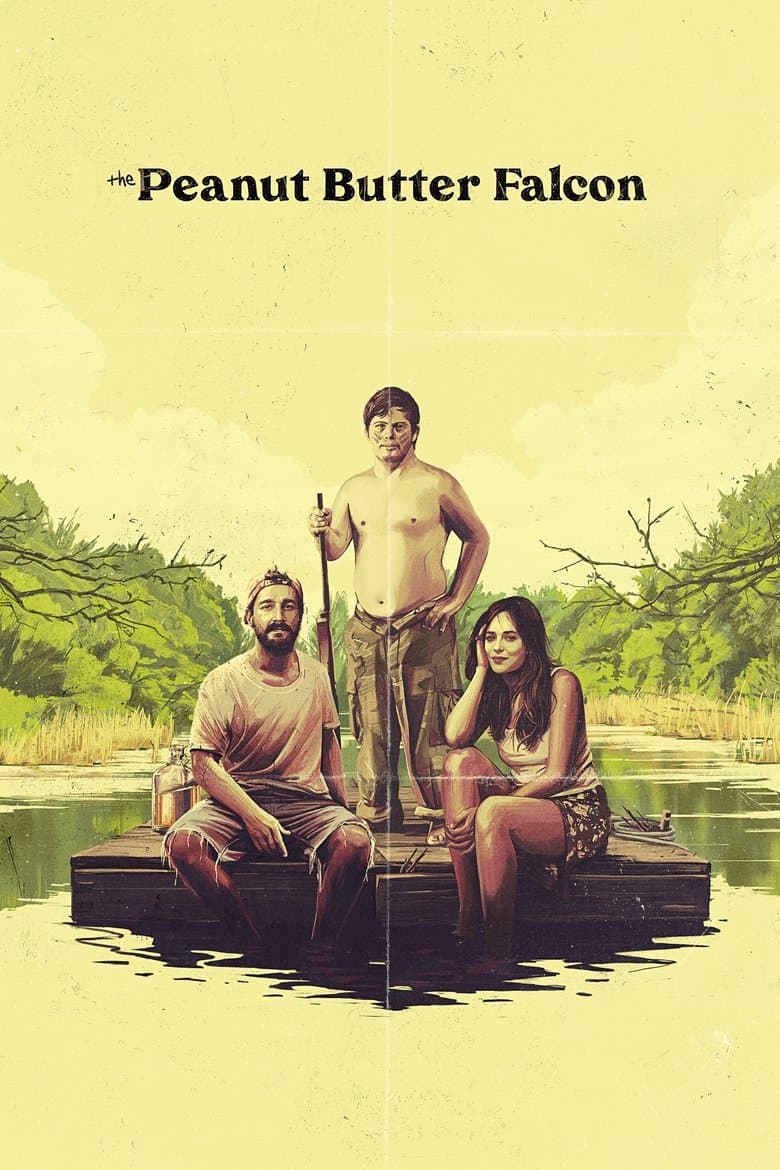
Movie · 2019
A down-on-his-luck crab fisherman embarks on a journey to get a young man with Down syndrome to a professional wrestling school in rural North Carolina and away from the…
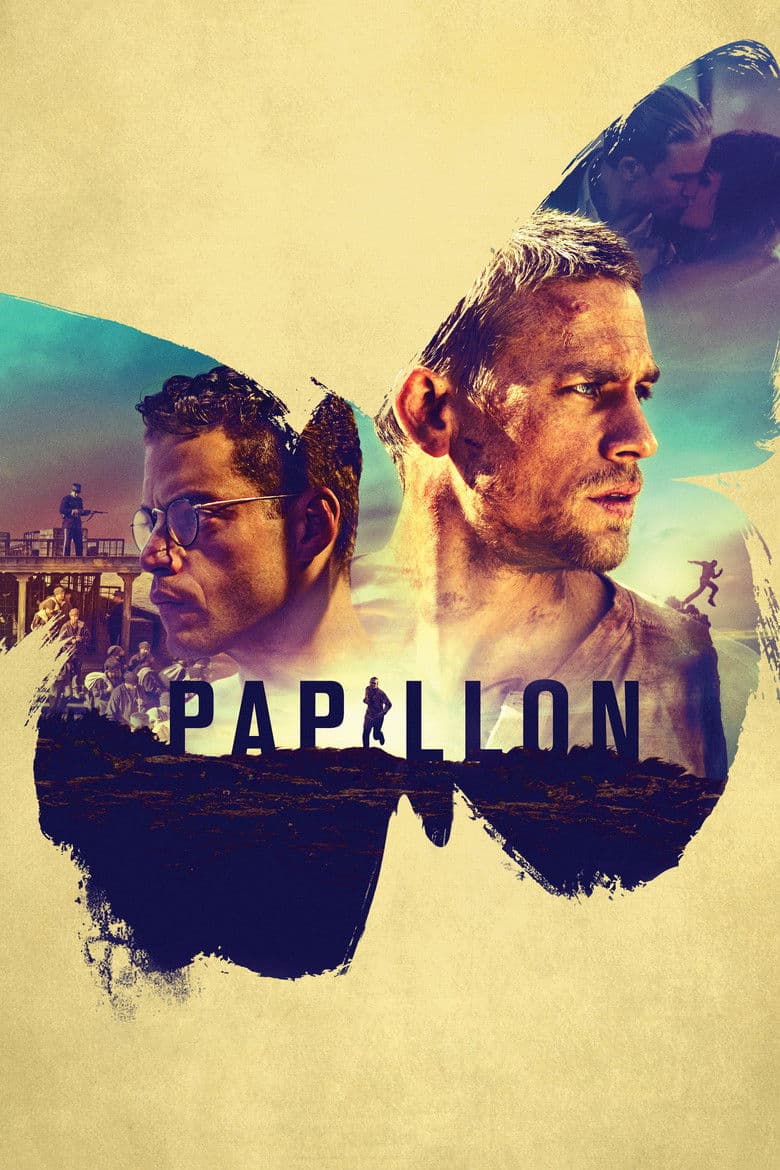
Movie · 2017
Henri “Papillon” Charrière, a safecracker from the Parisian underworld, is wrongfully convicted and sentenced to life imprisonment in the penal colony of French Guiana, where he…
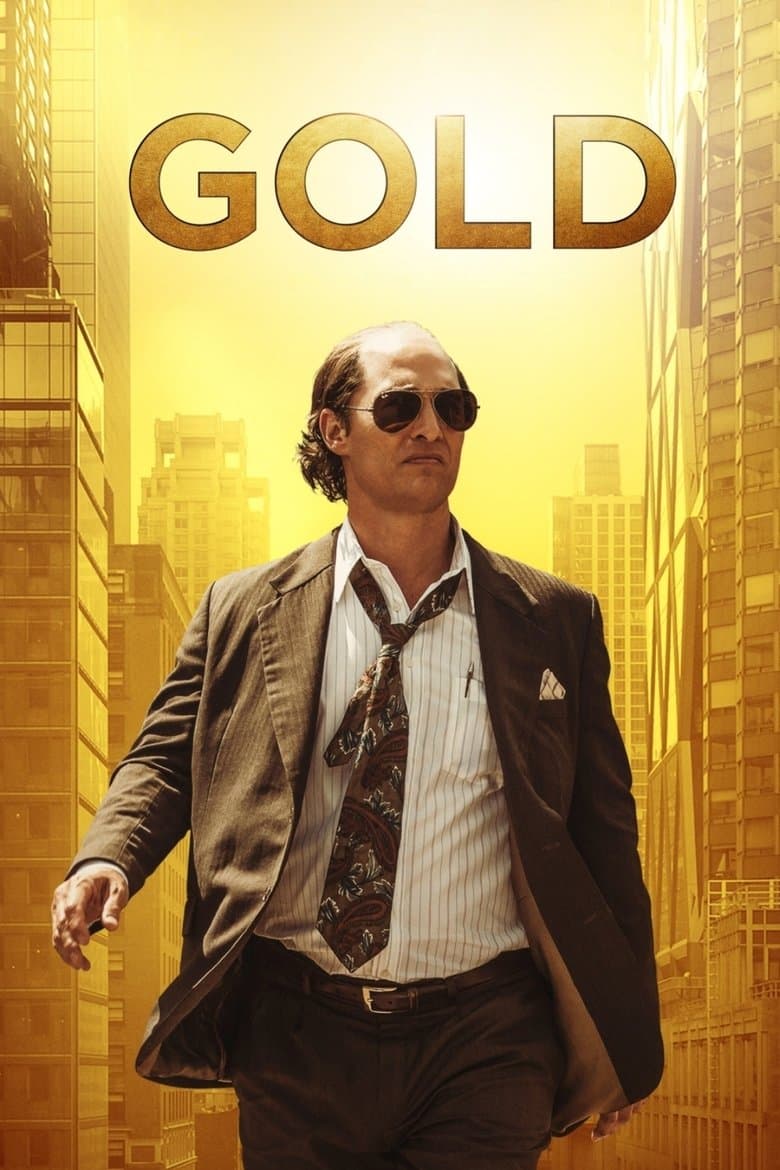
Movie · 2016
Kenny Wells, a modern-day prospector, hustler, and dreamer, is desperate for a lucky break. Left with few options, Wells teams up with an equally luckless geologist to execute a…
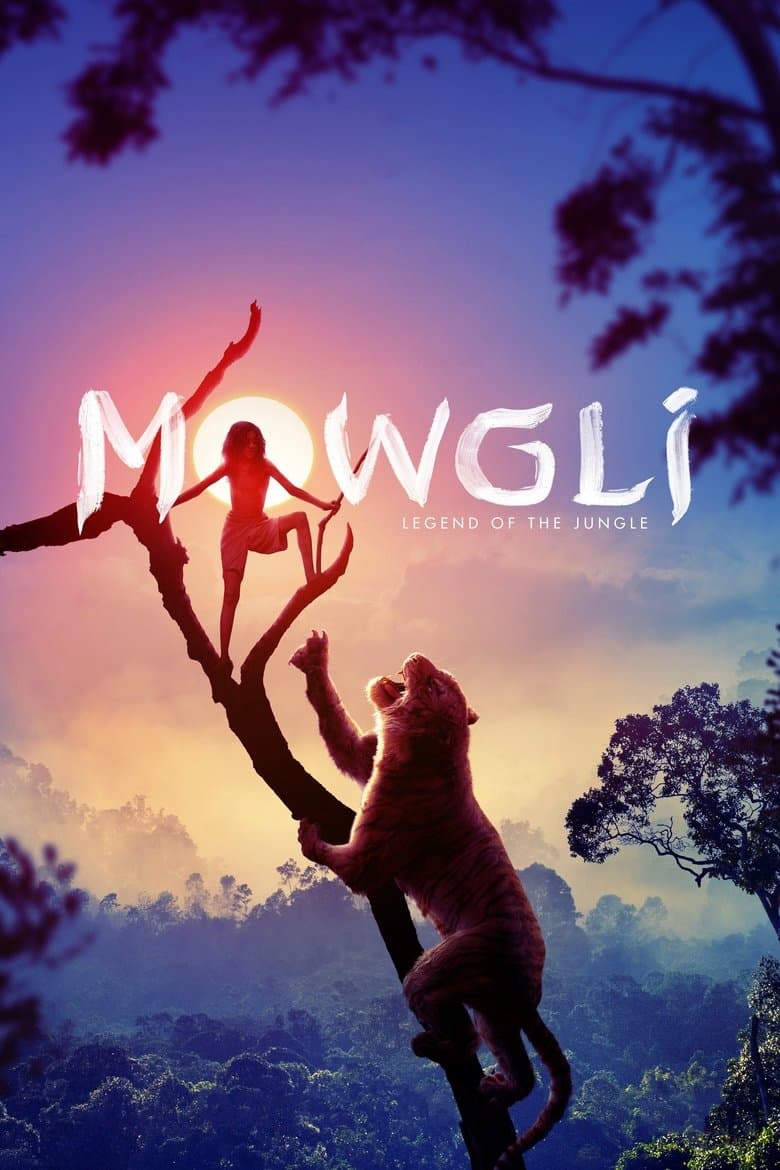
Movie · 2018
A human child raised by wolves, must face off against a menacing tiger named Shere Khan, as well as his own origins.
Movie · 2016
On his way out of the wilderness, Jesus struggles with the Devil over the fate of a family in crisis, setting himself up for a dramatic test.
