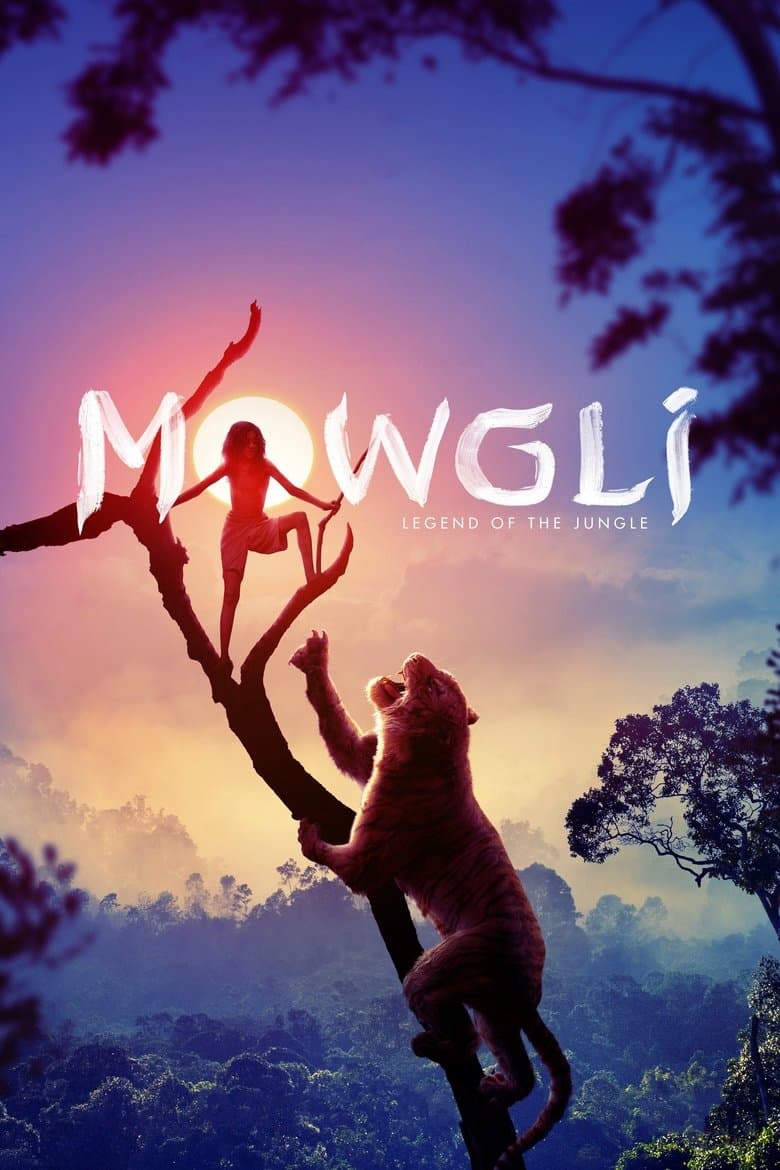
Mowgli is a human boy who is raised by wolves in the jungles of India. He learns the rules of the pack while the tiger Shere Khan hunts him and turns the wolves against him. Mowgli is pushed into a nearby human village, where he must decide whether he belongs with people or animals. The film uses bloody fights, fear, grief, and computer-made animals to give this familiar adventure a dark and serious tone.
The film's clearest social message comes from John Lockwood, a British hunter who kills animals for trophies and treats the jungle as a place to conquer. The story places his sport hunting beside Shere Khan's cruel killings and shows both men as dangers to the jungle. That gives the film a mild message against colonial hunting and animal killing, but the point stays inside the period adventure. Mowgli's struggle to fit into two homes is mainly a personal story about family, loyalty, and choosing where he belongs, rather than a modern identity campaign.
Community feedback
Was our 19% Woke rating accurate?
Breakdown
These are the editorial factors and ratings behind our score for Mowgli: Legend of the Jungle.
Woke representation / casting
Not present in this title.
0%
Woke political dialogue
Not present. No activist speeches, identity lectures, or modern political talk; story stays on jungle laws, loyalty, survival, and personal belonging.
0%
Identity-driven story themes
Mowgli struggles because he is human among wolves and a wolf-raised child among humans. Bhoot's albinism makes him an outsider, and the film links his pain to Mowgli's. Andy Serkis said the story connects to modern alienation, division, and fear of people seen as different. The film still treats this as a broad message about belonging, not a direct identity-politics campaign.
18%
Western institutional / cultural critique
The film makes the British hunter John Lockwood a major human threat. He kills animals for trophies and carries their heads, including Bhoot's. The story links his sport hunting with Shere Khan's killings and presents both as dangers to the jungle. This gives the film a mild message against colonial hunting and animal killing, but it does not become a modern attack on Western society.
14%
Woke character or canon changes
Not present in this title.
0%
Anti-woke backlash and complaints
Not present in this title.
0%
Creator track record context
Andy Serkis has a low cached score, but his Mowgli interviews connect the story to modern alienation and fear of outsiders. Callie Kloves and Rudyard Kipling have low cached scores and no noted identity activism. Steve Kloves supports transgender and non-binary people, while Lucy Bevan supports more on-screen diversity. These signals create mild background context, but they do not dominate the film.
30%
Production
Movie · 2018
A man stranded in the Arctic is finally about to receive his long awaited rescue. However, after a tragic accident, his opportunity is lost and he must then decide whether to…
Movie · 2025
After a family tragedy, kung fu prodigy Li Fong is uprooted from his home in Beijing and forced to move to New York City with his mother.
Movie · 2023
The ultimate wish-fulfillment tale of a teenage Gran Turismo player whose gaming skills won him a series of Nissan competitions to become an actual professional racecar driver.
Movie · 2022
In 1909, two explorers fight to survive after they're left behind while on a Danish expedition in ice-covered Greenland.
Movie · 2016
The feel-good story of Michael 'Eddie' Edwards, an unlikely but courageous British ski-jumper who never stopped believing in himself—even as an entire nation was counting him out.
Movie · 2024
Over the course of ten days and 435 miles, an unbreakable bond is forged between pro adventure racer Michael Light and a scrappy street dog companion dubbed Arthur.
Movie · 2018
In the prehistoric past, Keda, a young and inexperienced hunter, struggles to return home after being separated from his tribe when bison hunting goes awry.
Movie · 2018
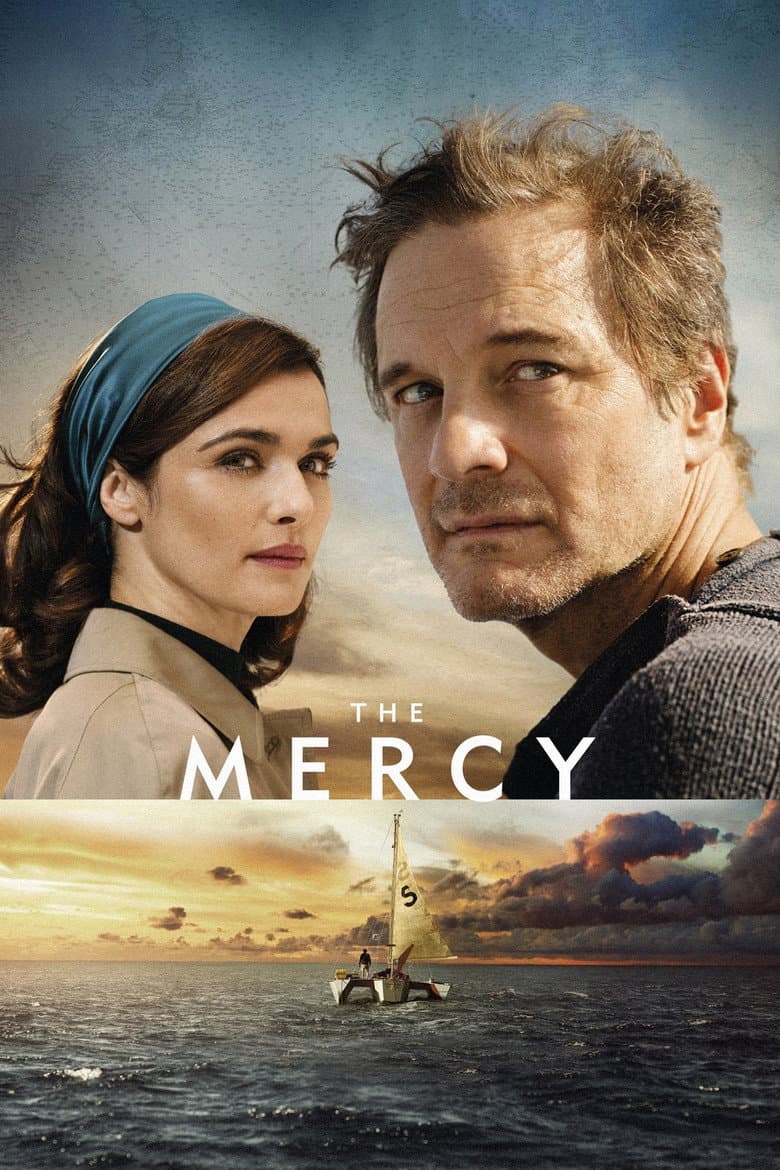
In 1968, Donald Crowhurst, an amateur sailor, endangers the fate of his family and business, and his own life, blinded by his ambition to compete in the Sunday Times Golden Globe…
