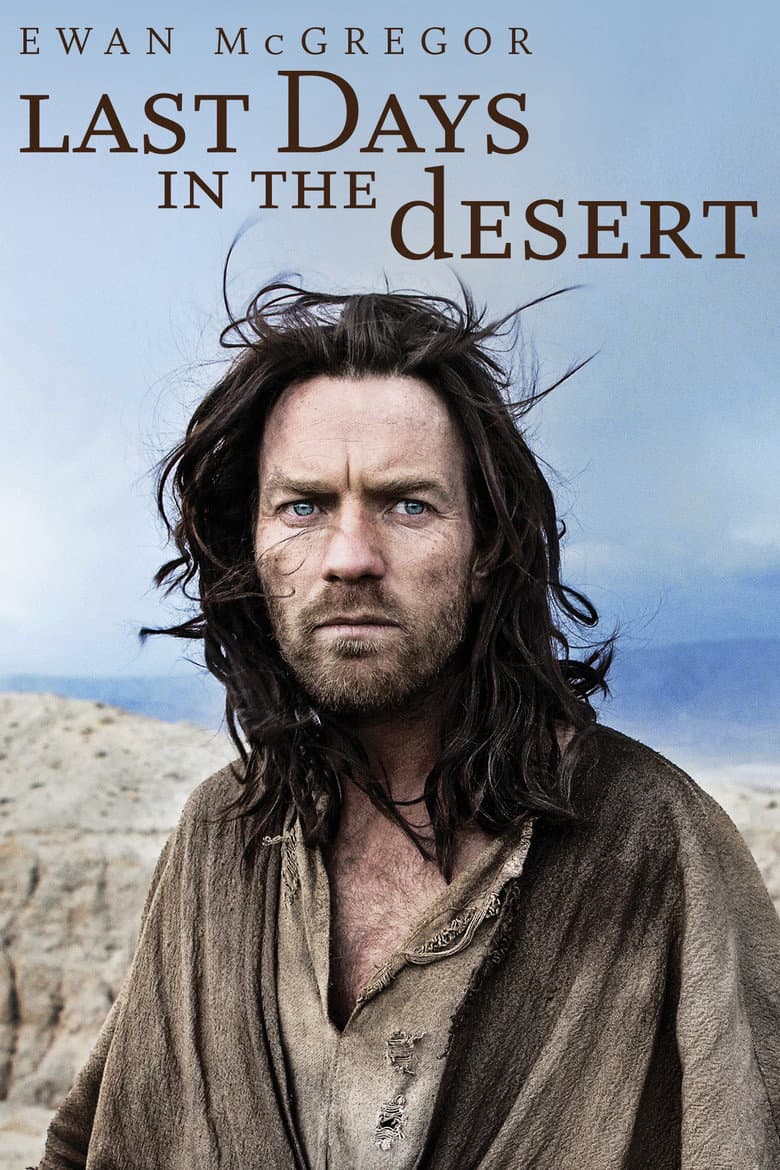
The movie follows Yeshua, the film's name for Jesus, as he walks out of the desert after forty days of fasting and prayer. He cannot hear his Father, and a mocking demon who looks like him keeps testing his faith. Yeshua meets a family living beside a cliff, where a sick mother, a strict father, and a restless son are trapped by hunger, duty, and fear. The quiet desert setting gives the story a slow, tense, and dreamlike mood.
The movie turns a short Bible story into a new family drama about fathers and sons. The son wants to leave for Jerusalem, while his father wants him to stay and carry on the family work. Yeshua tries to help them, but a dangerous search for a valuable stone ends in death and leaves the family changed. The story also asks whether people choose their path or follow a plan already set for them. The film shows Jesus as kind and uncertain, and it leaves open whether he is truly God's Son and what the ending means.
Community feedback
Was our 19% Woke rating accurate?
Breakdown
These are the editorial factors and ratings behind our score for Last Days in the Desert.
Woke representation / casting
Ewan McGregor, a white Scottish actor, plays Yeshua, a first-century Jewish figure from Judea, and also plays the Devil. The family cast includes Irish, Israeli, and American actors, but it does not form a clear diversity-first pattern. The central casting choice is easy to notice, and critics raised it as a break from historically matched casting.
27%
Woke political dialogue
Not present. The dialogue discusses God, destiny, family duty, and personal choice. It does not use modern identity, DEI, or activist lines.
0%
Identity-driven story themes
Not present. The story centers on faith, fate, family duty, grief, and Jesus’s struggle with his mission. It does not make race, sex, sexuality, or modern identity politics the source of its conflict.
0%
Western institutional / cultural critique
Not present. The father and son fight over work and freedom, but the movie treats this as a family problem. It does not turn the conflict into a modern attack on men, family life, Christianity, or Western institutions.
0%
Woke character or canon changes
Not relevant. The movie invents an extra-biblical episode, but it keeps Jesus in the central role and does not change his race, sex, or sexuality. Its open questions concern theology, not a modern identity change.
0%
Anti-woke backlash and complaints
Not present. Searches found no clear complaint that the film pushes woke, DEI, or identity politics. A conservative Christian review attacked the film’s religious ambiguity, but that was a theological complaint rather than an anti-woke complaint.
0%
Creator track record context
Rodrigo García has a moderate track record of female-centered stories and gender-aware public comments. The supplied profile rates García at 40/100, while Nash Edgerton is also rated 40/100 because of progressive political advocacy outside this film. Most other listed producers have low scores and no clear identity-focused public record. This gives the film a mild creator-context signal, but the title itself is about faith and family.
26%
Production
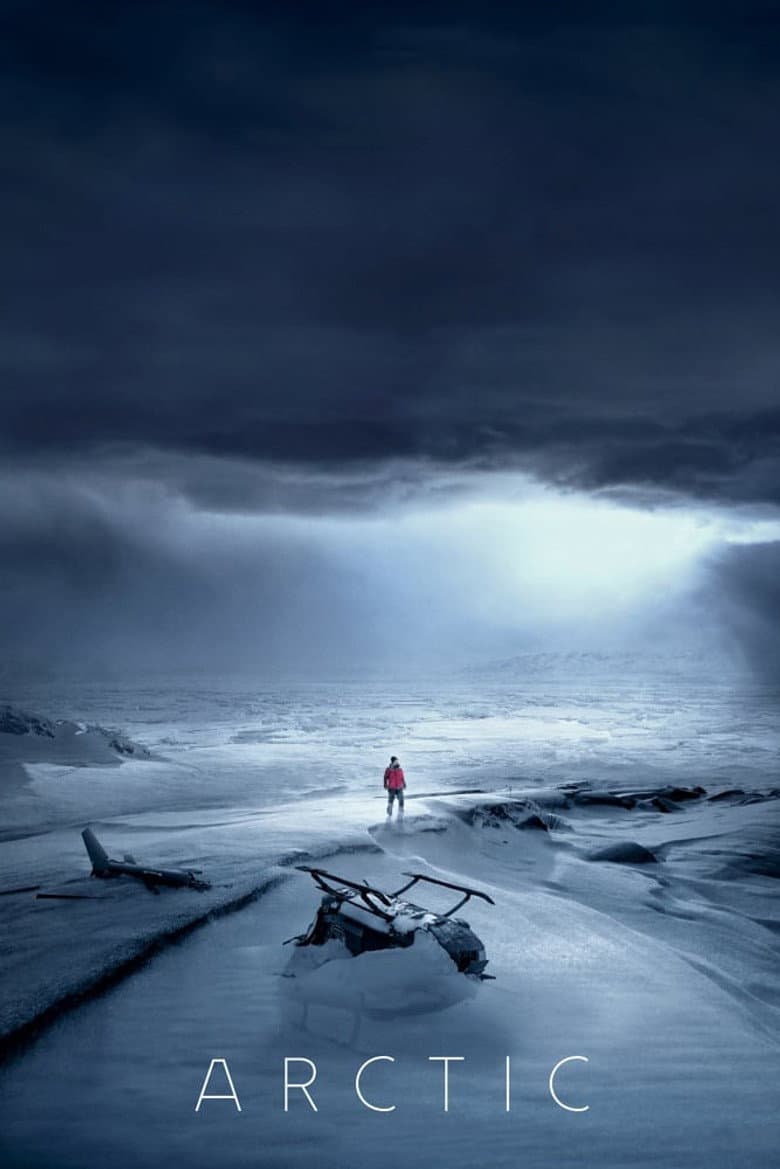
Movie · 2018
A man stranded in the Arctic is finally about to receive his long awaited rescue. However, after a tragic accident, his opportunity is lost and he must then decide whether to…

Movie · 2014
The adventures of a group of explorers who make use of a newly discovered wormhole to surpass the limitations on human space travel and conquer the vast distances involved in an…
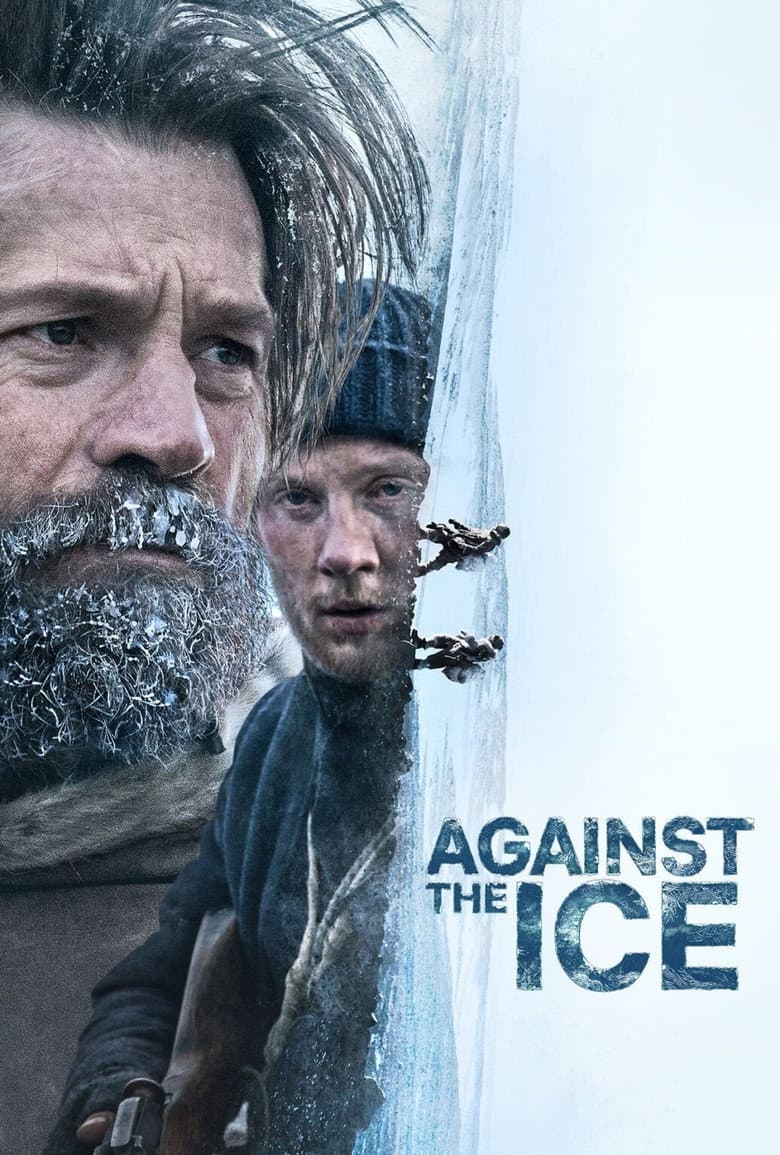
Movie · 2022
In 1909, two explorers fight to survive after they're left behind while on a Danish expedition in ice-covered Greenland.
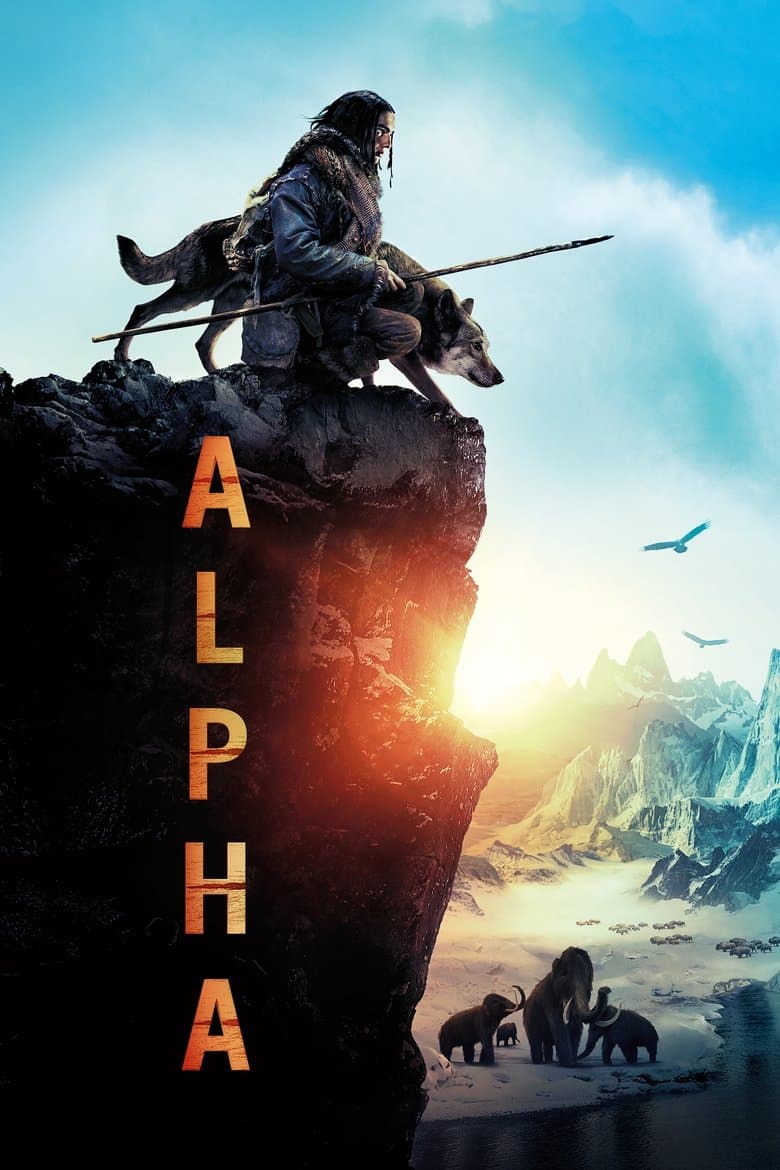
Movie · 2018
In the prehistoric past, Keda, a young and inexperienced hunter, struggles to return home after being separated from his tribe when bison hunting goes awry.

Movie · 2023
The ultimate wish-fulfillment tale of a teenage Gran Turismo player whose gaming skills won him a series of Nissan competitions to become an actual professional racecar driver.
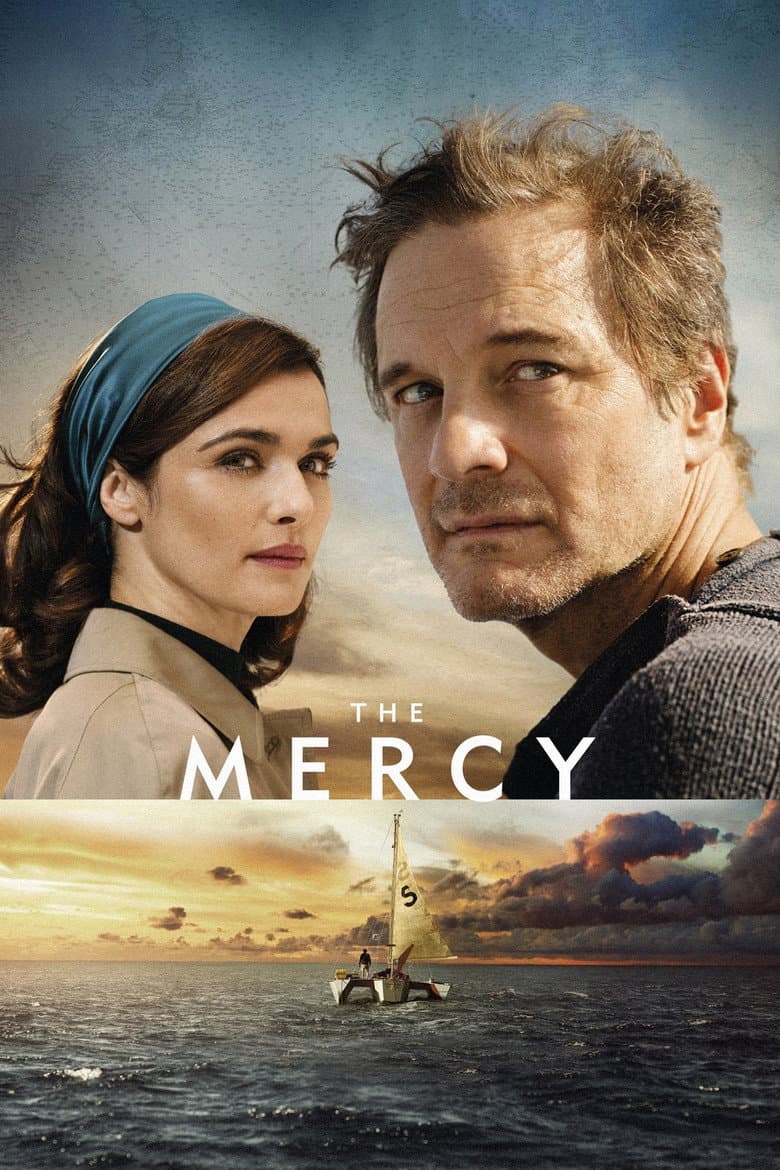
Movie · 2018
In 1968, Donald Crowhurst, an amateur sailor, endangers the fate of his family and business, and his own life, blinded by his ambition to compete in the Sunday Times Golden Globe…
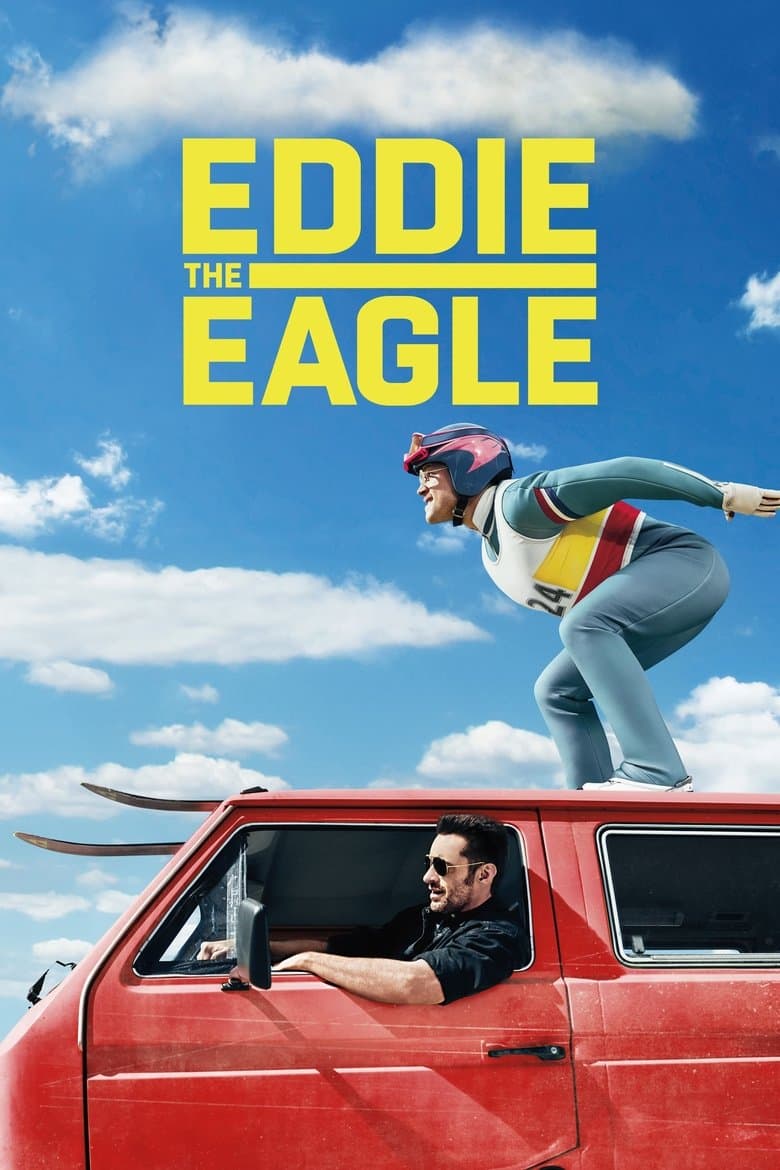
Movie · 2016
The feel-good story of Michael 'Eddie' Edwards, an unlikely but courageous British ski-jumper who never stopped believing in himself—even as an entire nation was counting him out.
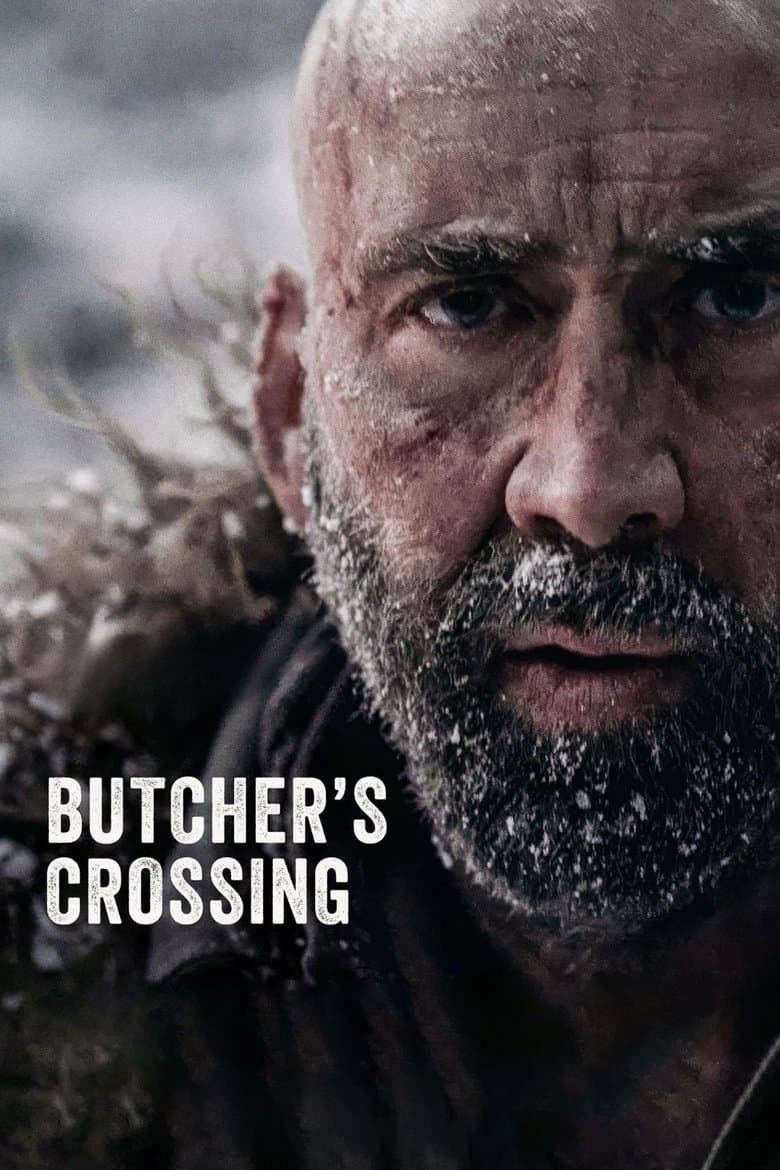
Movie · 2023
In the 1870s, a young Harvard dropout seeks his destiny out West by tying his fate to a team of buffalo hunters led by a man named Miller.
