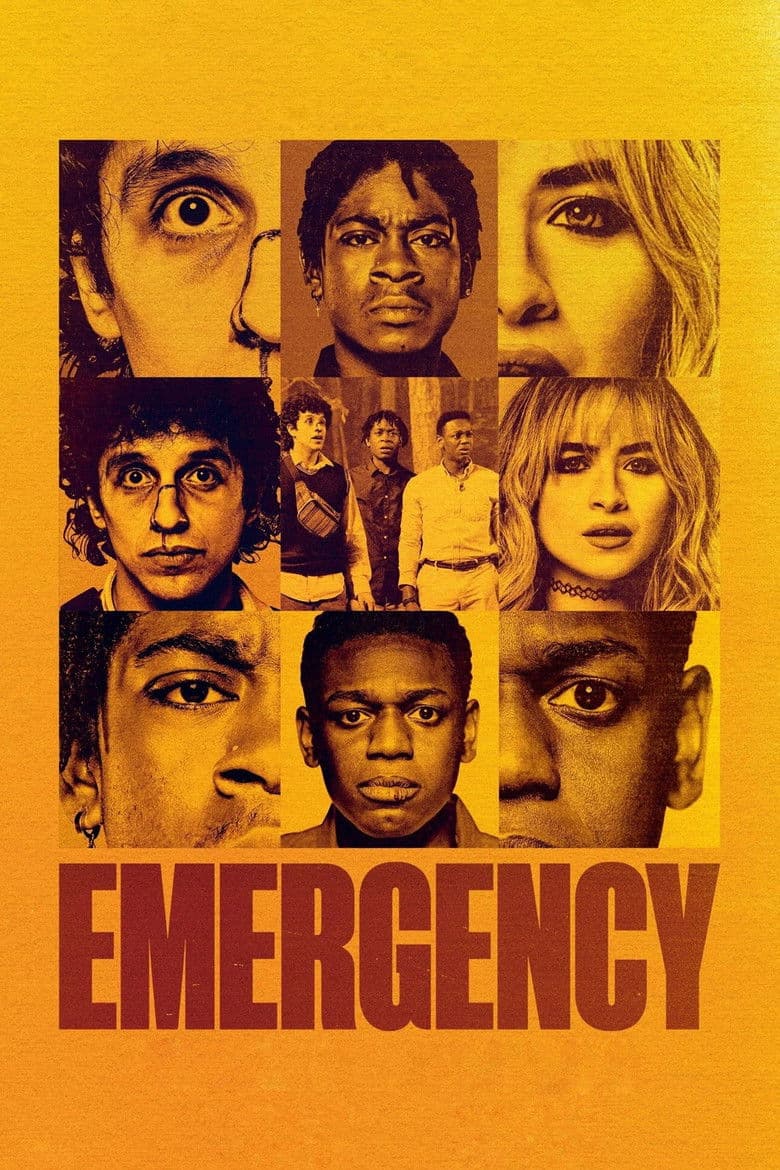
Emergency follows Kunle, Sean, and Carlos, three college roommates who plan a spring break party tour at a mostly white university. Kunle is a serious biology student bound for Princeton, while Sean wants one wild night and Carlos stays close to his video games. They find Emma, a drunk white girl, passed out on their floor, and they fear that calling the police could put them in danger. The friends drive her toward a hospital, but bad choices, a frantic search by Emma’s sister Maddy, and police attention turn the trip into a tense chase. The film shifts from crude college comedy to a dark story about friendship, fear, and the cost of trying to help.
The movie makes race and police fear the main reason the friends hesitate to call for help. It repeatedly shows them judging how a black or Latino man with a white girl will look to police, neighbors, and strangers. Classroom talk about the N-word, a black Student Union list of firsts, jokes about being “white inside,” and a final arrest scene keep racial politics close to the action. The story also contrasts Kunle’s academic success with Sean’s rougher life and uses their friendship to discuss how black men are expected to act, how people change themselves to fit in, and how white privilege works.
Community feedback
Was our 76% Woke rating accurate?
Breakdown
These are the editorial factors and ratings behind our score for Emergency.
Woke representation / casting
The film centers two Black college students and a Latino roommate in a mostly white university. Their group is visibly built around different racial identities, and the white girl at the center of the crisis makes that contrast part of the setup. The casting is tied to the plot because the men fear how police will read the scene. The pattern is prominent and identity-framed, but it is not a large ensemble built only to display diversity.
46%
Woke political dialogue
The film opens with a white professor leading a class discussion about the N-word and calling it a safe space. The friends then use lines about Black excellence, being white on the inside, and how police will judge them. The story keeps returning to racial optics, police fear, and who is seen as safe or dangerous. The dialogue is often funny, but these ideas shape the main decisions.
52%
Identity-driven story themes
Race is the main reason the friends debate whether to call 911. The movie follows their fear that police will treat three men of color as criminals instead of people helping a girl. The story contrasts Kunle’s academic success with Sean’s rougher background and examines how black men are expected to act, how people change themselves to fit in, and white privilege. The final police encounter turns the night into a lesson about racial bias, so the theme is central rather than a side issue.
68%
Western institutional / cultural critique
The police are shown as a danger the friends fear before any officer arrives. The film says that a mostly white college can talk about race while still making black students feel watched and exposed. White neighbors and other white characters show how polite words or concern can still fail to protect the men. The ending strongly favors the view that racial bias shapes who gets believed and who gets restrained.
61%
Woke character or canon changes
Not relevant. The movie is an original story adapted from the director and writer’s own short film. The feature adds backstory and side characters, but it does not change established characters, canon, or real historical figures.
0%
Anti-woke backlash and complaints
Movieguide called the script too politically correct and objected to its liberal, leftist conclusions. A few IMDb users called the racial message “woke politics” and rejected the fear-of-police premise. Some Reddit viewers questioned the film’s one-sided view of police or said the setup was unrealistic. The supplied X pass found no anti-woke posts, and no large boycott or review-bombing campaign was reported.
28%
Creator track record context
Carey Williams has a supplied score of 56 and a history of race-conscious stories and diverse casts. His title interviews also frame the film around young black men, police fear, and emotional openness between friends. Kim Taylor-Coleman has a supplied score of 55 for diverse casting, while the other listed producers are mostly low or modest. K.D. Dávila has a supplied score of 0 and no known activist pattern, so the overall creator signal is moderate.
40%
Production
Movie · 2019
Los Angeles, 1969. TV star Rick Dalton, a struggling actor specializing in westerns, and stuntman Cliff Booth, his best friend, try to survive in a constantly changing movie…
Movie · 2016
A financial schemer finds himself in the middle of an international scandal after he becomes a political adviser to the new Prime Minister of Israel.
Movie · 2016
In 1967, four undercover CIA agents were sent to NASA posing as a documentary film crew. What they discovered led to one of the biggest conspiracies in American history.
Movie · 2017
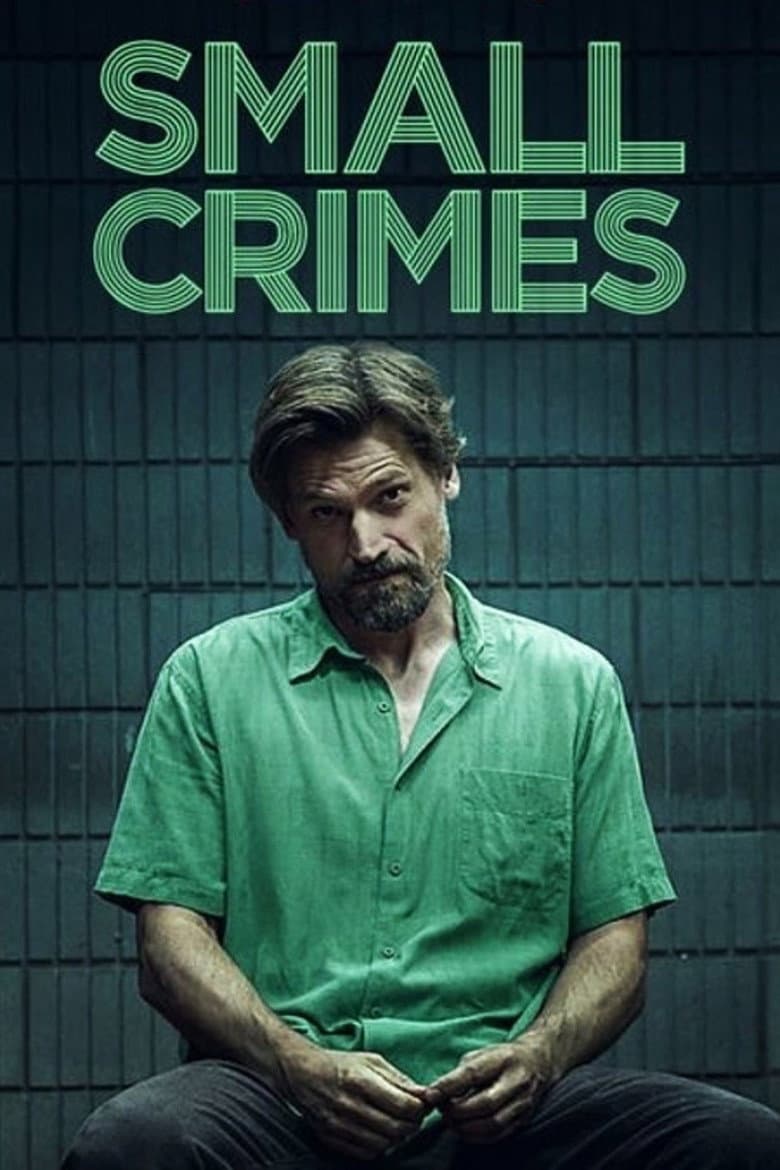
A disgraced former cop, fresh off a six-year prison sentence for attempted murder, returns home looking for redemption but winds up trapped in the mess he left behind.
Movie · 2017
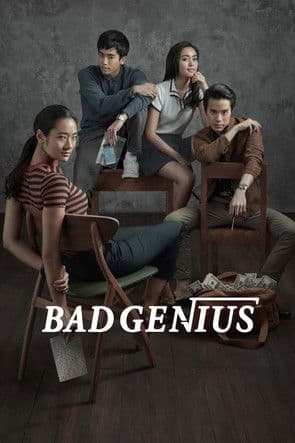
Lynn, a brilliant student, after helping her friends to get the grades they need, develops the idea of starting a much bigger exam-cheating business.

Movie · 2017
When a depressed woman is burglarized, she finds a new sense of purpose by tracking down the thieves alongside her obnoxious neighbor.
Movie · 2025
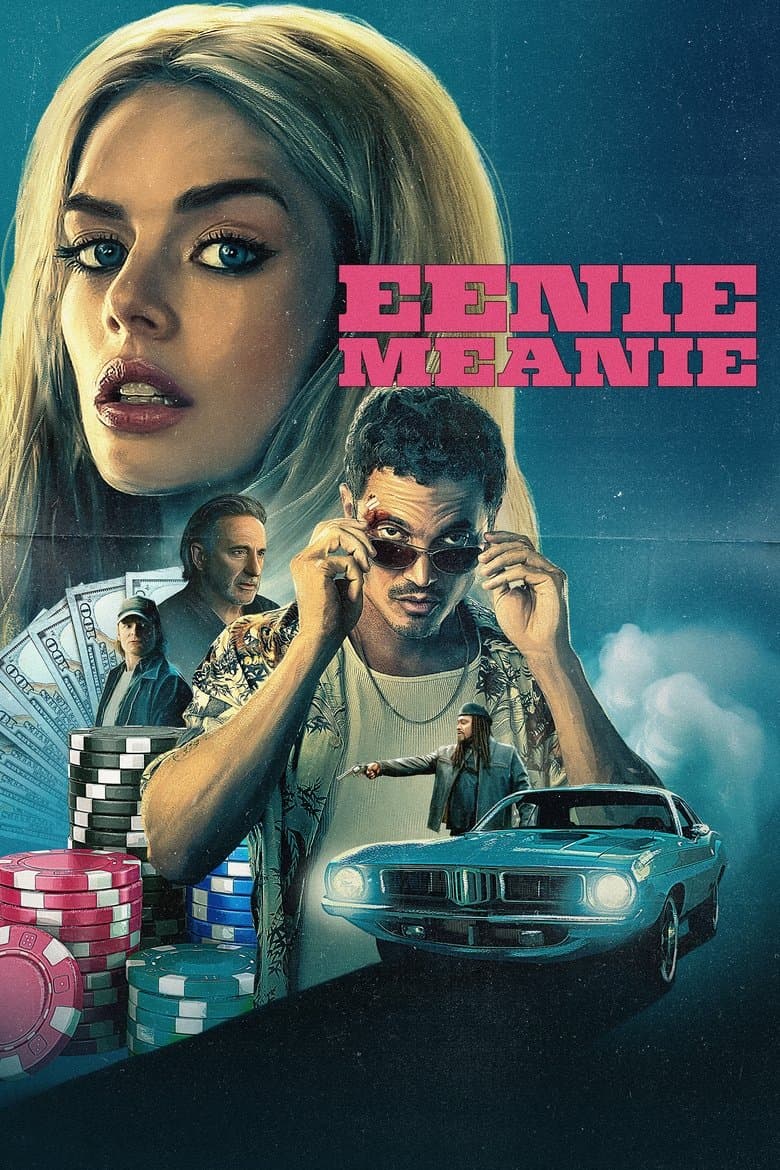
A former teenage getaway driver gets dragged back into her unsavory past when a former employer offers her a chance to save the life of her chronically unreliable ex-boyfriend.
Movie · 2020
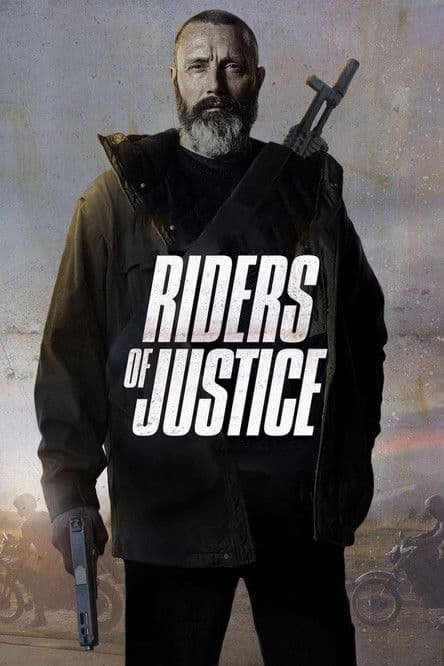
Markus returns home to care for his daughter when his wife dies in a tragic train accident. However, when a survivor of the wreck surfaces and claims foul play, Markus suspects…
