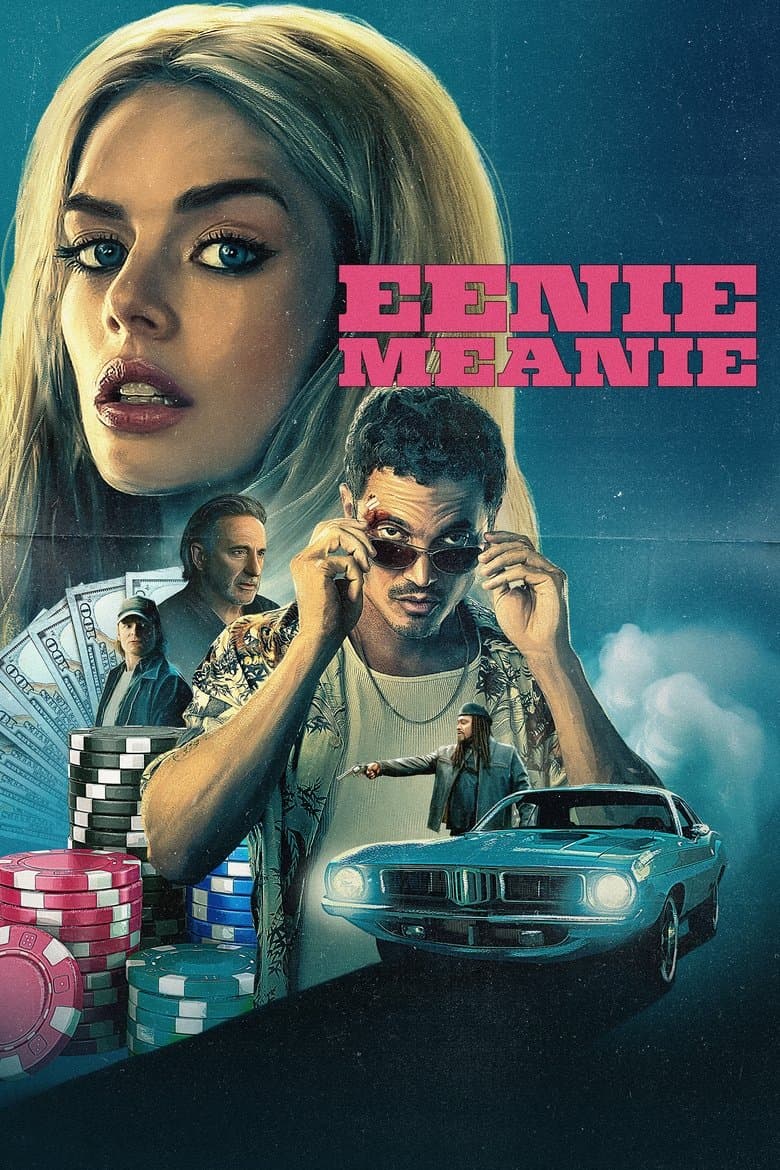
Eenie Meanie follows Edie Meaney, a former teenage getaway driver who now works at a bank and attends community college in Cleveland. She learns that she is pregnant just as her reckless ex-boyfriend, John, is in danger from a crime boss. Edie agrees to drive one last casino robbery so John can live, even though she wants to leave crime and their troubled relationship behind. The movie mixes fast car chases, rough jokes, crime violence, and a sad story about people who keep making the same mistakes.
The film gives Edie the expert driver role and makes her the main person who solves problems, while John is often foolish, reckless, and dependent on her. Edie spends much of the story cleaning up men's mistakes, and she finally kills John before starting a new life with their son. This creates a clear message about a woman choosing her own life and breaking away from a damaging man. That message stays tied to one troubled couple and does not become a broad political program.
Community feedback
Was our 26% Woke rating accurate?
Breakdown
These are the editorial factors and ratings behind our score for Eenie Meanie.
Woke representation / casting
The film puts a woman in the expert getaway-driver and main decision-maker role. Edie repeatedly outdrives and rescues her male partner, while the wider Cleveland cast includes Black, Asian, Latino, and white characters. The setting supports a mixed cast, and the film does not frame that mix as a diversity campaign. The gender pattern gives this factor a low but real score.
18%
Woke political dialogue
Not present. The characters talk about crime, money, love, family, and survival. The film does not use political or activist speeches.
0%
Identity-driven story themes
Edie spends most of the film deciding whether to keep rescuing John and his destructive choices. The ending treats her break from him as the path to freedom and a new life for her son. The story gives a clear message about a woman choosing her own life and breaking a damaging cycle. The message stays personal and relationship-based instead of becoming a wider identity campaign.
24%
Western institutional / cultural critique
The film repeatedly shows Edie cleaning up John's mistakes, while John is reckless, violent, and unable to manage his life. The story gives Edie the practical skill and final power to end the relationship. This creates a mild critique of male dependence and a toxic relationship. The movie does not extend that critique to family life, religion, capitalism, or Western institutions.
22%
Woke character or canon changes
Not relevant. The film is an original crime story rather than an adaptation of an established character or real historical event. No established canon is changed.
0%
Anti-woke backlash and complaints
Two small X accounts called the film dumb feminist or woke fare because Edie is the smart, decisive driver and John is the foolish man beside her. One tiny trailer review gave it a 4 out of 10 Woke-Free Score and 0 out of 10 for Christian Friendliness. The posts had almost no engagement. The available backlash is fringe.
12%
Creator track record context
Shawn Simmons, Rhett Reese, Paul Wernick, and Marty P. Ewing have low creator scores and no clear activist pattern. Avy Kaufman has a higher score because of casting work on diverse ensembles and LGBTQ-focused projects. That background adds limited context, but the film itself is not framed around those subjects.
18%
Production

Movie · 2026
A dysfunctional couple head to a remote cabin to "reconnect", but each has secret intentions to kill the other.
Movie · 2016
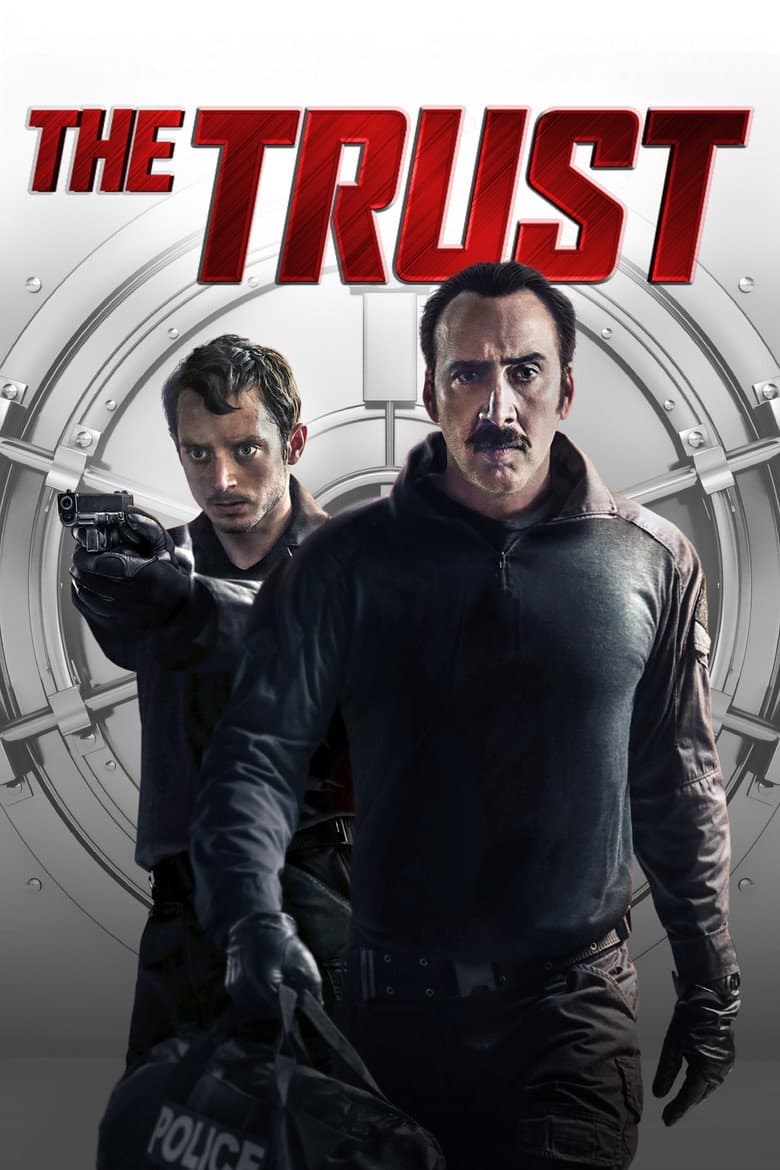
A pair of cops investigating a drug invasion stumble upon a mysterious bank vault.
Movie · 2016
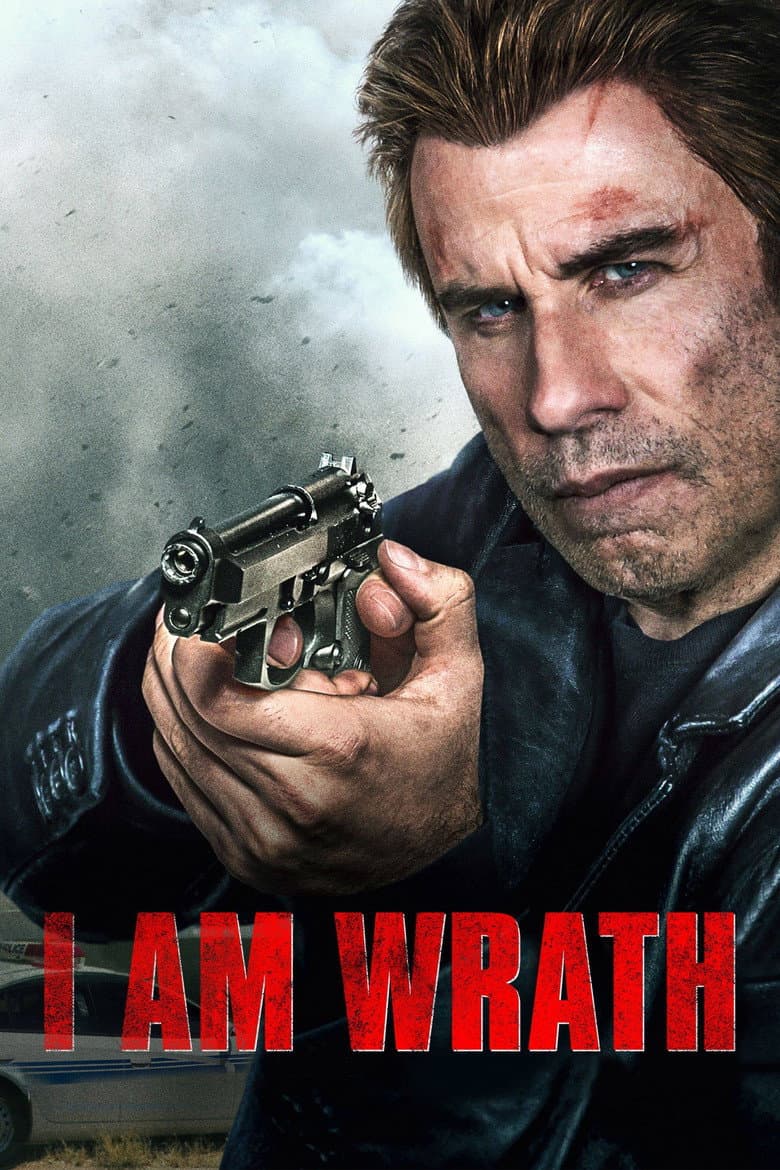
A man is out for justice after a group of corrupt police officers are unable to catch his wife's killer.

Movie · 2016
In the fourth installment of the fighting franchise, Boyka is shooting for the big leagues when an accidental death in the ring makes him question everything he stands for.
Movie · 2024
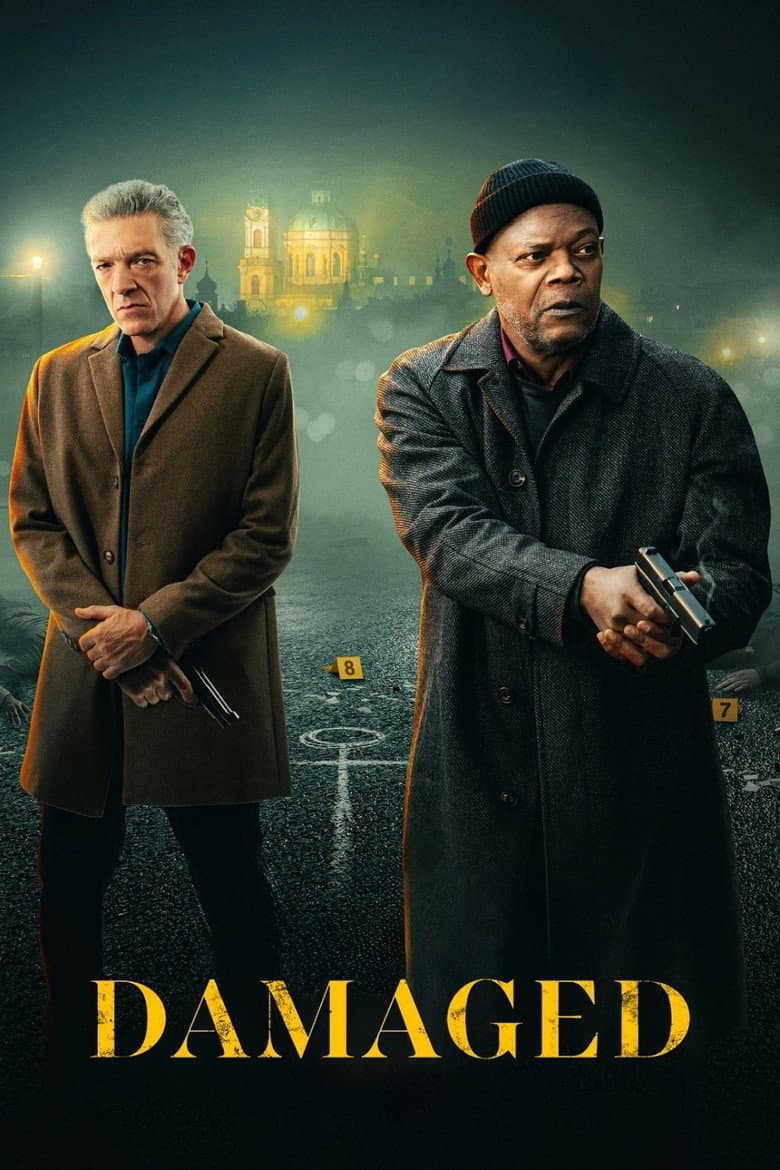
A Chicago detective travels to Scotland after an emerging serial killer’s crimes match those that he investigated five years earlier, one of which was the crime scene of his…
Movie · 2023
Robert McCall finds himself at home in Southern Italy but he discovers his friends are under the control of local crime bosses.

Movie · 2022
Decorated veteran Will Sharp, desperate for money to cover his wife's medical bills, asks for help from his adoptive brother Danny.
Movie · 2016
In the aftermath of an unspeakable act of terror, Police Sergeant Tommy Saunders joins courageous survivors, first responders and investigators in a race against the clock to hunt…
