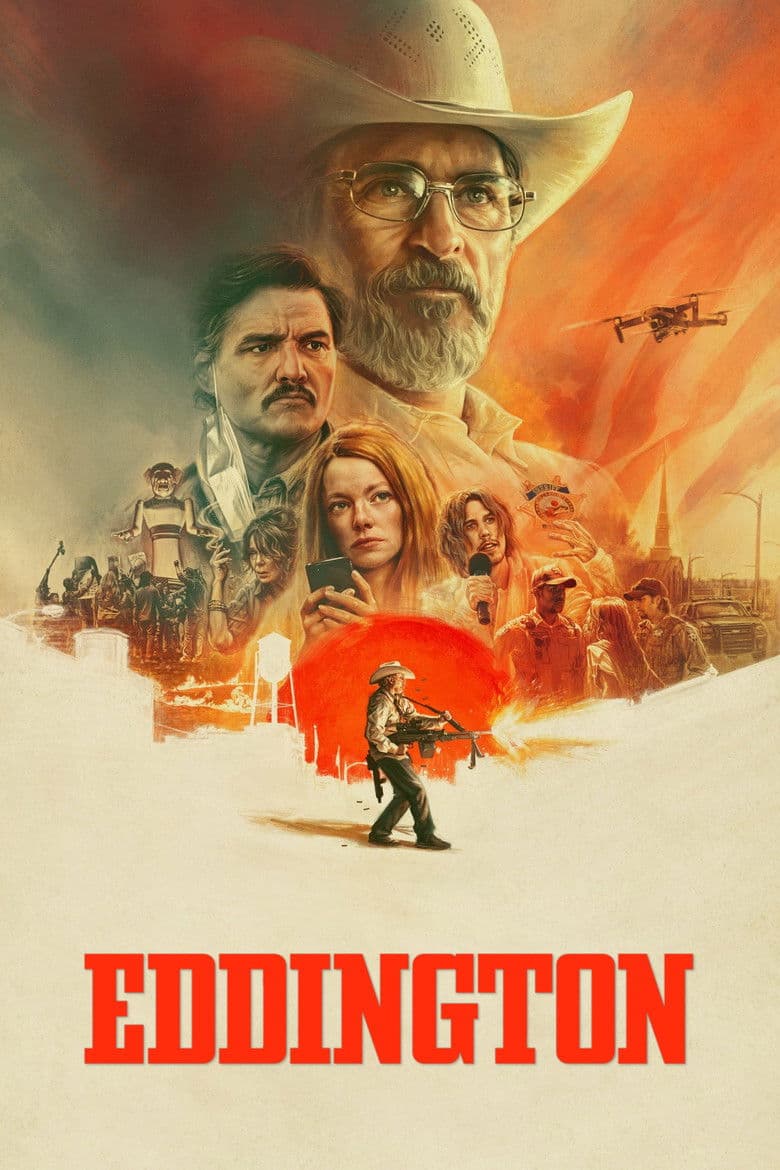
In May 2020, Eddington, New Mexico, sheriff Joe Cross rejects the town’s mask rules and challenges Mayor Ted Garcia in a bitter election. Joe sees himself as a defender of freedom, but fear, anger, and private pain push him toward reckless choices. Ted supports public health and a new technology center while protecting his own power. Joe’s wife Louise, her conspiracy-minded mother Dawn, an online guru, and young activists pull the town into violence as the movie shifts from dry comedy to paranoia, crime, and bloody western action.
The clearest woke elements are the repeated Black Lives Matter protests and arguments about police, white privilege, stolen land, and defunding the police. Mostly white young people use social-justice language, while a black deputy is pressured to explain his feelings and join their protest. The story treats much of this activism as shallow or performative, but it also shows white police violence, racial suspicion, and abuse of power as more dangerous. The fight also attacks corporate technology, online influence, and the way people turn real suffering into public performance, so the movie has strong modern political content even while it mocks both sides.
Community feedback
Was our 49% Woke rating accurate?
Breakdown
These are the editorial factors and ratings behind our score for Eddington.
Woke representation / casting
Not present. The cast includes a Latino mayor, a black deputy, and Pueblo officers, but those identities fit the New Mexico setting. Michael’s race matters to the plot, but the casting is not presented as a diversity-first hero choice.
0%
Woke political dialogue
Characters repeatedly argue about COVID rules, masks, personal freedom, Black Lives Matter, white privilege, stolen land, defunding the police, and alleged police violence. Sarah and other young protesters use activist language in public and online. Joe and Guy answer with anti-mask, law-and-order, and anti-Antifa claims. The movie mocks the language on both sides, but these debates drive the election, protest scenes, and later violence.
50%
Identity-driven story themes
Black Lives Matter protests and the murder of George Floyd become a major part of the town’s conflict. White teens copy social-justice language and pressure Black deputy Michael to show the right political response. The story also links police power, racial suspicion, white guilt, and Native land to the town’s violence. It mocks the activists’ performance, but race and identity politics remain a recurring part of the main plot.
46%
Western institutional / cultural critique
Joe’s white sheriff acts like a Western hero, but the story shows him as weak, racist, and dangerous. The film shows Guy turning against Black deputy Michael and Joe trying to use Michael as a scapegoat. The protest scenes attack police power, while the data center and its backers show modern technology and local government using public conflict for profit. The film also mocks white male pride, polished liberal politics, and online media, so its critique reaches across several institutions.
48%
Woke character or canon changes
Not relevant. The movie is an original story with fictional characters. It uses real events such as George Floyd’s murder, but it does not change an established character or retell a real person’s life.
0%
Anti-woke backlash and complaints
The X pass found only a few small or anonymous accounts discussing the film. Some said it was not woke and mocked pandemic and BLM performance, while a few right-coded viewers said it was not anti-woke enough or did not offer a real escape from woke culture. No large account, boycott, review-bomb campaign, or sustained race, gender, or LGBT complaint was found. The evidence is fringe, so this factor stays low.
10%
Creator track record context
Aster’s cached score is 12/100, and his earlier work is mainly psychological horror and dark satire. His interviews frame Eddington as a study of online division and self-questioning, not as a diversity campaign. Most listed producers have low, production-focused scores, while Danny Cohen and Will Tracy add only mild context. The creator history therefore supports a low score, even though this film itself is strongly political.
15%
Production
Movie · 2018
Lulu Danger's unsatisfying marriage takes a turn for the worse when a mysterious man from her past comes to town to perform an event called "An Evening with Beverly Luff Linn: For…
Movie · 2022
Creatively unfulfilled and facing financial ruin, Nick Cage must accept a $1 million offer to attend the birthday of a dangerous superfan.
Movie · 2024
The eclectic residents of a small, picturesque island town must navigate a sensational murder and the discovery of a million dollars, leading to a series of increasingly bad…
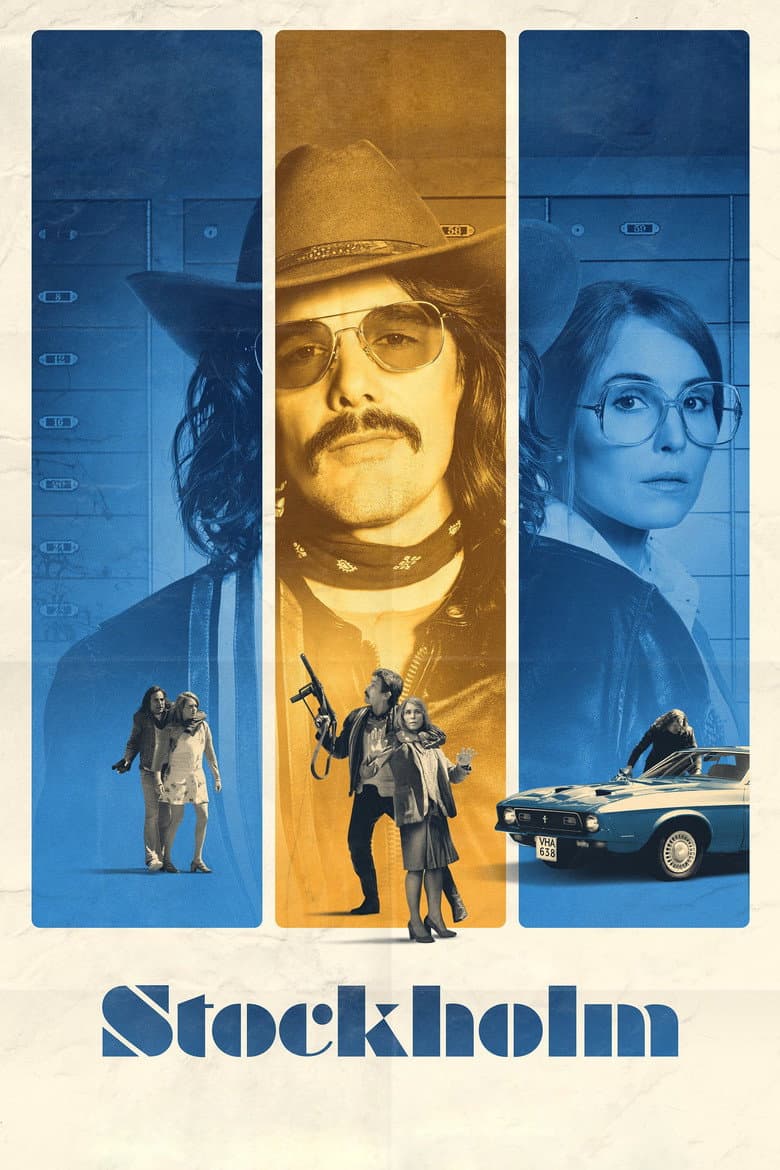
Movie · 2019
Based on the extraordinary true story of the European city’s 1973 bank heist and hostage crisis that was documented in the 1974 New Yorker article “The Bank Drama” by Daniel Lang.
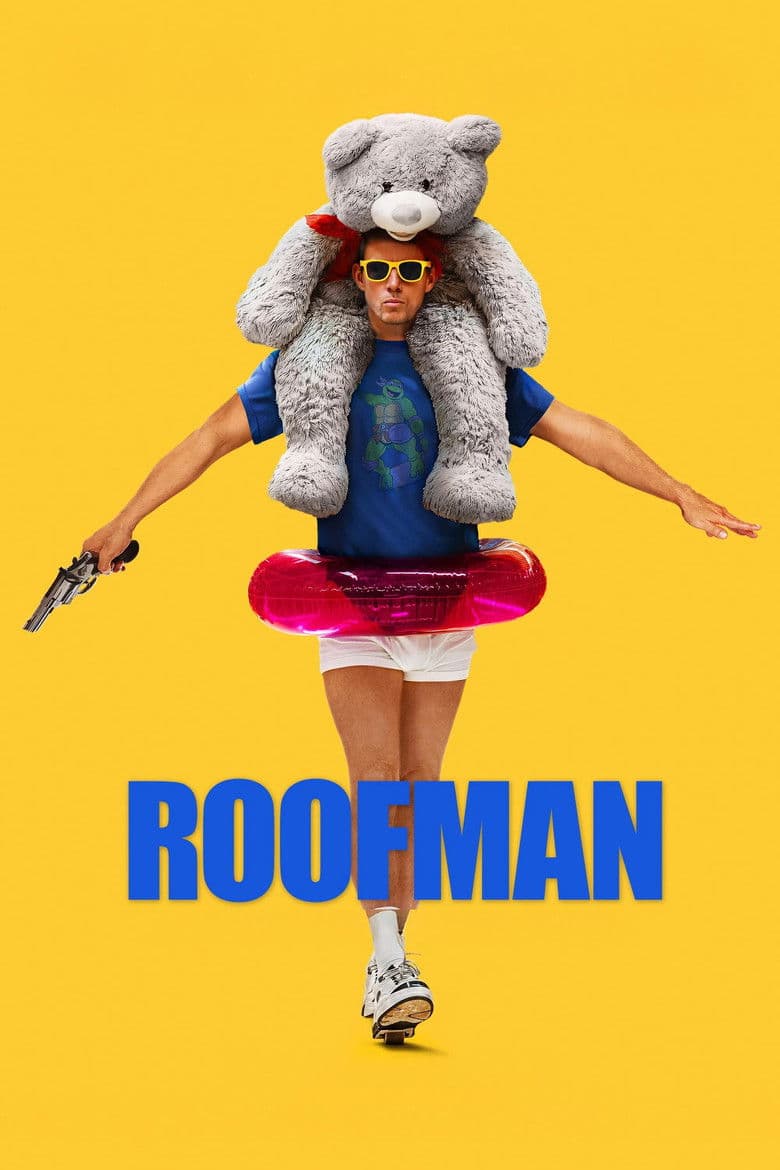
Movie · 2025
A former Army Ranger and struggling father turns to robbing McDonald’s restaurants by cutting holes in their roofs, earning him the nickname "Roofman." After escaping prison, he…
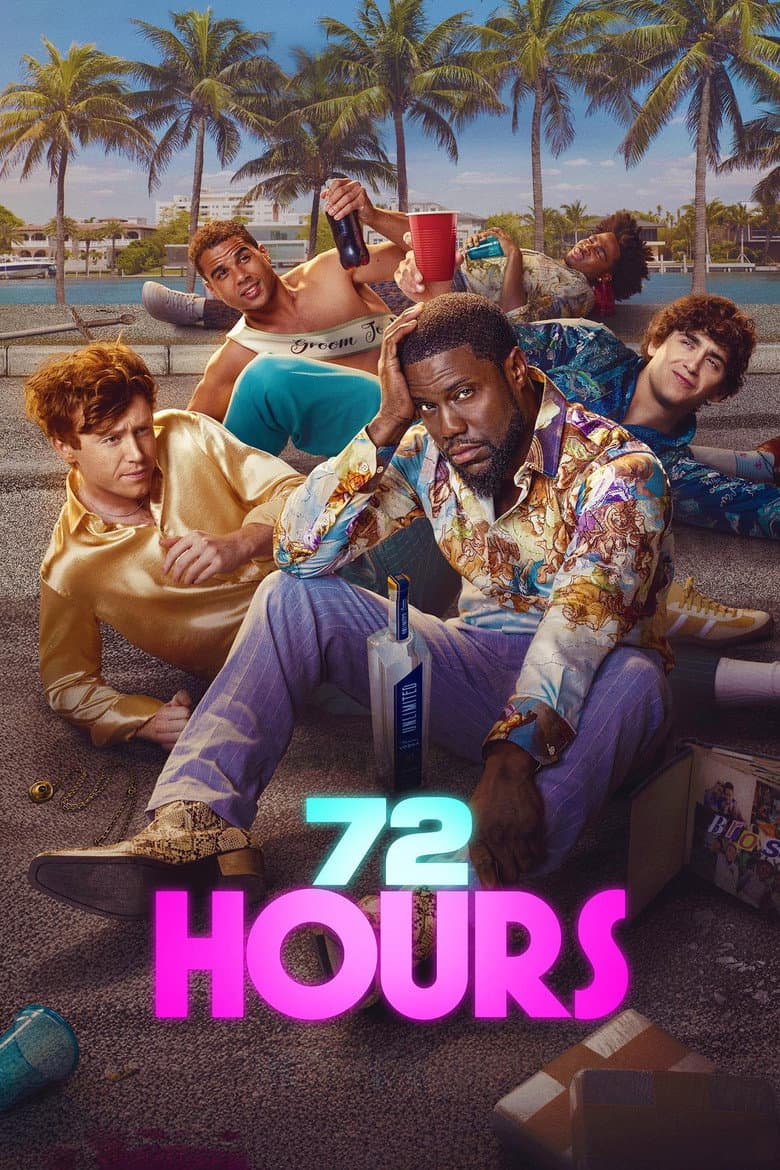
Movie · 2026
To save his career, a 40-year-old ad exec joins a crew of twentysomethings for a wild Miami bachelor party after they mistakenly add him to a group chat.
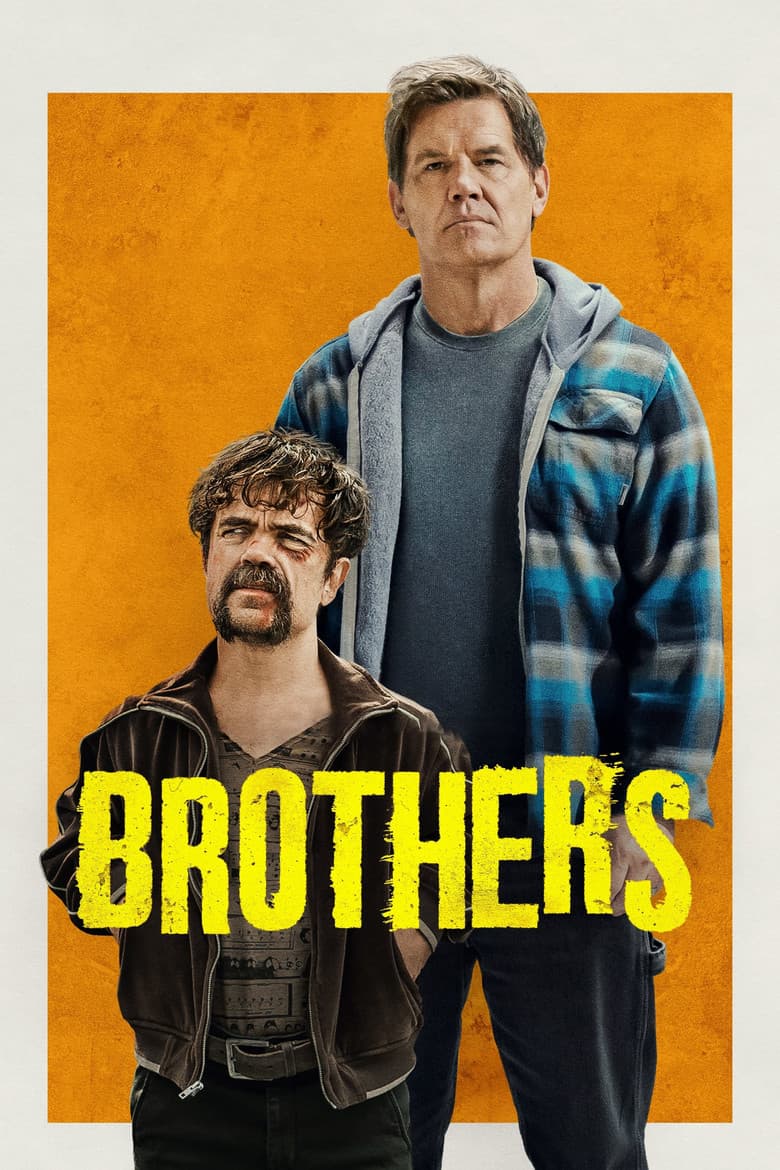
Movie · 2024
A reformed criminal's attempt at going straight is derailed when he reunites with his sanity-testing twin brother on a road trip for the score of a lifetime.
Movie · 2017
The adventures of two California Highway Patrol motorcycle officers as they make their rounds on the freeways of Los Angeles.
