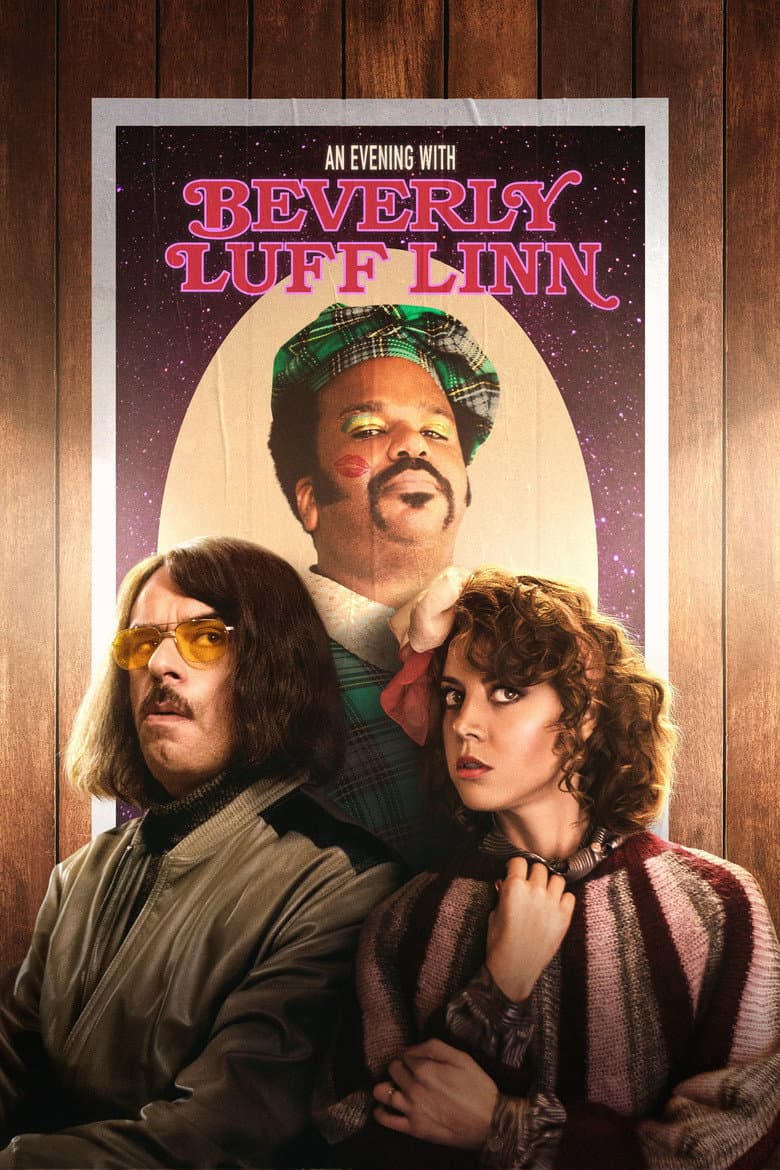
Lulu Danger works in a small-town coffee shop and lives in a dull marriage to Shane, the man who runs the shop. When Shane steals money from Lulu’s vegan brother, a strange debt collector named Colin arrives to recover it. Lulu takes the gun, forces Colin to drive her to a hotel, and chases the mysterious Beverly Luff Linn, a man she once loved and thought was dead. The hotel fills with delays, fights, strange guests, and a promised stage show, giving the film a crude, dreamlike comedy tone.
The film puts several tangled love stories at the center of its plot. Lulu leaves her husband and chooses to pursue Beverly before slowly turning toward Colin. Rodney, Beverly’s male partner, openly wants Beverly as a lover, but Beverly says he loves Rodney only as a friend. The film treats this same-sex love triangle as part of its odd romance and does not turn it into a speech about politics, equality, or social change.
Community feedback
Was our 26% Woke rating accurate?
Breakdown
These are the editorial factors and ratings behind our score for An Evening with Beverly Luff Linn.
Woke representation / casting
Not present. The film has a mixed cast, including black actor Craig Robinson in the title role and Sam Dissanayake as Adjay. The story does not frame those choices as a diversity program, and the cast does not form a clear identity checklist for its vague modern setting.
0%
Woke political dialogue
Not present. The film uses crude jokes about sex, bodies, marriage, and money. It has no spoken lines that push modern identity politics, DEI, or activist ideas.
0%
Identity-driven story themes
The film gives Rodney a recurring romantic story with Beverly, another man. Beverly says he loves Rodney as a friend but does not return his romantic feelings. The film also shows Lulu leaving a bad marriage and choosing her own path. These relationship and gender-role elements shape the plot, but the film does not present them as a political lesson.
34%
Western institutional / cultural critique
The film repeatedly shows Shane as a selfish husband who fires Lulu, steals money, and tries to control her escape. Lulu takes charge, leaves the marriage, and drives the action for much of the story. The film uses these events for crude romance and crime comedy, not for a clear attack on men, marriage, capitalism, religion, or Western institutions.
14%
Woke character or canon changes
Not relevant. This is an original story with no established characters, adaptation, or real historical figure. Its relationship changes are part of the new plot, not changes to older canon.
0%
Anti-woke backlash and complaints
Not present. Public complaints centered on the film’s odd style, crude humor, slow pace, and whether it was funny. Public discussion did not show anti-woke, DEI, or identity-politics complaints about the title.
0%
Creator track record context
Jim Hosking’s work is mainly surreal comedy, and David Wike has no clear public activist record. Interviews about this film focus on strange characters, romance, and making something unusual. Some producers have backed social-issue or LGBTQ+ films, and the casting team has spoken about inclusive casting. That background adds mild context, but the film does not use an activist message or a diversity-first campaign.
25%
Production
Movie · 2026
To save his career, a 40-year-old ad exec joins a crew of twentysomethings for a wild Miami bachelor party after they mistakenly add him to a group chat.
Movie · 2024
After their late former Captain is framed, Lowrey and Burnett try to clear his name, only to end up on the run themselves.
Movie · 2022
Creatively unfulfilled and facing financial ruin, Nick Cage must accept a $1 million offer to attend the birthday of a dangerous superfan.

Movie · 2019
Based on the extraordinary true story of the European city’s 1973 bank heist and hostage crisis that was documented in the 1974 New Yorker article “The Bank Drama” by Daniel Lang.
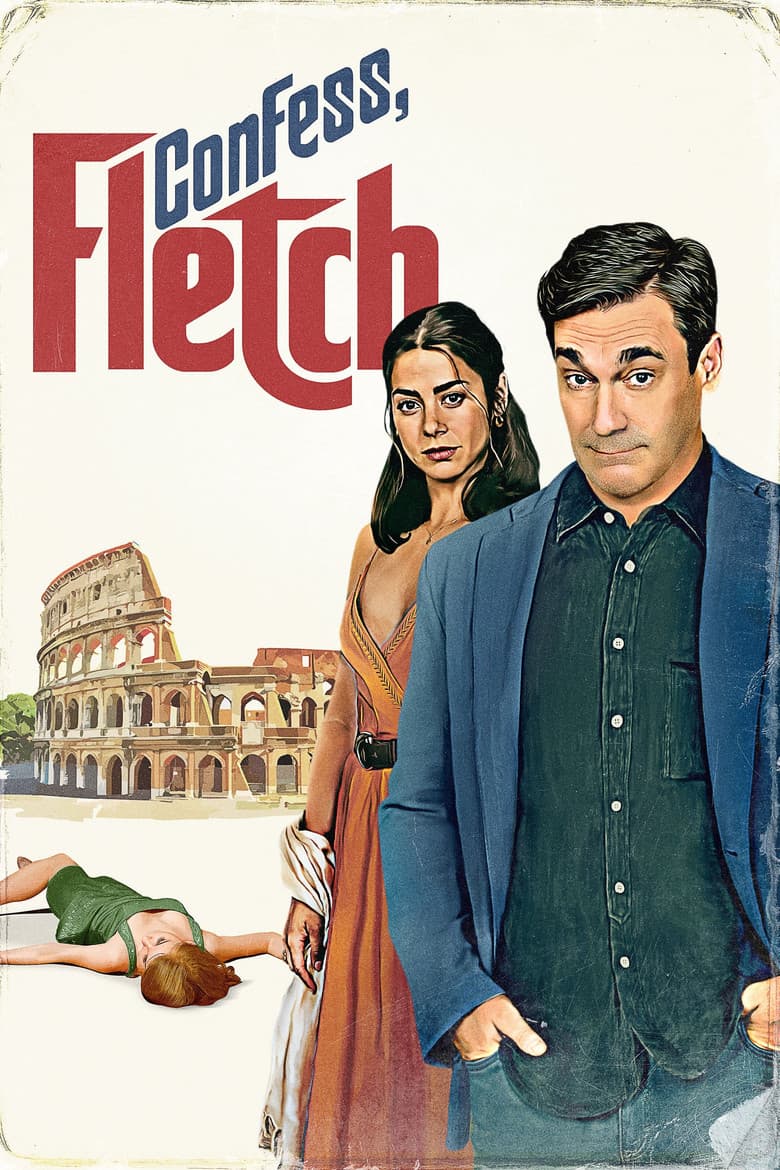
Movie · 2022
The roguishly charming and endlessly troublesome Fletch becomes the prime suspect in a murder case while searching for a stolen art collection.
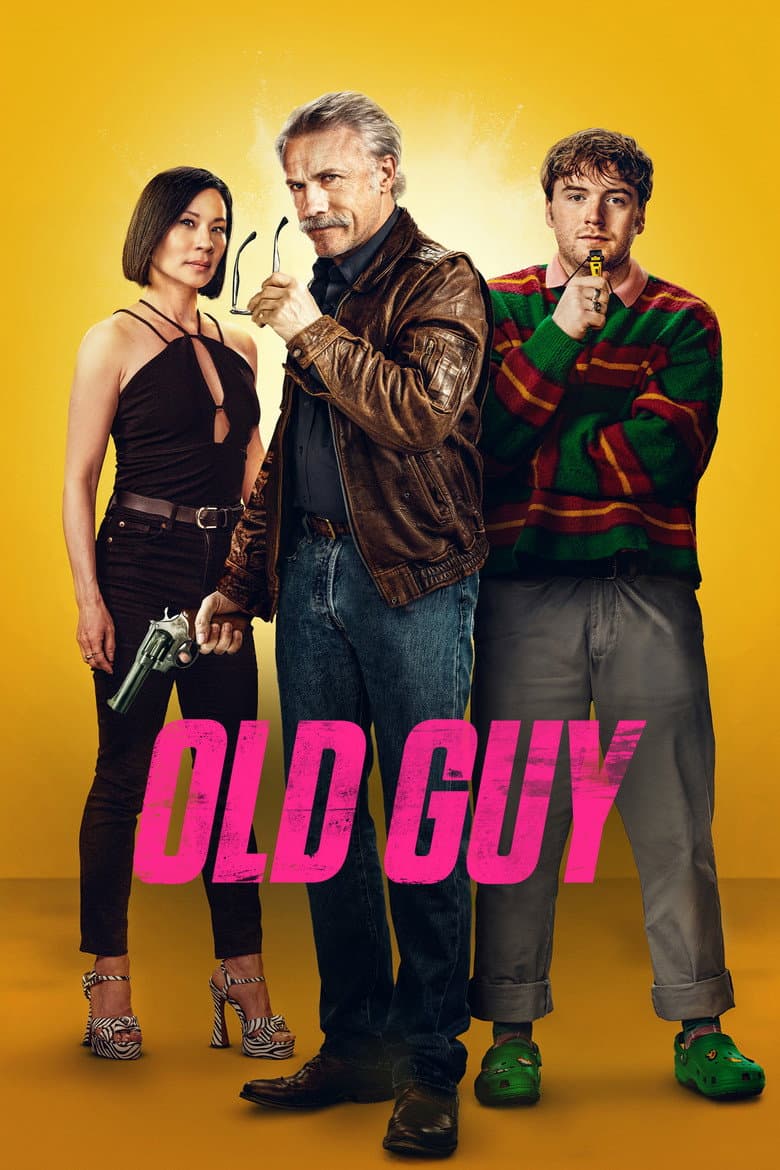
Movie · 2024
Stuck at a dead end but vying for the love of spunky club manager Anata, aging contract killer Danny Dolinski is thrilled when The Company pulls him back in the field, but only to…

Movie · 2017
Desperate to pay the bills and come through for their loved ones, three lifelong pals risk it all by embarking on a daring bid to knock off the very bank that absconded with their…

Movie · 2018
When an international border dispute arises between the U.S. and Canada, the Super Troopers- Mac, Thorny, Foster, Rabbit and Farva, are called in to set up a new Highway Patrol…
