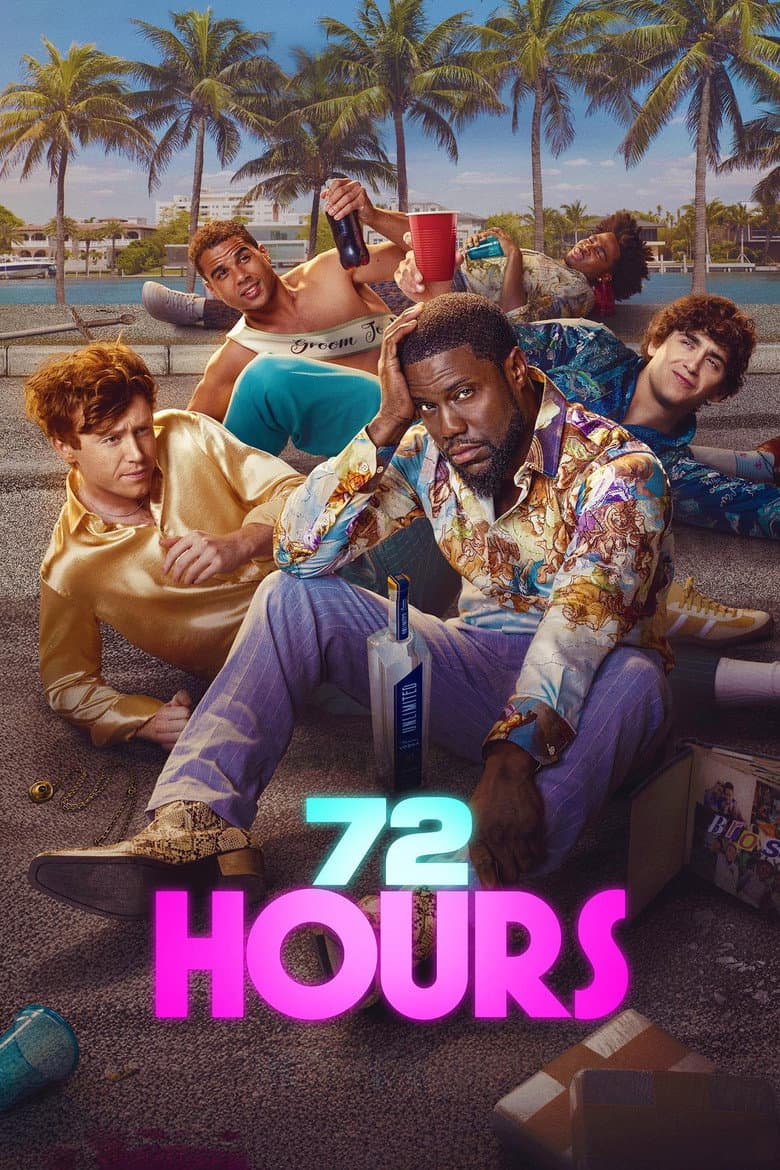
Joe Nixon is a 40-year-old New York ad executive whose boss says his ads for young people look bad and could cost him a big promotion. He gets added by mistake to a group chat for a Miami bachelor party, pays for a luxury stay, and tags along as market research. The trip turns into hangover-style chaos with a bad Airbnb, cartel mix-ups, a yacht crash, and gross-out jokes. In parallel, his girlfriend Jennifer wants a proposal, groom Mason supports marriage, and best man Nick resists growing up.
The movie is a raunchy generation-gap comedy, not a social justice project. Its main ideas are aging out of youth culture, friendship before and after marriage, work versus commitment, and slapstick crime farce. The plot sides with marriage and growing up rather than attacking traditional family life. One joke mocks a failed ad where bottles change pronouns and sales tank. There is almost no activist messaging about race, gender ideology, or identity politics.
Community feedback
Was our 11% Woke rating accurate?
Breakdown
These are the editorial factors and ratings behind our score for 72 Hours.
Woke representation / casting
The cast is a modern multiracial lead group in a New York and Miami party and ad-world comedy. That matches a normal commercial setting for this kind of movie. There are no race or gender swaps of known characters and no first-of-its-kind identity marketing. Diversity is noted as ordinary cast makeup, not a campaign.
12%
Woke political dialogue
There is almost no activist speech in the film. Boss banter mocks a failed ad where bottles change pronouns and sales fall, and that bit is treated as a joke against corporate trends. Generational offense jokes stay light. The film does not deliver speeches about DEI, systemic racism, or identity politics.
5%
Identity-driven story themes
Not present. Core themes are aging, friendship, career versus commitment, and slapstick farce with no identity-driven plot arcs.
0%
Western institutional / cultural critique
Not present. Does not attack Western institutions, Christianity, or traditional family as systems of oppression and instead sides with marriage and growing up.
0%
Woke character or canon changes
Not relevant. because this is an original screenplay, not an adaptation or historical rewrite.
0%
Anti-woke backlash and complaints
Not present. No meaningful campaign treating the film as woke propaganda. Complaints focus on quality, premise creepiness, and raunchy gags.
0%
Creator track record context
Director and star scores sit in a low mainstream comedy range. Most writers and producers score low as well. Will Packer and Dina Hillier pull the average up through commercial diverse or black-led hits and business-style representation talk, not protest activism. The overall project reads as raunch comedy rather than identity-first filmmaking.
20%
Production
Movie · 2019
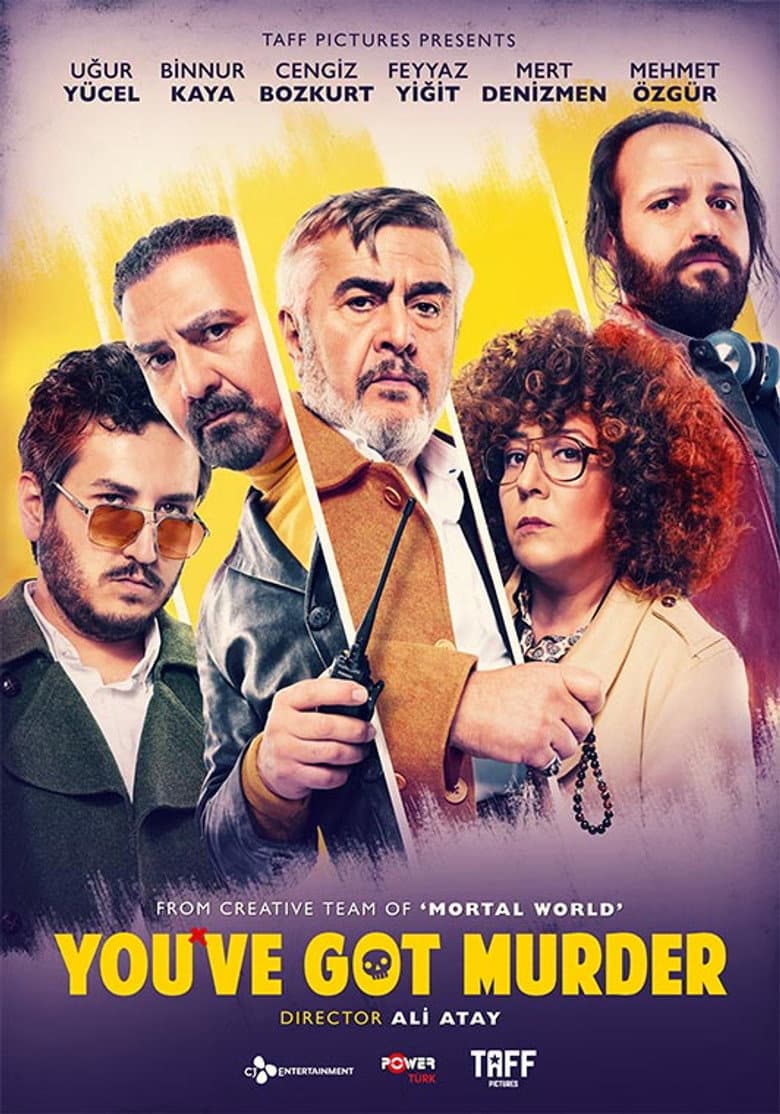
Istanbul Police Department homicide detectives encounter a murder nothing like they’ve seen before.Commissioners Emin, Salih, Asuman and deputy Alaattin begin investigating.But…

Movie · 2018
Max and Annie's weekly game night gets kicked up a notch when Max's brother Brooks arranges a murder mystery party -- complete with fake thugs and federal agents.
Movie · 2023
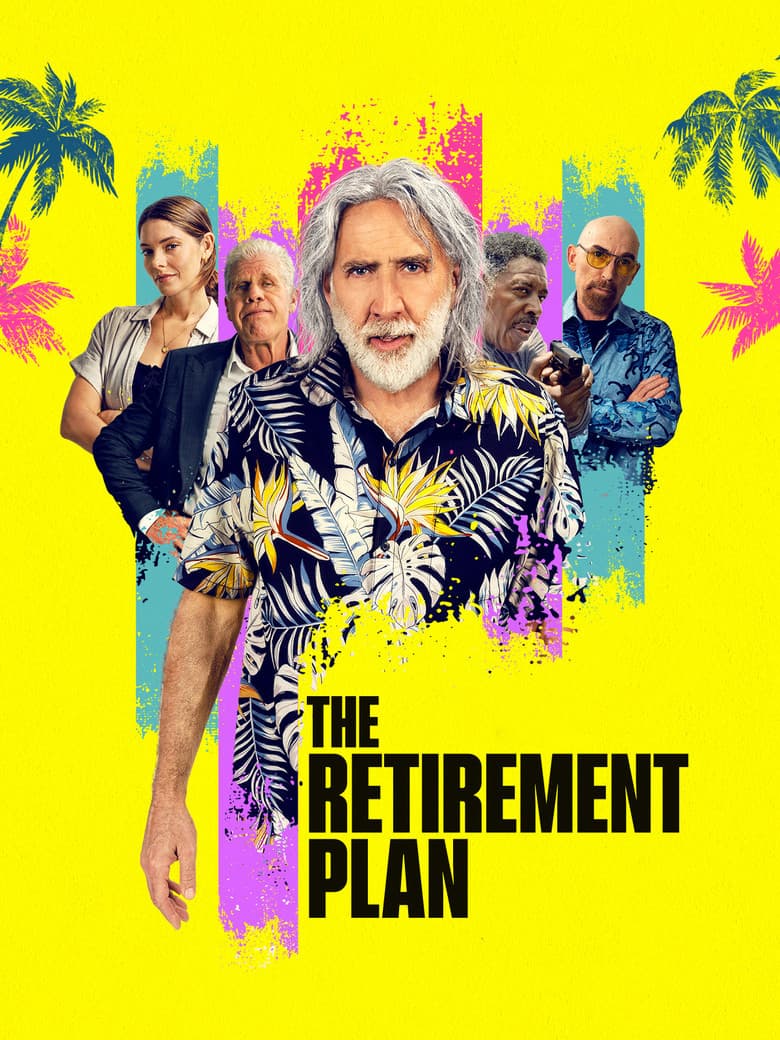
When Ashley and her young daughter Sarah get caught up in a criminal enterprise that puts their lives at risk, she turns to the only person who can help: her estranged father…

Movie · 2022
The roguishly charming and endlessly troublesome Fletch becomes the prime suspect in a murder case while searching for a stolen art collection.

Movie · 2023
After starting their own detective agency, Nick and Audrey Spitz land a career-making case when their billionaire pal is kidnapped from his wedding.
Movie · 2019
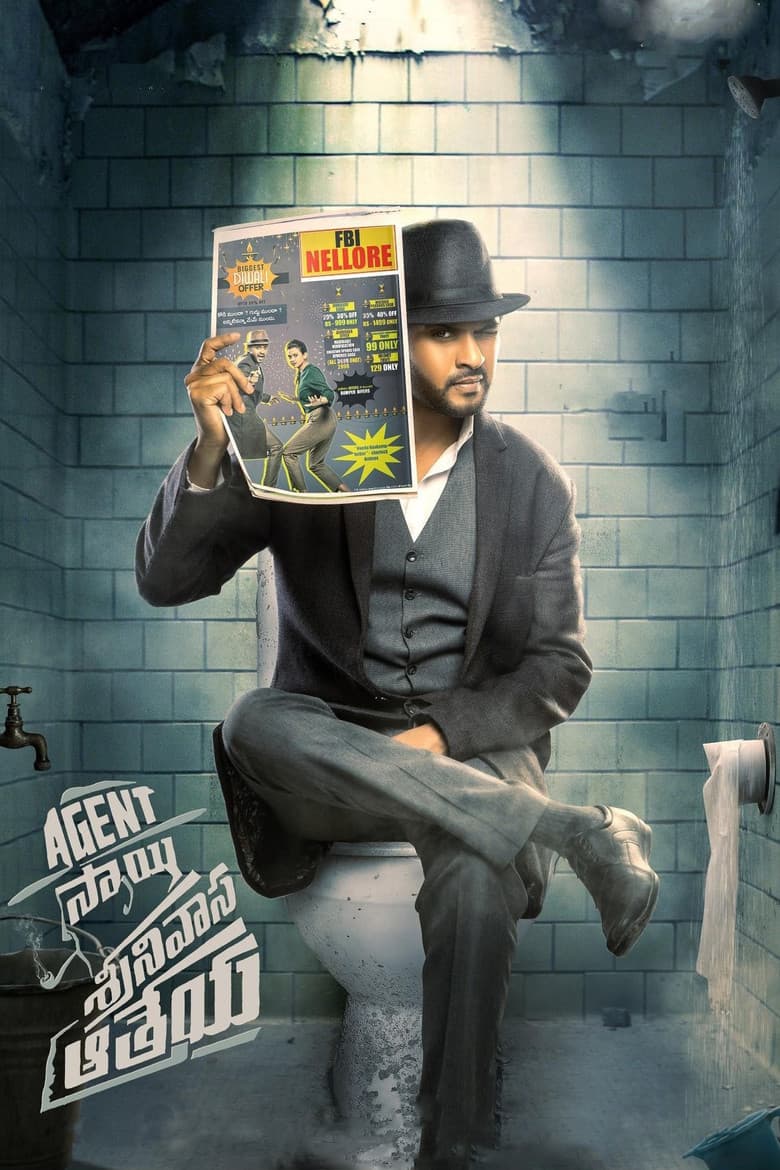
Agent Sai Srinivasa Athreya is a brilliant, underrated detective from Nellore who runs an agency called FBI which sees no business.

Movie · 2018
When an international border dispute arises between the U.S. and Canada, the Super Troopers- Mac, Thorny, Foster, Rabbit and Farva, are called in to set up a new Highway Patrol…

Movie · 2018
Mermer family, who has been managing a restaurant called “Anatolian flavors” in Haydarpasa train station for generations, consist of 8 members.
