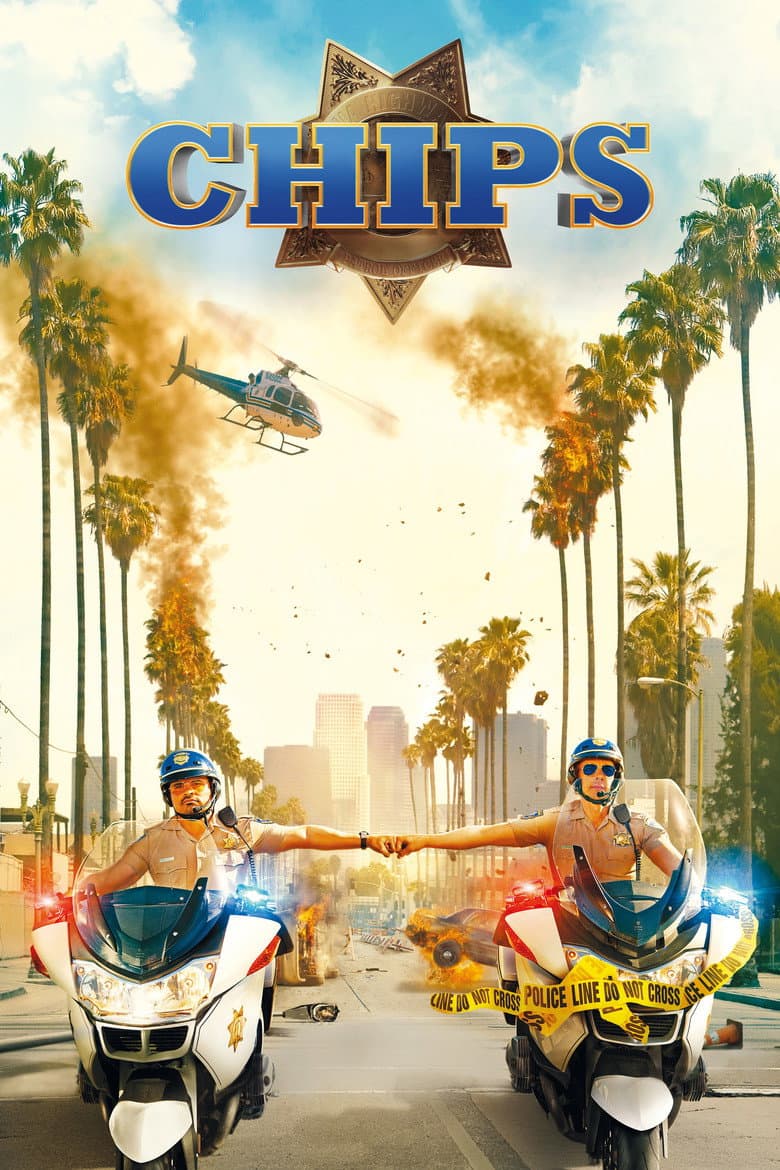
CHiPs follows Jon Baker, a former motorcycle champion who joins the California Highway Patrol after his marriage begins to fall apart. He is paired with Frank “Ponch” Poncherello, an undercover FBI agent who is looking into a robbery and a group of corrupt CHP officers. The story moves through Los Angeles freeways, police stations, homes, and chase scenes. Its tone is loud, violent, and very crude, with sex jokes, nudity, drugs, bad language, and broad buddy-cop humor.
The film gives repeated attention to male behavior and friendship. Ponch acts like a proud womanizer and often reacts badly to male intimacy, while Jon talks openly about feelings and pushes him to do the same. The movie includes a gay officer and a male couple, but it uses much of this material for rough jokes instead of making it the main subject. The story also mocks macho pride and male entitlement while showing women mostly through sexual jokes and body-focused humor. These ideas recur across the comedy, but the robbery, corrupt-cop plot, marriage trouble, addiction, loyalty, and motorcycle action remain the main story.
Community feedback
Was our 21% Woke rating accurate?
Breakdown
These are the editorial factors and ratings behind our score for CHiPs.
Woke representation / casting
Not present. The two leads follow the source show, with Ponch still a Latino officer and Jon still a white officer. The Los Angeles police setting has a mixed supporting cast, but the movie does not present that mix as a diversity message.
0%
Woke political dialogue
Not present. The characters do not debate politics, race, gender policy, or social justice. Their talk centers on the crime case, sex, marriage, drugs, and crude jokes.
0%
Identity-driven story themes
The movie has a repeated gay-panic joke about Ponch and male intimacy. It also includes a gay CHP officer and a male couple whose relationship is revealed during the crime story. The film sometimes treats emotional openness as better than macho fear, but it uses much of the gay material for crude laughs. These ideas are visible but remain a side track beside the robbery and police plot.
28%
Western institutional / cultural critique
CHiPs repeatedly treats Ponch’s macho pride, sex addiction, and fear of being seen as gay as comic flaws. Jon’s emotional openness is often shown as healthier, and he pushes Ponch to talk about feelings. The film also presents women mainly as sexual targets, so its challenge to male behavior is mixed and often undercut. The corrupt police plot is a crime device rather than a modern attack on Western institutions.
16%
Woke character or canon changes
Not relevant. The movie changes the old show’s tone and backstories, but those changes add R-rated sex, violence, a new crime plot, and new character problems. It does not make an identity-driven change to a known character or event.
0%
Anti-woke backlash and complaints
Not present. Fans and original cast members attacked the film for being crude, violent, sexual, and disrespectful to the old show. Reported complaints did not say the movie was pushing woke, DEI, or left-wing identity politics.
0%
Creator track record context
Dax Shepard has publicly supported marriage equality and challenged traditional masculinity. Michael Peña has worked on Latino-centered stories and discussed limited Latino representation. Rick Rosner has no clear identity-driven activist pattern in the cached record. This gives the film a small context signal, but the title itself is not framed as a social cause.
16%
Production
Movie · 2022
The Accident Man is back, and this time he must best the top assassins in the world to protect the ungrateful son of a mafia boss, save the life of his only friend and rekindle…
Movie · 2023
When Ashley and her young daughter Sarah get caught up in a criminal enterprise that puts their lives at risk, she turns to the only person who can help: her estranged father…

Movie · 2025
Kat is an improv comedy teacher beginning to question if she’s missed her shot at success. When an undercover cop offers her the role of a lifetime, she recruits two of her…
Movie · 2025
When a job goes horribly wrong, an ex-cop and family man who moonlights as a mob henchman has one night to get his family out of the city.
Movie · 2018
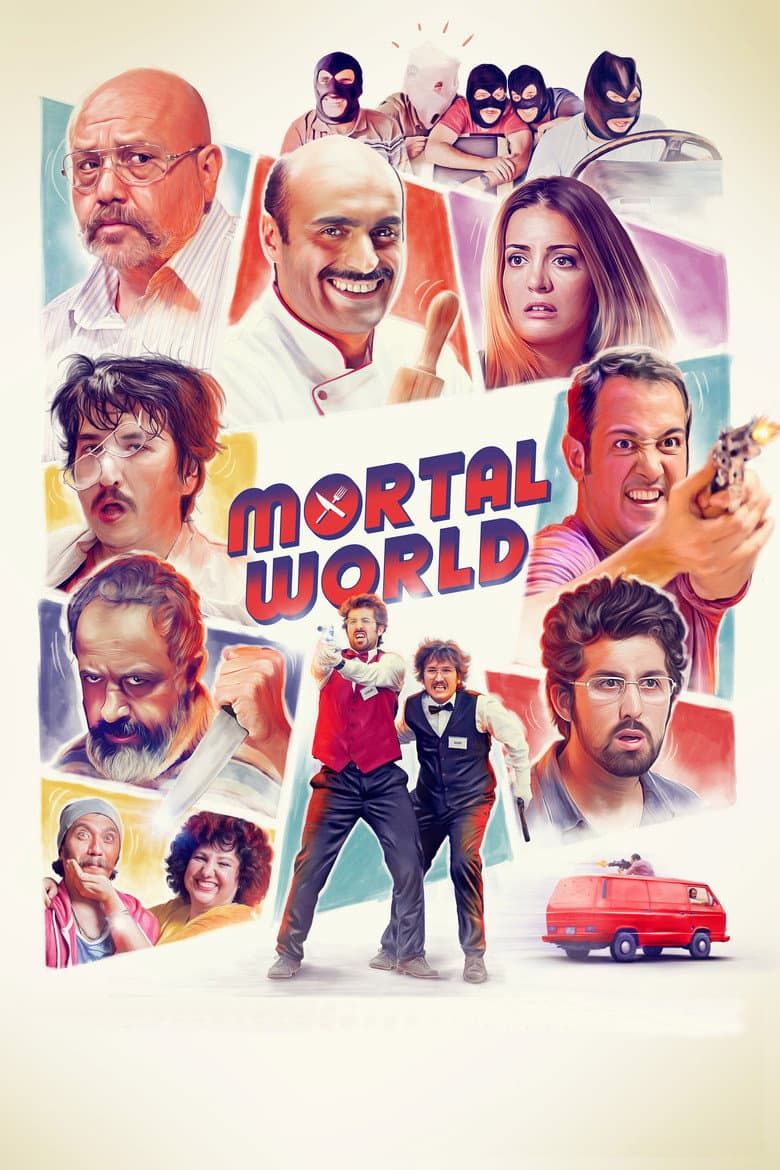
Mermer family, who has been managing a restaurant called “Anatolian flavors” in Haydarpasa train station for generations, consist of 8 members.

Movie · 2020
An ordinary guy suddenly finds himself forced to fight a gladiator-like battle for a dark website that streams the violence for viewers.
Movie · 2024
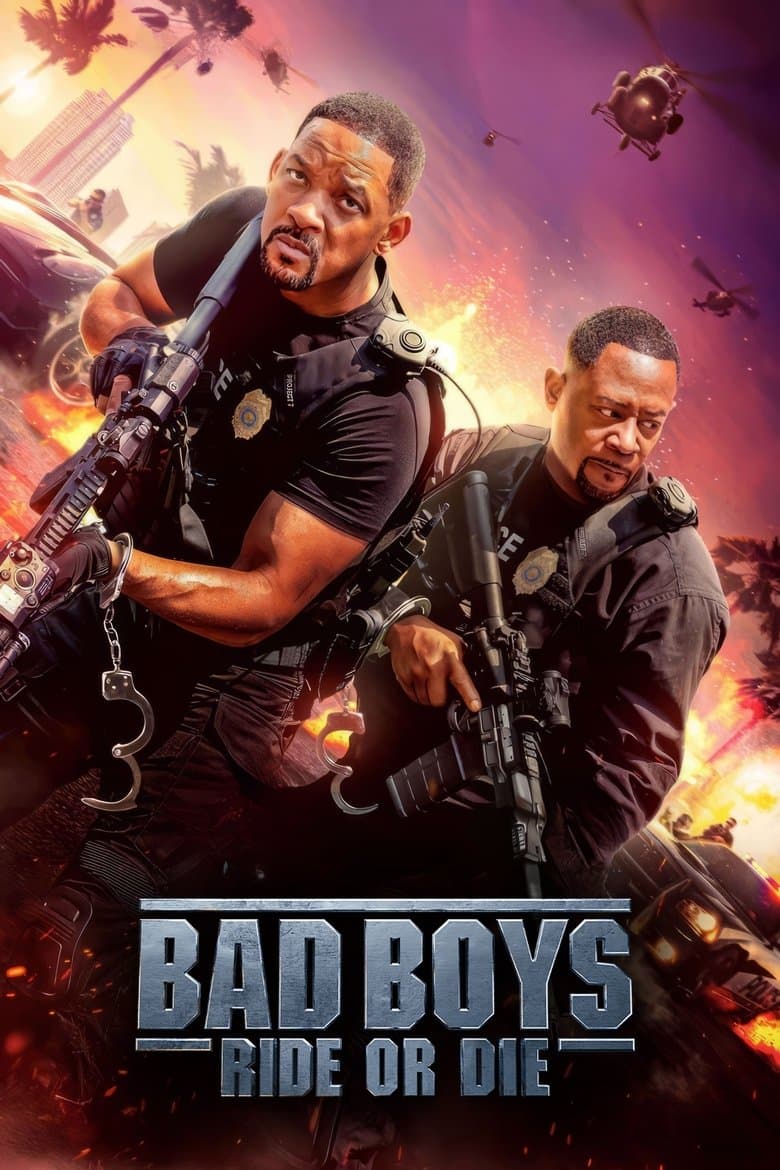
After their late former Captain is framed, Lowrey and Burnett try to clear his name, only to end up on the run themselves.
Movie · 2024
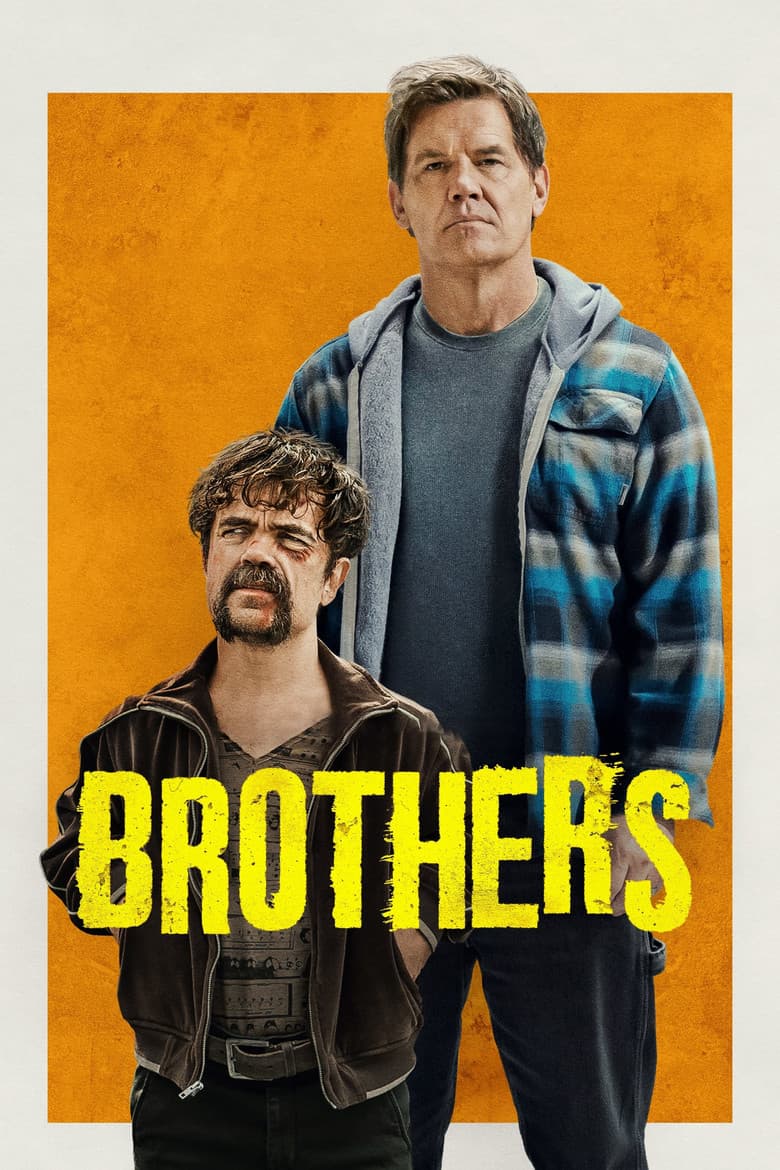
A reformed criminal's attempt at going straight is derailed when he reunites with his sanity-testing twin brother on a road trip for the score of a lifetime.
