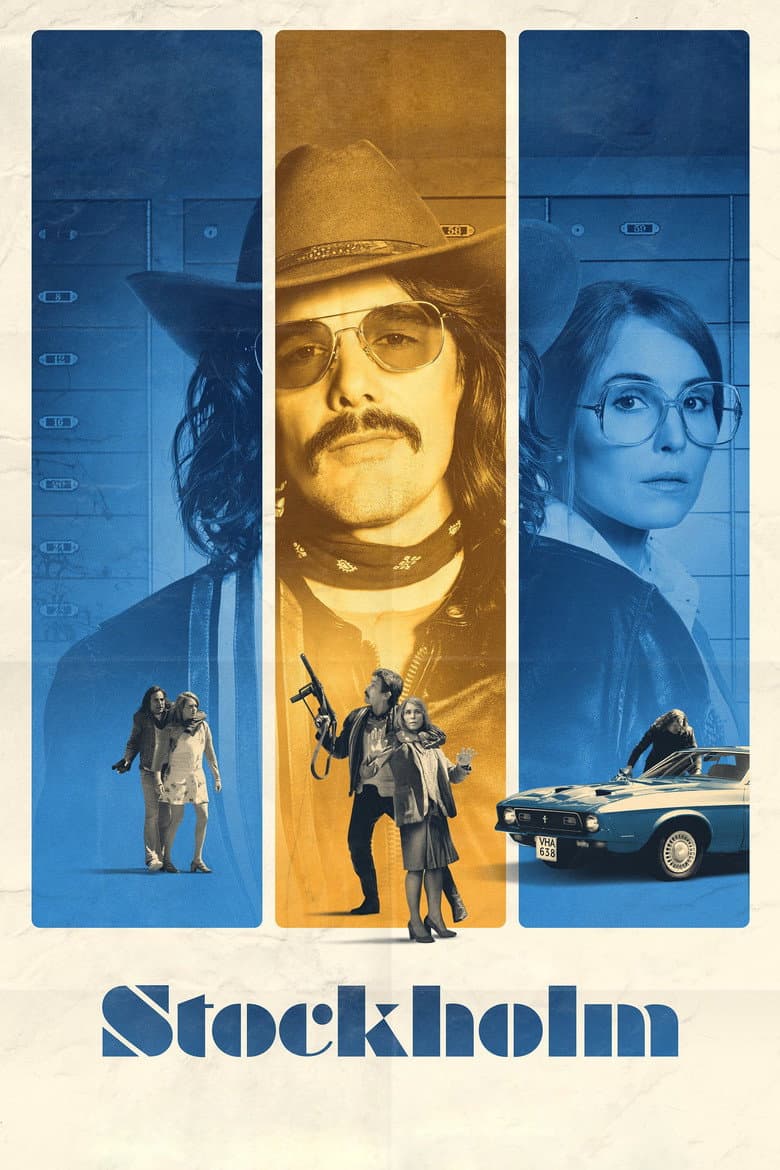
Stockholm follows Lars Nystrom, a Swedish-born, Texas-raised criminal who storms into a bank in Stockholm in 1973. He takes Bianca Lind and other workers hostage, then demands money, a fast car, and the release of his old prison friend Gunnar. The police try to end the siege while Lars struggles to keep control of his plan and his temper. The film uses dark jokes, pop music, brief violence, and an uneasy romance to tell a strange crime story.
The film looks at how fear and survival can make hostages trust a captor more than the police. Bianca, a married mother, grows close to Lars and helps him keep the standoff going, even though he threatens people with a gun. The story shows Bianca becoming braver and seeing her life in a new way after the crisis. It ends as a dark look at empathy, fear, and the ways people explain cruel acts.
Community feedback
Was our 9% Woke rating accurate?
Breakdown
These are the editorial factors and ratings behind our score for Stockholm.
Woke representation / casting
Not present. The main cast fits a 1973 Stockholm crime story, with the central roles played as Swedish or American characters. The film does not present race, gender, or diversity as a casting message.
0%
Woke political dialogue
Not present. Characters talk about the robbery, police demands, fear, and survival. The film has no modern identity, DEI, or activist speech.
0%
Identity-driven story themes
The film gives Bianca a small empowerment story. The quiet, married bank worker grows close to Lars, takes a dangerous step to protect the group, and defends him by saying that nobody is all bad. The movie treats her change as a private emotional shift during a crisis.
14%
Western institutional / cultural critique
Not present. The police and the prime minister oppose the robbery and make choices during a hostage crisis. Their conflict with the captors serves the crime plot, not a modern attack on Western institutions, family life, or social norms.
0%
Woke character or canon changes
Not relevant. The movie changes names, combines people, shortens the real event, and adds fictional details. These changes serve the crime story and are not identity-based rewrites.
0%
Anti-woke backlash and complaints
Not present. The supplied X research found no anti-woke reaction or specific complaints. Wider reviews focus on loose history, mixed tone, and the romance between a hostage and a robber.
0%
Creator track record context
The credited team has mostly commercial, independent, and historical film backgrounds. Robert Budreau has no recorded identity-driven pattern in the supplied context. Jason Blum has some political and inclusion-related context, but the other credited producers and casting directors show no strong activist pattern. This gives the title a low creator track record context score.
9%
Production
Movie · 2022
The Accident Man is back, and this time he must best the top assassins in the world to protect the ungrateful son of a mafia boss, save the life of his only friend and rekindle…
Movie · 2019
Istanbul Police Department homicide detectives encounter a murder nothing like they’ve seen before.Commissioners Emin, Salih, Asuman and deputy Alaattin begin investigating.But…
Movie · 2024
Hired to cover up a high-profile crime, a fixer soon finds his night spiralling out of control when he's forced to work with an unexpected counterpart.
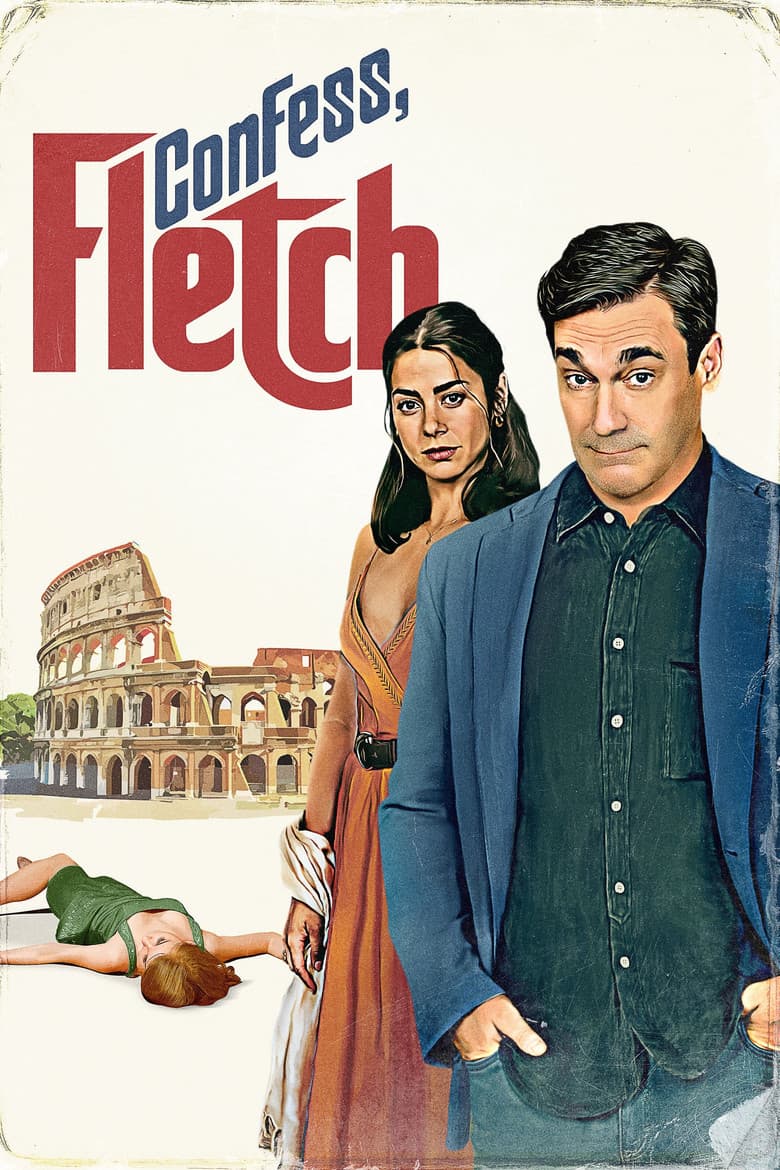
Movie · 2022
The roguishly charming and endlessly troublesome Fletch becomes the prime suspect in a murder case while searching for a stolen art collection.
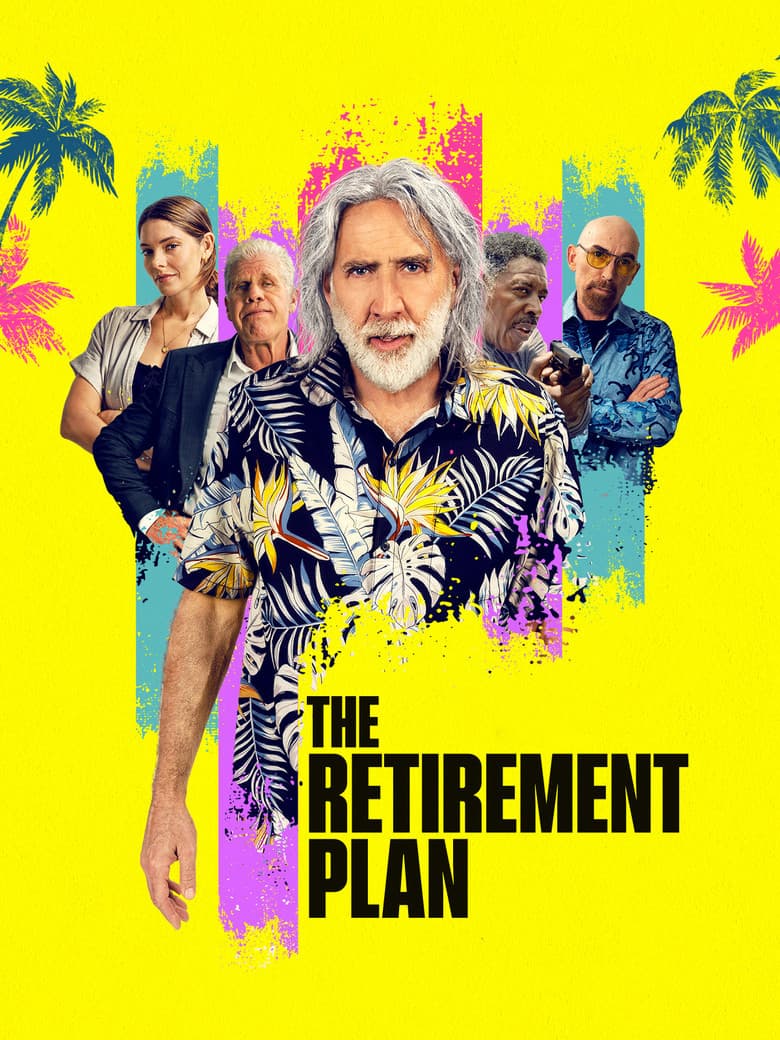
Movie · 2023
When Ashley and her young daughter Sarah get caught up in a criminal enterprise that puts their lives at risk, she turns to the only person who can help: her estranged father…
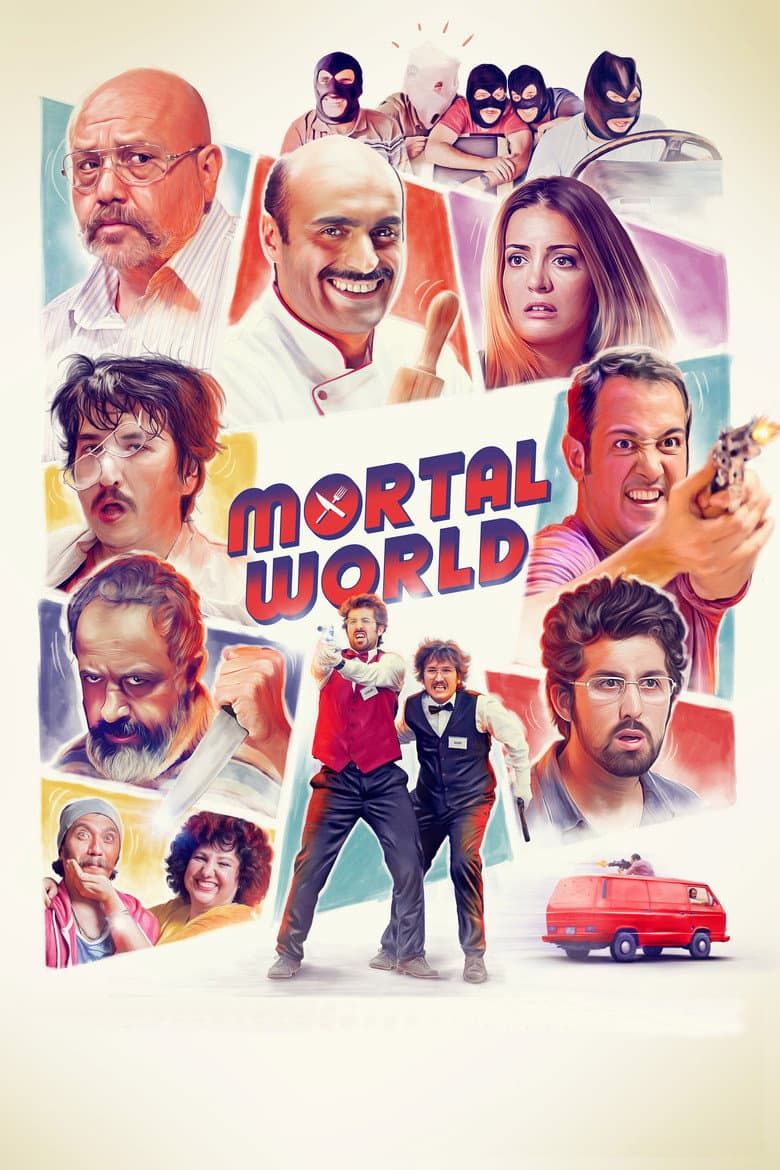
Movie · 2018
Mermer family, who has been managing a restaurant called “Anatolian flavors” in Haydarpasa train station for generations, consist of 8 members.

Movie · 2018
Max and Annie's weekly game night gets kicked up a notch when Max's brother Brooks arranges a murder mystery party -- complete with fake thugs and federal agents.
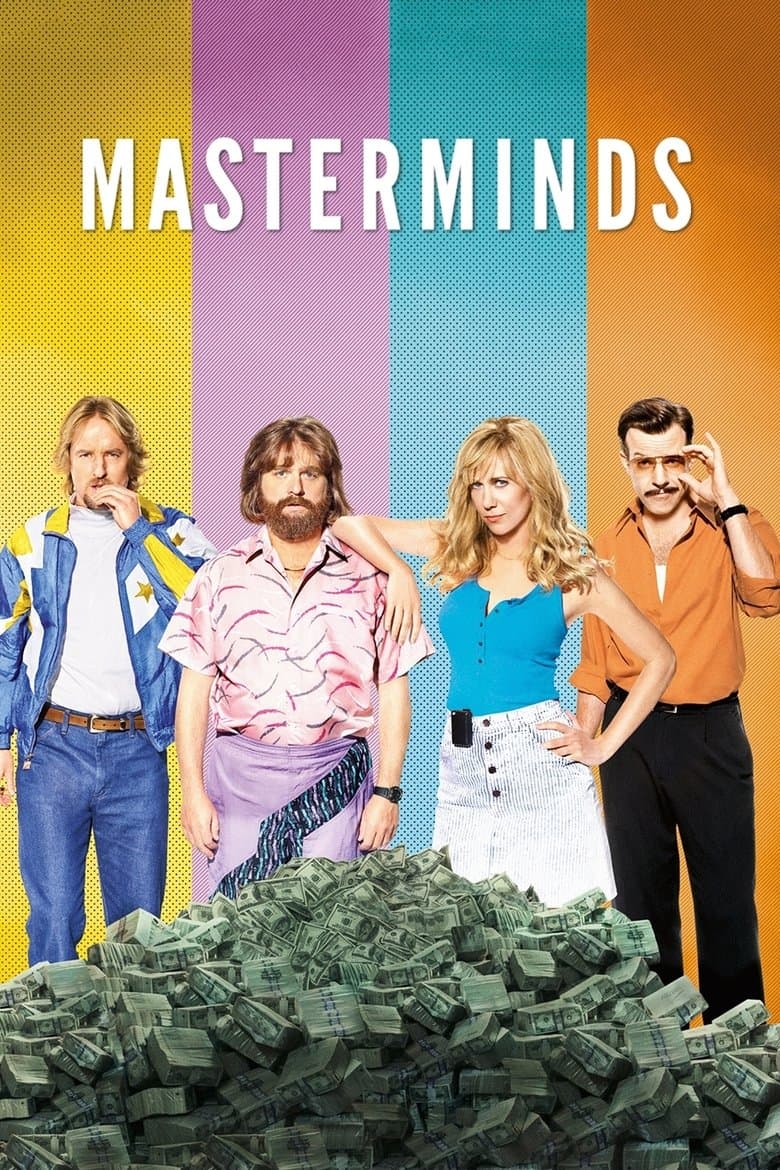
Movie · 2016
A night guard at an armored car company in the Southern U.S. organizes one of the biggest bank heists in American history.
