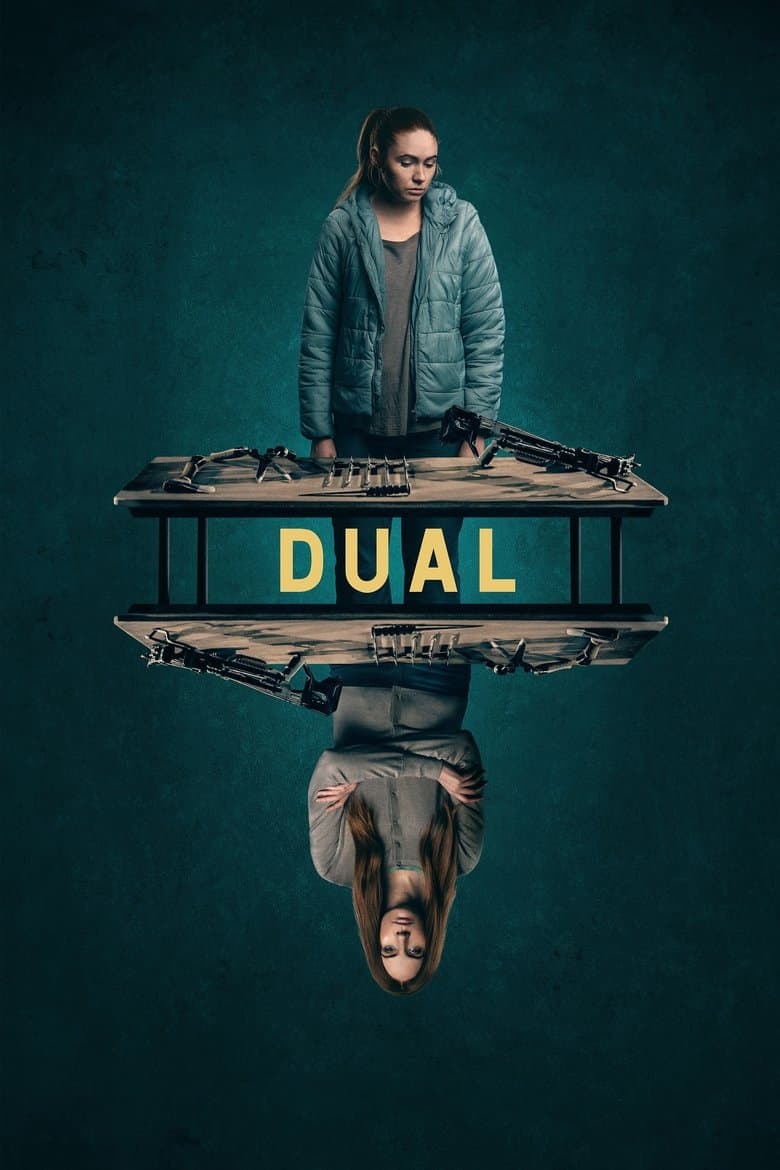
Sarah lives in a near future where dying people can buy clones to replace them. She learns that she has a deadly illness, so she orders a copy of herself for her boyfriend and mother. Sarah then recovers, but her family prefers the clone and the law orders the two women to fight to the death. The movie uses flat dialogue, strange humor, and sudden violence to make her lonely life feel cold and unreal.
Sarah and Peter are an interracial couple, but race never affects their story. The story also shows a cold company selling clones to dying people and a law that turns their lives into public fights. Peter treats the clone like a better version of his girlfriend, then judges her looks. These social ideas shape the world and the main relationship, but the movie spends more time on fear of death, personal choice, and learning how to live.
Community feedback
Was our 32% Woke rating accurate?
Breakdown
These are the editorial factors and ratings behind our score for Dual.
Woke representation / casting
Sarah is white, while Peter is played by Samoan New Zealander Beulah Koale, so the main couple is interracial. Peter has a major role, but the story never makes race part of his character or the romance. The visible casting mix does not form a wider one-of-each group.
16%
Woke political dialogue
Not present. Characters discuss clone laws, court rules, and payment plans, but they do not give speeches about parties, activism, race, sex, or current politics.
0%
Identity-driven story themes
Not present. The story asks what makes a clone an individual, but it treats identity as memory, choice, and lived experience. It does not use modern race, gender, or sexuality politics.
0%
Western institutional / cultural critique
The cloning company sells a costly service to dying people by using guilt about loved ones, then makes the clone pay the loan. The government forces the original and clone into a public death match. Peter treats the clone as an improved girlfriend and later says women lose their looks sooner than men. These ideas recur through the main story, but the movie keeps its criticism dry and indirect.
43%
Woke character or canon changes
Not relevant. Dual is an original story with no earlier character or real person being changed.
0%
Anti-woke backlash and complaints
Not present. Public debate focused on the dry acting style, slow pace, and ending. No reliable anti-woke, DEI, or identity-politics complaint about the film was found.
0%
Creator track record context
Writer and director Riley Stearns has a cached score of 32 for past pro-feminist and anti-toxic-masculinity comments. Casting director Jantsu Puumalainen has a cached score of 82 for strong diversity and queer casting work. Most other cached producers score from 3 to 33, and script supervisor Maiju Niemelä scores 0. The mixed team makes the creator context mild to moderate overall.
31%
Production
Movie · 2020
2038: George Almore is working on a true human-equivalent AI, and his latest prototype is almost ready. This sensitive phase is also the riskiest as he has a goal that must be…
Movie · 2019
Los Angeles, 1969. TV star Rick Dalton, a struggling actor specializing in westerns, and stuntman Cliff Booth, his best friend, try to survive in a constantly changing movie…
Movie · 2016
Captain William Stanaforth is on a one-way solo mission to take the first steps in colonising Mars. Like all pioneers throughout history, Stanaforth will face insurmountable odds…
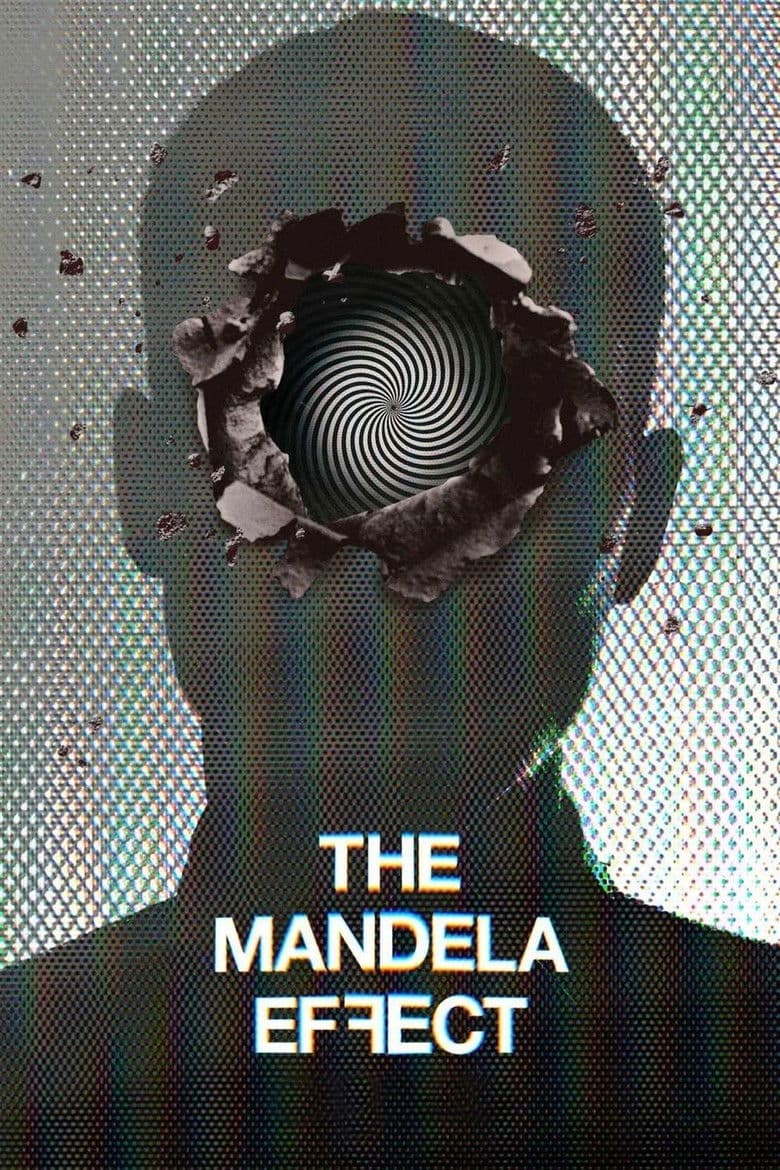
Movie · 2019
A man becomes obsessed with facts and events that have been collectively misremembered by thousands of people.

Movie · 2016
A financial schemer finds himself in the middle of an international scandal after he becomes a political adviser to the new Prime Minister of Israel.
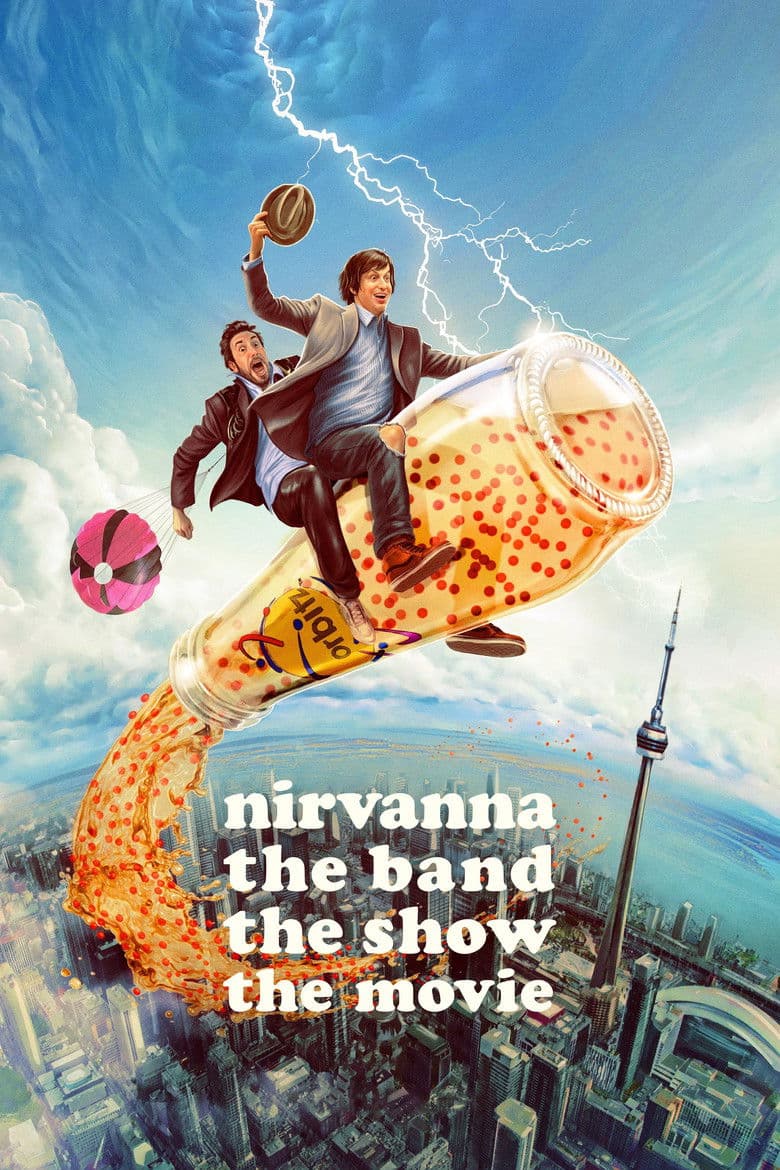
Movie · 2026
When their plan to book a show at the Rivoli goes horribly wrong, Matt and Jay accidentally travel back to the year 2008.
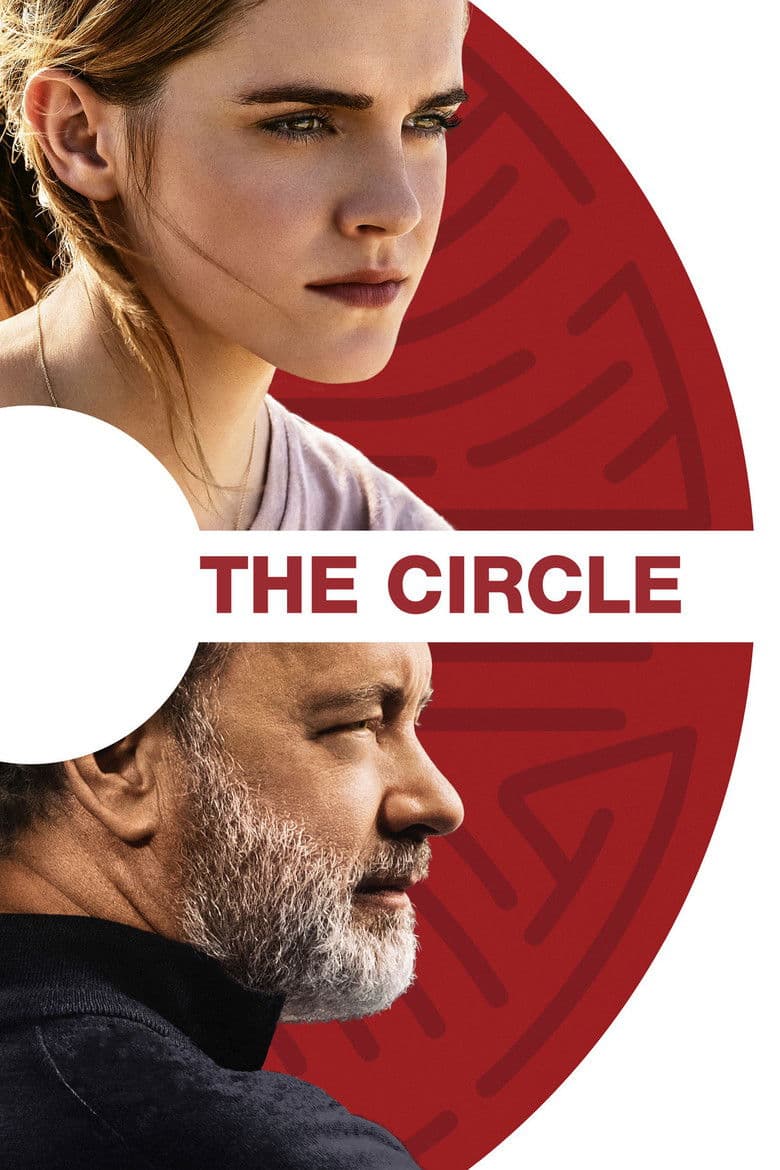
Movie · 2017
A young tech worker takes a job at a powerful Internet corporation, quickly rises up the company's ranks, and soon finds herself in a perilous situation concerning privacy…
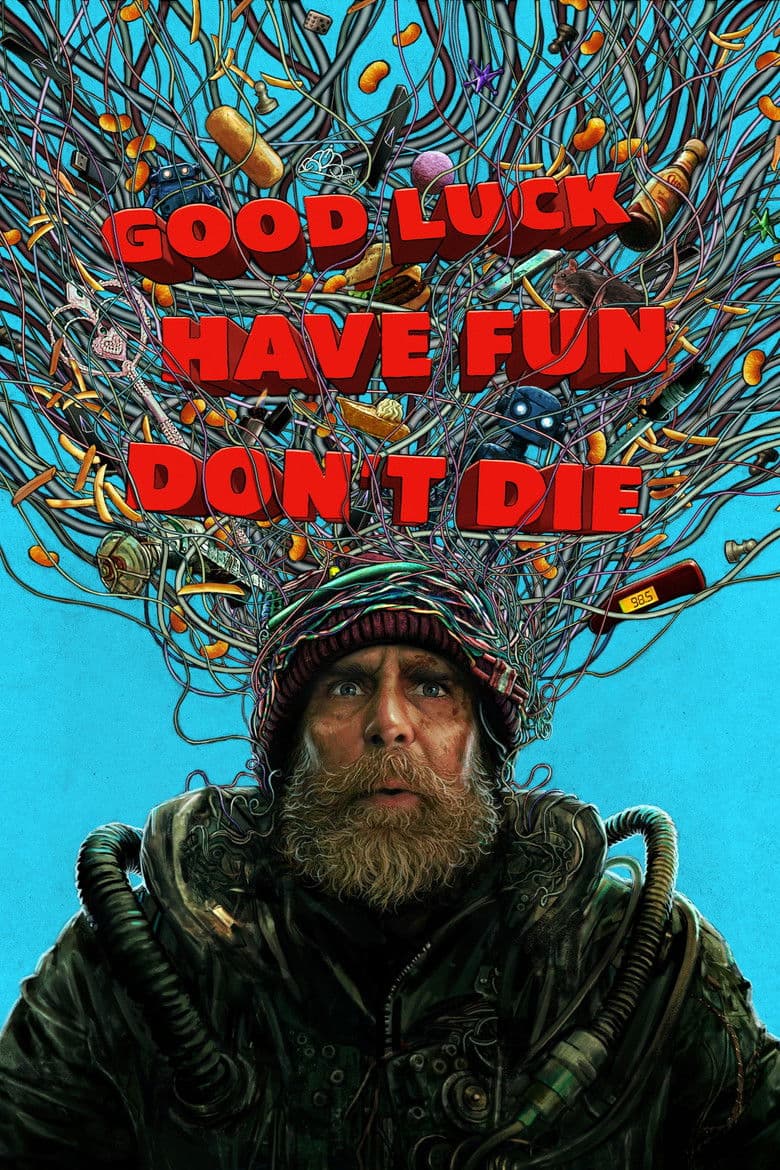
Movie · 2026
A 'Man from the Future' arrives at an LA diner where he must recruit the precise combination of disgruntled patrons to join him on a one-night quest to save the world from the…
