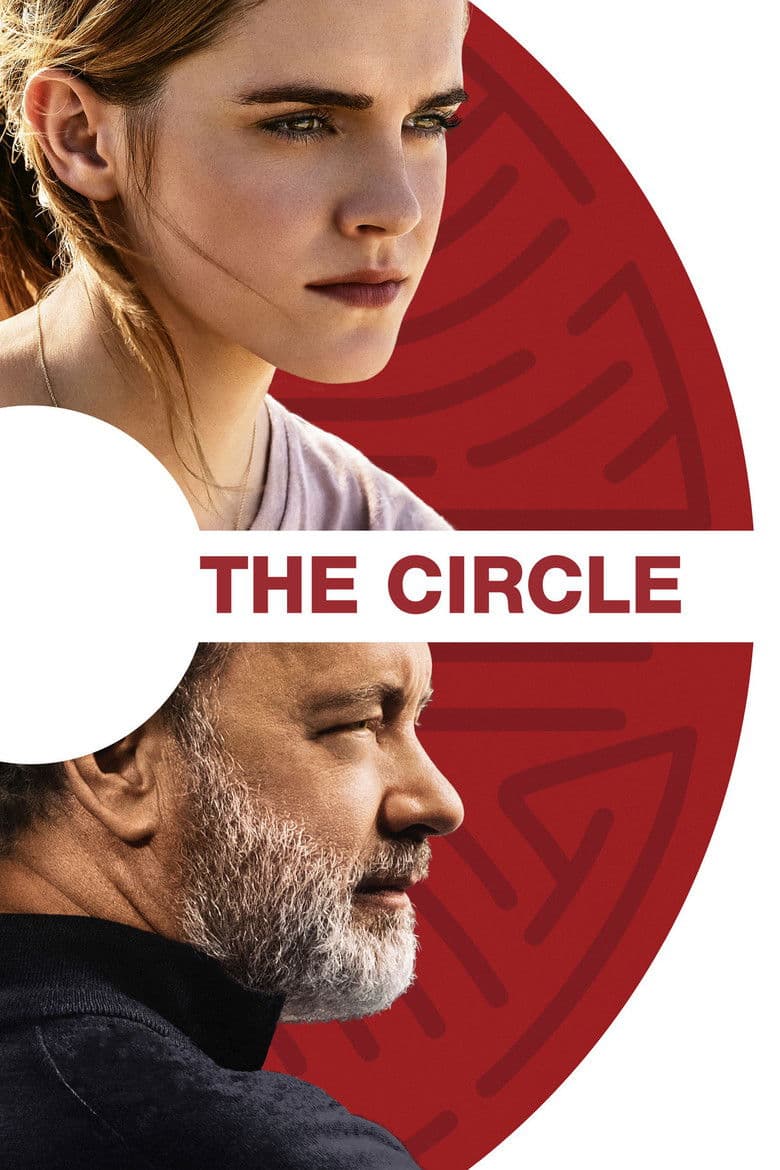
The Circle follows Mae, a young woman who joins a huge tech company that wants total openness from its users and workers. She rises fast while cameras and social tools strip away her private life. The firm pushes slogans that treat secrets as lies and sharing as a duty. Friends and family pay a hard price as online pressure and forced transparency grow. The plot becomes a warning about surveillance, data power, and corporate control of politics and daily life.
The film barely deals with race, gender, or activist identity messages on screen. Dialogue stays on privacy, tech voting, and the danger of oversharing. Casting looks like a modern Bay Area office with a woman lead and multiethnic supporting roles, but the story does not treat that as a diversity campaign. The real target is Silicon Valley power and compulsive openness, shown as a threat rather than a virtue. Reception focused on a weak script and a muddled ending, not on identity politics.
Community feedback
Was our 15% Woke rating accurate?
Breakdown
These are the editorial factors and ratings behind our score for The Circle.
Woke representation / casting
The film shows a modern Bay Area tech office with a young woman lead taken from the novel. Supporting roles are multiethnic, including John Boyega and Judy Reyes. That setup matches a normal contemporary workplace cast more than a planned identity campaign. Marketing did not sell the cast as a diversity statement.
12%
Woke political dialogue
Not present. Talk centers on privacy, total transparency, surveillance, and tech-enabled voting, not race, gender, sexuality, or social-justice slogans.
0%
Identity-driven story themes
Not present. Core story is Mae’s rise, loss of privacy, online mob harm, and forced transparency, with no race, gender, or queer identity arcs or activist messaging.
0%
Western institutional / cultural critique
The movie warns about Silicon Valley data power and compulsive oversharing. It also shows a company taking control of politics and personal life. That satire aims at tech and social media as institutions. It does not use modern identity frames such as patriarchy, whiteness, colonial guilt, or toxic masculinity.
15%
Woke character or canon changes
Not relevant. Film versus book cuts and Mae’s flipped ending are adaptation and tone choices, not race, gender, or sexuality rewrites of established figures.
0%
Anti-woke backlash and complaints
Not present. Reception focused on weak script, muddled ending, and dull execution, with no sustained anti-woke or DEI backlash tied to the title.
0%
Creator track record context
Eggers and Ponsoldt fit a mild liberal literary and character-drama profile more than an identity-first team. Hanks and other producers read as mainstream. Casting credits elsewhere include more LGBTQ-heavy work, but that does not define this film. The overall authorship is a liberal tech dystopia, not an agenda-driven identity project.
22%
Production

Movie · 2020
2038: George Almore is working on a true human-equivalent AI, and his latest prototype is almost ready. This sensitive phase is also the riskiest as he has a goal that must be…
Movie · 2020
A couple on a road trip through America encounter a terrifying dark force older than the country itself. An evil that transforms loved ones into someone terrifying, the entity has…
Movie · 2021
On a post-apocalyptic Earth, a robot, built to protect the life of his dying creator's beloved dog, learns about life, love, friendship, and what it means to be human.
Movie · 2019
In a series of escalating encounters, former security guard David Dunn uses his supernatural abilities to track Kevin Wendell Crumb, a disturbed man who has twenty-four…
Movie · 2017
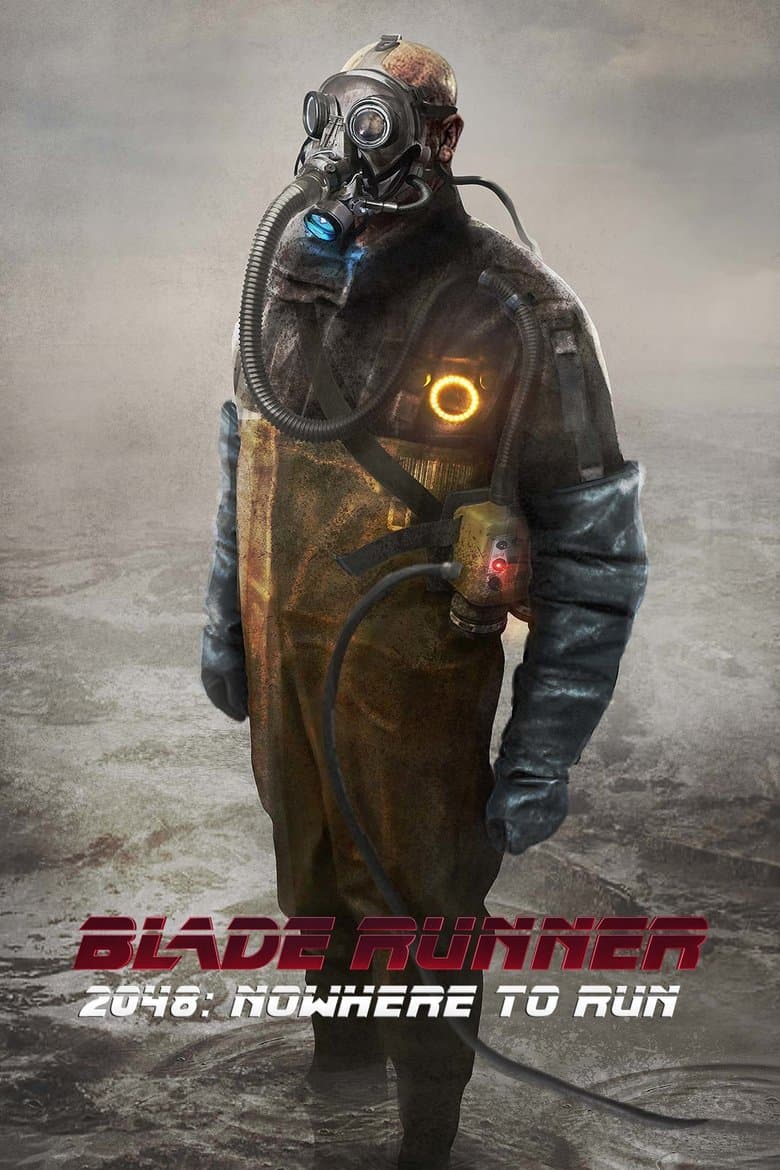
“2048: Nowhere to Run” takes place one year before the events of Blade Runner 2049. The short film focuses on Sapper, a man who is trying to make it through life day-by-day…
Movie · 2017
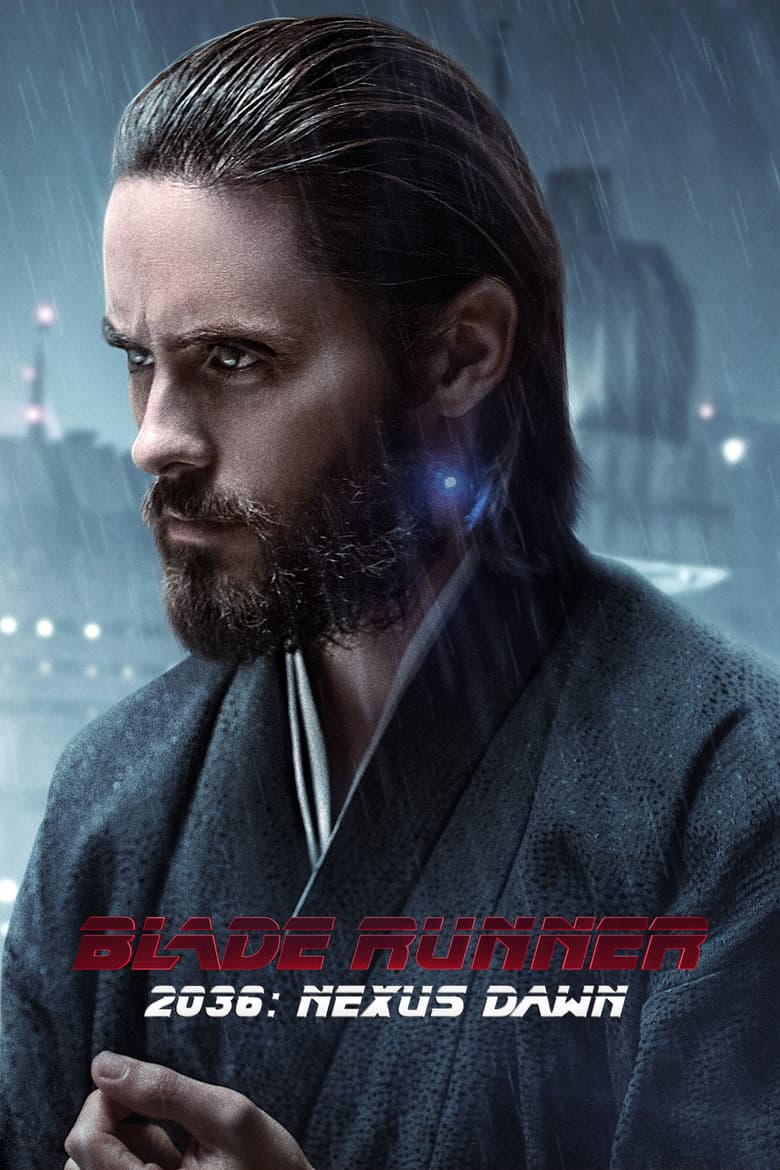
This in-world short film takes place in the year 2036 and revolves around Jared Leto’s character, Niander Wallace.
Movie · 2017
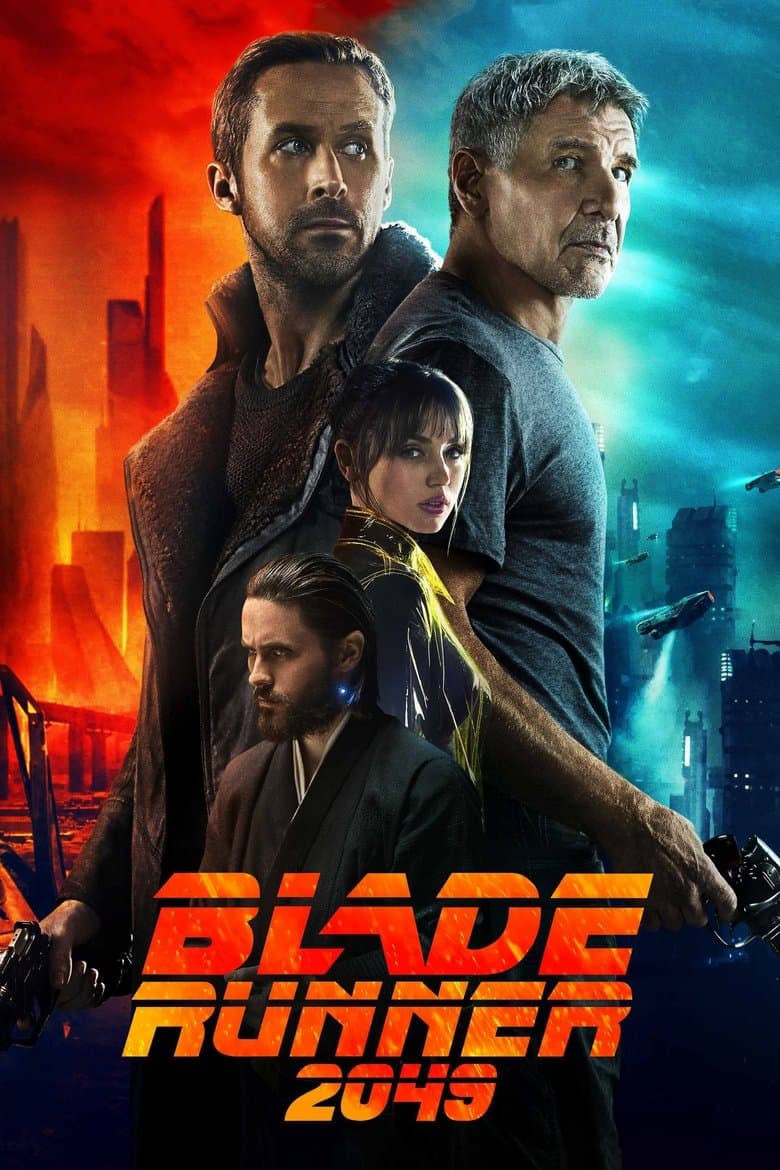
Thirty years after the events of the first film, a new blade runner, LAPD Officer K, unearths a long-buried secret that has the potential to plunge what's left of society into…
Movie · 2018
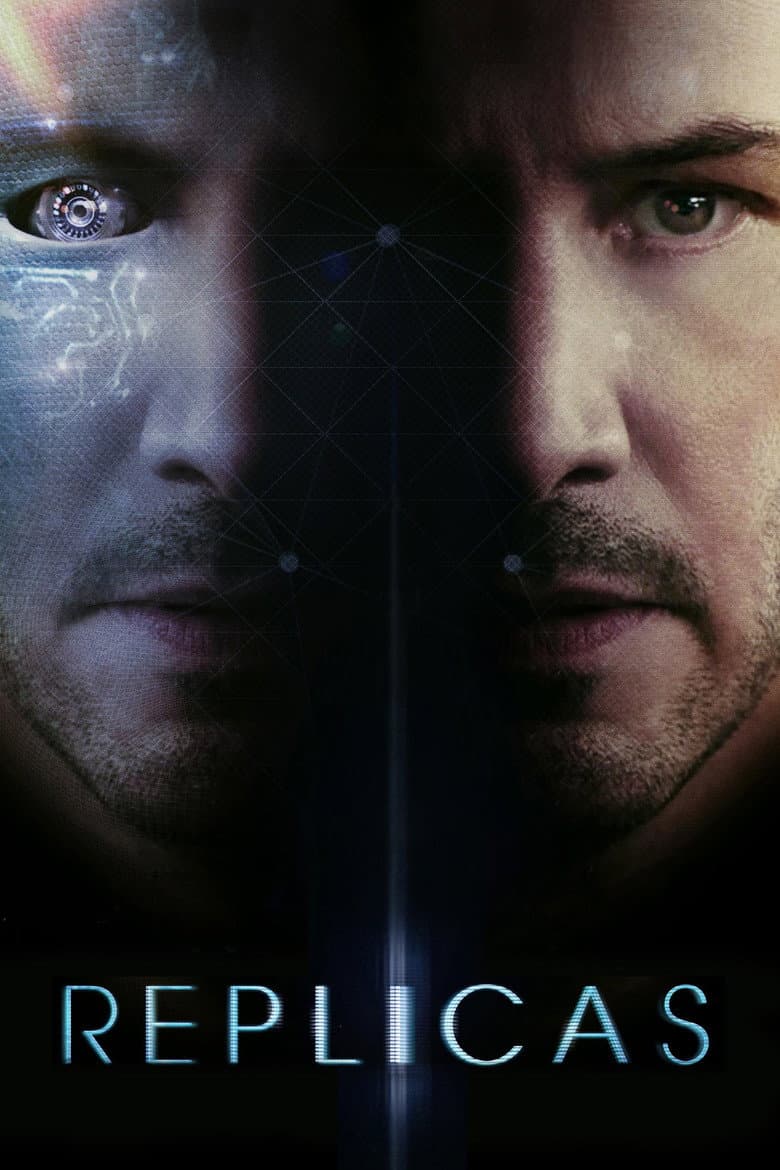
A scientist becomes obsessed with returning his family to normalcy after a terrible accident.
