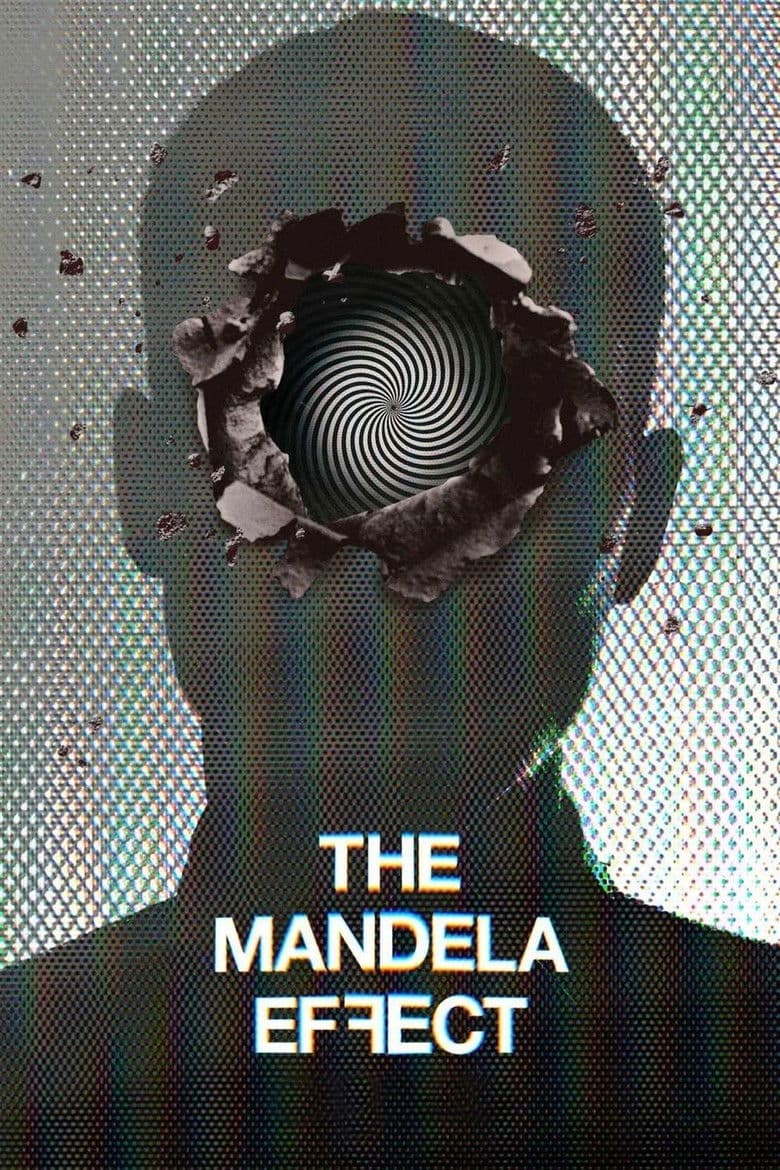
Brendan is a video game designer who cannot accept the death of his young daughter, Sam, after an accident at the beach. He starts studying the Mandela Effect, which describes groups of people sharing clear memories of things that did not happen or were not true. His wife Claire and his brother-in-law Matt warn him that grief and false memory may be pulling him away from real life. Brendan instead follows a theory that the world is a computer simulation and that its errors could bring Sam back. The movie mixes family grief, internet conspiracy ideas, science talk, and a tense science fiction mystery.
The clearest identity-related element is a short line saying that Matt is dating a man. That detail stays outside the main conflict and does not shape the ending. The movie gives more attention to questions about memory, free will, God, and whether people can change reality. The story treats Brendan’s search as a personal attempt to escape pain, while the ending turns his computer plan into strange and unsettling science fiction.
Community feedback
Was our 8% Woke rating accurate?
Breakdown
These are the editorial factors and ratings behind our score for The Mandela Effect.
Woke representation / casting
The film includes a brief reference to Matt dating a man. Matt is a supporting character, and the relationship is not shown as a major part of the story. The rest of the cast fits a present-day American setting and is not framed as a diversity message.
10%
Woke political dialogue
Not present. The dialogue discusses grief, false memory, simulation theory, free will, and God. It does not push modern identity or activist ideas.
0%
Identity-driven story themes
The film briefly identifies Matt as dating a man. That relationship stays outside Brendan’s main conflict and does not drive a character arc. The main themes involve grief, memory, free will, and simulation theory.
10%
Western institutional / cultural critique
Not present. The film questions reality and computer systems, but it does not attack modern Western institutions, traditional family life, or Christianity.
0%
Woke character or canon changes
Not relevant. The film uses public examples such as Nelson Mandela, the Berenstain Bears, and Darth Vader’s line as Mandela Effect clues. It does not change a known character or historical figure to promote identity politics.
0%
Anti-woke backlash and complaints
Not present. Public criticism centered on pacing, acting, conspiracy claims, and whether the film explains the Mandela Effect well. The available reaction does not show a meaningful anti-woke or anti-DEI campaign.
0%
Creator track record context
Not present. Cached summaries describe Levy and Schlachtenhaufen as genre filmmakers focused on suspense, moral choices, and story structure. The cached creator context shows no recurring DEI, representation-first, or activist record tied to this film.
0%
Production
Movie · 2018
A scientist becomes obsessed with returning his family to normalcy after a terrible accident.
Movie · 2017
“2048: Nowhere to Run” takes place one year before the events of Blade Runner 2049. The short film focuses on Sapper, a man who is trying to make it through life day-by-day…
Movie · 2020
A couple on a road trip through America encounter a terrifying dark force older than the country itself. An evil that transforms loved ones into someone terrifying, the entity has…
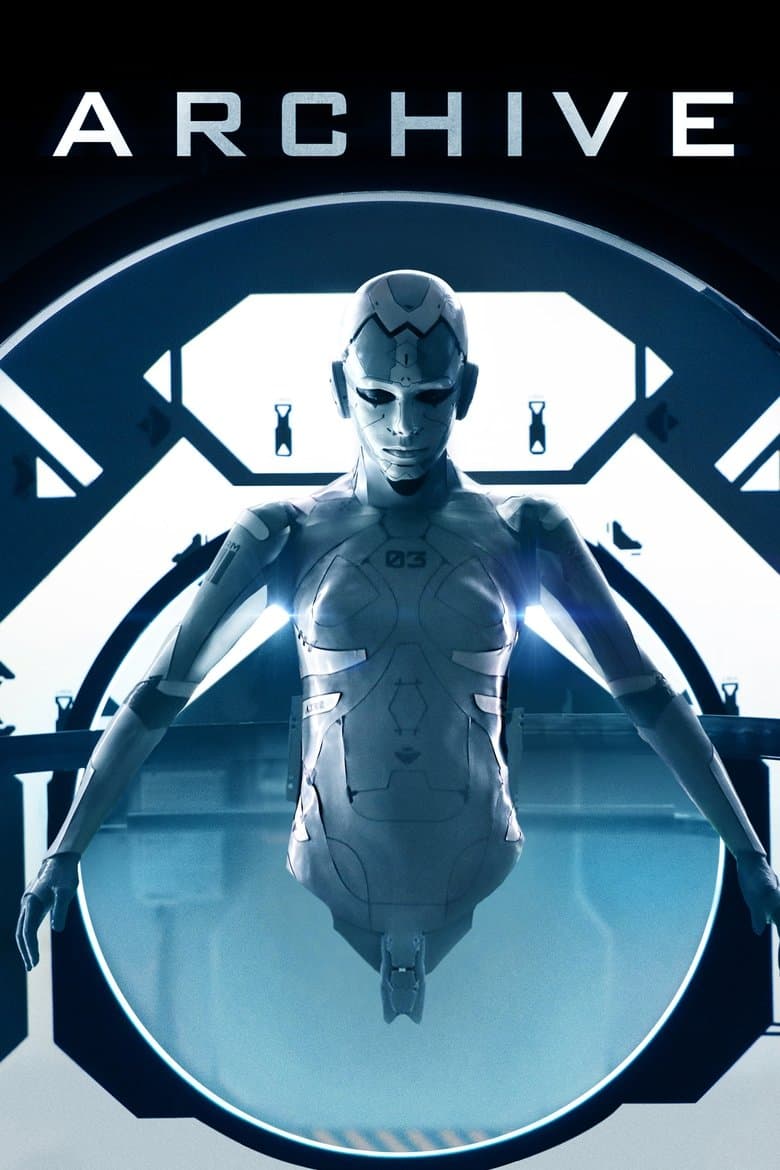
Movie · 2020
2038: George Almore is working on a true human-equivalent AI, and his latest prototype is almost ready. This sensitive phase is also the riskiest as he has a goal that must be…

Movie · 2022
Mike and Kate, a young couple, get the once-in-a lifetime chance to win a cool five million dollars. The challenge: Live for 50 days in a blank space.

Movie · 2018
A family is forced to live in silence while hiding from creatures that hunt by sound.
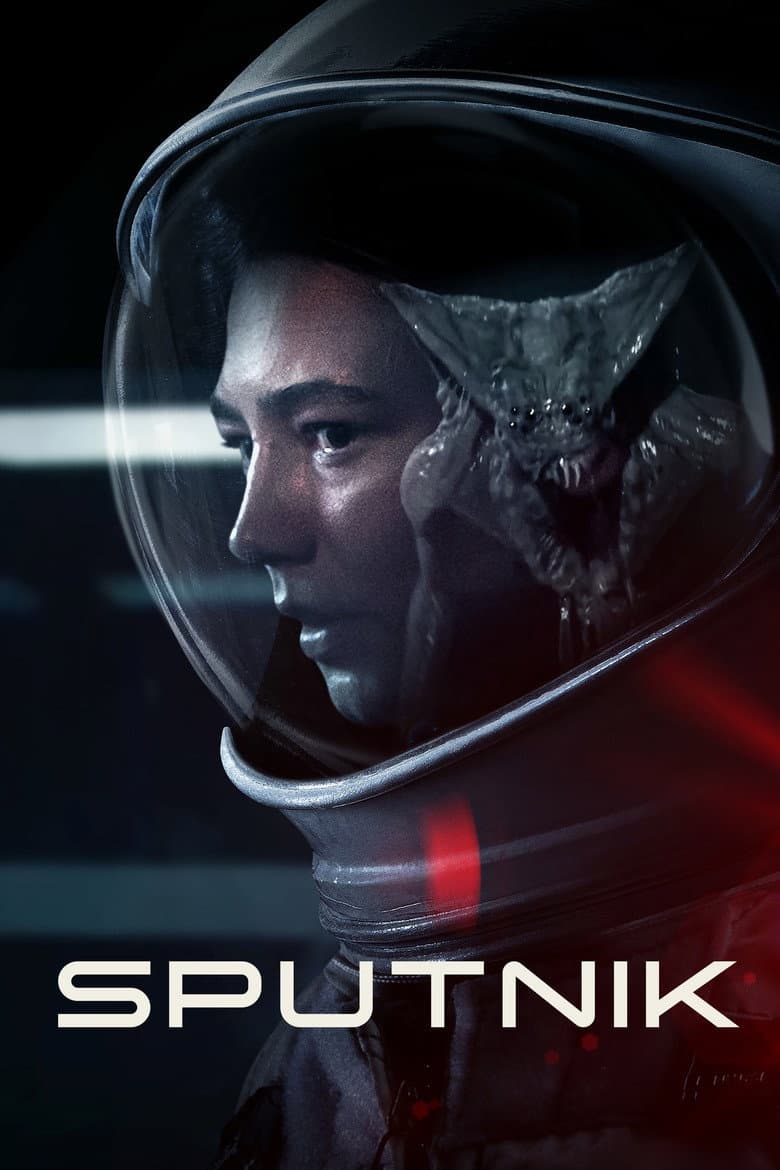
Movie · 2020
At the height of the Cold War, a Soviet spacecraft crash lands after a mission gone awry, leaving the commander as its only survivor.

Movie · 2017
On a romantic getaway to Iceland, a young American couple wake up one morning to discover every person on Earth has disappeared.
