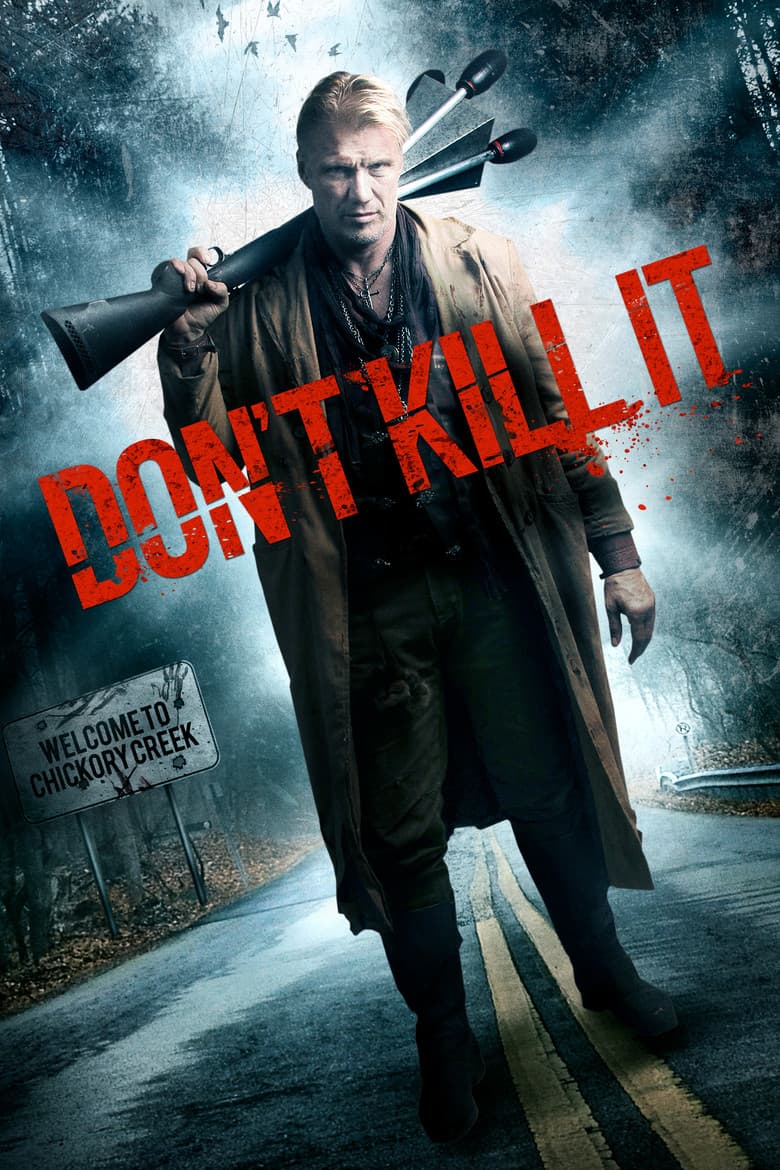
Don't Kill It follows Jebediah Woodley, a hard-drinking demon hunter who reaches the small town of Chicory Creek in Mississippi after a string of family murders. An ancient spirit moves into the person who kills its current host, so every rescue attempt can start another wave of killings. Jebediah joins FBI Agent Evelyn Pierce, a local woman who returns to investigate what officials first treat as possible domestic terrorism. The film uses a fast, cheap, and bloody horror-comedy style with jokes, rough action, church panic, and a very dark view of possession.
The early bar scene gives a short lesson about consent when Jebediah stops a man who ignores a woman's repeated refusal. Evelyn works as a trained federal agent, joins the hunt, and later chooses a deadly way to stop the demon. Her strange family history links her to angels, while a pastor's fear turns the local church group against her and Jebediah. The main story still follows demons, gore, sex jokes, male bravado, family murder, and the fight to contain evil.
Community feedback
Was our 25% Woke rating accurate?
Breakdown
These are the editorial factors and ratings behind our score for Don't Kill It.
Woke representation / casting
Not present. The film has a male demon hunter and a female FBI agent, but it does not frame those choices as a diversity message. The story shows no clear representation-first group or identity-based casting pattern.
0%
Woke political dialogue
Jebediah gives a clear speech about consent in the opening bar scene. He says that sex should happen only between consenting adults and calls a man a bad person for ignoring a woman's repeated no. The scene is brief, and the film does not return to gender politics as a main subject.
28%
Identity-driven story themes
Evelyn works as a federal agent and becomes Jebediah's main partner in the demon hunt. The film gives her an important supernatural bloodline and lets her make the final sacrifice. Jebediah also stops a man who ignores a woman's refusal. These points create a small female-agency and consent message, but the main story stays about demons, gore, and survival.
14%
Western institutional / cultural critique
The film shows a local pastor blaming Evelyn for the evil and leading armed church members against Jebediah. The church group blocks the plan that could contain the demon and causes more deaths. This gives the story a mild negative view of religious panic and bad local authority. The film does not connect that conflict to current politics or a broad attack on Western institutions.
14%
Woke character or canon changes
Not relevant. The film is an original story about Jebediah Woodley, Evelyn Pierce, and a new demon. It does not adapt established characters or change a real historical figure.
0%
Anti-woke backlash and complaints
Not present. The X research pass reported no anti-woke posts or specific complaints. Available Reddit and review coverage focused on gore, humor, and the low-budget style, with no clear DEI or identity-politics backlash.
0%
Creator track record context
Mendez has a moderate creator track record because of his later Latino-focused Satanic Hispanics project. His wider work is mostly camp horror and genre entertainment. The writers, producers, and casting director have little public identity-focused history. Title interviews frame this film around splatter, comedy, and action rather than social activism.
25%
Production
Movie · 2016
Brothers Mike and Jody join family friend Reggie to battle the Tall Man and his evil minions from another dimension, for the final time.
Movie · 2018
The Shadow Mountains, 1983. Red and Mandy lead a loving and peaceful existence; but when their pine-scented haven is savagely destroyed, Red is catapulted into a phantasmagoric…
Movie · 2024
Hellboy and a rookie BPRD agent get stranded in 1950s rural Appalachia. There, they discover a small community haunted by witches, led by a local devil with a troubling connection…
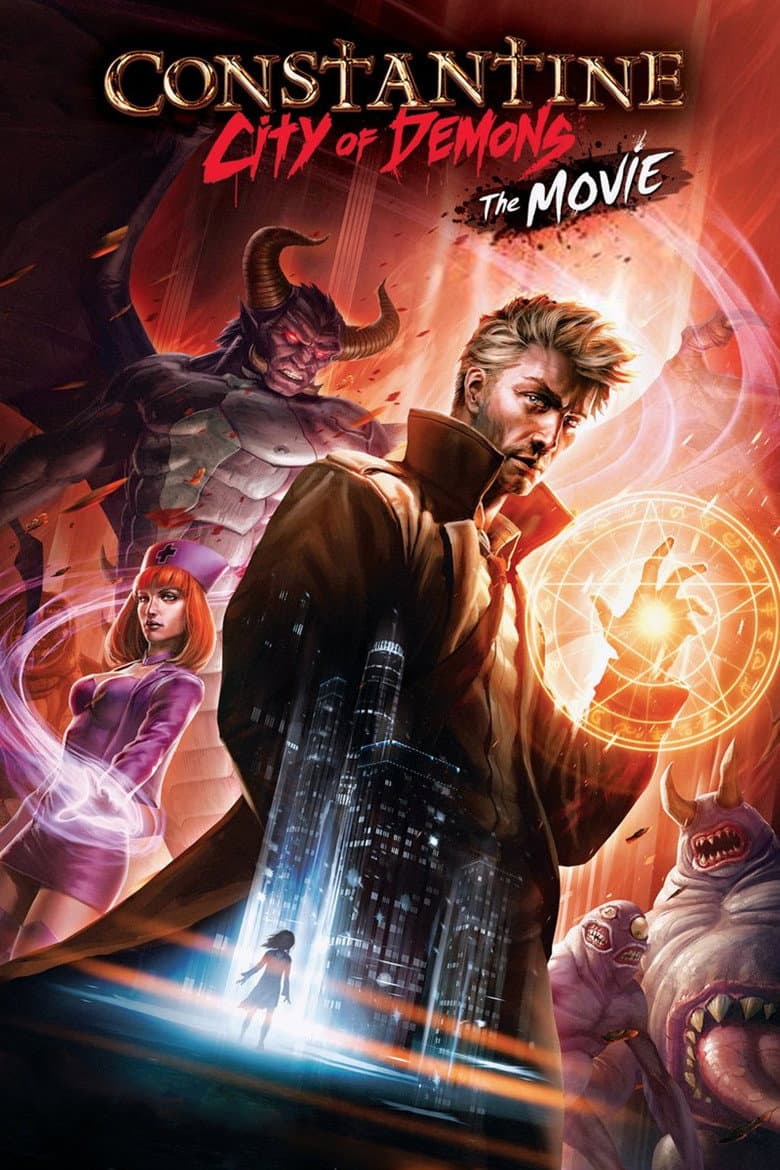
Movie · 2018
A decade after a tragic mistake, family man Chas Chandler and occult detective John Constantine set out to cure his daughter Trish from a mysterious supernatural coma.
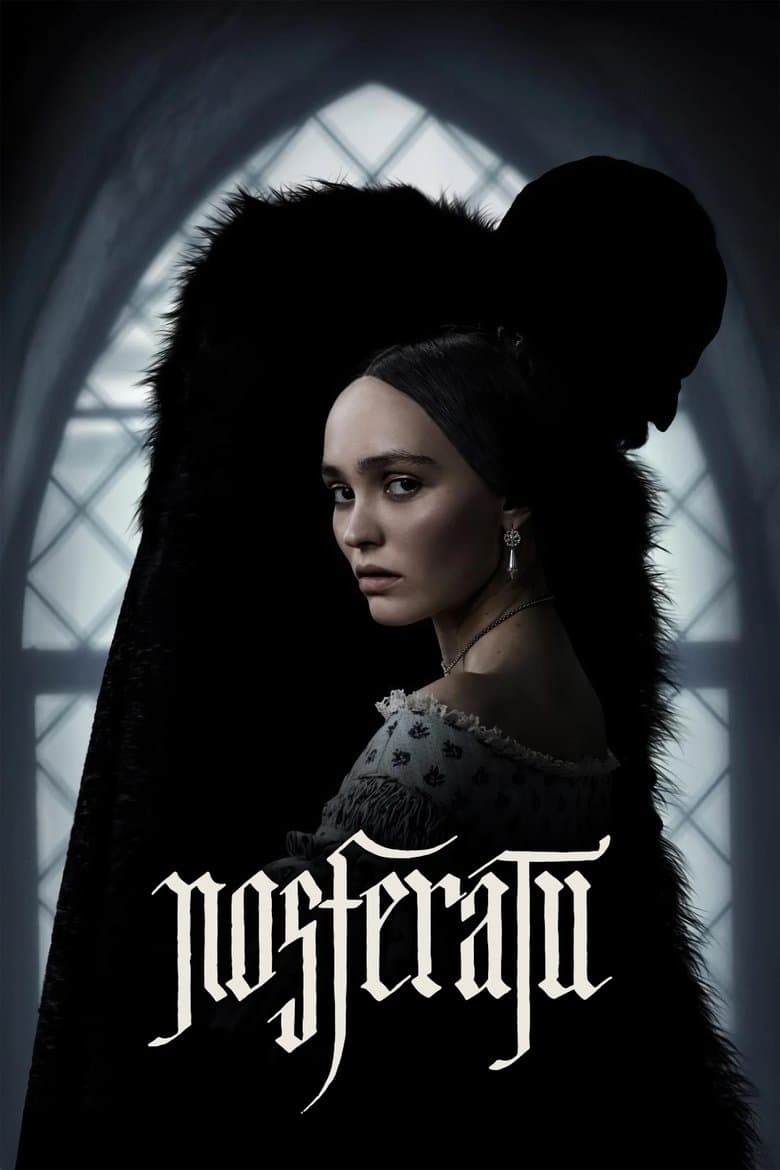
Movie · 2024
A gothic tale of obsession between a haunted young woman and the terrifying vampire infatuated with her, causing untold horror in its wake.
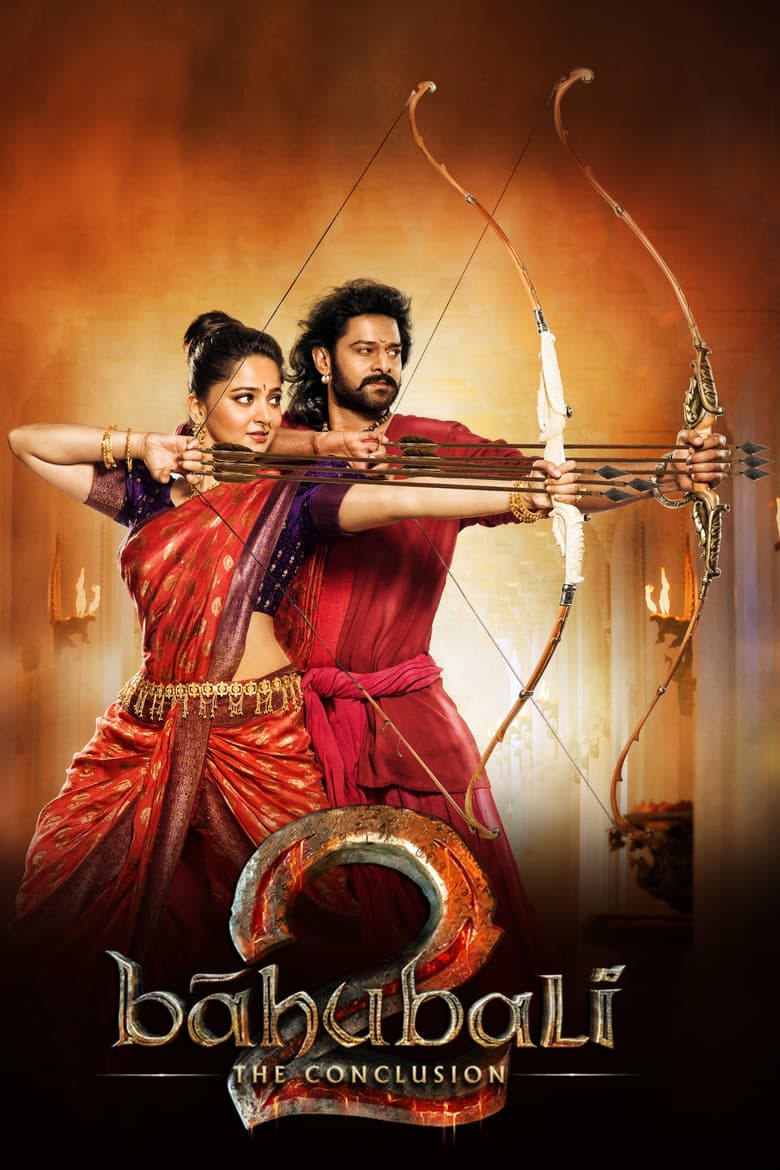
Movie · 2017
When Mahendra, the son of Bāhubali, learns about his heritage, he begins to look for answers. His story is juxtaposed with past events that unfolded in the Mahishmati Kingdom.
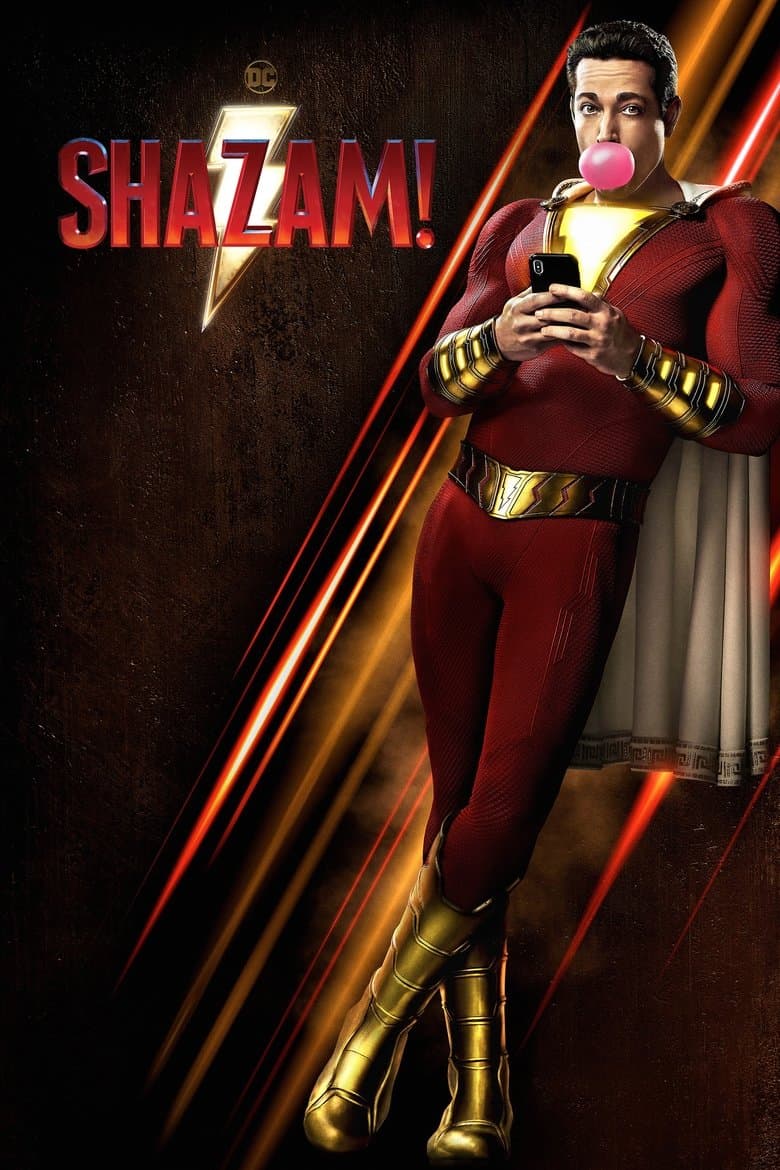
Movie · 2019
A boy is given the ability to become an adult superhero in times of need with a single magic word.
Movie · 2025
During the Vietnam War, a recon unit ventures to an isolated jungle valley to uncover the fate of a missing platoon.
