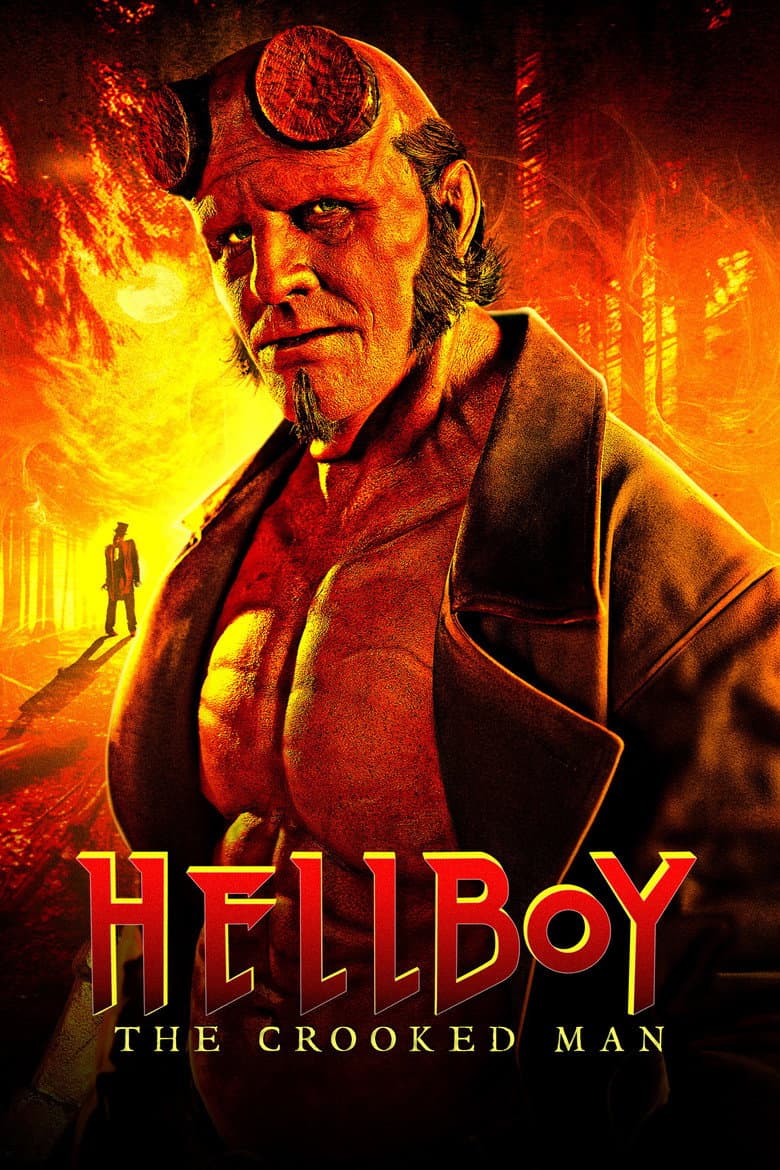
Hellboy: The Crooked Man follows Hellboy, a demon raised by humans who works for the BPRD. In 1959, he and rookie agent Bobbie Jo Song become stranded in rural Appalachia after a giant spider escapes from their train. They meet Tom Ferrell, a former soldier who wants to save the soul of his old love and end a pact with the Crooked Man. The film uses a grim folk-horror tone and favors small, scary encounters over a large superhero battle.
The clearest audience-visible identity element is the casting of Hong Kong-born actor Adeline Rudolph as Bobbie Jo, a named BPRD agent in a 1950s Appalachian story. The movie gives her a useful partner role and lets her use magic to stop the spider, but it does not turn her race or sex into a speech or a modern political lesson. Bobbie Jo also has a small romantic hint with Hellboy, while the main story stays focused on a deal with the devil and the fight against evil. The film presents a church and Reverend Watts as helpful, so its religious imagery works as part of the horror story rather than as a modern attack on Christianity.
Community feedback
Was our 13% Woke rating accurate?
Breakdown
These are the editorial factors and ratings behind our score for Hellboy: The Crooked Man.
Woke representation / casting
The film gives prominent supporting roles to Adeline Rudolph as rookie agent Bobbie Jo Song and Joseph Marcell as Reverend Watts in a 1950s rural Appalachian story. Rudolph is a Hong Kong-born actor, so the casting creates a visible race and gender contrast with the mostly white local cast. Bobbie Jo is useful but remains a junior partner, and interviews did not sell her as a diversity or empowerment symbol.
18%
Woke political dialogue
Not present. The dialogue covers witchcraft, guilt, faith, and survival. It does not include modern political, DEI, or activist speeches.
0%
Identity-driven story themes
Not present. The plot centers on a devil’s bargain, lost souls, and a fight against witches. Race, sex, and sexuality do not drive the conflict.
0%
Western institutional / cultural critique
Not present. The film does not attack modern institutions, men, family life, or Western culture. A church and a pastor help the heroes fight the Crooked Man.
0%
Woke character or canon changes
Not relevant. The film adds Bobbie Jo Song as a new BPRD agent, but interviews describe her as a story addition rather than a diversity message. The other changes serve the period setting and the plot.
0%
Anti-woke backlash and complaints
A small right-leaning review account said Bobbie Jo Song felt like a race and gender mismatch for 1950s Appalachia. The account had about two likes and low reach. No coordinated boycott or review-bomb push appeared. The complaint is fringe noise, not proof that the casting is wrong.
12%
Creator track record context
The cached scores for the writers and producers are low, from 0 to 23. Brian Taylor is mainly known for fast action films with little activist framing. Mike Mignola’s work centers on folklore and horror, and title interviews stressed a faithful comic adaptation. Christopher Golden, the casting director, and the producers have no strong cached activist record.
8%
Production

Movie · 2025
The Demon Slayer Corps are drawn into the Infinity Castle, where Tanjiro, Nezuko, and the Hashira face terrifying Upper Rank demons in a desperate fight as the final battle…

Movie · 2019
On the outskirts of a kingdom, a quiet but fierce medieval warrior protects the realm from monsters and the occult.
Movie · 2024
In the near future, on a decimated Earth, Paul and his twin sons face terror at night when ferocious creatures awaken.
Movie · 2022
The vicious, power-mad Kano is determined to take over Earthrealm, one soul at a time. Assisted by a trio of cold Black Dragon mercenaries, he embarks on a brutal assault from…

Movie · 2023
An exploratory dive into the deepest depths of the ocean of a daring research team spirals into chaos when a malevolent mining operation threatens their mission and forces them…
Movie · 2019
A boy is given the ability to become an adult superhero in times of need with a single magic word.
Movie · 2021
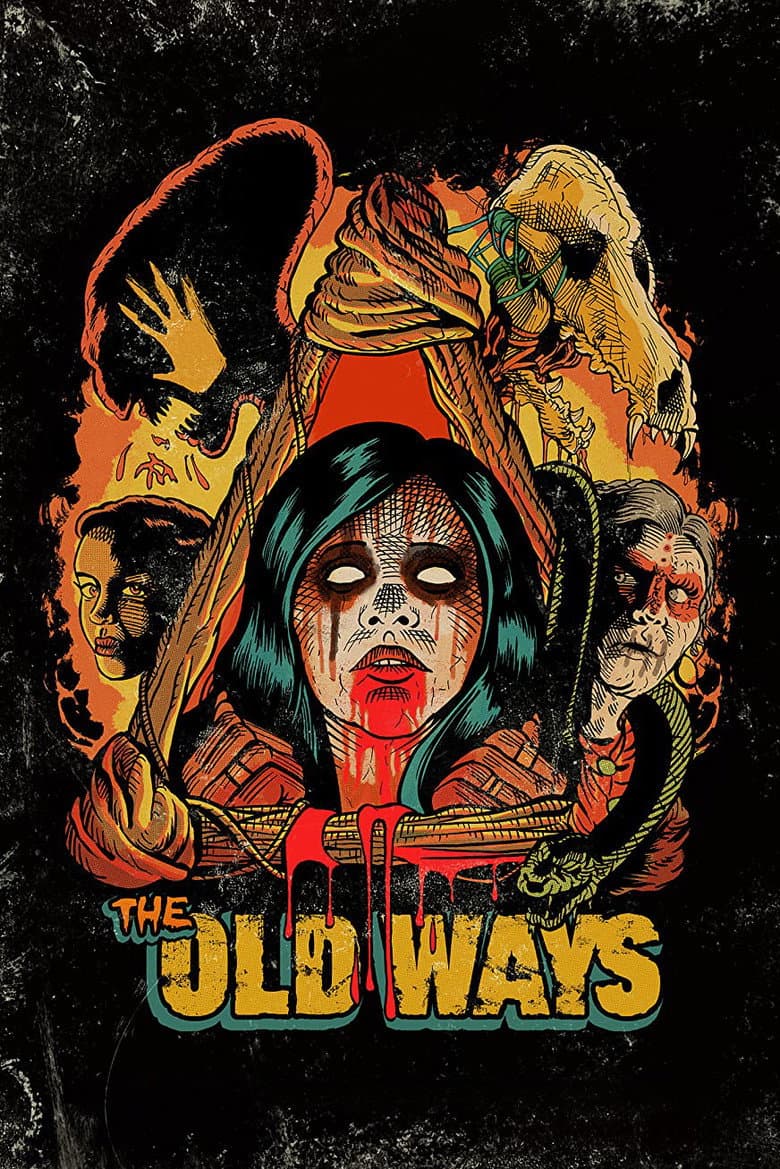
Cristina, a journalist of Mexican origin, travels to her ancestral home in Veracruz to investigate a story of sorcery and healing.
Movie · 2025
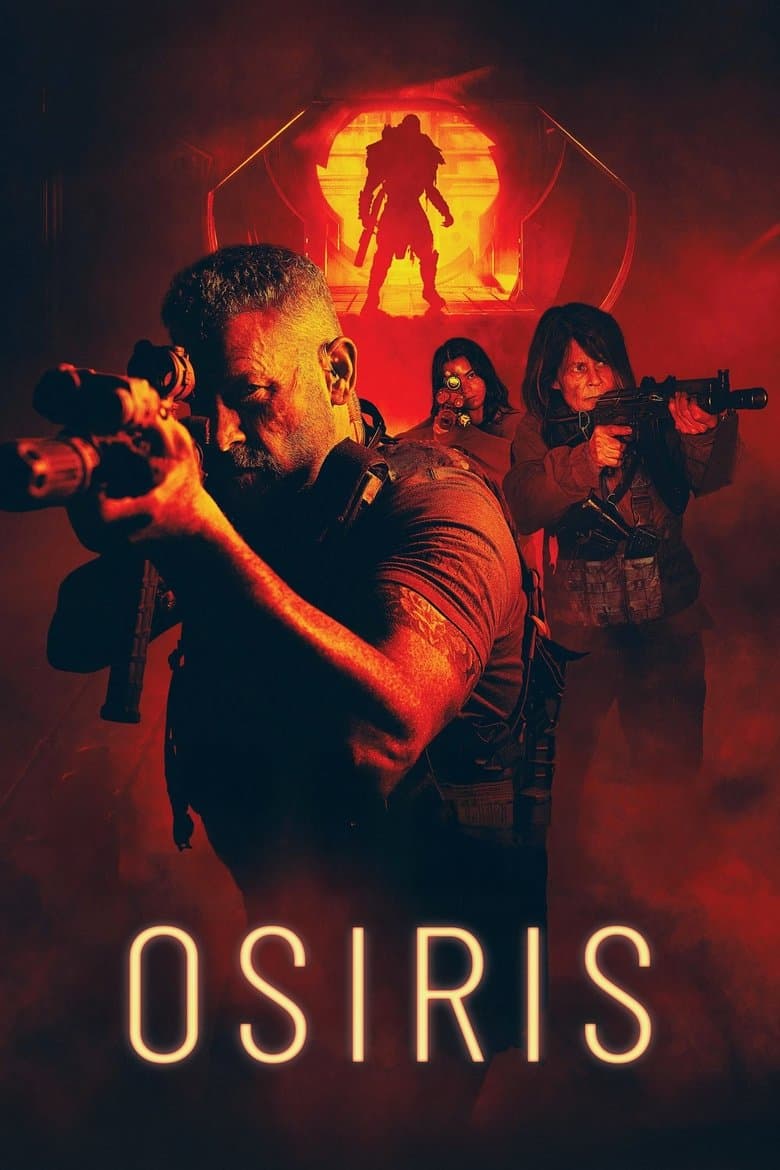
Special Forces commandos on a mission are abducted mid-operation by a mysterious spacecraft. Upon waking aboard, they find themselves prey to a relentless alien race in a fight…
