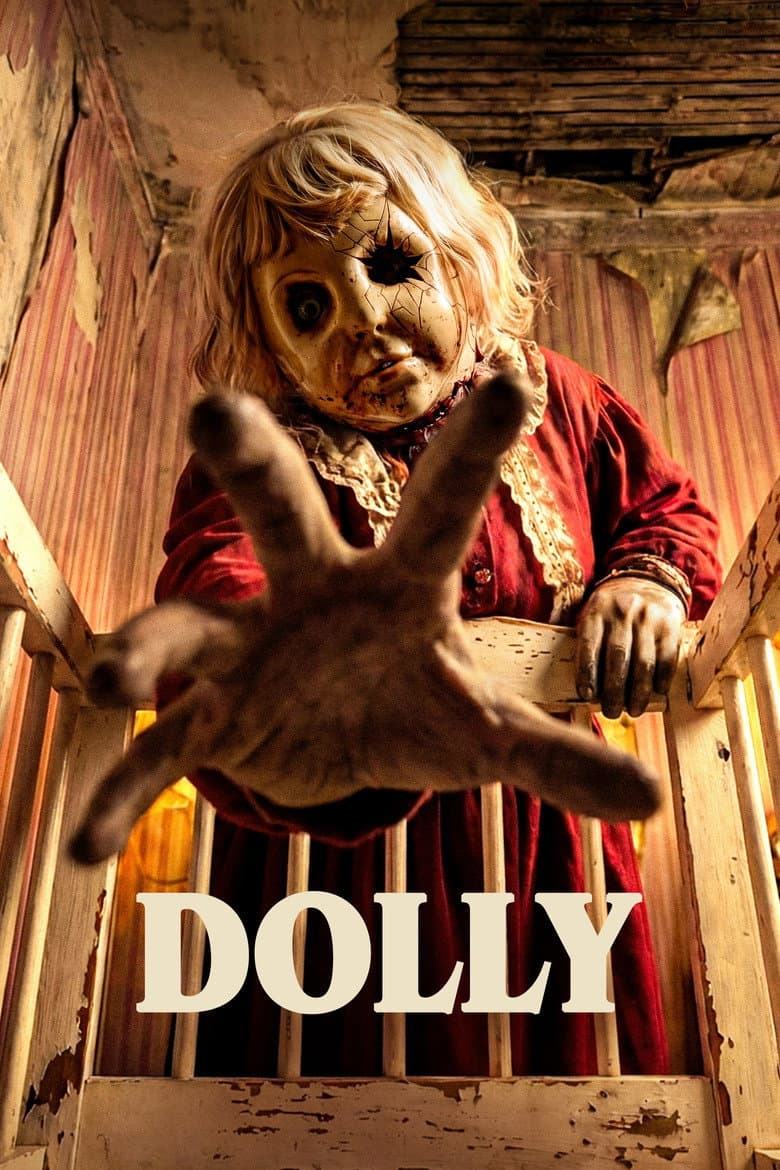
Macy travels into the East Tennessee mountains with her boyfriend Chase, who plans to propose during a hike. Macy worries about becoming a stepmother to Chase’s young daughter, but a masked figure attacks the couple before they reach the overlook. Dolly carries Macy to a hidden house filled with porcelain dolls and treats her as a baby. The tone is grim, violent, and strange, with a fairy tale feel.
The story centers on family fear, harmful control, and the way abuse can twist a person’s idea of care. Macy must pretend to accept Dolly’s rules while searching for a way out, and the film places her fear of motherhood beside Dolly’s violent need to act as a mother. Chase dies early, and Dolly’s father uses Macy as bait, so the story becomes a fight for survival. The female lead and female killer stay tied to this family horror, while Macy carries the final escape.
Community feedback
Was our 2% Woke rating accurate?
Breakdown
These are the editorial factors and ratings behind our score for Dolly.
Woke representation / casting
Not present. The film uses a White cast with a woman survivor and a woman killer. Those roles serve the story’s motherhood and captivity plot.
0%
Woke political dialogue
Not present. The dialogue discusses family, fear, captivity, and survival. The story has no speeches about politics, DEI, or social activism.
0%
Identity-driven story themes
Not present. The story explores fear of motherhood, family trauma, and control disguised as care. The movie keeps those ideas inside a personal monster story.
0%
Western institutional / cultural critique
Not present. The film shows abuse inside Dolly’s family and a park ranger who fails to stop the danger. The story does not build a modern attack on men, family life, religion, or Western institutions.
0%
Woke character or canon changes
Not relevant. The film expands Blackhurst’s own short film, Babygirl. It does not alter an established character, franchise, canon, or real event.
0%
Anti-woke backlash and complaints
Not present. Public discussion focused on gore, old-style slasher influences, plot holes, and the ending. No anti-woke or anti-left complaint about this title was found.
0%
Creator track record context
The cached context gives Rod Blackhurst a 25/100 score because he made one left-leaning health-care parody. The other listed writers and producers score from 0 to 7, with no strong documented activist or identity-driven work. Dolly interviews focus on family, parenting fears, control, and horror craft. The record gives the title a mild creator-context signal.
8%
Production
Movie · 2025
Paranormal investigators Ed and Lorraine Warren take on one last terrifying case involving mysterious entities they must confront.
Movie · 2022
Inspired by the true story of a family who believed they were possessed by spirits. This film follows a woman who must protect her child from a curse.
Movie · 2022
Trapped on her family’s isolated farm, Pearl must tend to her ailing father under the bitter and overbearing watch of her devout mother.
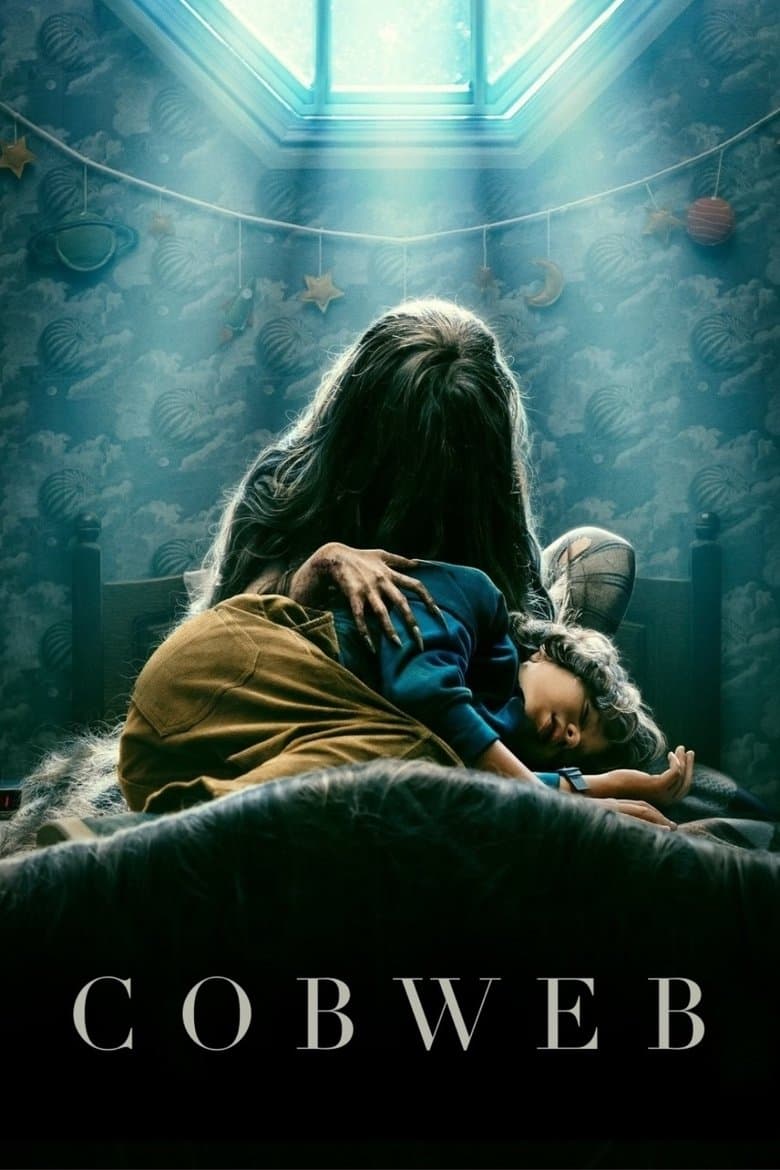
Movie · 2023
Eight year old Peter is plagued by a mysterious, constant tapping from inside his bedroom wall—one that his parents insist is all in his imagination.
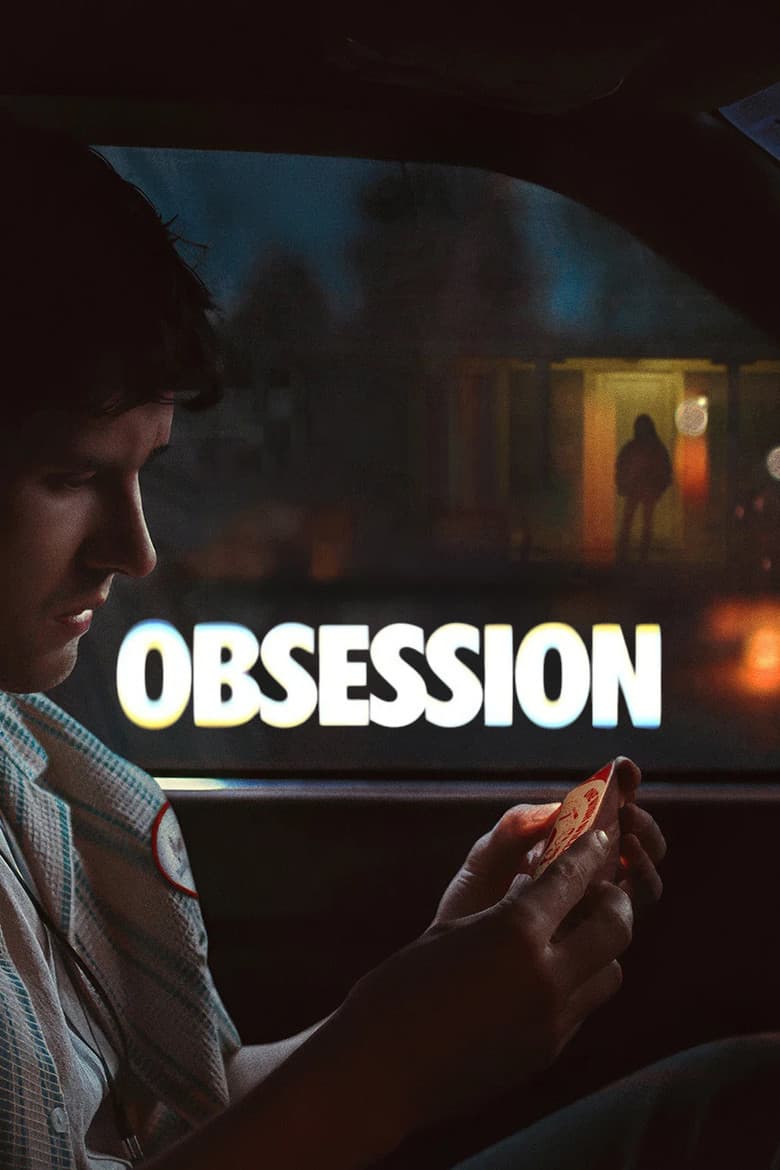
Movie · 2026
After breaking the mysterious "One Wish Willow" to win his crush's heart, a hopeless romantic finds himself getting exactly what he asked for but soon discovers that some desires…
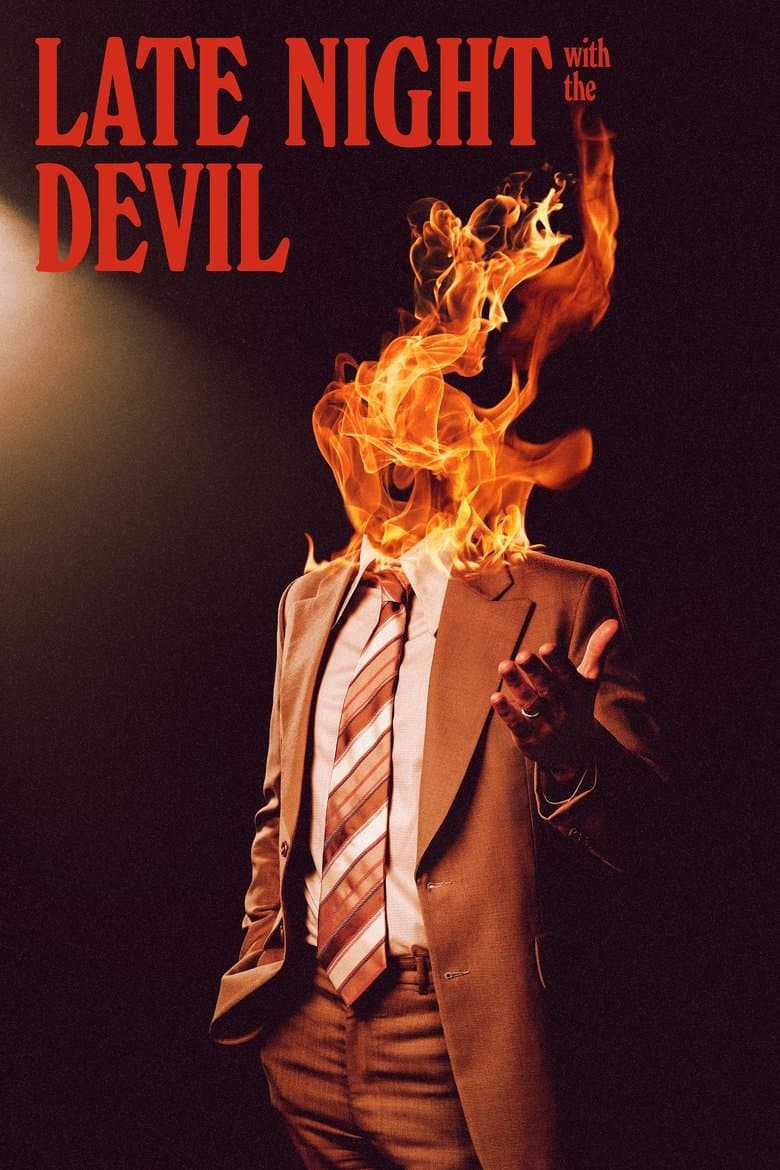
Movie · 2024
A live broadcast of a late-night talk show in 1977 goes horribly wrong, unleashing evil into the nation's living rooms.
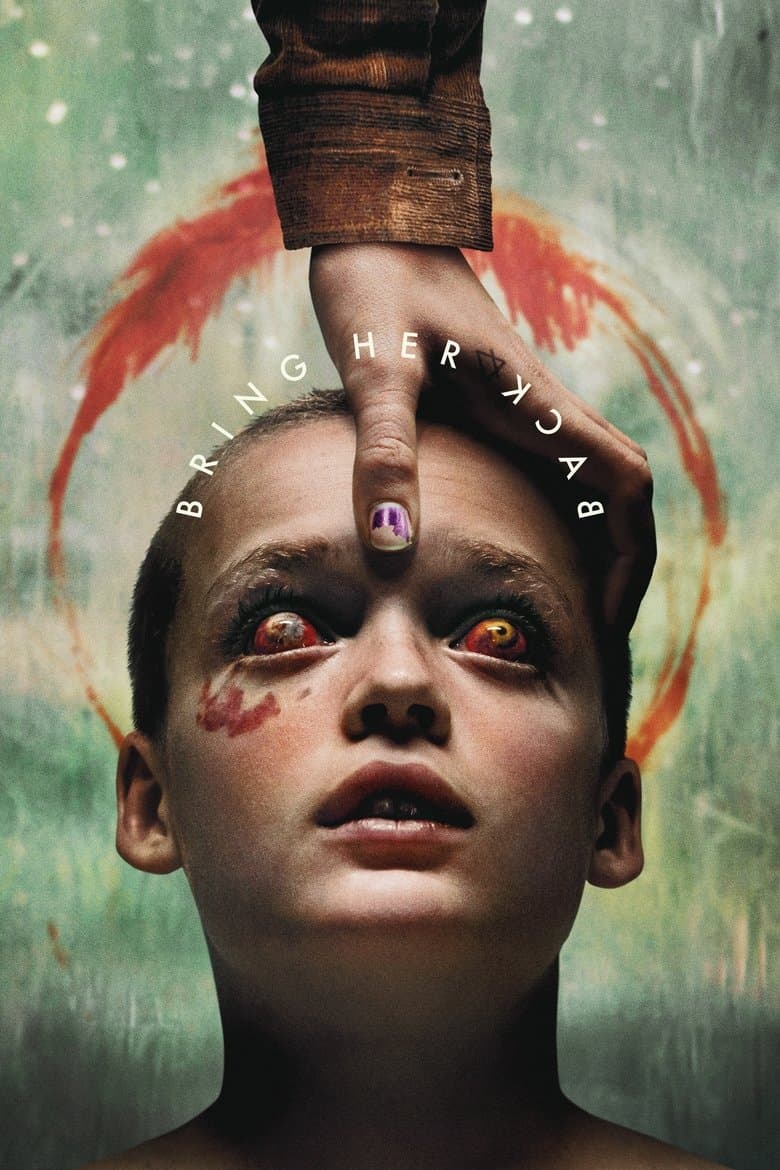
Movie · 2025
Following the death of their father, a brother and sister are sent to live with a foster mother, only to learn that she is hiding a terrifying secret.
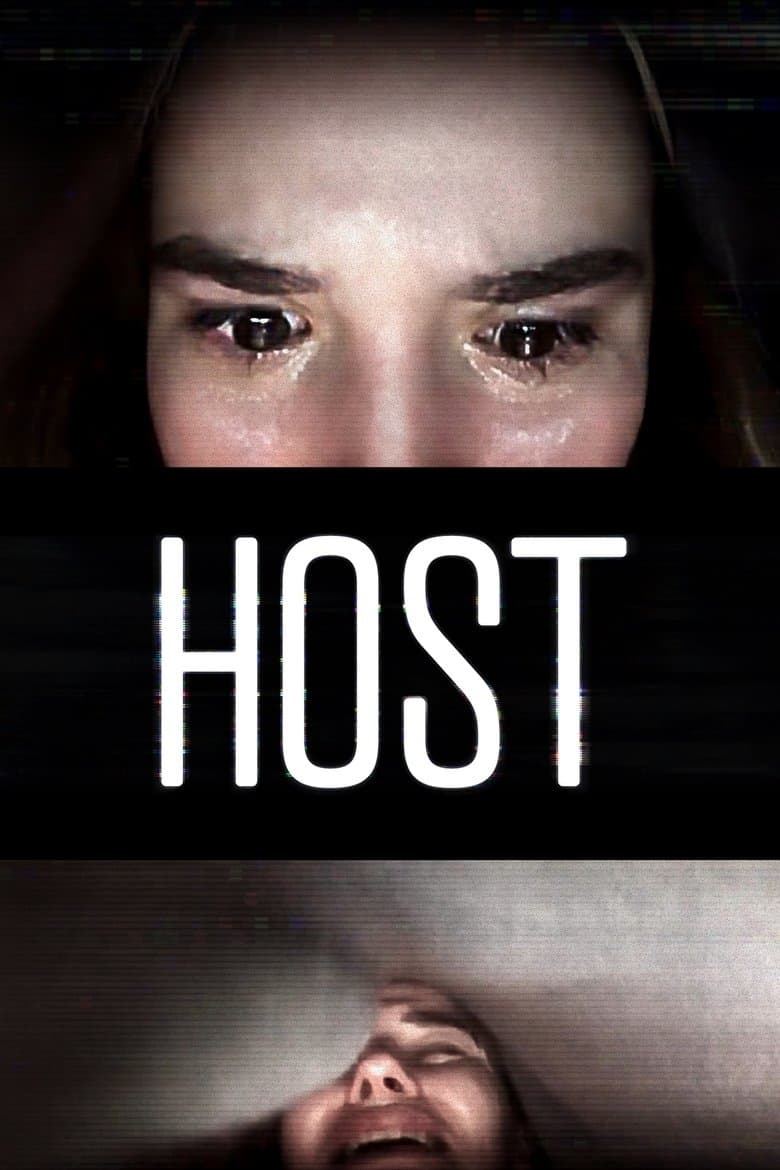
Movie · 2020
Six friends hire a medium to hold a séance via Zoom during lockdown — but they get far more than they bargained for as things quickly go wrong.
