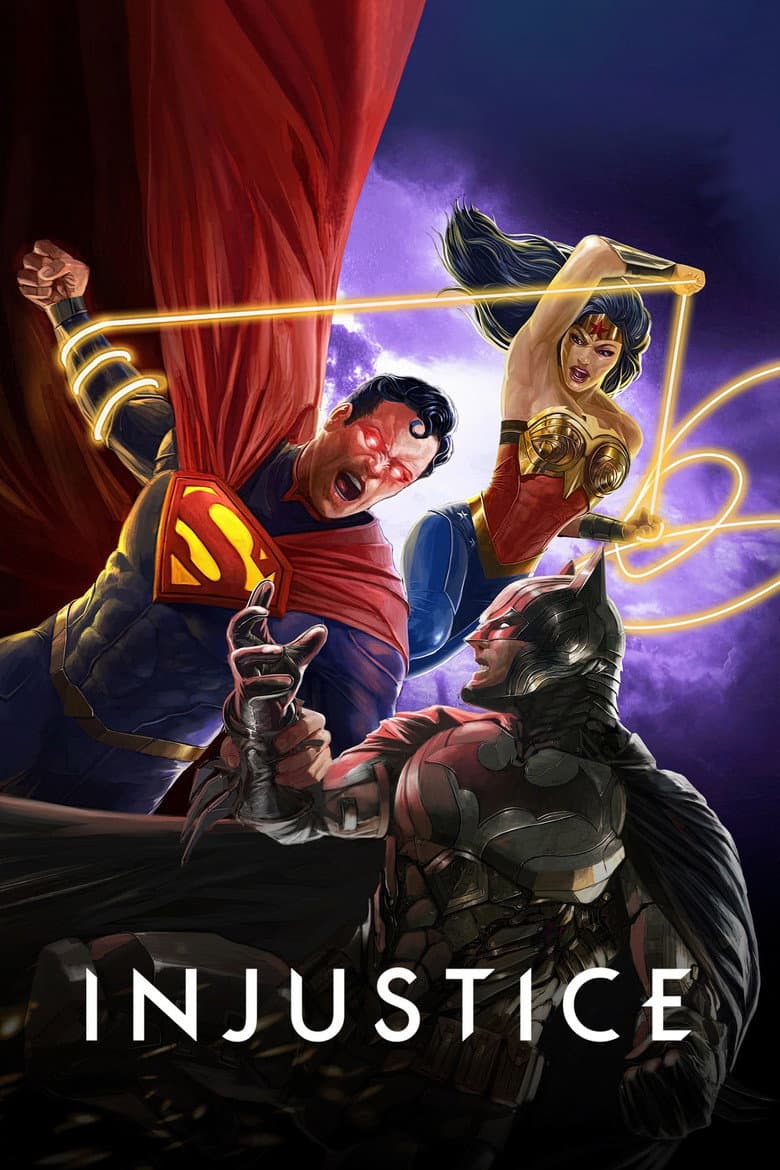
Injustice is a dark adult animated movie set on an alternate Earth in the DC universe. Superman loses Lois Lane and their unborn child after the Joker tricks him into killing her and destroying Metropolis. Grief drives Superman to kill the Joker, control world leaders, and build a police state that promises peace. Batman gathers the heroes who still believe that people must keep their freedom, so the Justice League becomes a violent civil war.
The movie’s visible social message is about power, law, and freedom rather than race, gender, or queer identity. Superman and Wonder Woman argue that strong heroes should force peace on the world, while Batman warns that this path leads from policing to occupation and tyranny. Wonder Woman is changed into a hard supporter of Superman for much of the story, and she later turns against him after he kills civilians. The movie treats unchecked power, revenge, and the loss of moral limits as dangers, but it does not build its story around modern identity politics or diversity campaigns.
Community feedback
Was our 14% Woke rating accurate?
Breakdown
These are the editorial factors and ratings behind our score for Injustice.
Woke representation / casting
Not present. The film has heroes of different races and genders, but their identities are not used as a message. Mister Terrific, Cyborg, and Catwoman are established characters, and no casting choice is sold as a diversity goal.
0%
Woke political dialogue
Not present. The movie has direct talk about law, freedom, policing, occupation, and tyranny. Those lines deal with superhero rule and unchecked power, not modern identity or DEI politics.
0%
Identity-driven story themes
Not present. The main themes are grief, revenge, justice, freedom, and the danger of one person having too much power. Wonder Woman’s support for Superman is shown as a personal and political mistake, not as a modern identity campaign.
0%
Western institutional / cultural critique
Not present. The film attacks Superman’s police state and the Justice League’s attempt to act as world police. It does not attack Christianity, family, capitalism, traditional gender roles, or Western culture through a modern activist lens.
0%
Woke character or canon changes
Wonder Woman is reinterpreted as Superman’s strongest early supporter instead of the usual moral hero. She backs his plan to force peace and helps him use power against governments and criminals. The film later has her reject him after he kills children, so the story treats her choice as wrong. This alternate version is a major role change from the standard DC character, even though it comes from the Injustice source material.
28%
Anti-woke backlash and complaints
One review called Wonder Woman’s role an anti-man agenda and said the ending was softened to please online outrage groups. That is a clear anti-woke-style complaint, but it came from a single review rather than a large campaign. Most fan reaction focused on rushed pacing, character deaths, and changes from the game and comic.
12%
Creator track record context
Tom Taylor has a supplied score of 72/100 because his wider work often supports LGBTQ representation and inclusive superhero stories. Ernie Altbacker and Matt Peters have much lower supplied scores. The other key creators also have low supplied scores. Interviews about this movie focus on Superman, Batman, loss, and adaptation rather than diversity or identity goals.
28%
Production
Movie · 2020
Tanjiro Kamado, joined with Inosuke Hashibira, a boy raised by boars who wears a boar's head, and Zenitsu Agatsuma, a scared boy who reveals his true power when he sleeps, boards…
Movie · 2023
Until now, the Justice League has been a loose association of superpowered individuals. But when they are swept away to Warworld, a place of unending brutal gladiatorial combat…
Movie · 2022
After discovering he has powers, 11-year-old Jonathan Kent and assassin-turned-Boy-Wonder Damian Wayne must join forces to rescue their fathers (Superman & Batman) and save the…
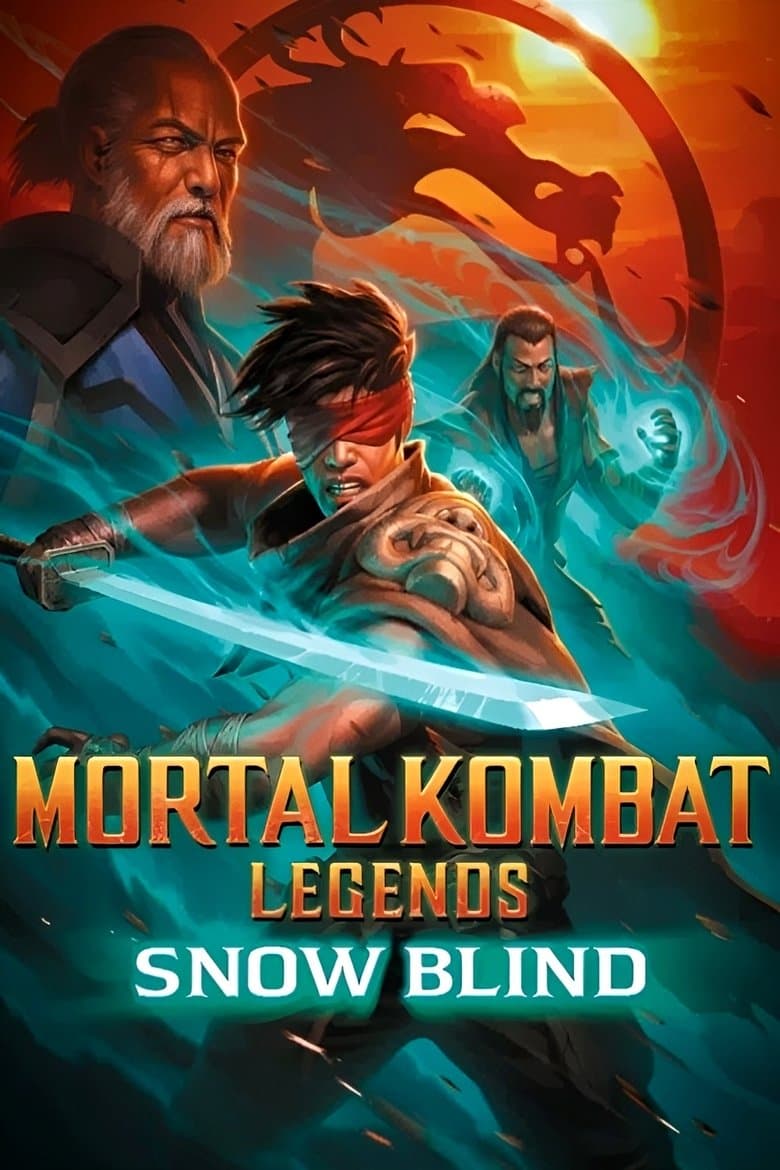
Movie · 2022
The vicious, power-mad Kano is determined to take over Earthrealm, one soul at a time. Assisted by a trio of cold Black Dragon mercenaries, he embarks on a brutal assault from…
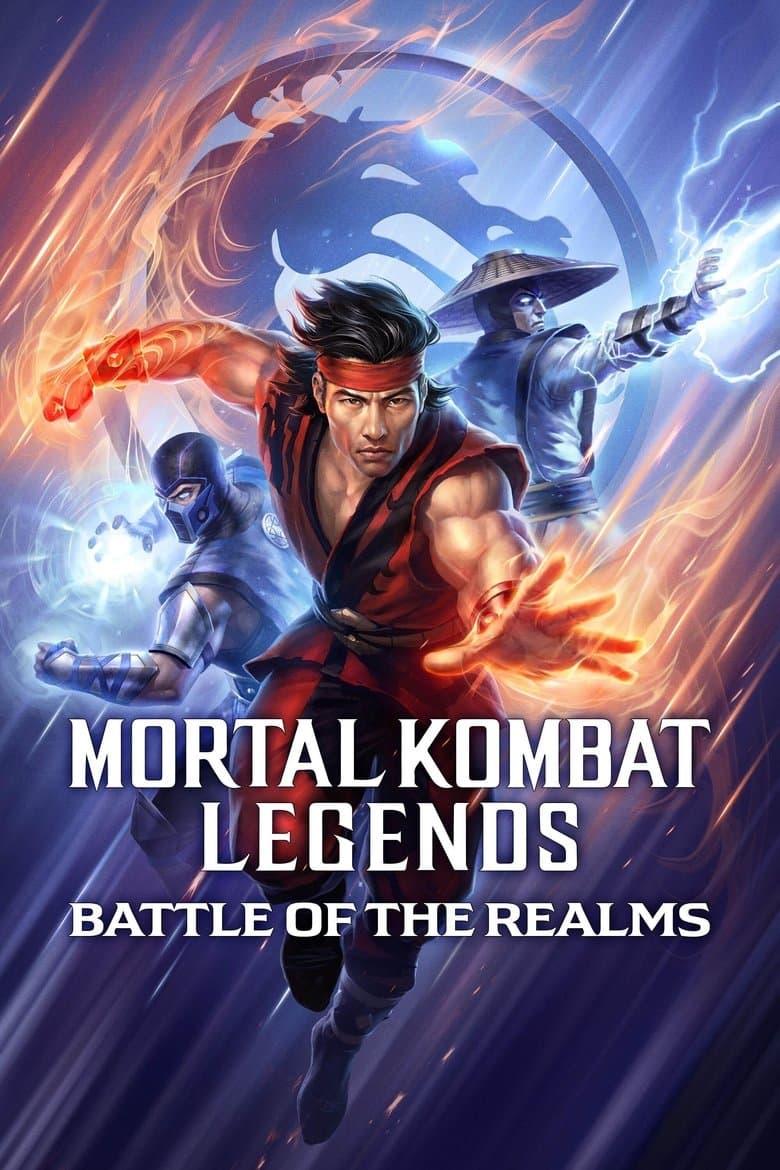
Movie · 2021
The Earthrealm heroes must journey to the Outworld and fight for the survival of their homeland, invaded by the forces of evil warlord Shao Kahn, in the tournament to end all…
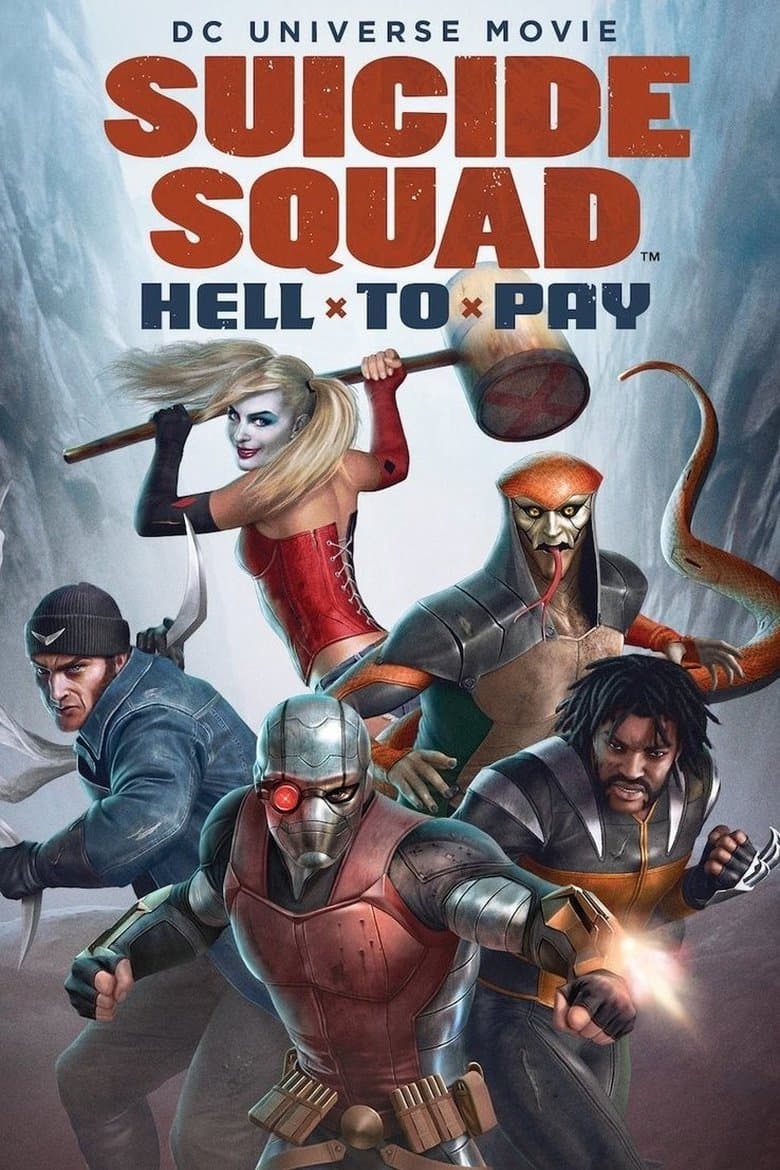
Movie · 2018
Amanda Waller's top-secret "Task Force X" — consisting of Deadshot, Bronze Tiger, Killer Frost, Captain Boomerang, Harley Quinn, and Copperhead — is on a mission to retrieve a…
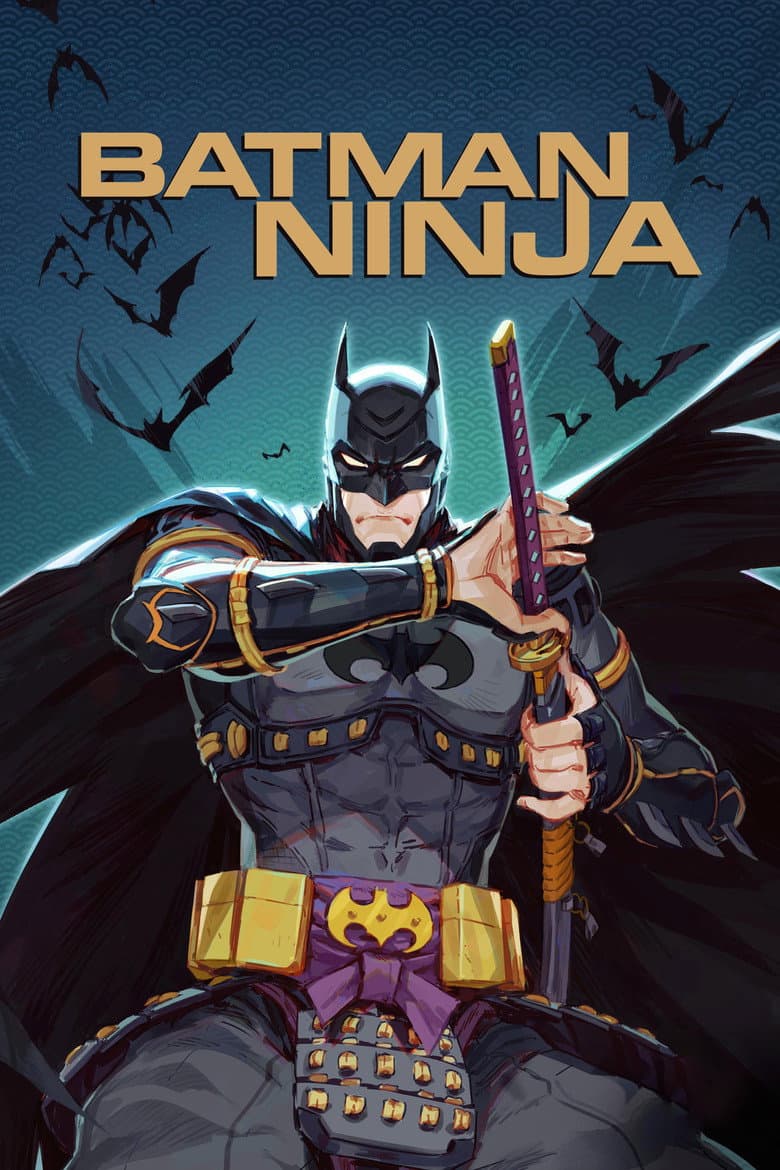
Movie · 2018
Batman, along with many of his allies and adversaries, finds himself transported to feudal Japan by Gorilla Grodd's time displacement machine.
Movie · 2022
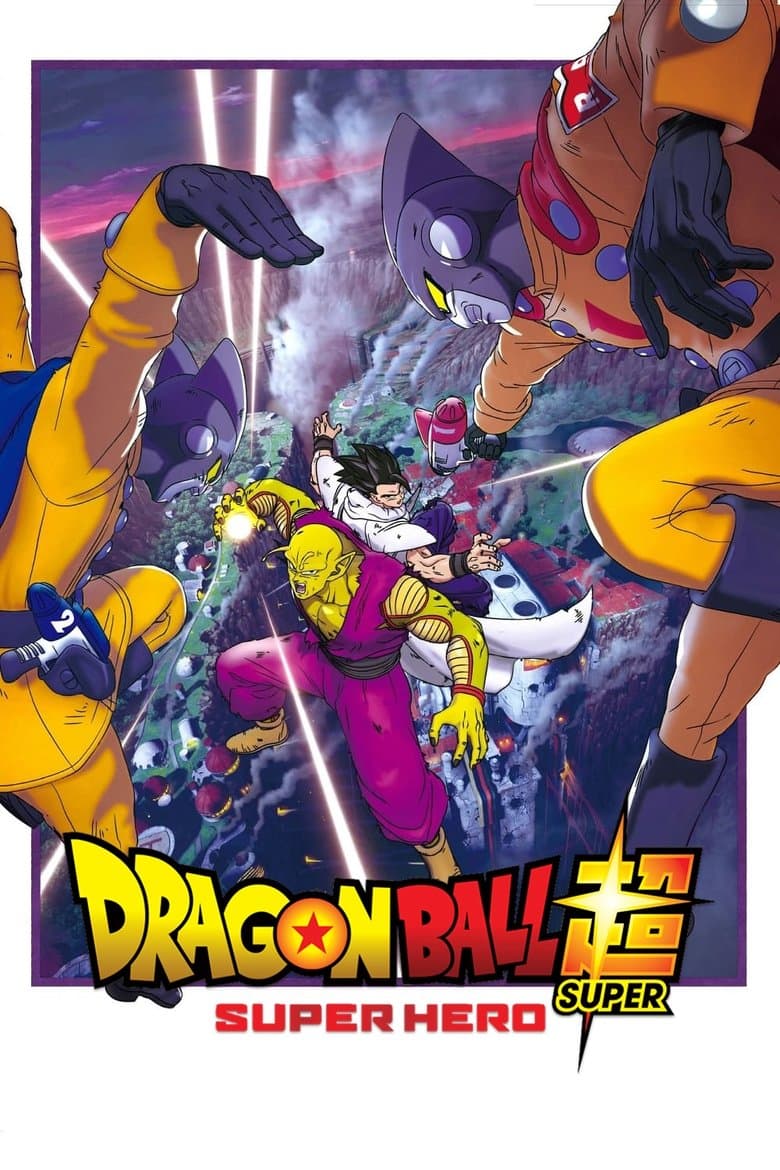
The Red Ribbon Army, an evil organization that was once destroyed by Goku in the past, has been reformed by a group of people who have created new and mightier Androids, Gamma 1…
