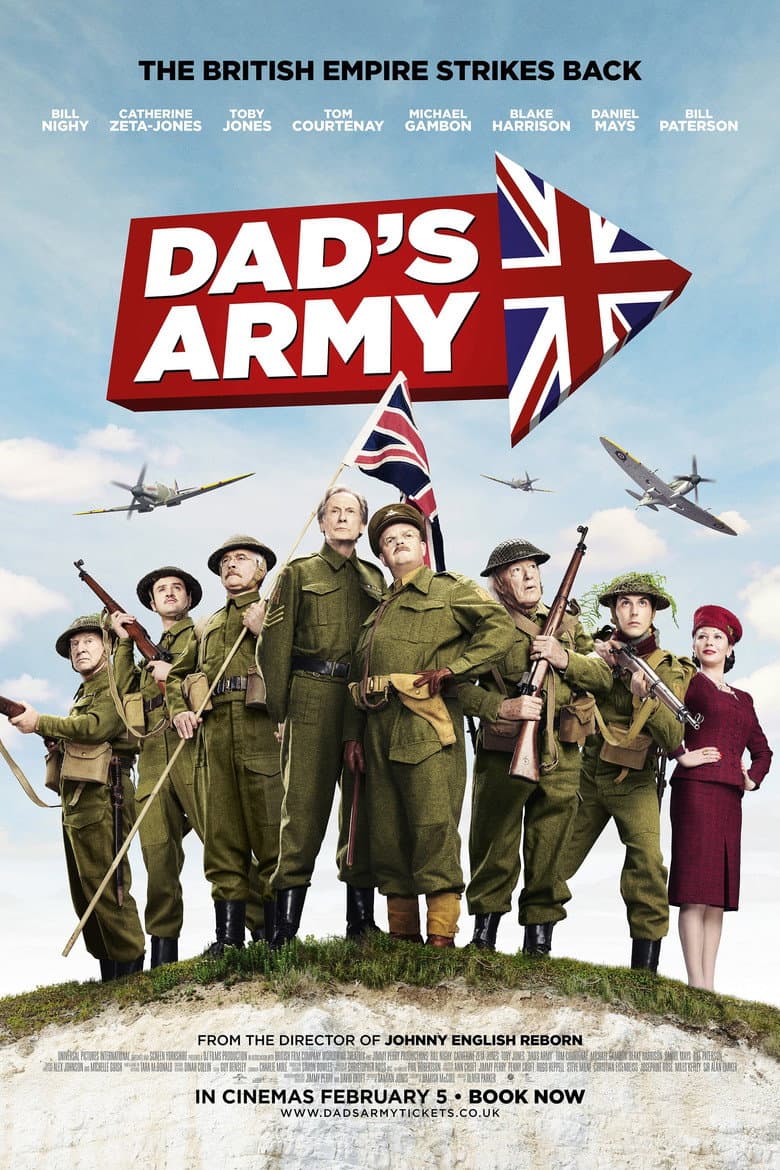
Captain George Mainwaring leads a small Home Guard unit in the seaside town of Walmington-on-Sea in 1944. The men train, argue, and try to protect the coast while a German spy searches for plans for the Allied invasion. The plot turns when Rose Winters arrives as a journalist, wins the men's trust, and secretly sends information to Germany. The film uses slapstick, old catchphrases, flirting, and wartime danger for a light comedy tone.
The film gives women more to do than the original show did. Rose is a skilled spy who fools the platoon for much of the story, while Mrs Mainwaring leads a women's auxiliary group and helps rescue the men at the end. This creates a clear pattern in which women are more alert and useful than the bumbling male soldiers in several key scenes. The changes are visible, but they stay inside a wartime comedy about loyalty, marriage, teamwork, and protecting Britain.
Community feedback
Was our 36% Woke rating accurate?
Breakdown
These are the editorial factors and ratings behind our score for Dad's Army.
Woke representation / casting
The film gives prominent parts to a glamorous female journalist, Mrs Mainwaring, and a women's auxiliary group. Those choices put more women on screen than the original sitcom, and the release campaign highlighted them. The roles fit a 1940s British town and are not part of a race or queer diversity pattern. The casting therefore adds a small representation signal, but it is not a broad or dominant casting agenda.
18%
Woke political dialogue
Not present. The film uses wartime jokes, flirting, and military talk. It does not give its characters modern DEI, identity, or activist speeches.
0%
Identity-driven story themes
The film repeatedly contrasts the bumbling male platoon with women who are more alert or useful. Rose deceives the men and gathers invasion plans, while Mrs Mainwaring leads the women's auxiliary group and joins the rescue. The women also help expose Rose and save Mainwaring in the final battle. This gives the film a clear female-competence and role-expansion thread, but the main story remains a male-led wartime farce.
42%
Western institutional / cultural critique
Not present. The men are mocked for being old, vain, and clumsy, but the jokes come from the wartime sitcom premise. The film does not attack modern family life, Christianity, conservatism, or Western institutions.
0%
Woke character or canon changes
The film changes the source sitcom by showing Mrs Mainwaring, who was only heard off screen before. It also expands several wives and girlfriends into an active women's auxiliary group. The new Rose Winters character becomes a major spy and gives the plot a female villain. These are clear gender-related changes to the old show, though they support a single comedy plot rather than a wider identity message.
35%
Anti-woke backlash and complaints
Not present. Critics and fans attacked the remake's jokes, pace, and faithfulness. No reliable anti-woke complaint about DEI, identity politics, or activist content was found.
0%
Creator track record context
The key creators have mostly low stored woke scores. Oliver Parker has no known activist pattern, while Croft, Perry, and McColl are linked mainly to traditional comedy. Some producers have limited links to diverse talent or LGBTQ programming, but they do not show a strong activist record.
14%
Production

Movie · 2022
Exploring every facet of ‘Weird Al’ Yankovic’s life, from his meteoric rise to fame with early hits like ‘Eat It’ and ‘Like a Surgeon’ to his torrid celebrity love affairs and…
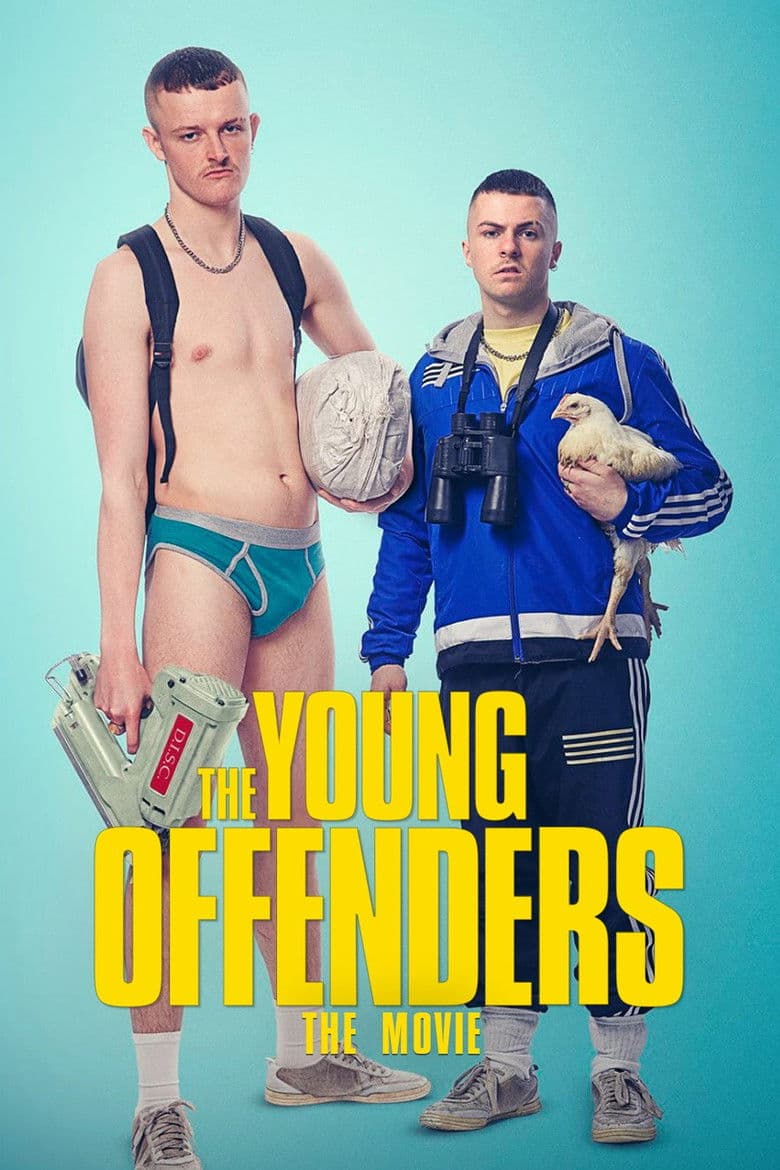
Movie · 2016
Two teenage boys from inner-city Cork steal bicycles and ride off on a 160km quest to find an unrecovered bale of cocaine worth 7,000,000 euros.
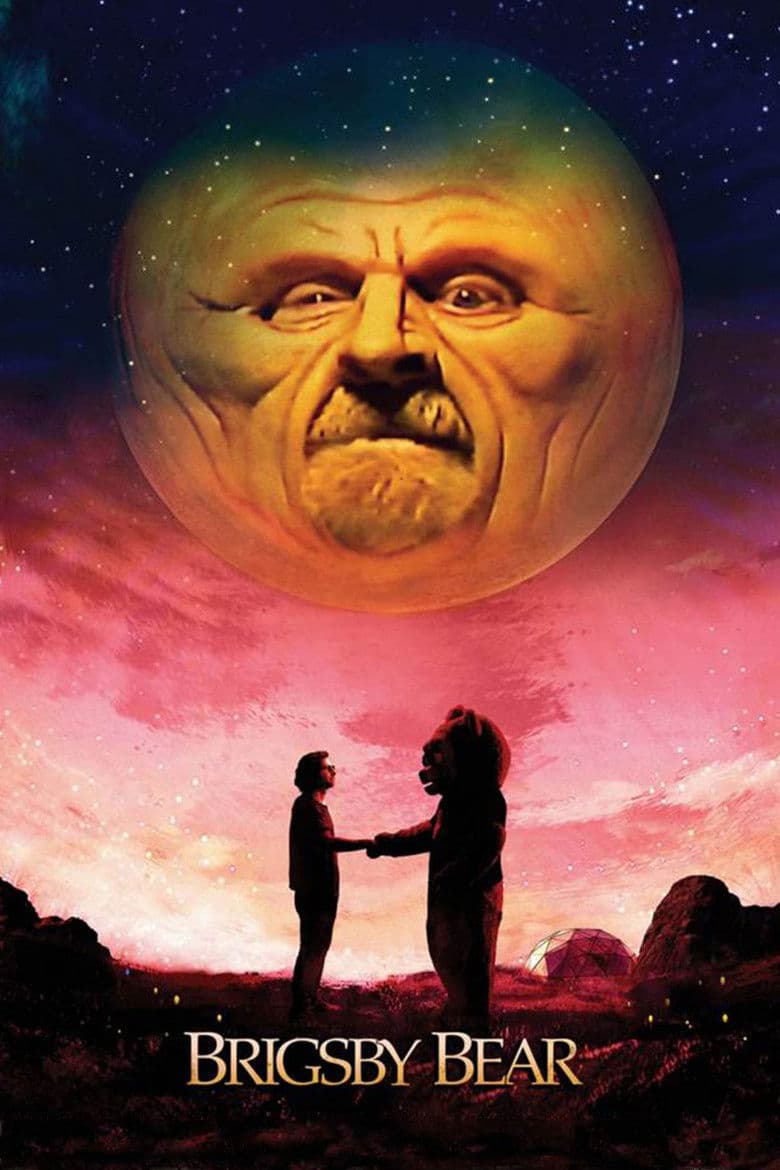
Movie · 2017
Brigsby Bear Adventures is a children's TV show produced for an audience of one: James. When the show abruptly ends, James's life changes forever, and he sets out to finish the…
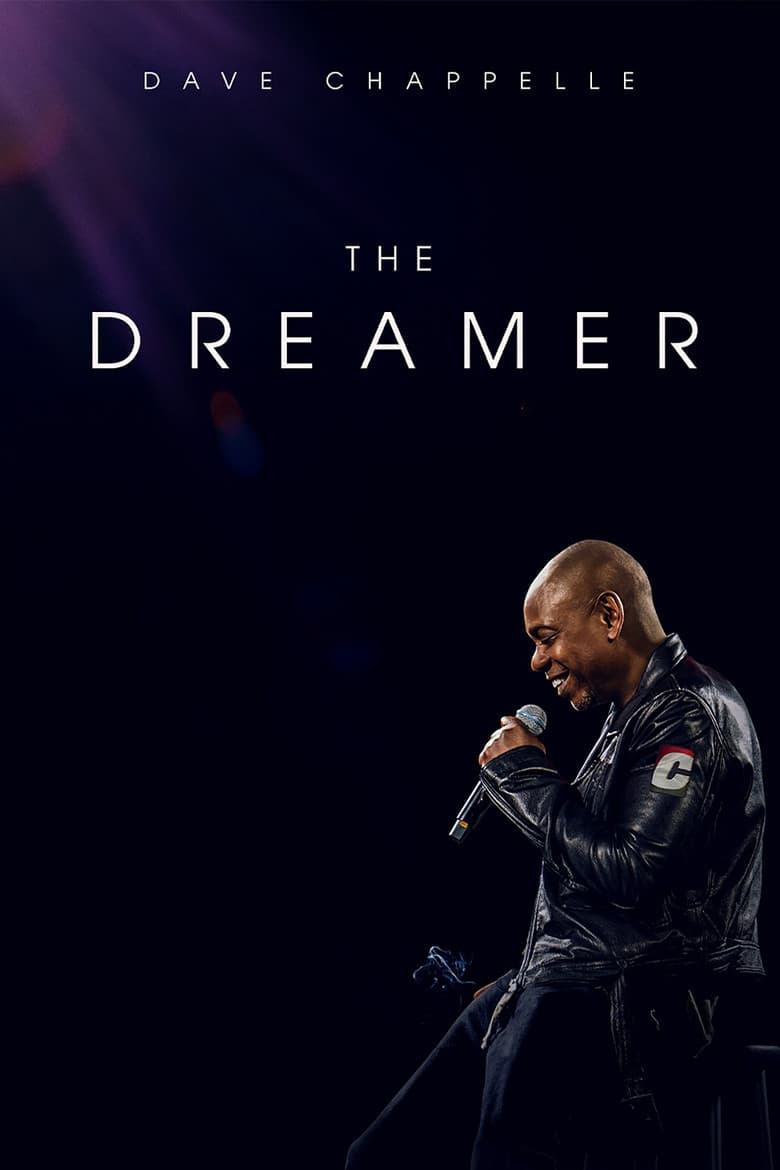
Movie · 2023
From his onstage tackle to the slap heard round the world, Dave Chappelle lets loose in this freewheeling and unfiltered stand-up comedy special.
Movie · 2023
A chaotic intervention. An action-packed stay in rehab. After a weird couple of years, John Mulaney comes out swinging in his return to the stage.
Movie · 2016
A comedy that follows a group of friends as they navigate their way through the freedoms and responsibilities of unsupervised adulthood.
Movie · 2022
Maurice Flitcroft, a dreamer and unrelenting optimist, managed to gain entry to The British Open Golf Championship qualifying in 1976 and subsequently shot the worst round in Open…

Movie · 2024
Inseparable best friends AJ and Moose decide to run the local pool's snack shack after their plan to sell home-brewed beer goes down the drain.
