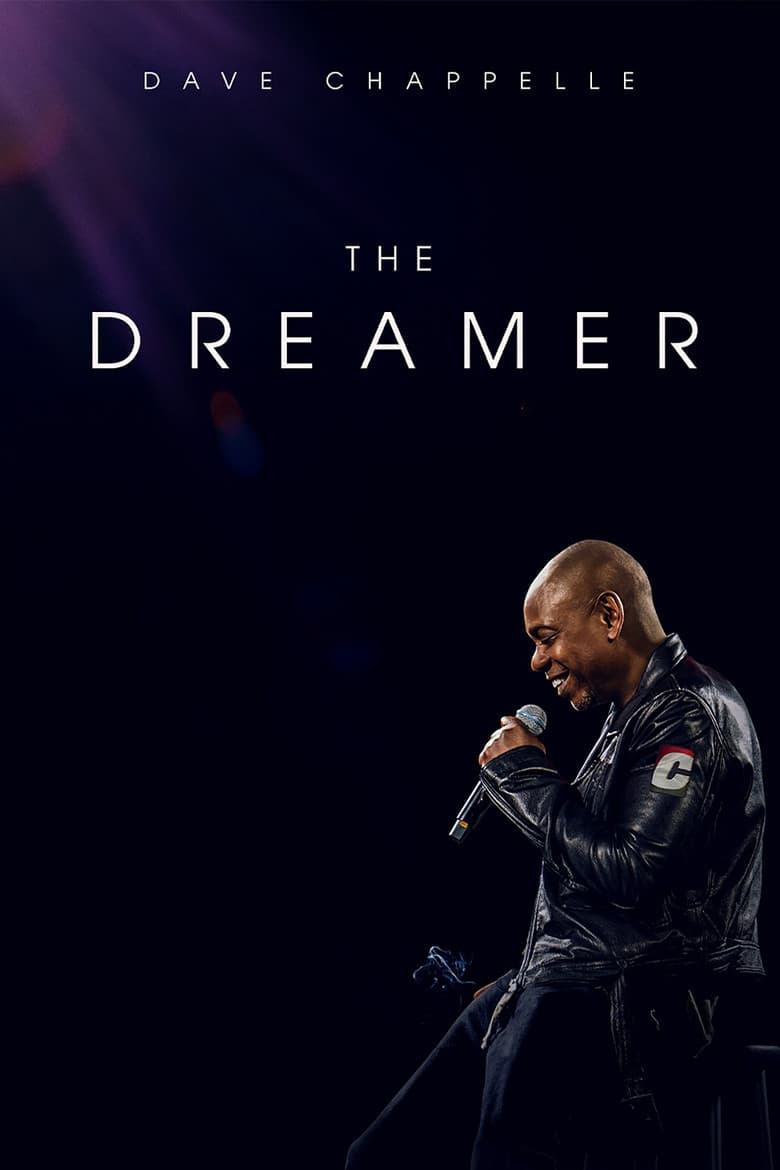
Dave Chappelle performs alone at the Lincoln Theatre in Washington, D.C., in this 56-minute stand-up special. He tells stories about meeting Jim Carrey, the end of Chappelle’s Show, a 2022 stage attack, and the Will Smith slap. His main conflict is with critics, angry crowds, and pressure to stop making jokes that cause public fights. The tone moves between rough insults, personal memories, and a warm closing idea about knowing when a person is living a dream.
The special returns several times to transgender people, gay and bisexual people, disability, and Lil Nas X. Chappelle uses those subjects for jokes and arguments about free speech, cancel culture, and who gets to set limits on comedy. These topics create the clearest culture-war content in the show, but the special presents them as targets of mockery rather than as a call for identity-based change. The main story follows Chappelle’s career, fame, and belief that strong dreams can shape a person’s life.
Community feedback
Was our 6% Woke rating accurate?
Breakdown
These are the editorial factors and ratings behind our score for Dave Chappelle: The Dreamer.
Woke representation / casting
Not present. Dave Chappelle is the only onstage performer, and the special does not use an ensemble or identity-focused casting. The audience sees a solo comedy set rather than a representation-driven cast.
0%
Woke political dialogue
Not present. The special includes talk about cancel culture and speech limits, but it does not support DEI causes or modern activist ideas. Its repeated identity jokes attack those pressures instead.
0%
Identity-driven story themes
Not present. The special contains identity-based jokes, but it uses them to reject woke or activist ideas rather than promote them. Its central theme is the pursuit of a career and a personal dream.
0%
Western institutional / cultural critique
Not present. The special does not attack family, Christianity, capitalism, or Western institutions through a modern activist lens. Its criticism targets cancel culture, critics, and media pressure from an anti-woke position.
0%
Woke character or canon changes
Not relevant. The special is original stand-up material and does not adapt a story or recast known characters or real historical figures.
0%
Anti-woke backlash and complaints
Not present. Public criticism mainly objected to the special mocking transgender and disabled people. Right-leaning coverage mostly praised it as anti-woke, and the supplied X research found no complaints that it was too progressive.
0%
Creator track record context
Stan Lathan has a long history of black-led television and comedy. Rikki Hughes has publicly supported stronger opportunities for black women and people of color. Dave Chappelle’s recent work mainly resists progressive pressure, while Sina Sadighi has little public activist record. The team therefore has some representation-focused history. The overall context is mixed rather than strongly woke.
32%
Production
Movie · 2018
Outspoken as ever, comedian Joe Rogan takes on politics, pro wrestling, pot laws, cats, vegans and much more in a stand-up special shot in Boston.
Movie · 2018
Adam Sandler takes his comical musical musings back out on the road, from comedy clubs to concert halls to one very unsuspecting subway station.
Movie · 2016
A comedy that follows a group of friends as they navigate their way through the freedoms and responsibilities of unsupervised adulthood.
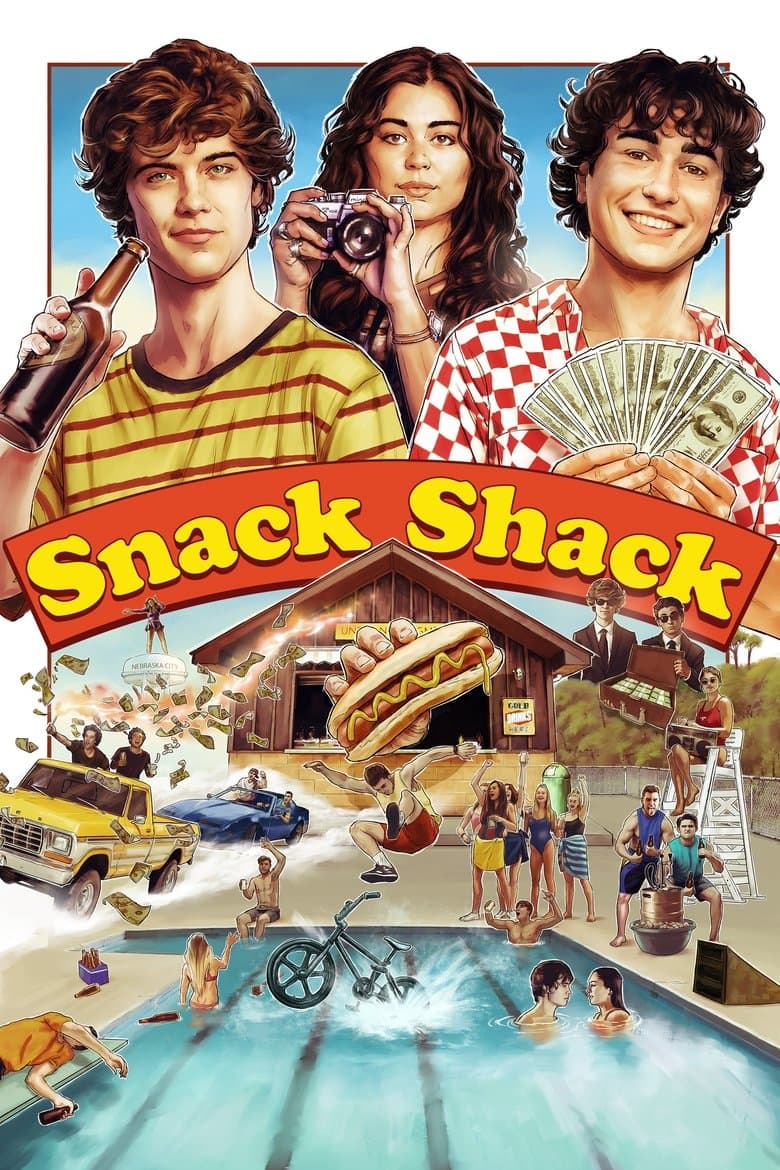
Movie · 2024
Inseparable best friends AJ and Moose decide to run the local pool's snack shack after their plan to sell home-brewed beer goes down the drain.
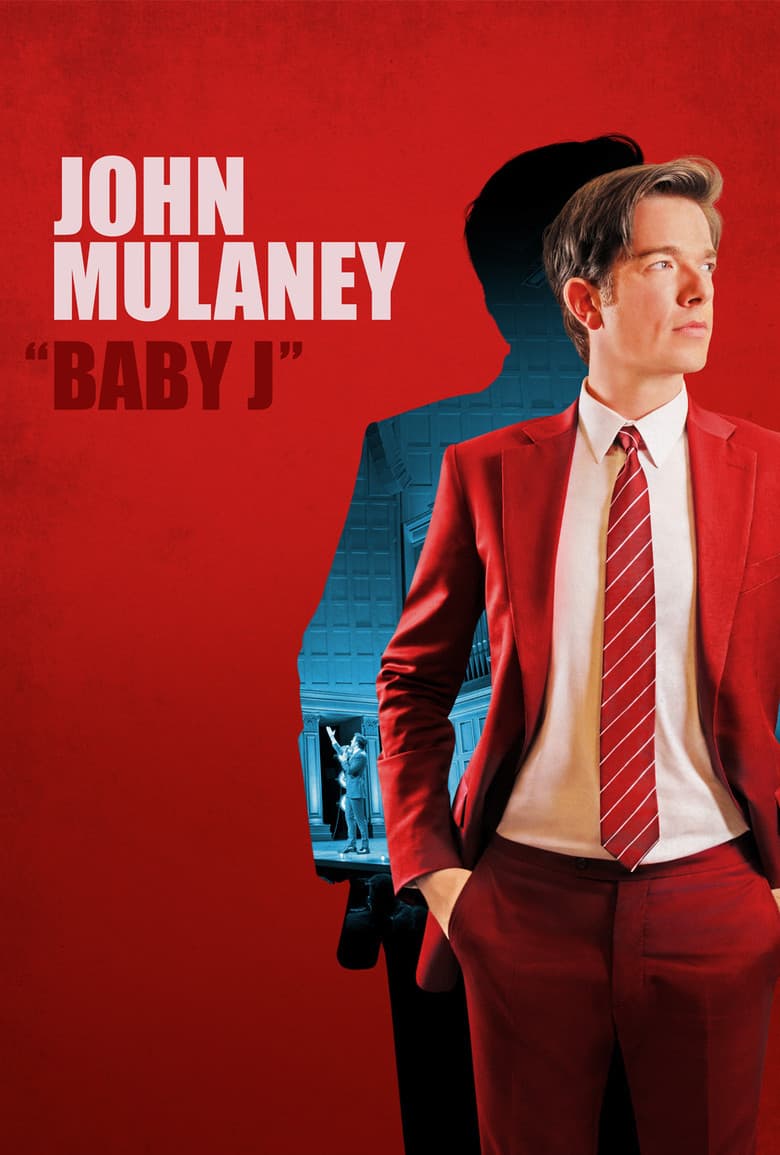
Movie · 2023
A chaotic intervention. An action-packed stay in rehab. After a weird couple of years, John Mulaney comes out swinging in his return to the stage.
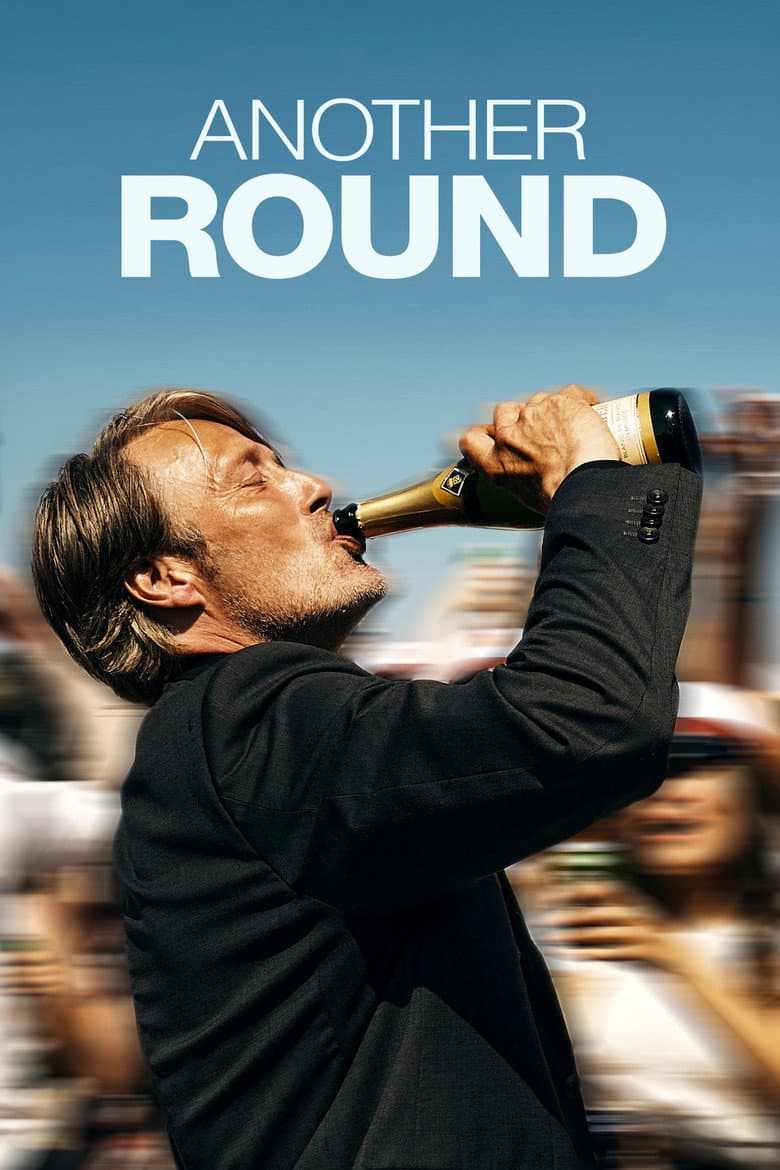
Movie · 2020
Four stagnant high school teachers decide to test out a theory that maintaining a constant level of intoxication will improve their overall lives.
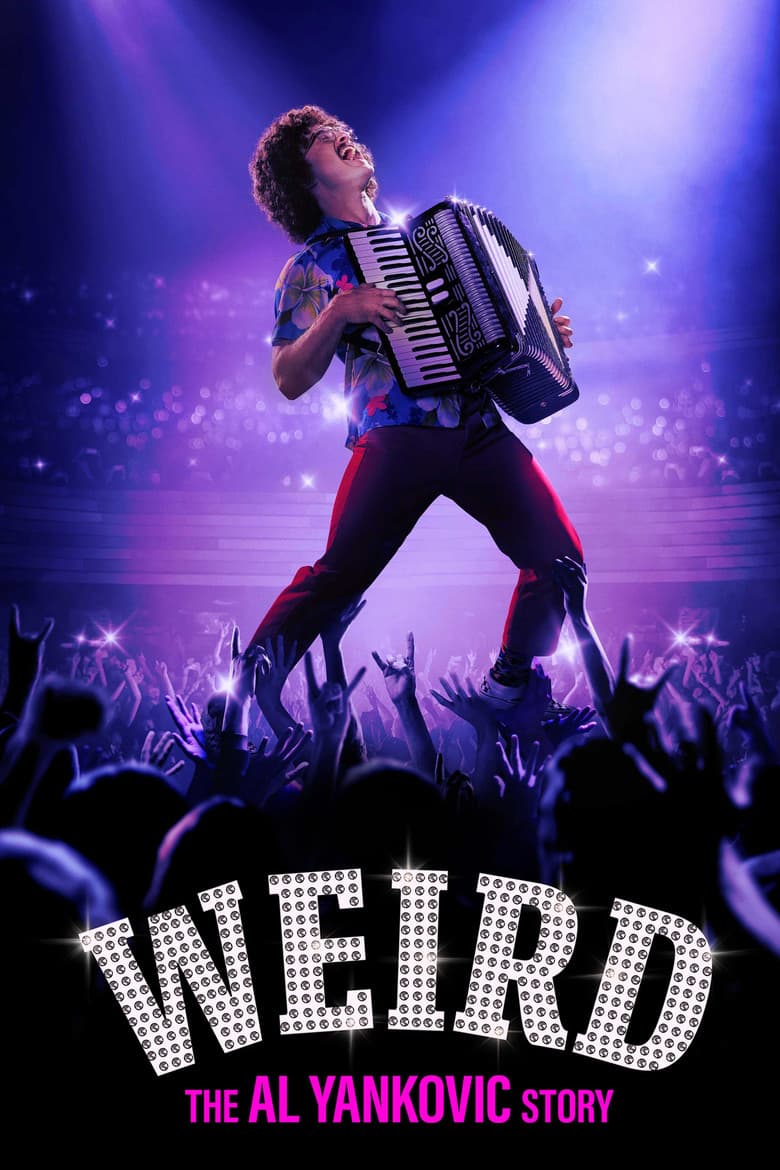
Movie · 2022
Exploring every facet of ‘Weird Al’ Yankovic’s life, from his meteoric rise to fame with early hits like ‘Eat It’ and ‘Like a Surgeon’ to his torrid celebrity love affairs and…
Movie · 2016
Two teenage boys from inner-city Cork steal bicycles and ride off on a 160km quest to find an unrecovered bale of cocaine worth 7,000,000 euros.
