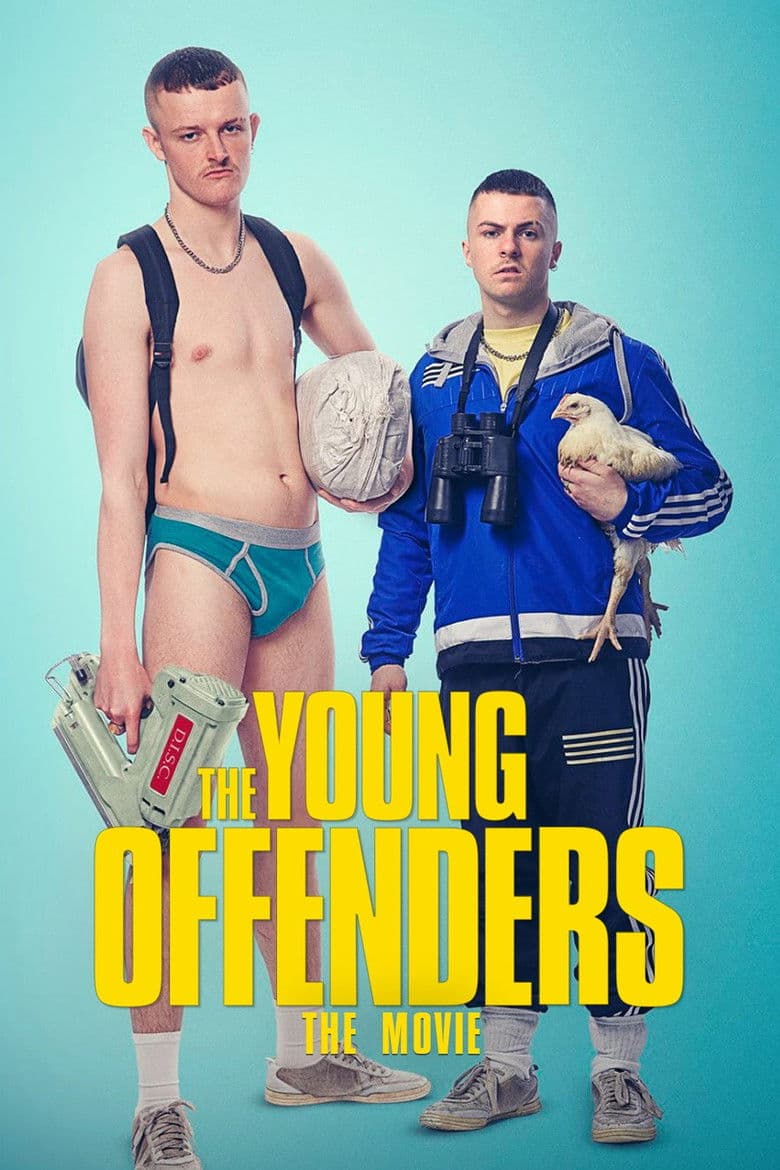
The Young Offenders follows Conor MacSweeney and Jock Murphy, two teenage friends from Cork, Ireland. Jock steals bicycles, while Conor lives with his single mother and feels unwanted at home. After a drug boat loses a bale of cocaine worth millions, the boys ride stolen bicycles 160 kilometres to find it. A police sergeant, a violent drug dealer, and Jock’s abusive father make the trip dangerous. The film mixes crude jokes, slapstick, fast chases, and warm moments between the friends.
The boys want the money because they dream of escaping their hard lives, but their plan falls apart as the cocaine disappears. Their friendship stays at the center when fear, greed, and blame split them apart. Conor slowly repairs his bond with his mother, while Jock gets a safer home after the truth about his father comes out. The story treats loneliness, alcohol abuse, domestic violence, and family trouble through silly scenes and sudden serious moments. Its main message is that foolish young people can still care deeply about each other and can change when adults help them.
Community feedback
Was our 1% Woke rating accurate?
Breakdown
These are the editorial factors and ratings behind our score for The Young Offenders.
Woke representation / casting
Not present. The film casts local Irish actors as Cork characters, including two first-time young leads chosen through open auditions. A disabled drug dealer appears, but the film does not frame his casting as a diversity or identity statement.
0%
Woke political dialogue
Not present. The boys talk about stealing bikes, cocaine, money, family, and jokes. The film has no activist speech or identity-politics argument.
0%
Identity-driven story themes
Not present. The plot focuses on friendship, crime, family trouble, domestic abuse, and growing up. It does not build its story around race, gender, sexuality, or modern identity politics.
0%
Western institutional / cultural critique
Not present. The film makes a Garda sergeant look foolish and shows an abusive father. These conflicts drive jokes and the family plot, but the story does not turn them into a modern attack on police, fathers, or Western culture.
0%
Woke character or canon changes
Not relevant. The film tells an original story about Cork teenagers. It does not change established characters, canon, or historical figures for identity reasons.
0%
Anti-woke backlash and complaints
Not present. The supplied X pass found no anti-woke reaction. Web coverage found no complaints that the movie pushes woke or DEI messaging.
0%
Creator track record context
Peter Foott and Jocelyn Clarke each have a recorded score of 2/100. Their listed work centers on comedy and everyday Irish stories. Jonathan Hughes has a score of 14/100 and no known identity-focused advocacy. The combined context is a very weak creator track record signal.
6%
Production
Movie · 2022
Exploring every facet of ‘Weird Al’ Yankovic’s life, from his meteoric rise to fame with early hits like ‘Eat It’ and ‘Like a Surgeon’ to his torrid celebrity love affairs and…
Movie · 2018
Adam Sandler takes his comical musical musings back out on the road, from comedy clubs to concert halls to one very unsuspecting subway station.
Movie · 2016
A comedy that follows a group of friends as they navigate their way through the freedoms and responsibilities of unsupervised adulthood.
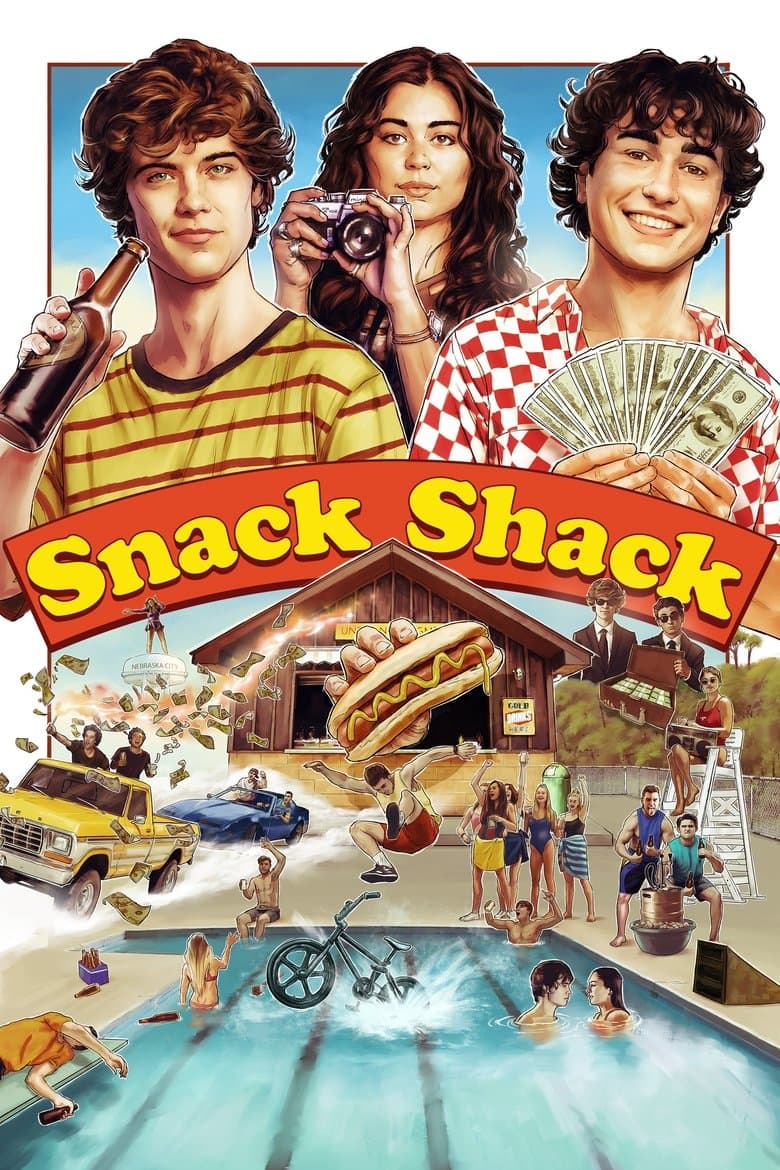
Movie · 2024
Inseparable best friends AJ and Moose decide to run the local pool's snack shack after their plan to sell home-brewed beer goes down the drain.
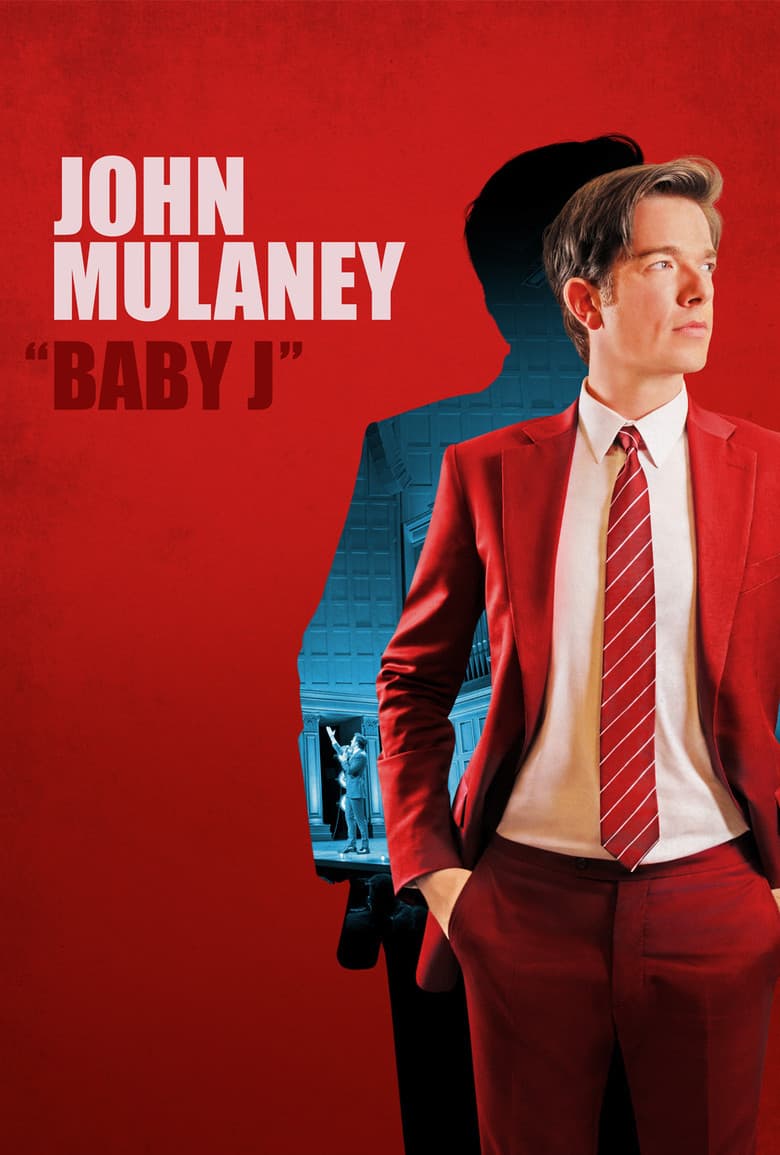
Movie · 2023
A chaotic intervention. An action-packed stay in rehab. After a weird couple of years, John Mulaney comes out swinging in his return to the stage.
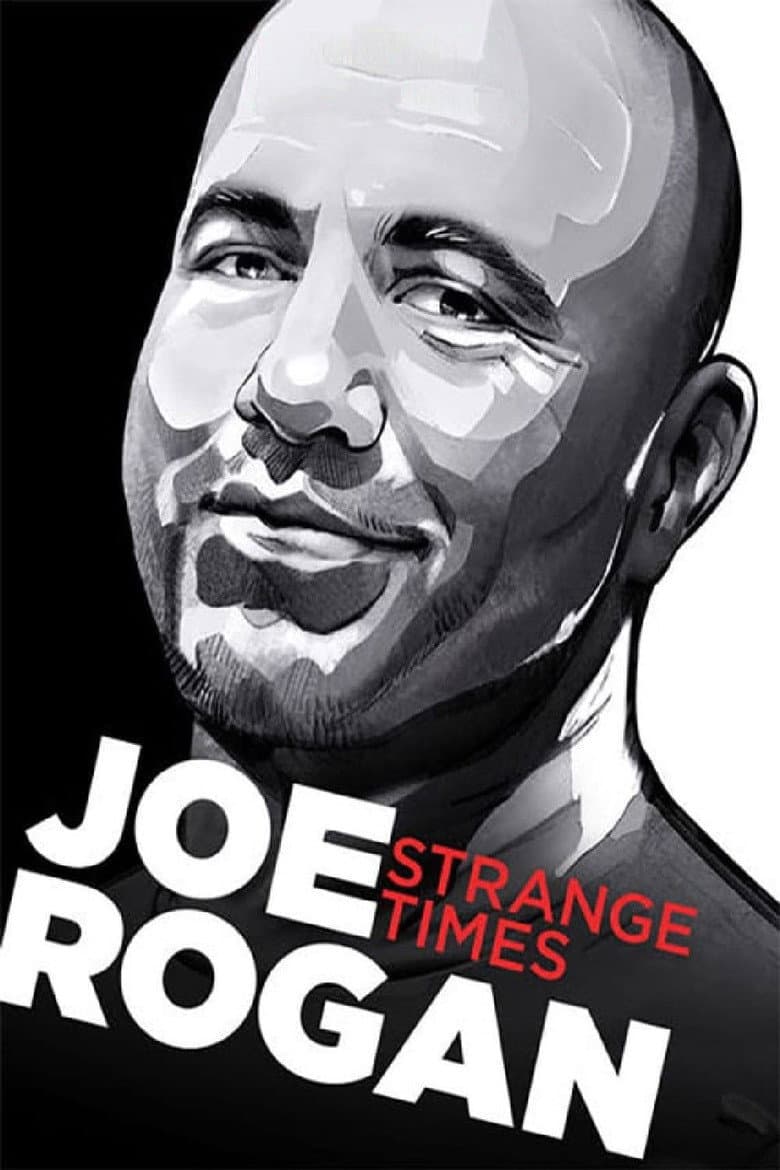
Movie · 2018
Outspoken as ever, comedian Joe Rogan takes on politics, pro wrestling, pot laws, cats, vegans and much more in a stand-up special shot in Boston.
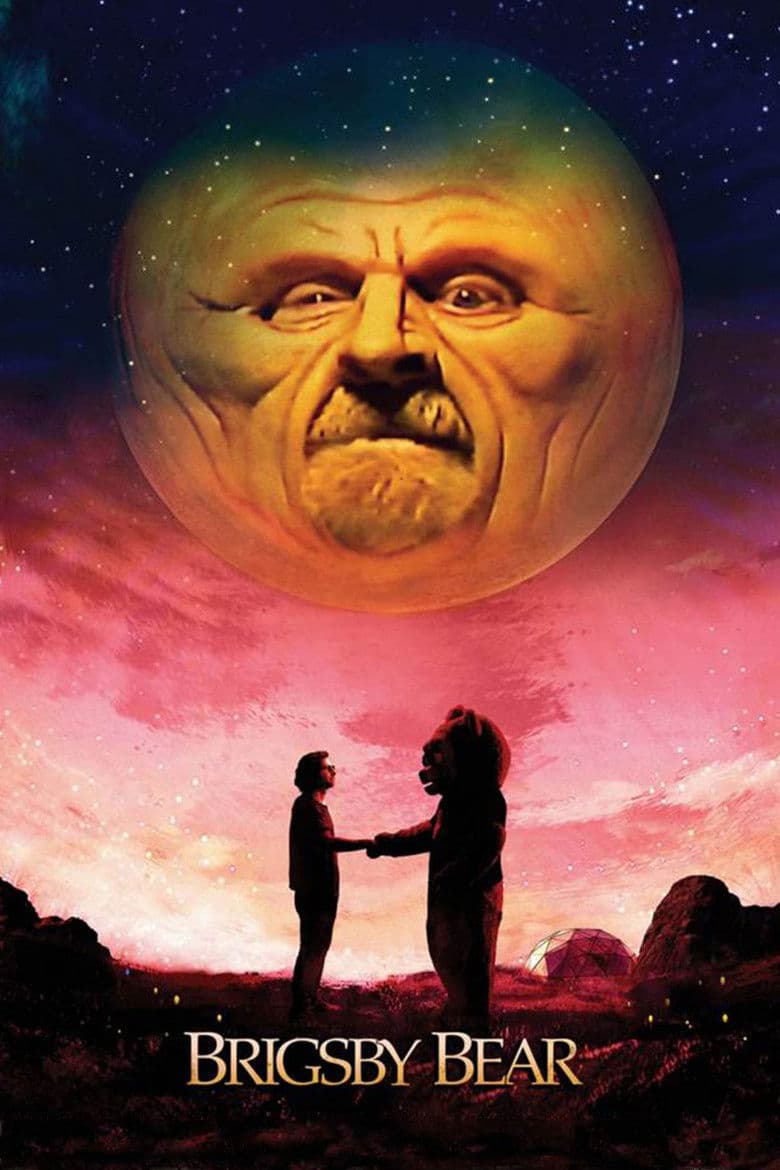
Movie · 2017
Brigsby Bear Adventures is a children's TV show produced for an audience of one: James. When the show abruptly ends, James's life changes forever, and he sets out to finish the…
Movie · 2023
After it's discovered that a teacher at South Park Elementary has an OnlyFans page, Randy is compelled to take a closer look at the seedy underbelly of the world of online…
