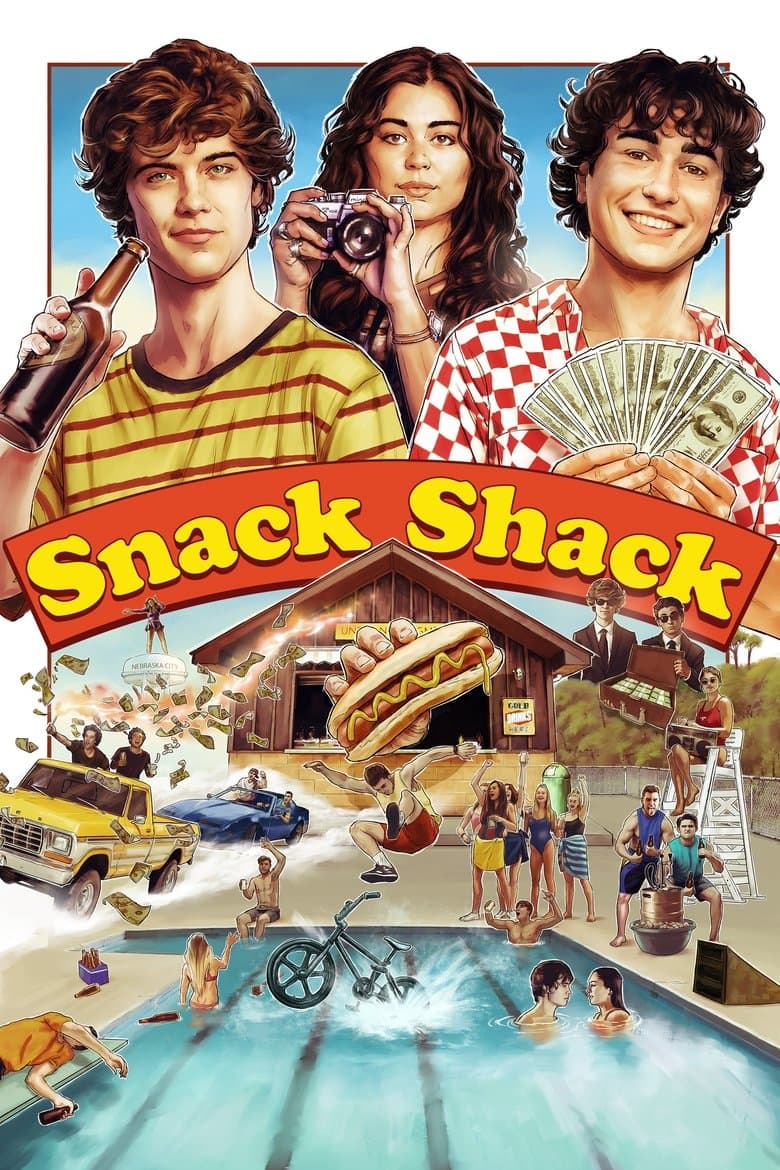
Snack Shack follows fourteen-year-old A.J. Carter and his best friend Moose during the summer of 1991 in Nebraska City, Nebraska. After their plan to brew and sell beer fails, the boys take over the local pool snack shack and try to make money. Their plans become harder when Brooke, a new lifeguard, dates one boy and attracts the other. The movie uses loud jokes and crude teen behavior. It also makes room for romance and a sad turn near the end.
A.J. starts out chasing money and girls, while Moose keeps pushing each scheme further. The snack shack gives them a place to act like adults before jealousy splits them apart. Brooke is confident and outspoken, but the story uses her mainly as the romantic center of the boys' conflict. Shane, an older friend, gives A.J. support before a sudden death brings the boys back together. The ending turns toward grief, forgiveness, and the short nature of a teenage summer.
Community feedback
Was our 3% Woke rating accurate?
Breakdown
These are the editorial factors and ratings behind our score for Snack Shack.
Woke representation / casting
Not present in this title.
0%
Woke political dialogue
Not present. Dialogue stays in the lane of crude teen banter, swearing, money schemes, crushes, and small-town life. No activist speeches, identity lectures, or political messaging of any kind surface in the narrative.
0%
Identity-driven story themes
Not present. The core story follows male friendship tested by a girl, entrepreneurial hustle at the snack shack, and coming-of-age lessons in 1990s Nebraska. No plotlines, character arcs, or messaging center on race, gender identity, sexuality, or social-justice themes.
0%
Western institutional / cultural critique
Not present in this title.
0%
Woke character or canon changes
Not relevant. This is an original story with no source material, established characters, or historical figures altered for ideological reasons.
0%
Anti-woke backlash and complaints
Not present. Reception centers on nostalgia, humor, and friendship with no documented complaints accusing the film of pushing woke, DEI, identity politics, or left-wing messaging.
0%
Creator track record context
Adam Rehmeier has a 3/100 creator score and no documented pattern of identity politics in his work. Most listed producers also have low scores. Yeardley Smith is the clearest higher-scored producer because she supports LGBTQ rights and produced a movie about a transgender character. Ben LeClair has a lower score tied to American Fiction, which critiques pressure for race-based stories. Snack Shack does not use those themes.
15%
Production
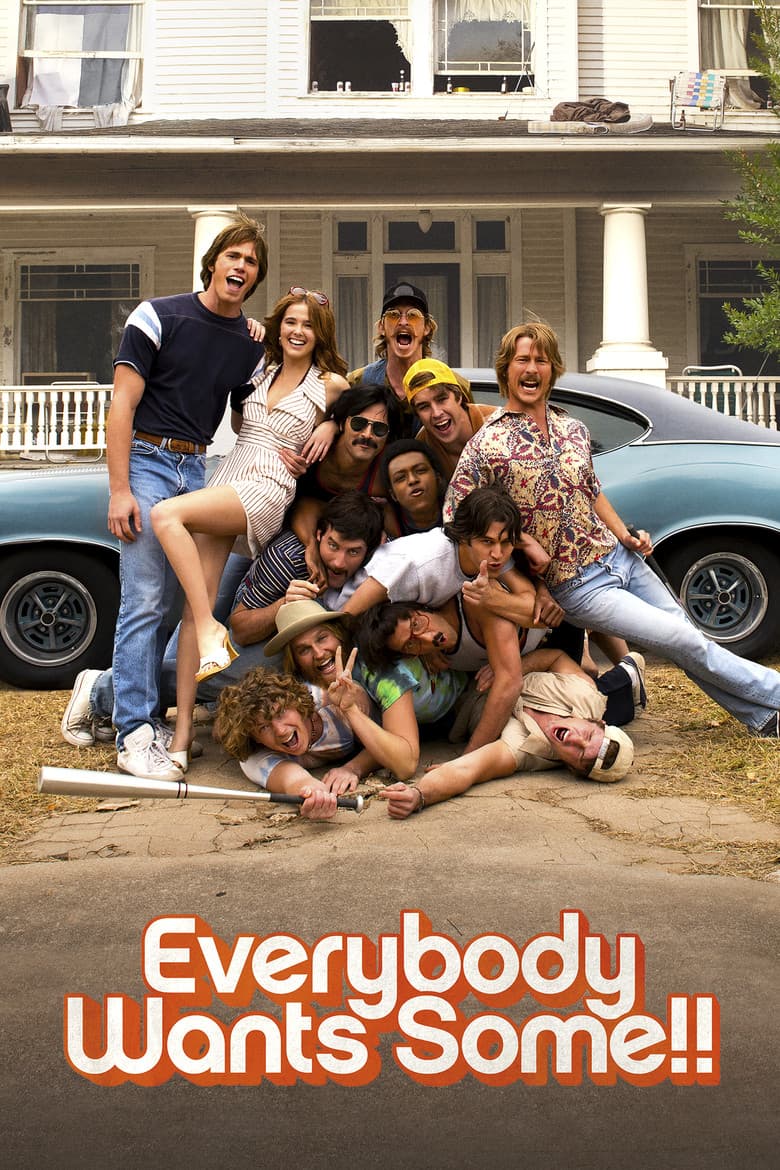
Movie · 2016
A comedy that follows a group of friends as they navigate their way through the freedoms and responsibilities of unsupervised adulthood.
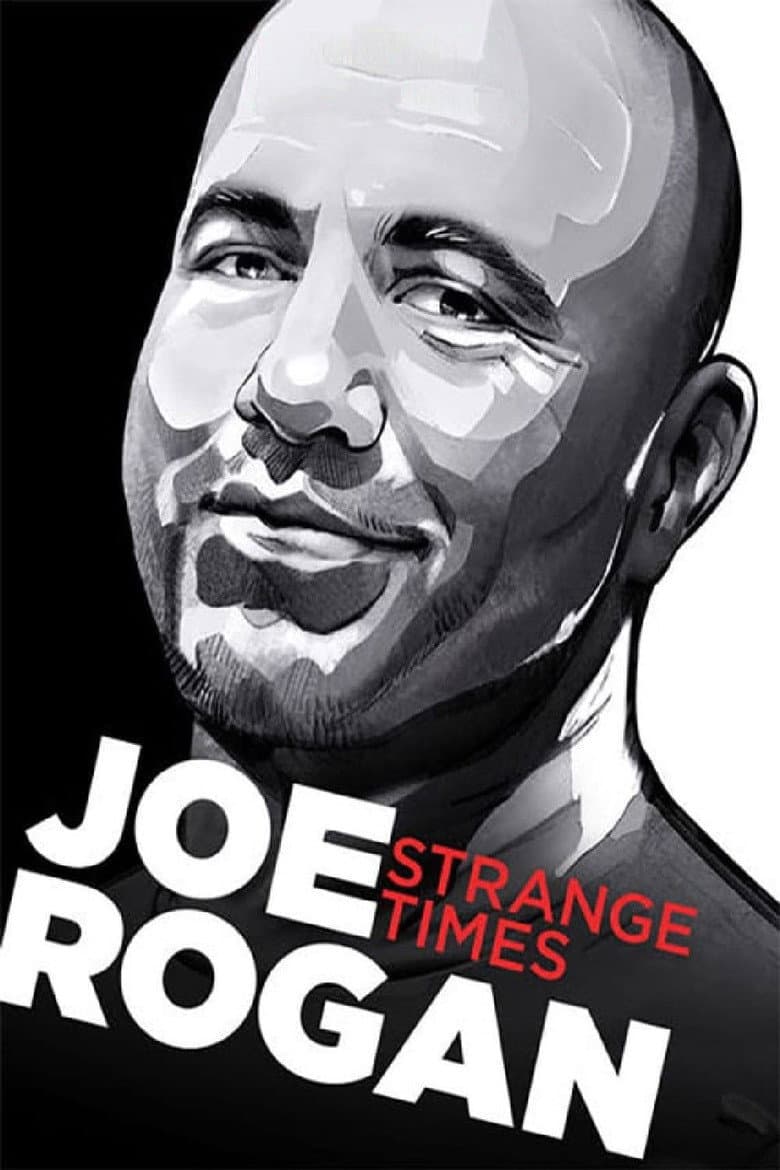
Movie · 2018
Outspoken as ever, comedian Joe Rogan takes on politics, pro wrestling, pot laws, cats, vegans and much more in a stand-up special shot in Boston.
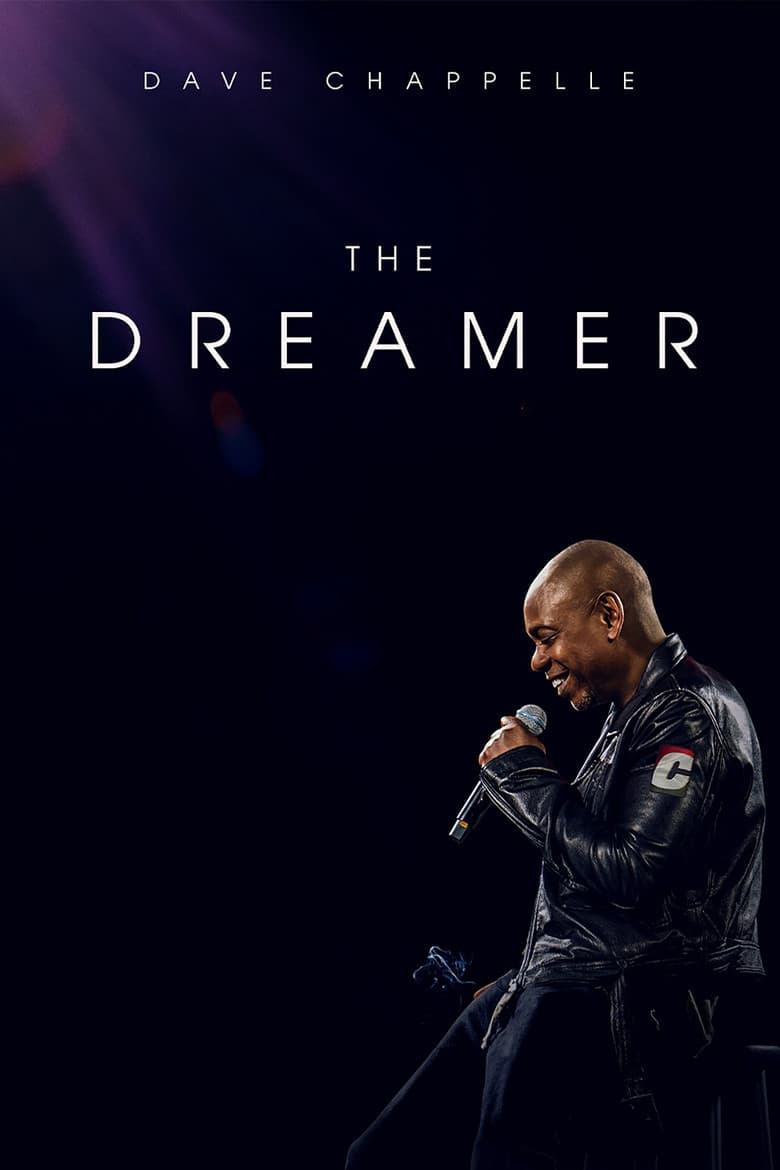
Movie · 2023
From his onstage tackle to the slap heard round the world, Dave Chappelle lets loose in this freewheeling and unfiltered stand-up comedy special.
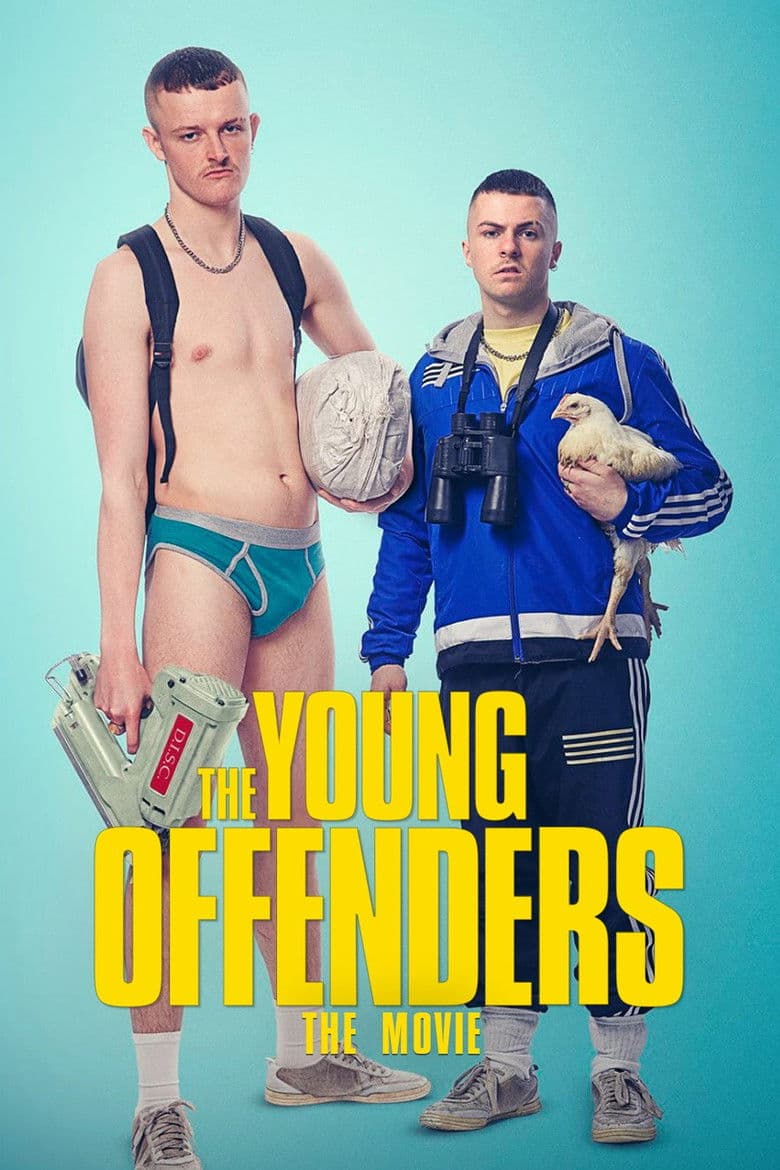
Movie · 2016
Two teenage boys from inner-city Cork steal bicycles and ride off on a 160km quest to find an unrecovered bale of cocaine worth 7,000,000 euros.
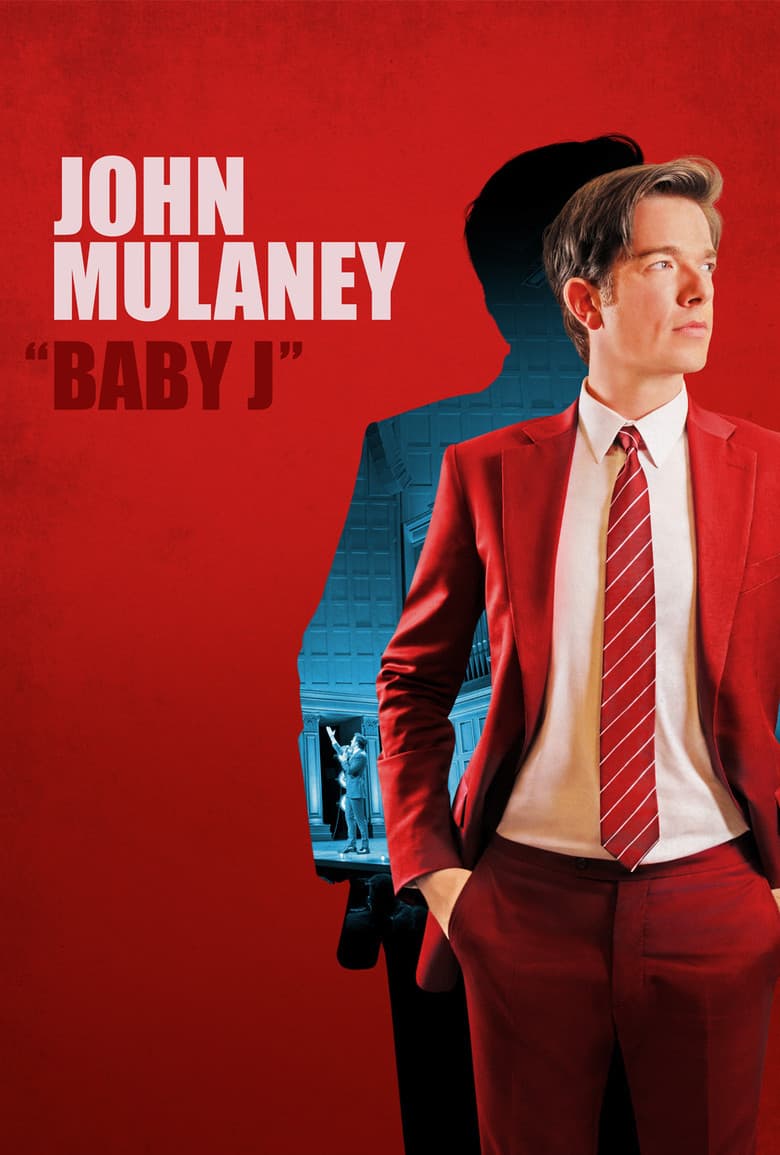
Movie · 2023
A chaotic intervention. An action-packed stay in rehab. After a weird couple of years, John Mulaney comes out swinging in his return to the stage.
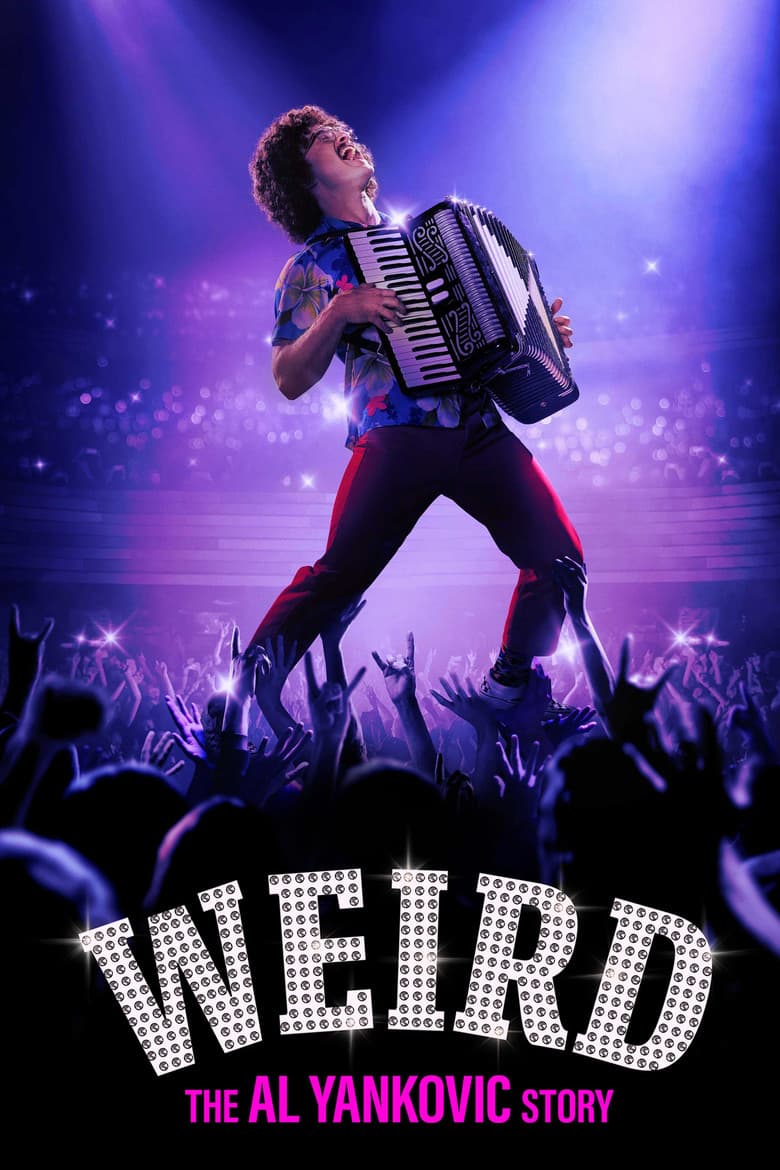
Movie · 2022
Exploring every facet of ‘Weird Al’ Yankovic’s life, from his meteoric rise to fame with early hits like ‘Eat It’ and ‘Like a Surgeon’ to his torrid celebrity love affairs and…
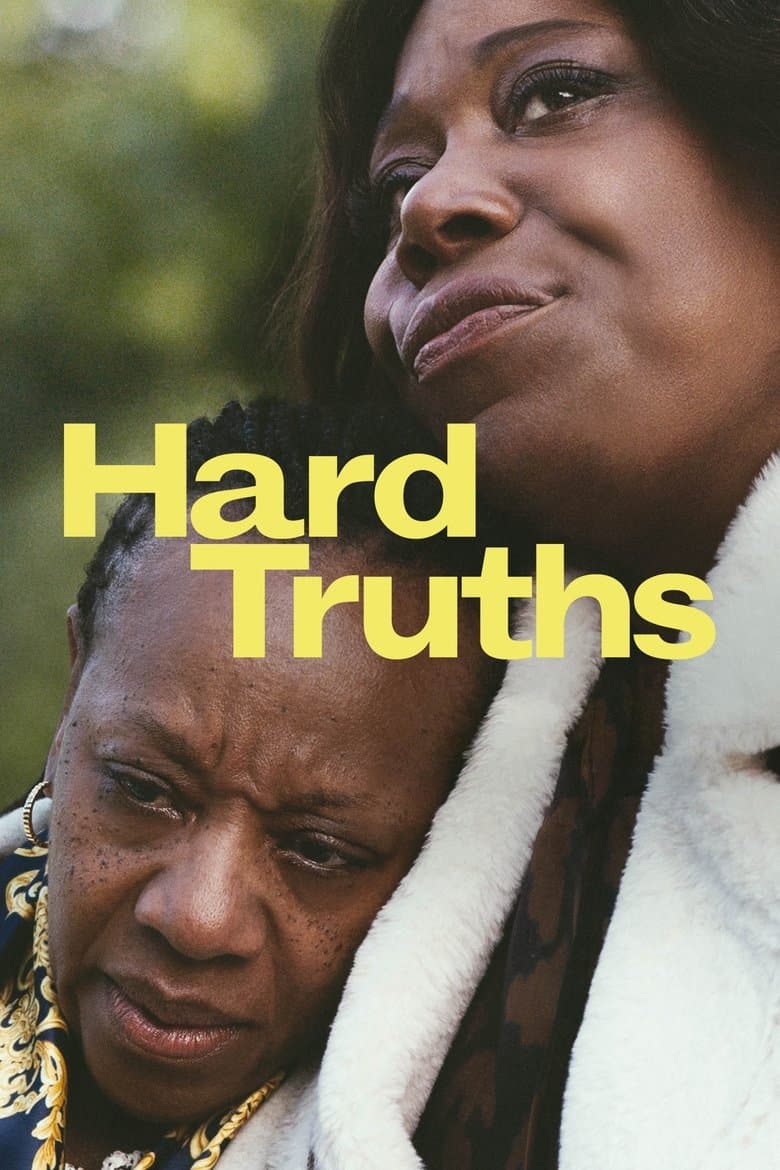
Movie · 2024
Pansy is a woman so full of rage that every interaction she has devolves into lashing out, whether at her utterly cowed husband and son, or random strangers who have the temerity…
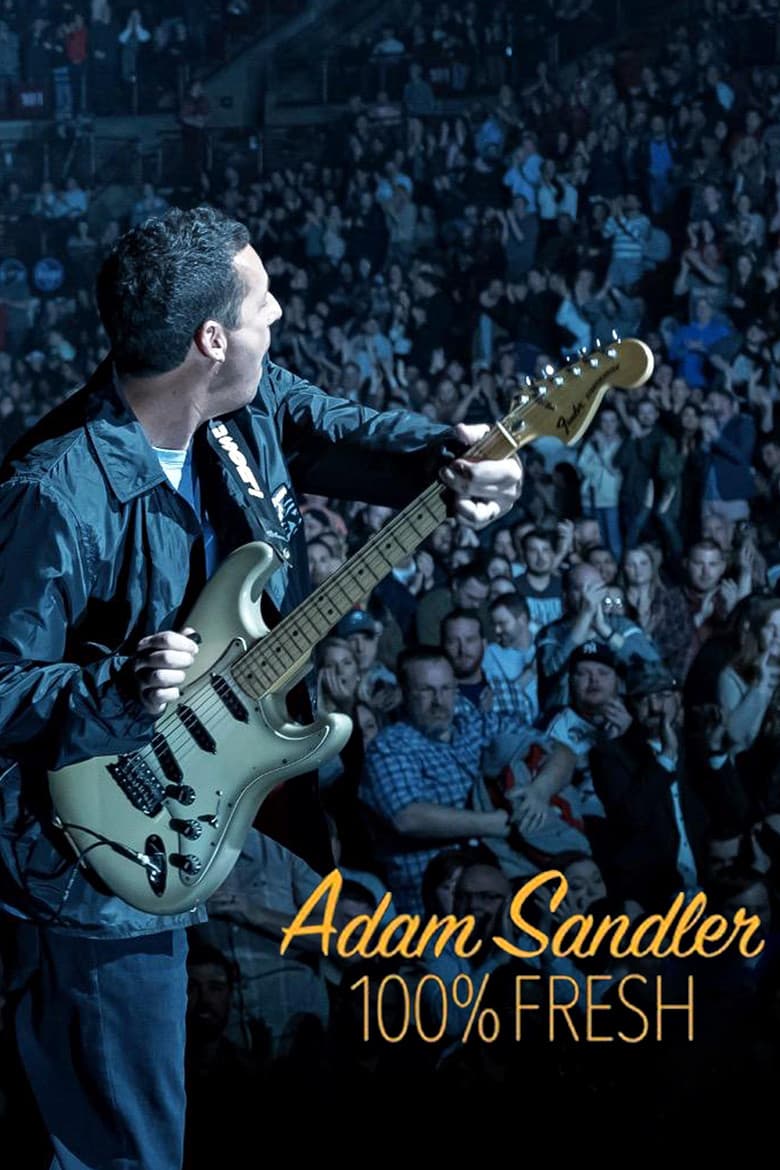
Movie · 2018
Adam Sandler takes his comical musical musings back out on the road, from comedy clubs to concert halls to one very unsuspecting subway station.
