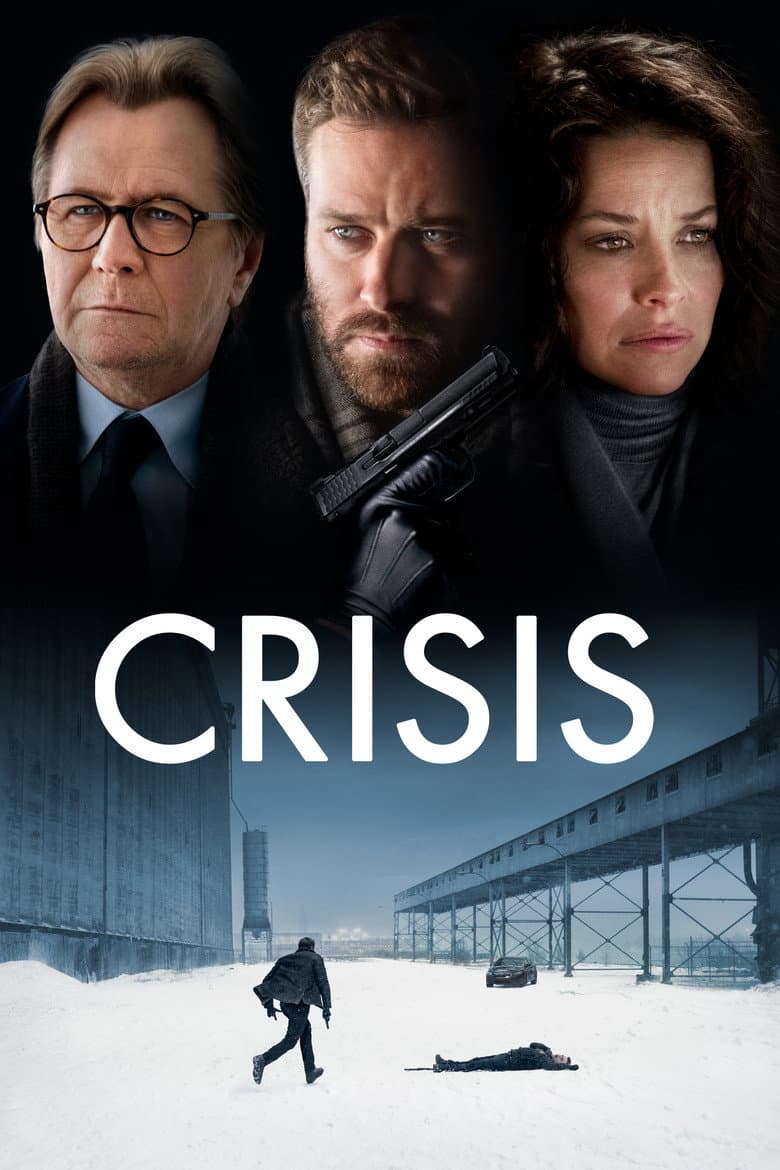
Crisis is a crime thriller set along the Canada and the United States border and in Detroit and Montreal. The film follows Jake Kelly, an undercover DEA agent whose sister is trapped in heroin addiction, Claire Reimann, a recovering mother who investigates her son's overdose, and Dr. Tyrone Brower, a university scientist testing a new pain drug. Their paths meet as dealers move fentanyl, a grieving parent seeks answers, and a drug company tries to hide dangerous results. The tone is grim, tense, and angry, with shootings, drug use, grief, and hard moral choices.
The film's strongest message attacks drug-company profit, college money, and weak government checks. Tyrone learns that the new drug may be more addictive than OxyContin, yet officials still approve it, so the story treats addiction as a public health failure as well as a crime problem. A side plot shows a male professor facing an old sexual-harassment case, and a brief nightclub scene shows two women kissing. These points stay secondary to the drug investigation, family grief, crime, and the choices people make when institutions fail.
Community feedback
Was our 30% Woke rating accurate?
Breakdown
These are the editorial factors and ratings behind our score for Crisis.
Woke representation / casting
Not present. The film uses a mixed North American cast, including a female architect and a female DEA supervisor. Those choices fit a present-day U.S. and Canadian crime story, and the film does not frame them as a diversity message.
0%
Woke political dialogue
The film repeats direct lines about a public health crisis, the need to stop turning a blind eye, and the duty to protect people who cannot speak for themselves. These lines support regulation and public action against drug-company abuse. The dialogue does not push race, gender, sexuality, DEI, or modern identity politics.
20%
Identity-driven story themes
Two women kiss briefly at a nightclub. The moment is background content and does not shape the plot or character arcs. The main story follows addiction, grief, drug crime, and corporate pressure, with a short harassment subplot.
5%
Western institutional / cultural critique
The film repeatedly presents drug companies, a university, the FDA, and law enforcement as parts of a system that protects money over public safety. The professor is pressured to change his findings, and officials approve Klaralon despite warnings. The story questions the War on Drugs and treats addiction as a public health problem as well as a crime problem. A smaller subplot uses an old sexual-harassment case to weaken the professor. This is a strong anti-corporate and institutional message, but it is not a sustained attack on family, Christianity, or gender roles.
43%
Woke character or canon changes
Not relevant. Crisis is an original fictional story with no established characters or source canon. The plot changes are about crime, addiction, and research, not identity.
0%
Anti-woke backlash and complaints
Not present. The reviewed coverage shows complaints about the trailer, the film's weak writing, and Armie Hammer's scandal. No specific complaint says Crisis pushes woke, DEI, identity politics, or left-wing messaging.
0%
Creator track record context
Nicholas Jarecki has a low recorded score of 12/100, and his record centers on corruption, wealth, and broken institutions. Cassian Elwes and Mohammed Al Turki have mild diversity-support records, while most other producers have little public activism and Douglas Urbanski is openly conservative. The overall creator background gives a mild liberal and diversity-related signal, but it does not show a lasting identity-driven agenda.
15%
Production
Movie · 2019
In 1934, Frank Hamer and Manny Gault, two former Texas Rangers, are commissioned to put an end to the wave of vicious crimes perpetrated by Bonnie Parker and Clyde Barrow, a…
Movie · 2022
After escaping a Michigan prison, a charming career criminal assumes a new identity in Canada and goes on to rob a record 59 banks and jewellery stores while being hunted by a…
Movie · 2021
A cold and mysterious new security guard for a Los Angeles cash truck company surprises his co-workers when he unleashes precision skills during a heist.

Movie · 2021
Deputy Sheriff Joe "Deke" Deacon joins forces with Sgt. Jim Baxter to search for a serial killer who's terrorizing Los Angeles.
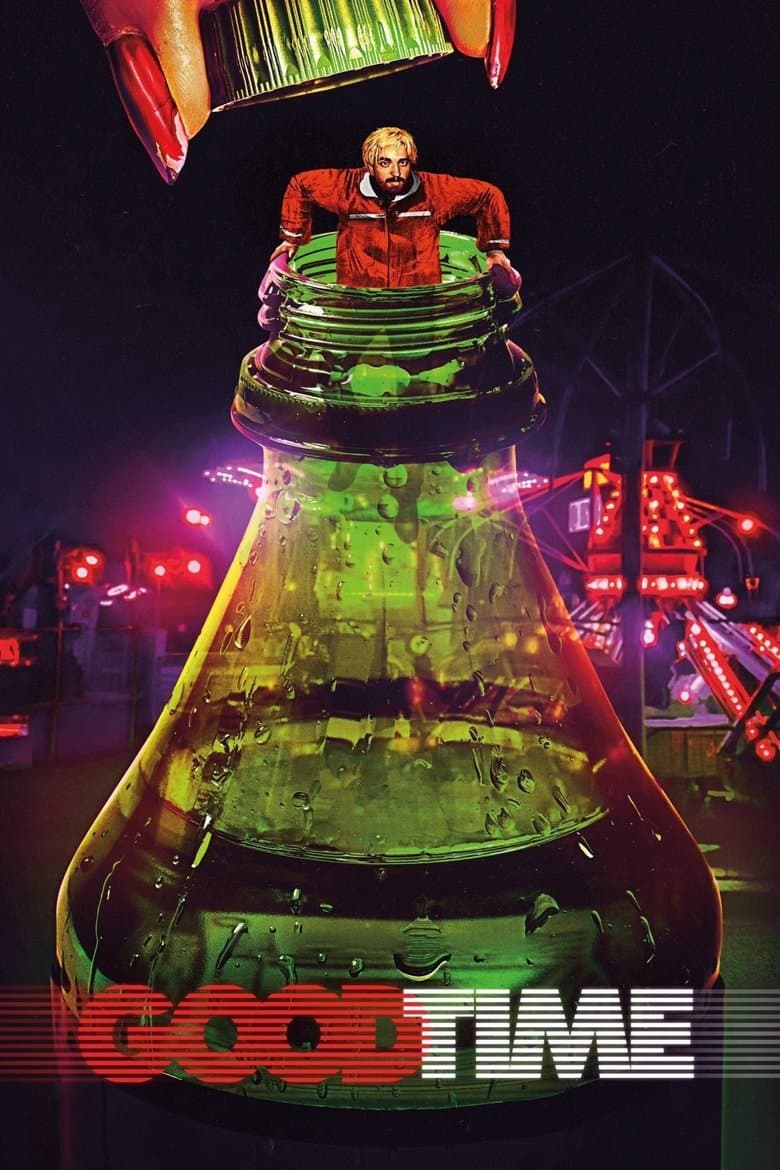
Movie · 2017
After a botched bank robbery lands his younger brother in prison, Connie Nikas embarks on a twisted odyssey through New York City's underworld to get his brother Nick out of jail.
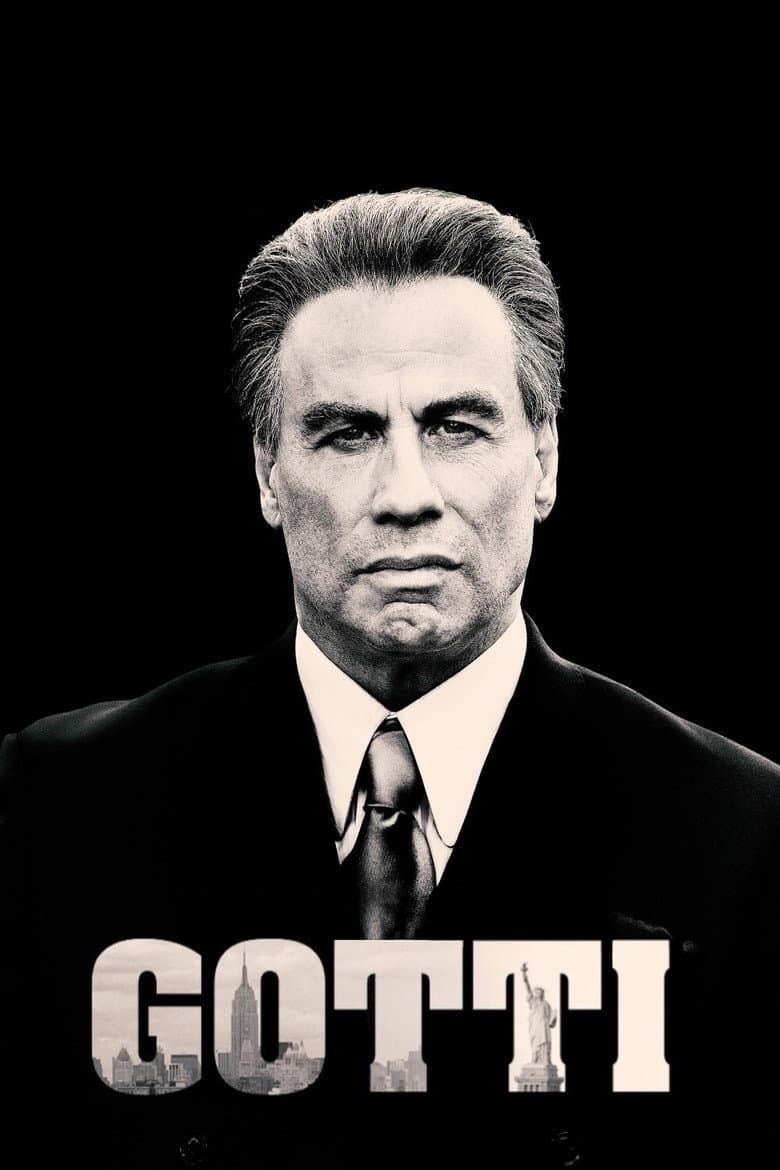
Movie · 2018
John Gotti rises to the top of the New York underworld to become the boss of the Gambino crime family. His life takes a tumultuous turn as he faces tragedy, multiple trials and a…

Movie · 2017
When a depressed woman is burglarized, she finds a new sense of purpose by tracking down the thieves alongside her obnoxious neighbor.

Movie · 2024
A middle-class bank clerk who longs to trade stability for adventure gets more than he bargained for when he unexpectedly becomes a wealthy man.
