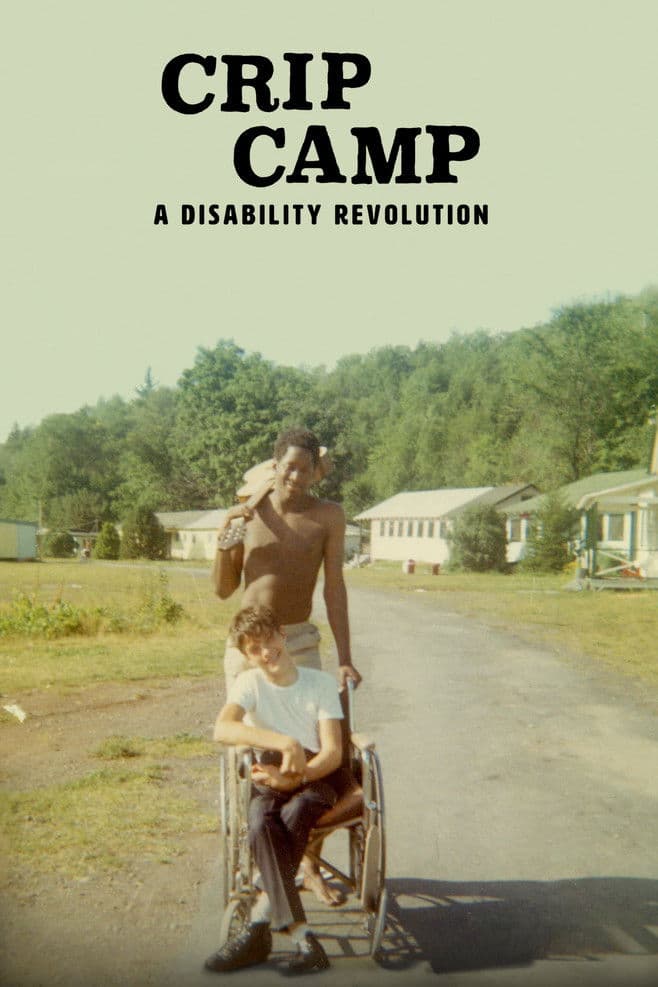
In the early 1970s, teens with disabilities spend summers at Camp Jened in the Catskills, near Woodstock. The camp feels free and wild. Kids who felt shut out of normal life get friends, fun, and a real sense of belonging. Co-director Jim LeBrecht was one of those campers. The film follows how that summer spirit later fueled a big fight for disability rights, including long protests to force the government to enforce fair rules.
A normal viewer would notice strong activist and identity themes right away. The story is built around disability as a shared group identity, pride in that identity, and a long civil-rights fight against unfair schools, buildings, and laws. You hear protest talk, chants for civil rights, and clear anger at officials who stalled access rules. The film shows disabled people as sexual, romantic, funny, and powerful leaders, not as objects of pity. It also shows help from Black Panthers, unions, and gay and lesbian groups during the famous 504 sit-in. Barack and Michelle Obama’s company helped produce it, and marketing frames it as a rights and “fight the system” story. Queer identity is not the main plot, but LGBTQ allies appear as real partners in the protest history. The main “woke” weight is disability justice, identity community, and institutional critique, not race or gender swaps.
Community feedback
Was our 90% Woke rating accurate?
Breakdown
These are the editorial factors and ratings behind our score for Crip Camp: A Disability Revolution.
Woke representation / casting
The film is fully built around disabled people as the main faces and heroes. Viewers constantly see disabled teens and adults as full people—friends, lovers, parents, and leaders. That is the point of the story, not side diversity. Romance and sexuality for disabled people are shown on purpose as a push against pity and invisibility. Not actor race/gender swaps, but identity-first representation is front and center.
76%
Woke political dialogue
Much of the second half is protest talk and rights talk. Viewers hear civil-rights style chants, speeches against discrimination, and hard confrontations with government officials over access rules. Judy Heumann and others reject being told to feel thankful for basic access. Camp scenes also include group talks about stigma, parents, and unfair treatment. Activist language is hard to miss.
78%
Identity-driven story themes
The whole film is an identity story: disabled teens find community at camp, claim that identity with pride (even using “crip” in the title), then organize as a group for legal and social change. Disability culture, belonging, and rights are the core arc from start to finish. Brief on-screen coalition with gay and lesbian groups and black activists adds an extra identity-politics layer. A viewer cannot treat this as a neutral summer-camp tale.
90%
Western institutional / cultural critique
The film attacks how schools, hospitals, transit, and federal agencies shut disabled people out. It shows harsh institutions, blocked rules under Nixon/Carter-era fights, and the idea that the big problem is how non-disabled society treats disabled people. It celebrates protest and “fight the system” energy. This is framed as modern social-justice rights history, not only a dry old news recap.
74%
Woke character or canon changes
Not present in this title.
0%
Anti-woke backlash and complaints
No major anti-woke campaign or sustained right-leaning “this is propaganda” wave turned up in mainstream or social search. A few notes worry that Obama branding or a bold title might put some viewers off, but that is mild and thin. Most coverage is praise. Score stays low for lack of clear anti-woke backlash volume.
10%
Creator track record context
Key makers line up with activist and progressive media work: LeBrecht’s disability-rights life, Newnham’s justice-minded docs, the Obamas’ Higher Ground diverse-voices mission, and producers tied to disability or LGBTQ storytelling. Sales partners are more industry-neutral, but the lead creative and brand package still reads strongly activist and identity-aware.
70%
Production
Movie · 2023
His love of film began as an escape from a rocky childhood. From underdog to Hollywood legend, Sylvester Stallone tells his story in this documentary.
Movie · 2022
In candid conversations with actor Jonah Hill, leading psychiatrist Phil Stutz explores his early life experiences and unique, visual model of therapy.
Movie · 2018
As his life comes to its end, famous Hollywood director Orson Welles puts it all on the line at the chance for renewed success with the film The Other Side of the Wind.
Movie · 2018
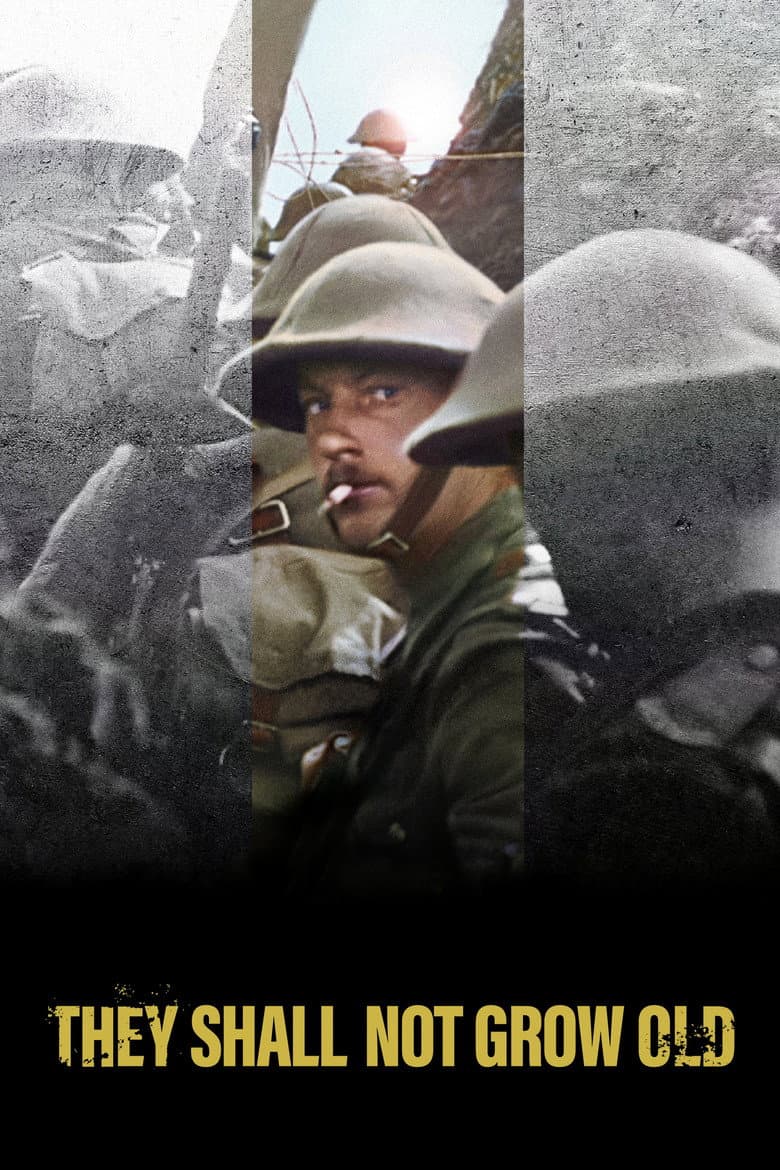
A documentary about World War I with never-before-seen footage to commemorate the centennial of Armistice Day, and the end of the war.
Movie · 2021
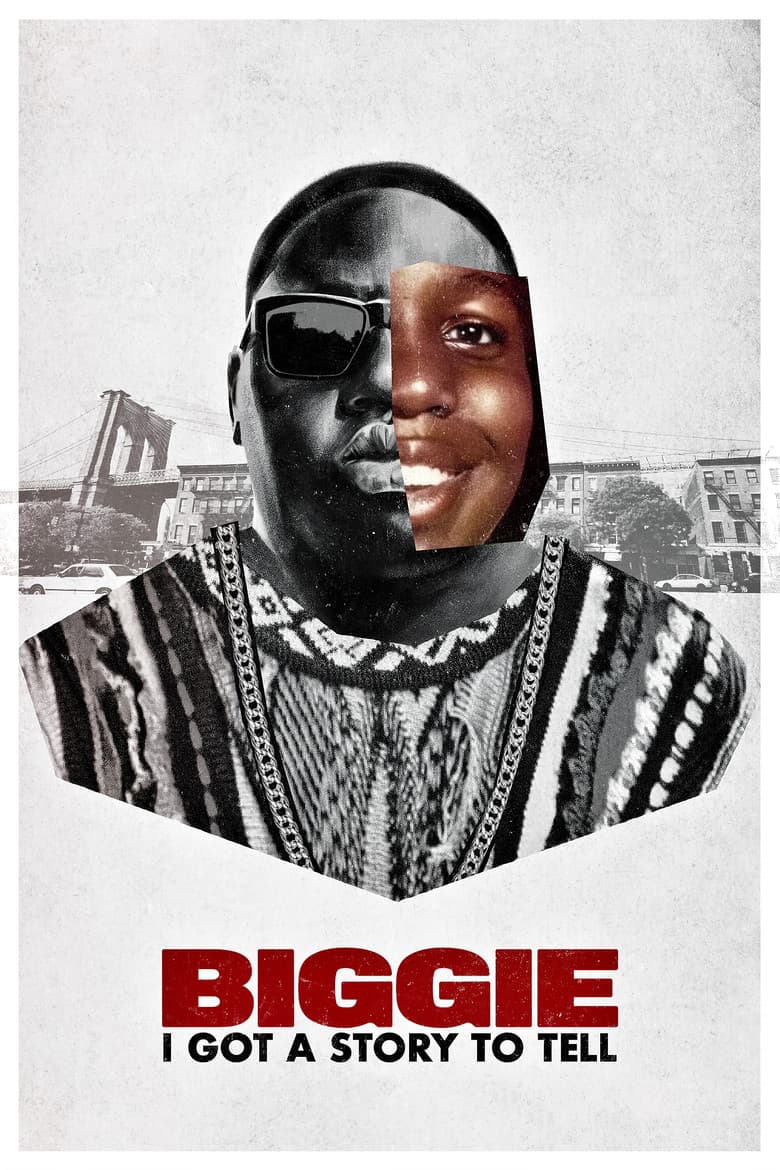
Christopher Wallace, AKA The Notorious B.I.G., remains one of Hip-Hop’s icons, renowned for his distinctive flow and autobiographical lyrics.
Movie · 2022
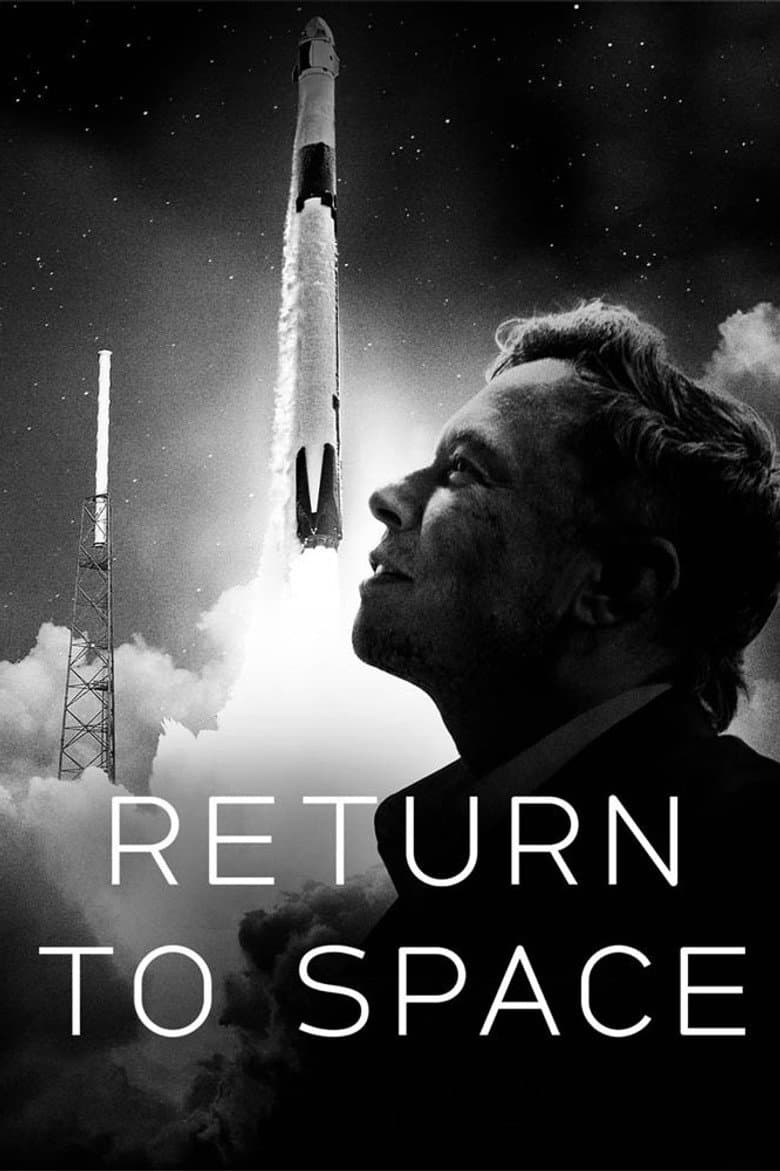
The inspirational rise of SpaceX as well as Elon Musk's two-decade effort to resurrect America’s space travel ambitions.
Movie · 2016
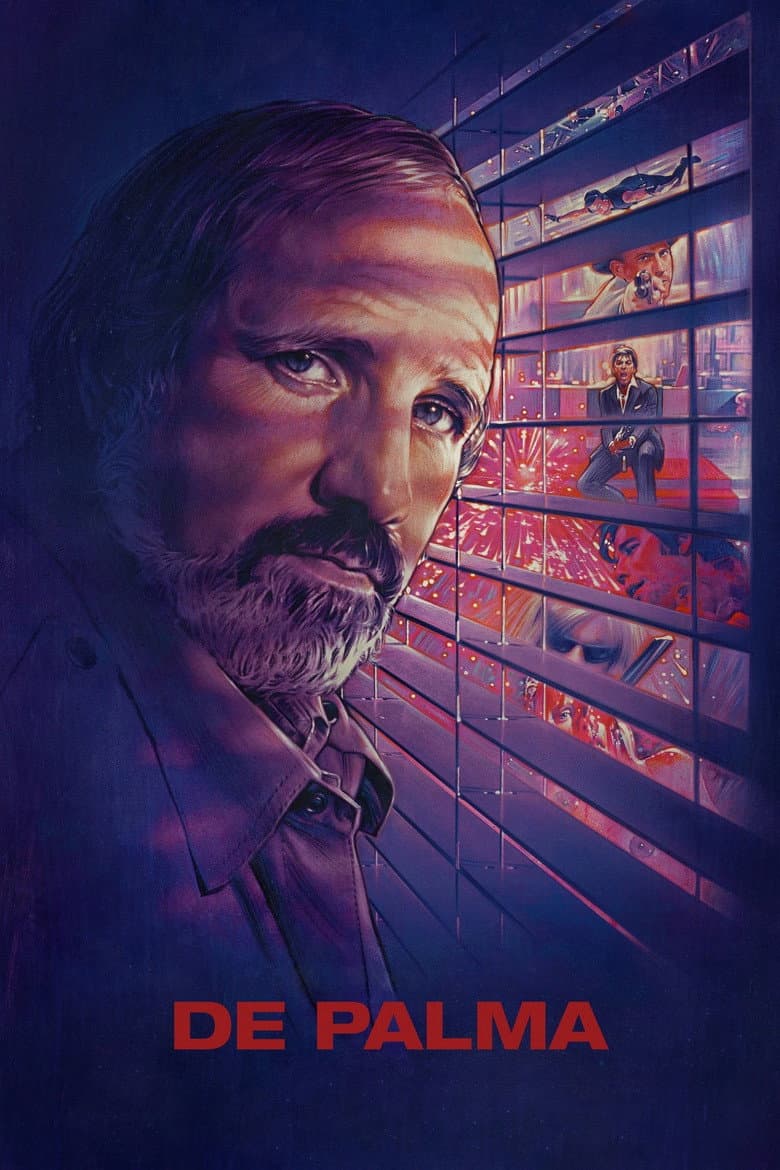
An intimate conversation between filmmakers, chronicling De Palma’s 55-year career, his life, and his filmmaking process, with revealing anecdotes and, of course, a wealth of film…
Movie · 2019
An Iraqi journalist joins an army of uneasy allies and unforgettable characters in the epic battle to liberate the city of Mosul from the Islamic State.
