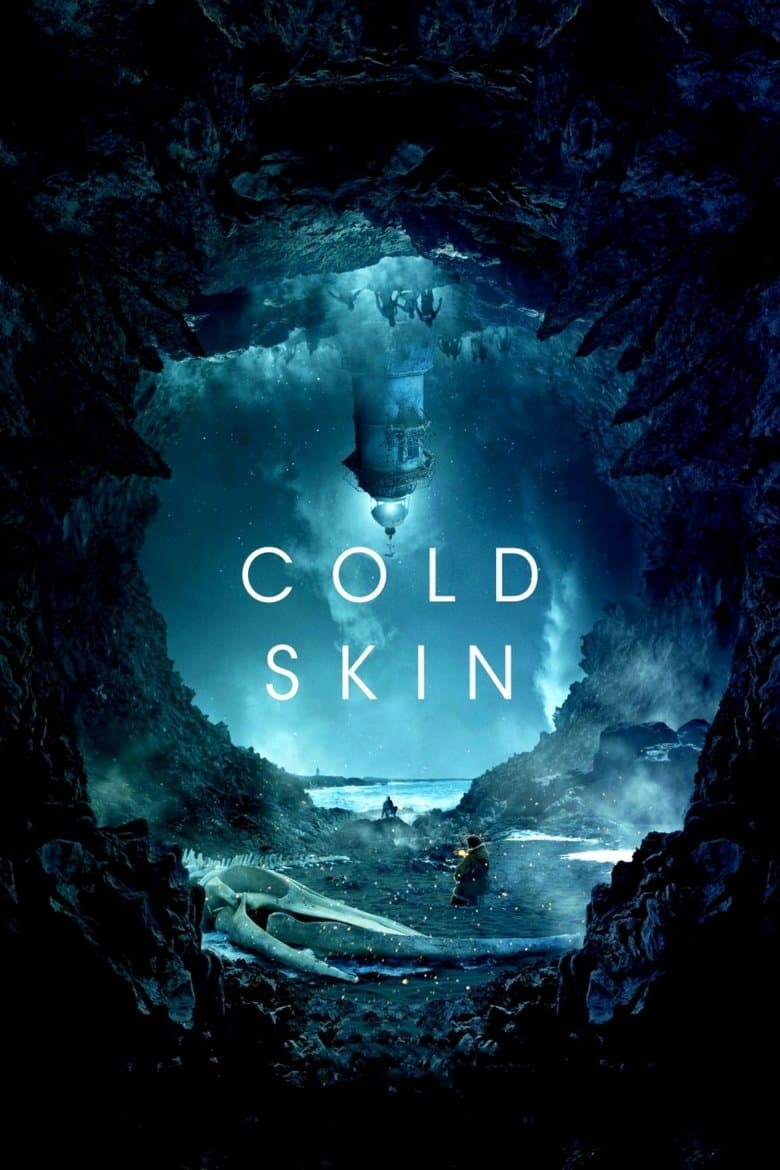
In 1914, a young weather observer called Friend arrives on a barren island near the Antarctic Circle. He expects a quiet year, but he finds the former observer gone and a harsh lighthouse keeper named Gruner. Each night, fish-like creatures rise from the sea and attack the lighthouse. Friend must work with Gruner while trying to understand why the creatures are fighting them. The movie has a cold, lonely, and violent tone, with long stretches of survival horror.
The movie makes the creatures more than simple monsters. Friend begins to see Aneris, a female creature kept by Gruner as a sex slave, as a person with her own wishes. Her move toward freedom becomes a major part of the story. The movie also connects the killing of the creatures with conquest, fear of outsiders, and violent ideas about being a man. These themes are clear and recurring, but the film still spends much of its time on attacks, isolation, and creature horror.
Community feedback
Was our 44% Woke rating accurate?
Breakdown
These are the editorial factors and ratings behind our score for Cold Skin.
Woke representation / casting
Not present. The main human roles are European and fit the early 1900s setting. Aneris is a fictional fish-like creature, so her casting does not create a diversity-first pattern.
0%
Woke political dialogue
The movie’s narration and exchanges between Friend and Gruner question the idea that the fish-like people are only monsters. Friend also argues for seeing Aneris as a person rather than property. The film uses this moral debate more than current political language, so the political dialogue is limited.
16%
Identity-driven story themes
The movie asks viewers to see the fish-like people as people rather than beasts. Friend grows attached to Aneris and rejects Gruner’s treatment of her as a sex slave. Aneris moves from captivity toward choosing her own freedom. The story connects this change with fear of outsiders, taking land by force, and the harm caused by violent male power.
48%
Western institutional / cultural critique
Gruner rules the lighthouse through threats and violent lessons about being a man. He treats Aneris as property and teaches Friend to answer fear with violence. Friend slowly rejects that model and questions the killing of the creatures. The movie links this behavior to conquest and colonial abuse, but it does not target a modern church, party, or economic system.
38%
Woke character or canon changes
The movie gives Aneris a more sympathetic freedom arc than the novel. David Oakes said the film has more of a feminist agenda than the book. The film also makes her bond with Friend more romantic and makes her move toward freedom central to the ending. This change matters, but it is limited to this adaptation.
26%
Anti-woke backlash and complaints
Not present. No clear title-specific anti-woke backlash appeared in the news or larger audience discussions reviewed. Online comments mostly debated the creature romance, violence, story quality, and colonial meaning.
0%
Creator track record context
Xavier Gens has a cached 15/100 woke score and no strong activist record. Albert Sánchez Piñol has a cached 15/100 score, while Eron Sheean and Jesús Olmo have cached 0/100 scores. Gens’s title interviews add some support because he openly connected the film to migration, colonialism, and feminism. The wider creator record therefore adds only a mild signal.
15%
Production
Movie · 2019
A story of Naoufel, a young man who is in love with Gabrielle. In another part of town, a severed hand escapes from a dissection lab, determined to find its body again.
Movie · 2024
Four tales unfold in Wes Anderson's anthology of short films adapted from Roald Dahl's beloved stories, "The Wonderful Story of Henry Sugar", "The Swan", "The Rat Catcher", and…
Movie · 2021
Alex, a boy obsessed with scary stories, is trapped by a witch in her modern, magical New York City apartment.
Movie · 2023
On Christmas Eve, a fighter pilot on his way home becomes lost while flying over water and needs a miracle to land safely.
Movie · 2022
Suzume, 17, lost her mother as a little girl. On her way to school, she meets a mysterious young man. But her curiosity unleashes a calamity that endangers the entire population…
Movie · 2016
A teenager finds himself transported to an island where he must help protect a group of orphans with special powers from creatures intent on destroying them.
Movie · 2023
Created for Disney's 100th anniversary, the short features Mickey Mouse corralling a gallery of legendary Disney characters for a group photo.
Movie · 2016
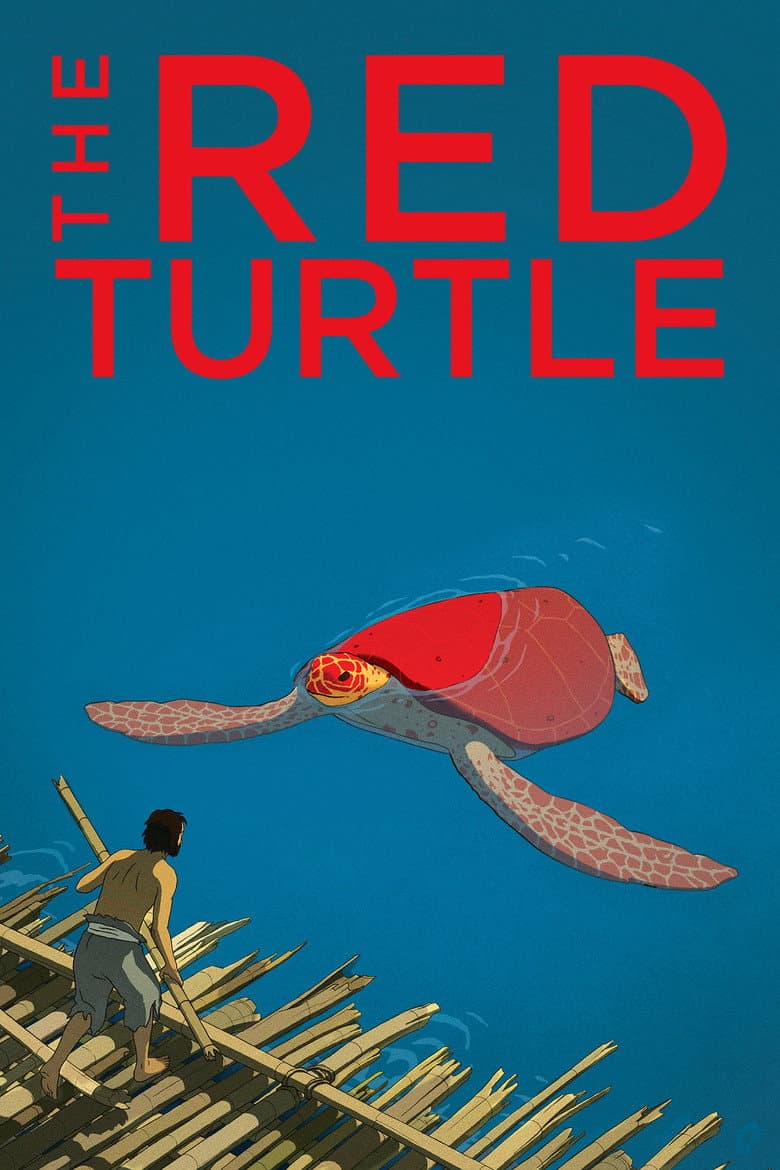
The dialogue-less film follows the major life stages of a castaway on a deserted tropical island populated by turtles, crabs and birds.
