Movie review
November 11, 2022 · 122 min · PG · Japanese · Fantasy · Animation · Adventure · Drama
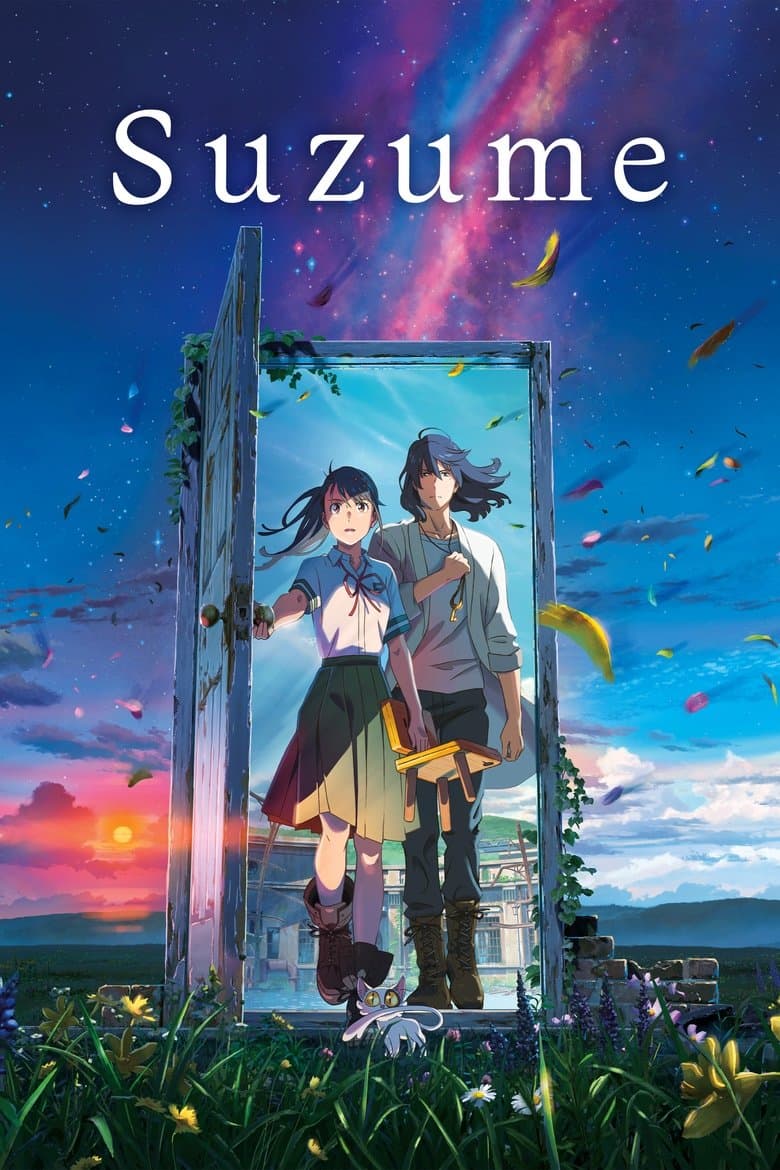
Suzume is a 17-year-old student who lives with her aunt in southern Japan. After she meets Souta, a young man who seals dangerous doors, she follows him into a fight against a giant force that causes earthquakes. Souta becomes a small wooden chair, so Suzume travels across Japan to protect him and close the doors. The film mixes bright fantasy, jokes, romance, grief, and frightening images of ruined towns.
The story gives Suzume most of the active work, while Souta spends much of the film as a helpless chair who needs her help. She chooses the journey, faces the disasters, saves the man she loves, and finally helps her younger self accept her mother's death. This repeated switch of the usual boy-saves-girl pattern is the clearest identity-related element in the film. The film also includes two brief jokes that call boys dumb and men pigs. The story does not turn these ideas into a political speech, and its main message stays focused on memory, family, loss, and the slow work of healing after disaster.
Community feedback
Was our 30% Woke rating accurate?
Breakdown
These are the editorial factors and ratings behind our score for Suzume.
Woke representation / casting
Not present. The main characters are Japanese people in a modern Japanese setting. The film does not present a mixed or identity-first cast.
0%
Woke political dialogue
Chika tells Suzume that “boys are dumb” during a short chat. A later exchange includes a joke that “men are such pigs.” These are brief negative comments about men, and they do not drive the plot.
25%
Identity-driven story themes
Suzume becomes the main person who travels, fights the disasters, and rescues Souta. Souta spends much of the film as a chair and needs Suzume to save him. The story repeats this switch in the usual boy-saves-girl pattern, but it presents the change as a personal coming-of-age and grief story rather than a political campaign. Most of the film follows memory, family, love, and healing after disaster.
44%
Western institutional / cultural critique
Not present. The film includes a tense aunt and niece argument and brief jokes about men, but it does not frame family life, religion, or Western institutions as a modern political system. It does not attack traditional social roles or capitalism.
0%
Woke character or canon changes
Not relevant. Suzume is an original story rather than a new version of established characters. It uses the real 2011 disaster as background, but it does not make an identity-based change to a historical person or event.
0%
Anti-woke backlash and complaints
Not present. Public reviews and discussion focus on the disaster, grief, romance, pacing, and supernatural plot. No notable complaint says the film pushes DEI, identity politics, or activist ideas.
0%
Creator track record context
Makoto Shinkai often uses natural disaster, weather, social pressure, and stories centered on young women. Suzume continues his focus on the 2011 earthquake and a young woman’s growth. His public record is mainly commercial anime work, with no clear activist, partisan, or DEI campaign. The listed producers also have low stored scores and no clear identity-driven public record.
10%
Production
Movie · 2016
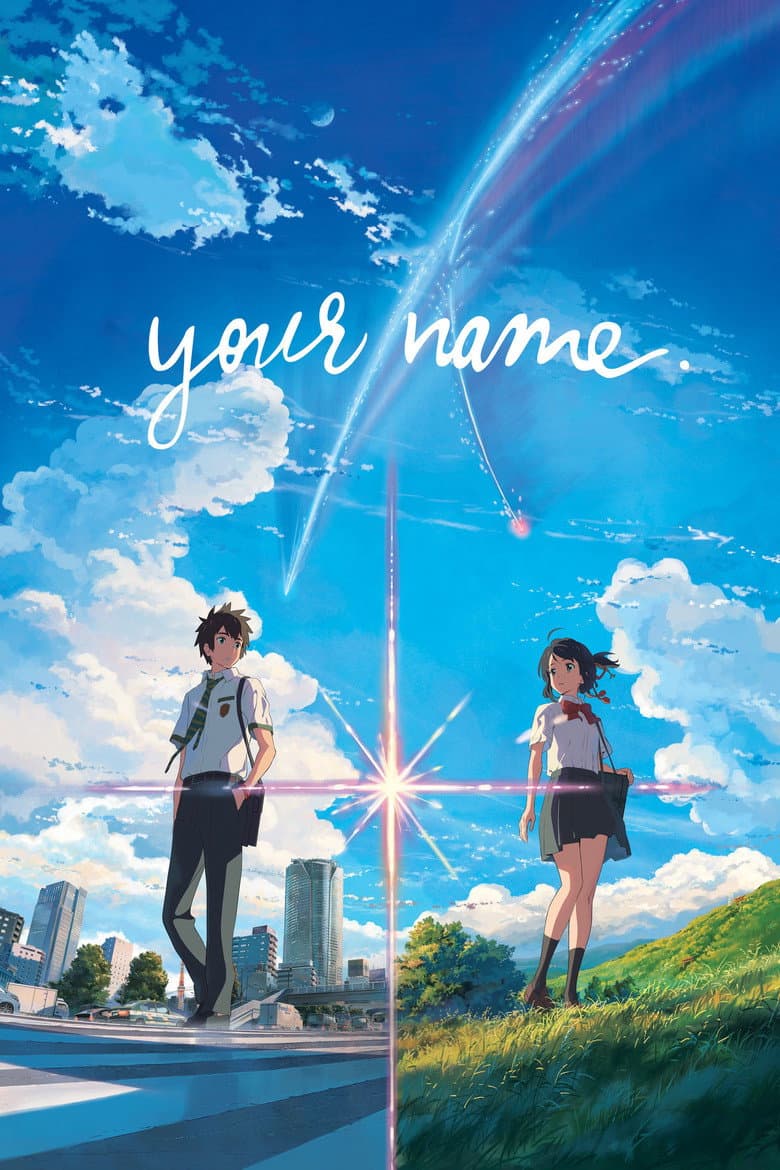
High schoolers Mitsuha and Taki are complete strangers living separate lives. But one night, they suddenly switch places. Mitsuha wakes up in Taki’s body, and he in hers.

Movie · 2025
Charles Dickens tells his young son Walter the greatest story ever told, and what begins as a bedtime tale becomes a life-changing journey.
Movie · 2022
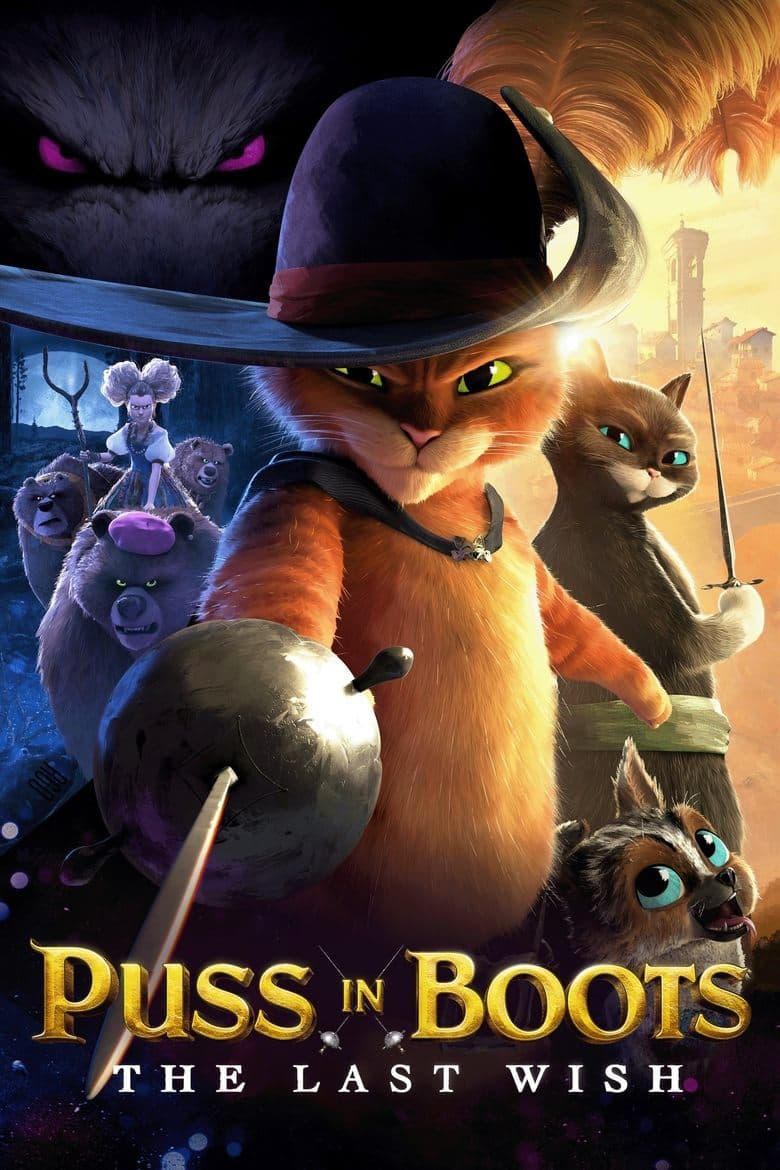
Puss in Boots discovers that his passion for adventure has taken its toll: He has burned through eight of his nine lives, leaving him with only one life left.
Movie · 2015
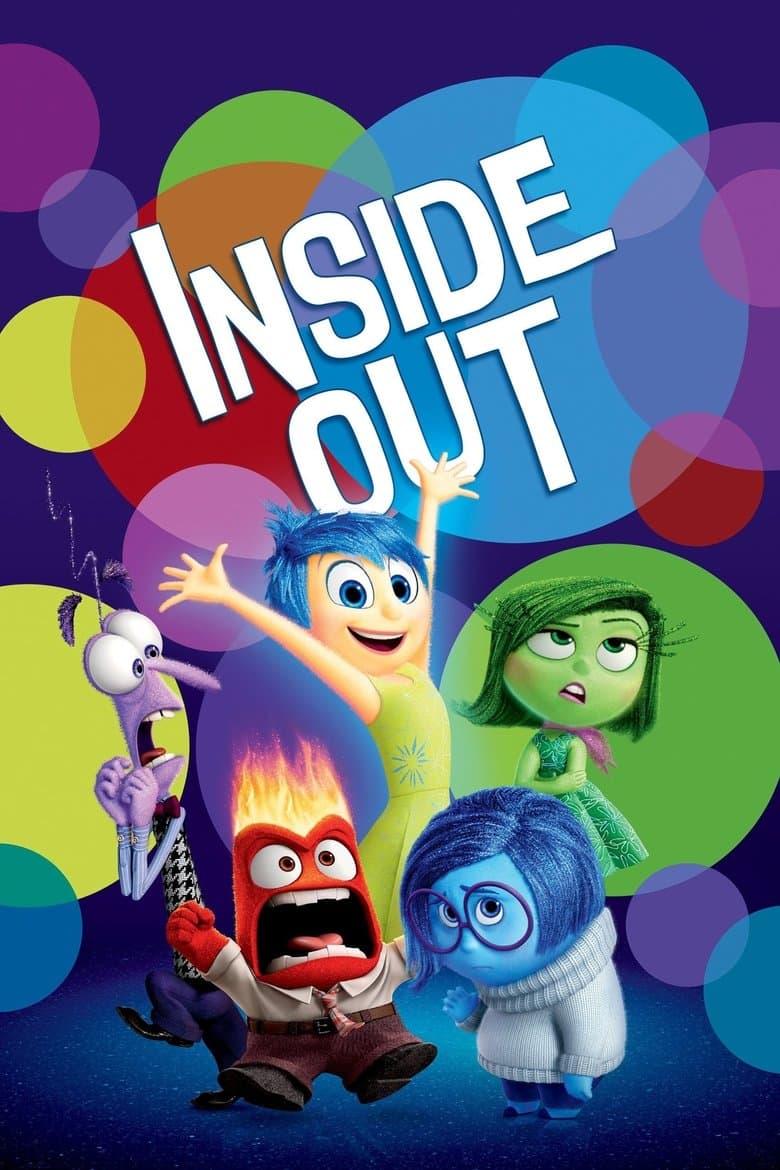
When 11-year-old Riley moves to a new city, her Emotions team up to help her through the transition. Joy, Fear, Anger, Disgust and Sadness work together, but when Joy and Sadness…
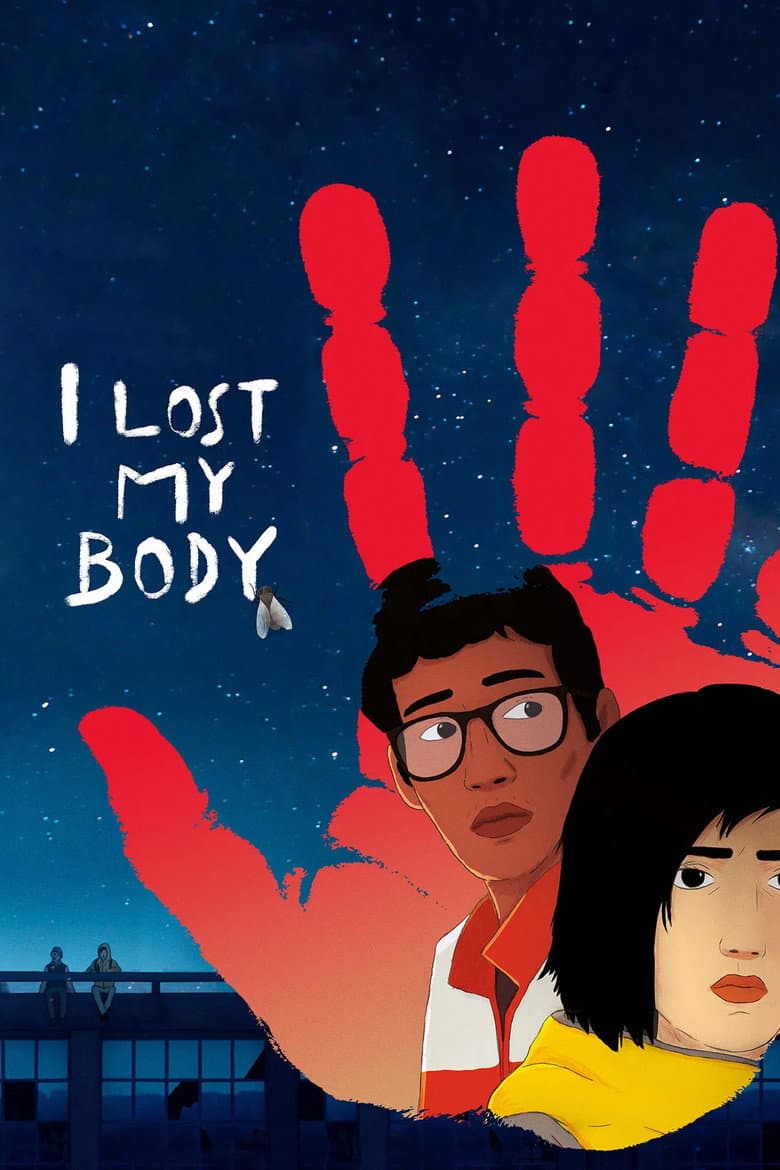
Movie · 2019
A story of Naoufel, a young man who is in love with Gabrielle. In another part of town, a severed hand escapes from a dissection lab, determined to find its body again.
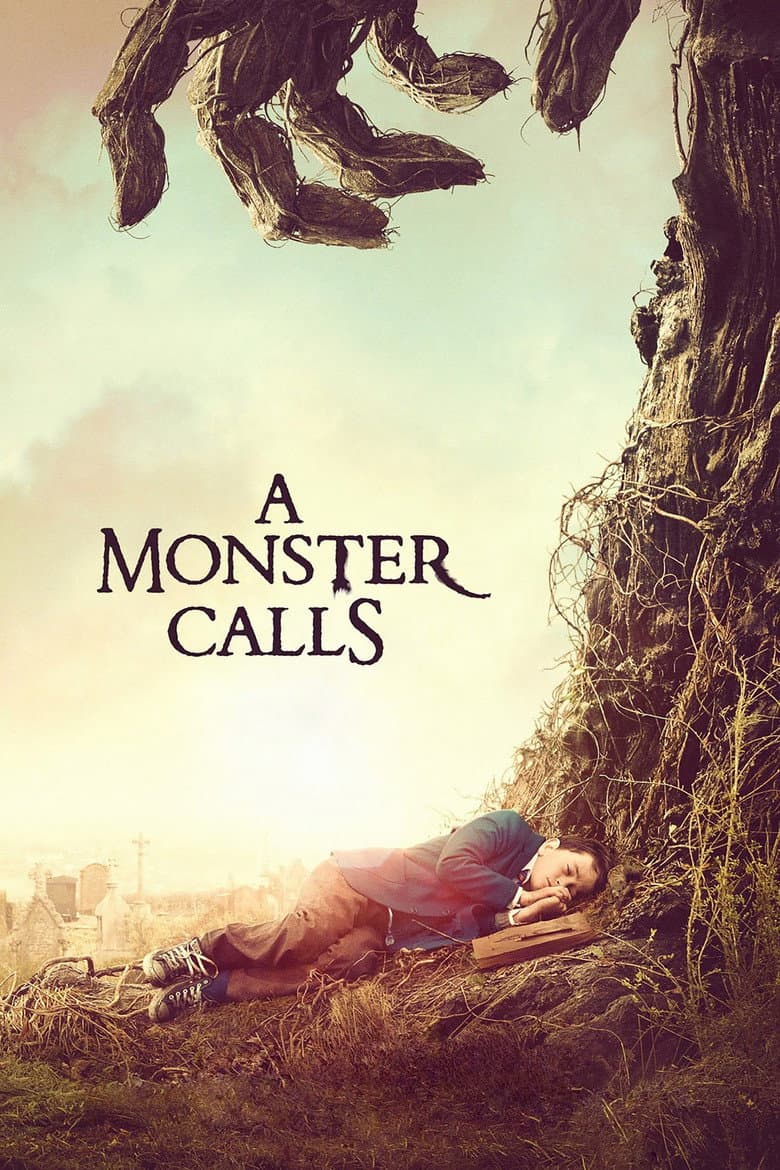
Movie · 2016
12-year-old Conor encounters an ancient tree monster who proceeds to help him cope with his mother's terminal illness and being bullied in school.
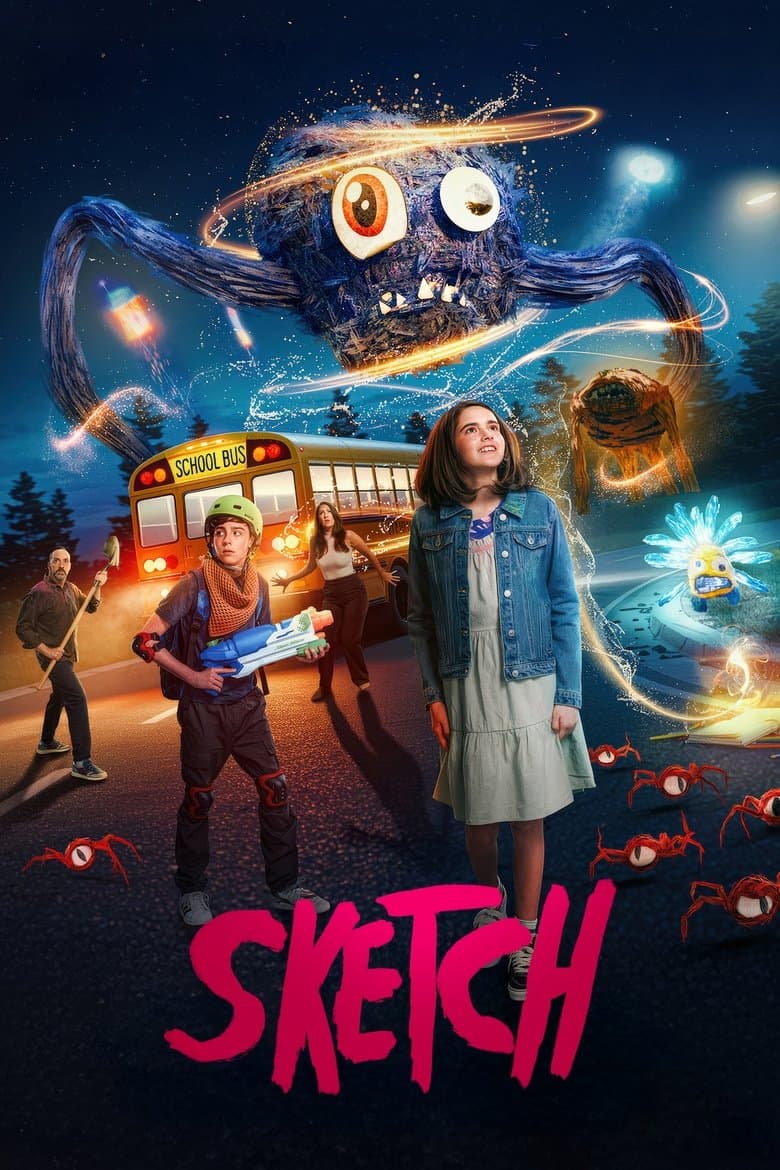
Movie · 2025
When a young girl’s sketchbook falls into a strange pond, her drawings come to life—chaotic, real, and on the loose.
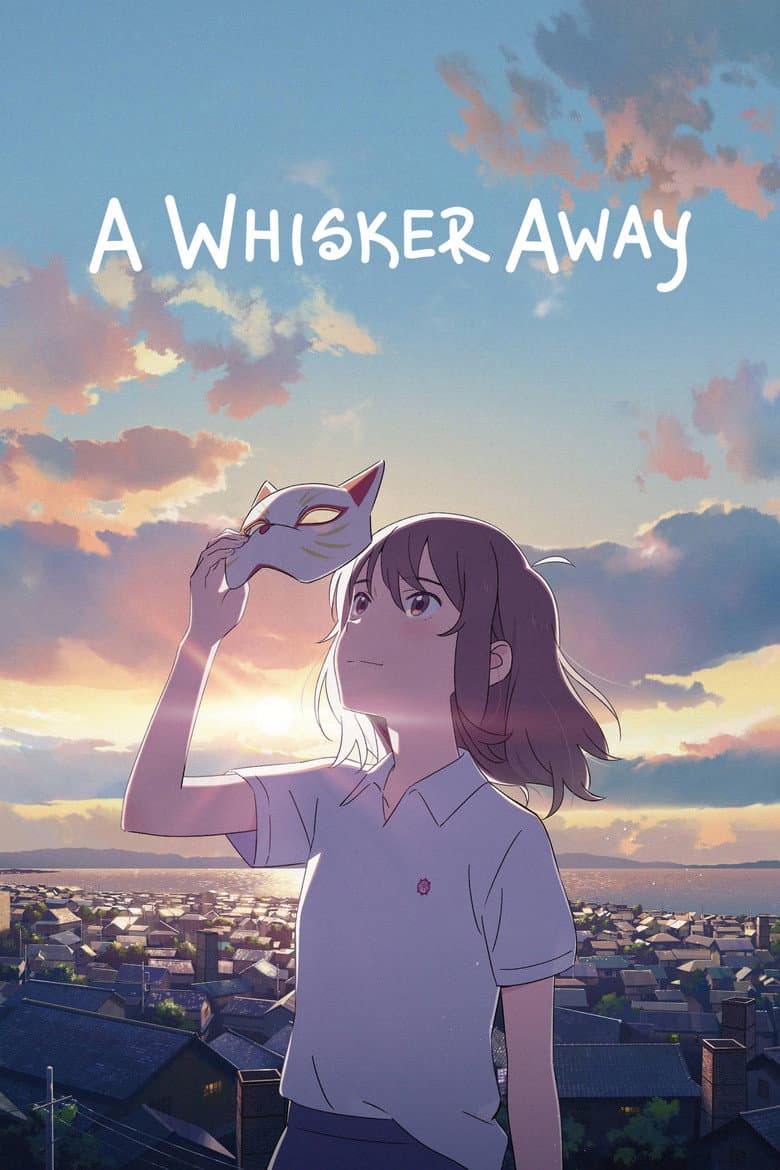
Movie · 2020
A peculiar girl transforms into a cat to catch her crush's attention. But before she realizes it, the line between human and animal starts to blur.
