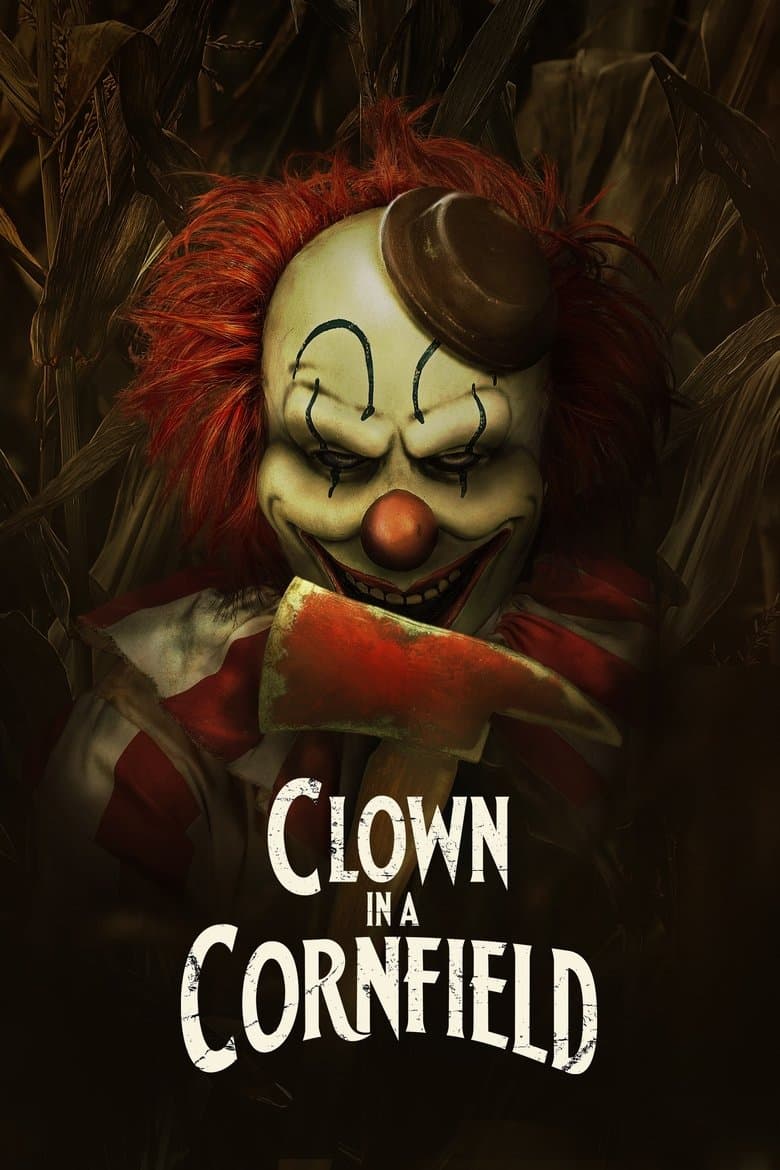
Quinn Maybrook moves with her father to Kettle Springs, a small Missouri town still suffering after its corn syrup factory burns down. She quickly joins a group of teenagers who make fake horror videos about Frendo, the town’s clown mascot. A real group of Frendo killers then hunts the teens through a party, the factory, and the cornfields. The movie mixes bloody slasher violence with jokes, family conflict, and a fight between young people and adults who want the past back.
The clearest audience-visible woke element is a late gay relationship between Cole and Rust, two boys who have hidden their feelings and kiss near the end. The film treats their friends’ acceptance as a good thing. The story also presents the teens as more open to change than the older town leaders, who use tradition and public power to punish them. The movie gives this message real weight, but the main plot remains a killer-clown mystery rather than a queer story or a political drama.
Community feedback
Was our 47% Woke rating accurate?
Breakdown
These are the editorial factors and ratings behind our score for Clown in a Cornfield.
Woke representation / casting
Not present. The teen group includes three white girls, two white boys, and one black boy, which is plausible for a modern Missouri town. The film does not frame this cast mix as a diversity or identity statement.
0%
Woke political dialogue
The film gives the teens an impassioned speech about America’s future belonging to a generation that cares about the environment, other people, and tolerance. The speech links the adult town to old traditions and the teens to social change. The characters also argue about bad youth, authority, and the failure of adults to listen. These ideas appear in a few scenes, but the film remains mainly a bloody horror story.
28%
Identity-driven story themes
The film reveals that Cole and Rust are gay and had a hidden relationship. Cole has tried to hide that part of himself, and the danger brings the relationship into the open. Their friends respond with acceptance, and the two boys kiss near the end. The subplot is a meaningful late reveal, but it is not the movie’s main subject.
44%
Western institutional / cultural critique
The adults who control Kettle Springs defend tradition and call the teenagers a bad crop. The mayor, sheriff, teacher, and other adults use public roles to hide a plan to kill rebellious youth. The factory owner burns his own plant for insurance and blames the young people. The story sides with the teens and presents the older power structure as a violent barrier to change.
50%
Woke character or canon changes
Not relevant. The movie keeps the same basic identity reveal from Adam Cesare’s source novel. No identity-focused rewrite of a known character or historical figure is confirmed.
0%
Anti-woke backlash and complaints
A handful of small X accounts called the film woke, woke crap, or DEI because of the gay subplot, the youth message, and the story about a rich factory owner that some compared to Elon Musk. A few posts also objected to pronouns and said politics should stay out of horror. The visible reaction had very little reach, and no coordinated boycott or review-bomb campaign appeared. Reddit, Letterboxd, and one user review also show scattered complaints, but the wider reaction was mixed.
15%
Creator track record context
The supplied creator summaries give the three writers and most producers low scores, with no high-confidence activist record for Eli Craig, Adam Cesare, or Carter Blanchard. Daniel Bekerman has supported Black, Indigenous, queer, and women filmmakers and criticized DEI rollbacks. John Fischer has produced several race-focused social dramas. This is a limited supporting pattern because the main writing team has no similar public record.
18%
Production
Movie · 2025
Two parents enter a race against time when they receive a distressing late-night phone call from their daughter after she caused a tragic car accident.
Movie · 2017
A young man and his three younger siblings are plagued by a sinister presence in the sprawling manor in which they live.
Movie · 2023
Jess, a newly separated mother and nurse, moves into her old family farmhouse with Tyler, her teenage daughter, and Owen, her eight-year-old son.

Movie · 2019
A lone fisherman on his daily run finds himself lost in a thick fog which proves impossible to navigate. The worst is yet to come when his encounter with a seemingly abandoned…
Movie · 2026
The host of a popular paranormal podcast becomes haunted by terrifying recordings mysteriously sent her way.
Movie · 2016
Four friends break into an abandoned insane asylum in search of a death certificate which will grant one of them a large inheritance.

Movie · 2022
Finney Blake, a shy but clever 13-year-old boy, is abducted by a sadistic killer and trapped in a soundproof basement where screaming is of little use.
Movie · 2020
When a father is forced to abruptly depart for work, he leaves his children, Aidan and Mia, at their holiday home in the care of his new girlfriend, Grace.
